Life Care Center of Waynesville is frequently described as a facility with strong clinical rehabilitation and a compassionate direct-care culture. The physical and occupational therapy teams receive consistent praise for producing measurable recovery outcomes, improving mobility, and supporting transitions to greater independence. Families and residents commonly note improvements in wound care and rehabilitation, and outpatient therapy options are available for continued progress. Many reviewers emphasize that staff—from nurses and therapists to social workers and case management—are attentive, remember residents by name, and provide timely updates to family members.
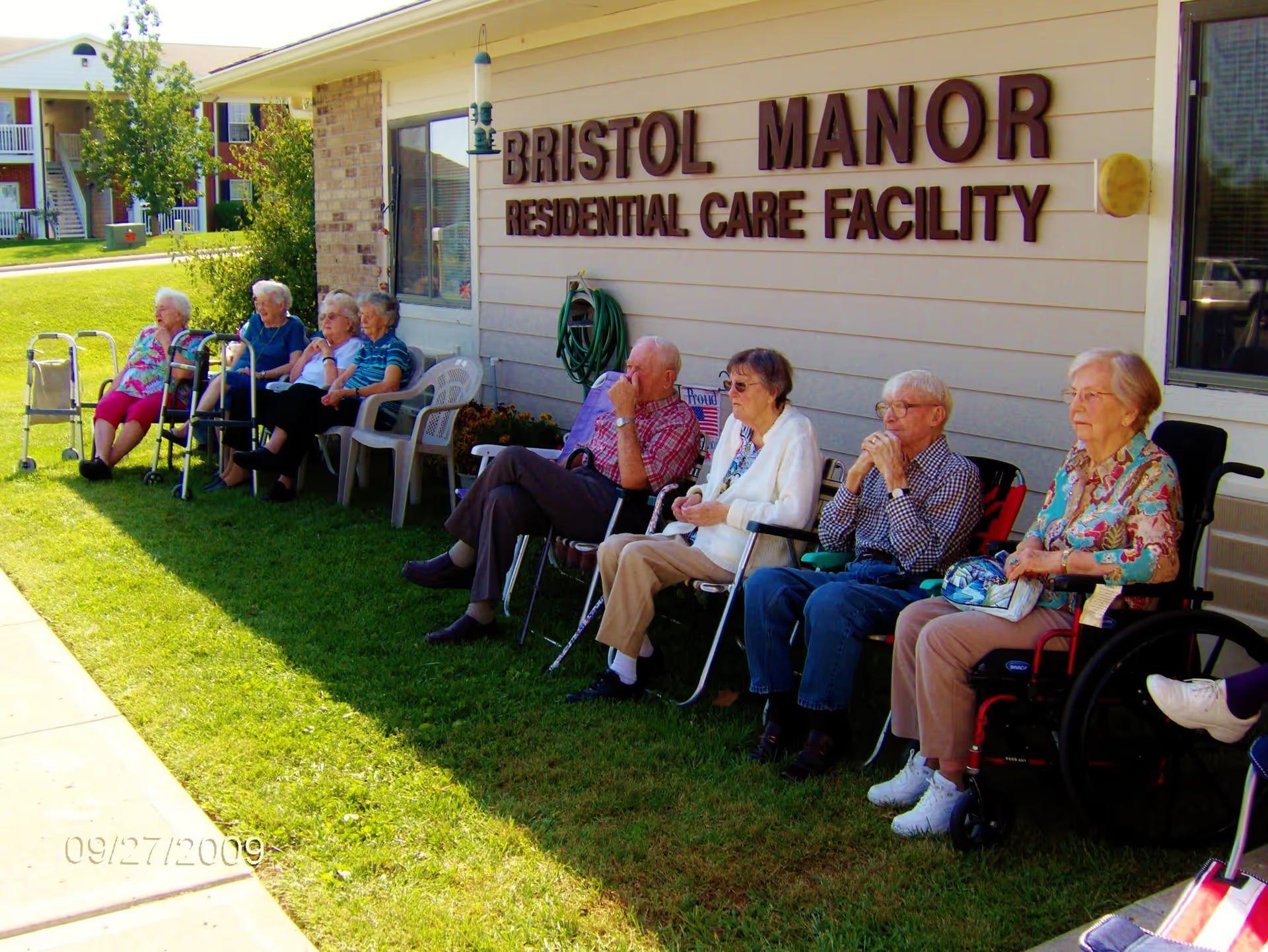
Direct-care quality is a clear strength in many accounts: caregivers are described as courteous, patient, and proactive in anticipating resident needs. This contributes to a home-like, faith-based atmosphere where residents feel comfortable and supported. The facility is also credited with a broad activity program (music, gardening, bingo, crafts) and useful on-site amenities such as a barbershop and library, which reviewers say help maintain resident engagement and quality of life. Dining quality is described positively by several families, and smaller facility size (approximately 80–90 beds) is seen as enabling closer staff–resident relationships.
At the same time, reviewers identify operational shortcomings that prospective residents and families should evaluate. Several accounts indicate inconsistent timeliness for hands-on personal care (for example, dressing assistance) and intermittent delays in medication administration, particularly during night shifts. These issues appear related to occasional staffing shortages and variability in staff performance. There are also observations about staff conduct and communication tone that suggest uneven professionalism across shifts. Some reviewers raise concerns about the facility’s incident-response and conflict de-escalation practices, indicating room for improvements in protocols and training.
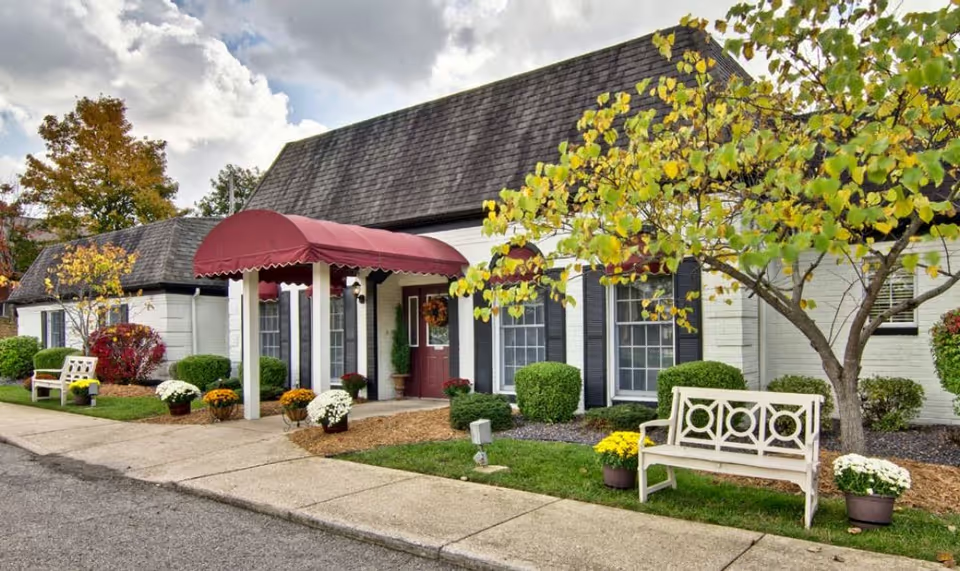
The physical environment earns mixed comments: resident rooms and many areas are described as clean and well maintained, yet the building and furnishings are sometimes characterized as dated and in need of refreshment. Reviewers noted clutter and limited aesthetic upkeep in some common areas, which contrasts with otherwise favorable impressions of cleanliness. Policy and administrative issues appear occasionally: reviewers cited restrictive or inconsistently applied service-animal policies, and at least one reviewer raised an allegation of financial misconduct. Management response is generally reported as proactive and professional in many cases — several families described prompt leadership communication and visible follow-up — but a minority described perceived lack of responsiveness from management in specific circumstances.
Overall, Life Care Center of Waynesville is portrayed as a facility with notable strengths in therapy, compassionate caregiving, family communication, and resident engagement. Those considering the facility should weigh those strengths against operational concerns such as variable staff responsiveness, medication-timing consistency, the condition of some physical spaces, and specific policy/application questions (for example, service-animal rules). A site visit focused on staffing patterns across shifts, medication timing procedures, service-animal policy, and recent regulatory or administrative records is recommended to confirm current performance and fit for an individual resident's needs.