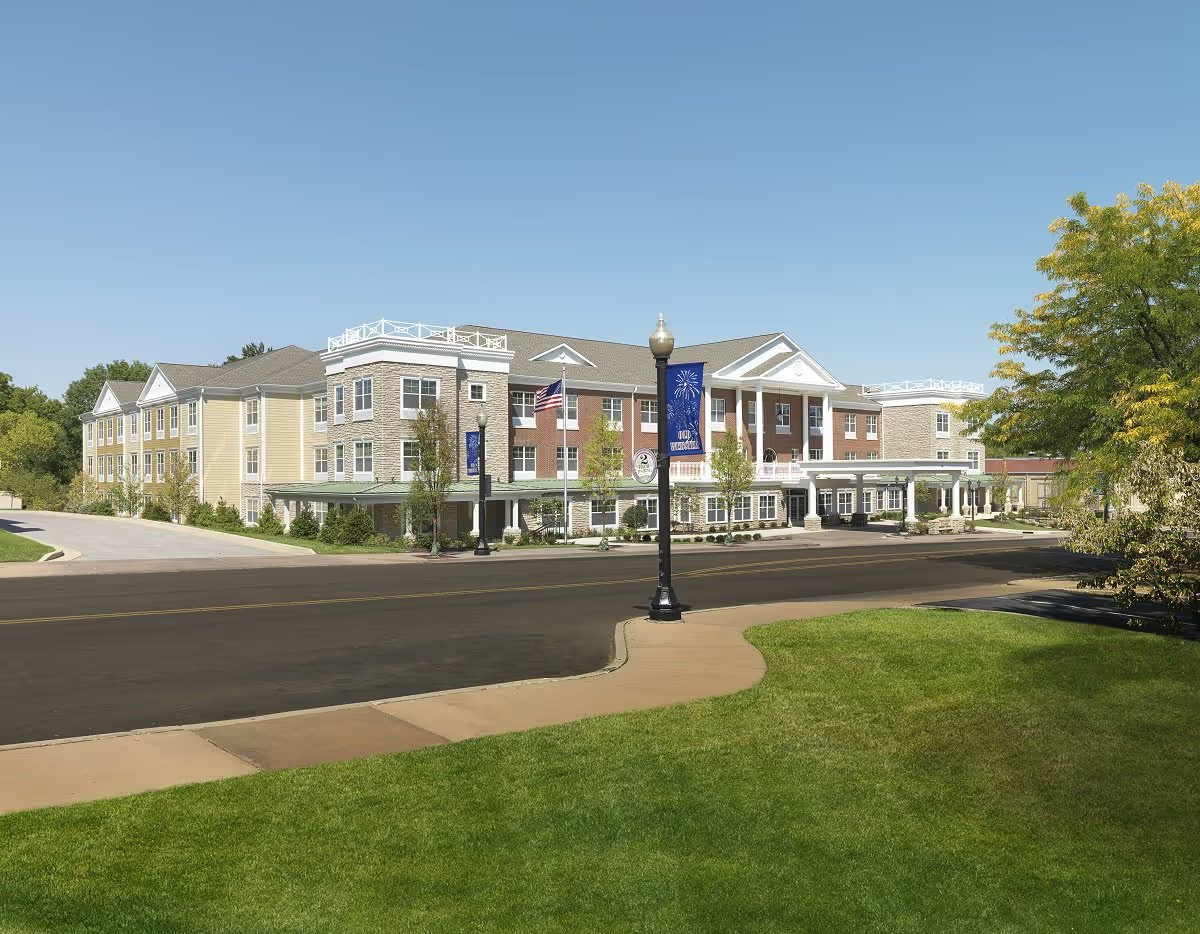
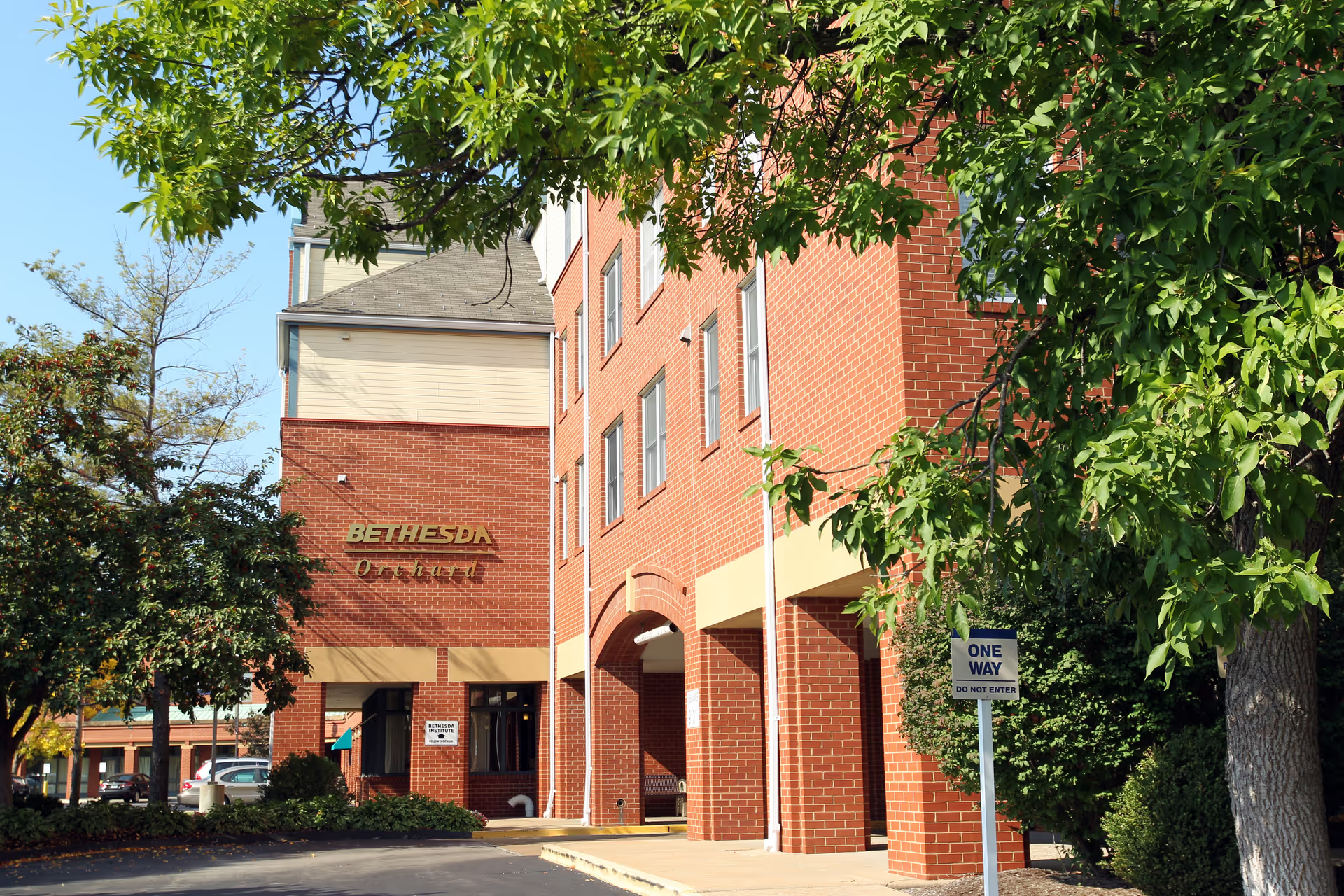
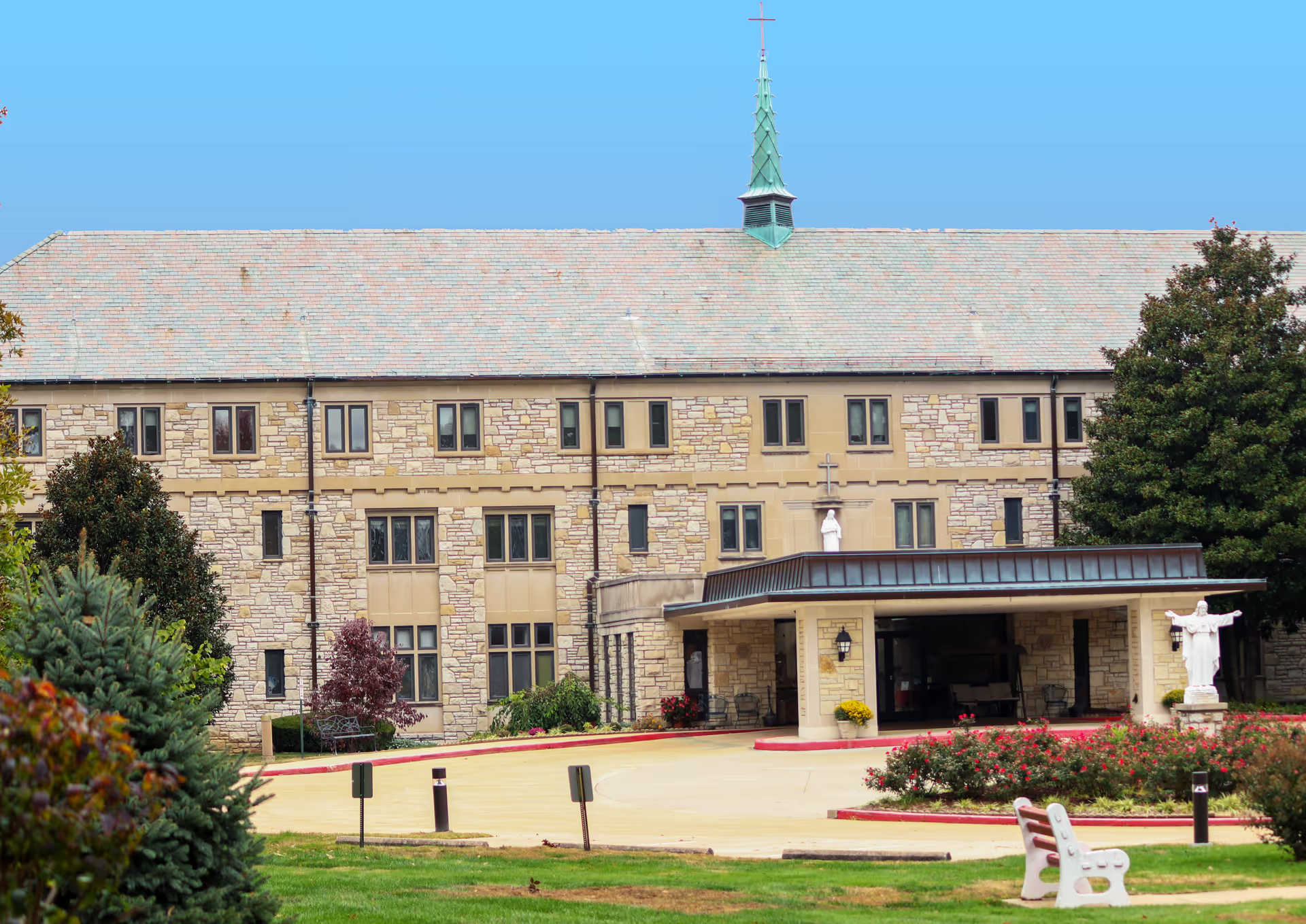
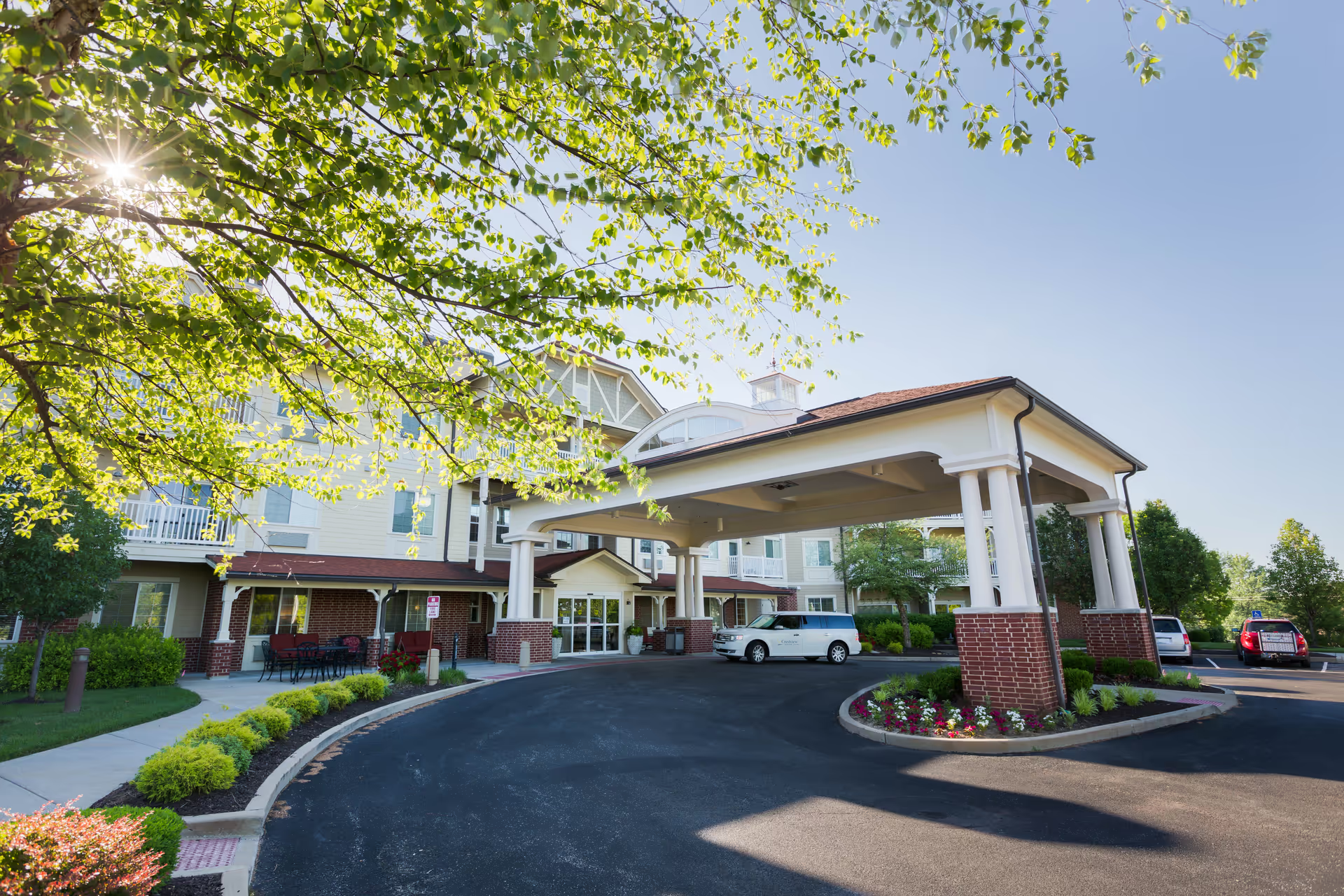
The Rockwood presents as a smaller, historic independent-living community in Webster Groves with a strong emphasis on a home-like atmosphere and preserved architectural character. Reviewers frequently highlight the building's original woodwork, large windows, hardwood floors and tasteful common-room features (fireplaces, artwork, library). Its central, walkable location near shops, cafés, and transit is a consistent strength for prospective residents who value neighborhood access and low-maintenance living.
Care and staff interactions are generally described positively. Families and residents commonly describe attentive, personable staff who learn residents' names and provide helpful housekeeping and maintenance support. Concierge and administrative teams receive favorable mentions for being responsive, and transportation services (vans for outings) are routinely available. That said, there are occasional comments about inconsistent staff communication and knowledge, and a limited number of comments raised concerns about staff vaccination practices and how infection-control communication is handled; these suggest areas for management attention rather than a broad pattern of clinical care failure.
Dining at The Rockwood is a notable selling point for many reviewers: a skilled chef, fresh meals, and an active dining program are often praised, and the arrival of a new chef drew positive reactions. At the same time, reviewers also pointed to operational challenges in the dining program — a small dining room, meal-delivery or pickup logistics for some residents, and menu choices or textures that may not meet the needs of residents with chewing or specific protein requirements. Those seeking a robust, congregate dining experience should preview current meal-service arrangements and menu adaptations.
Activities and social life are presented as varied, with regular programming, exercise options, a movie room, library, garden spaces, and resident clubs. Many reviewers valued the ease of navigating a smaller building and the availability of activities. However, several accounts indicate that visible common-area activity can be lower at times; the community’s small size produces a quieter social scene than larger, more active campuses. Prospective residents who prioritize a bustling social environment should consider whether The Rockwood’s scale fits their expectations.
Facility-level strengths include clean, well-maintained apartments that are often described as spacious and light-filled, along with in-unit kitchenettes and laundry hookups in some units. Weaknesses tend to be those common to older, historic properties: some interiors feel dated or darker, closet and bathroom storage can be limited, and certain units have small bathrooms or dated finishes. Practical considerations noted by reviewers include parking fees, an underground parking option, and nearby train-track noise for some units.
Management impressions are mixed but tilt positive: reviewers describe a team that works hard to bridge independent living with higher-care needs when necessary. Price sensitivity is a recurring theme—The Rockwood is described as relatively expensive with annual increases—so cost and contract terms merit careful review. Overall, The Rockwood will likely suit independent, active older adults who value historic character, walkable neighborhood access, attentive staff, chef-driven dining, and a smaller, quieter community. Those requiring more modern finishes, larger storage, more extensive amenity offerings, or a highly active social scene should compare The Rockwood against larger or more contemporary communities before deciding.