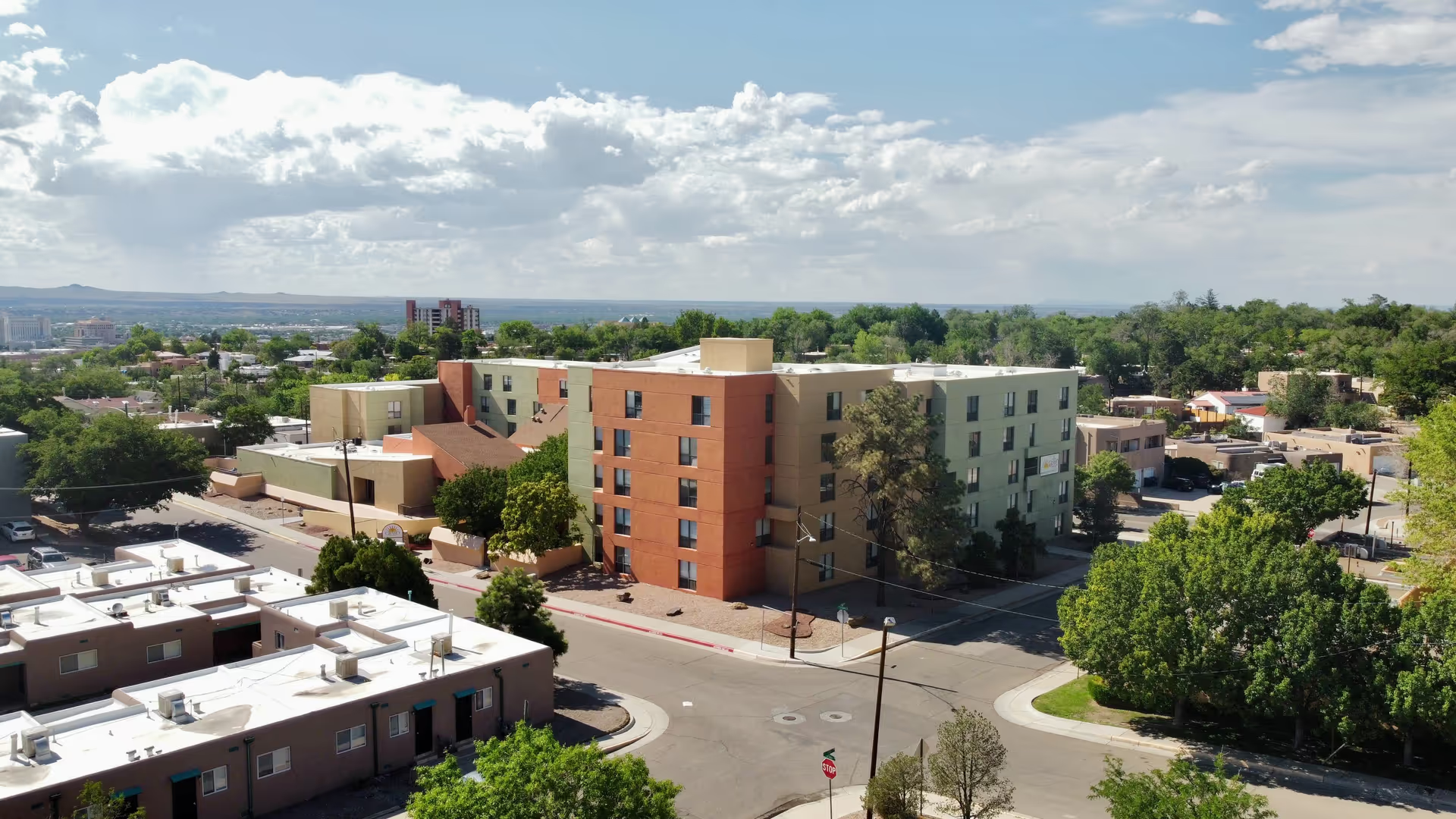
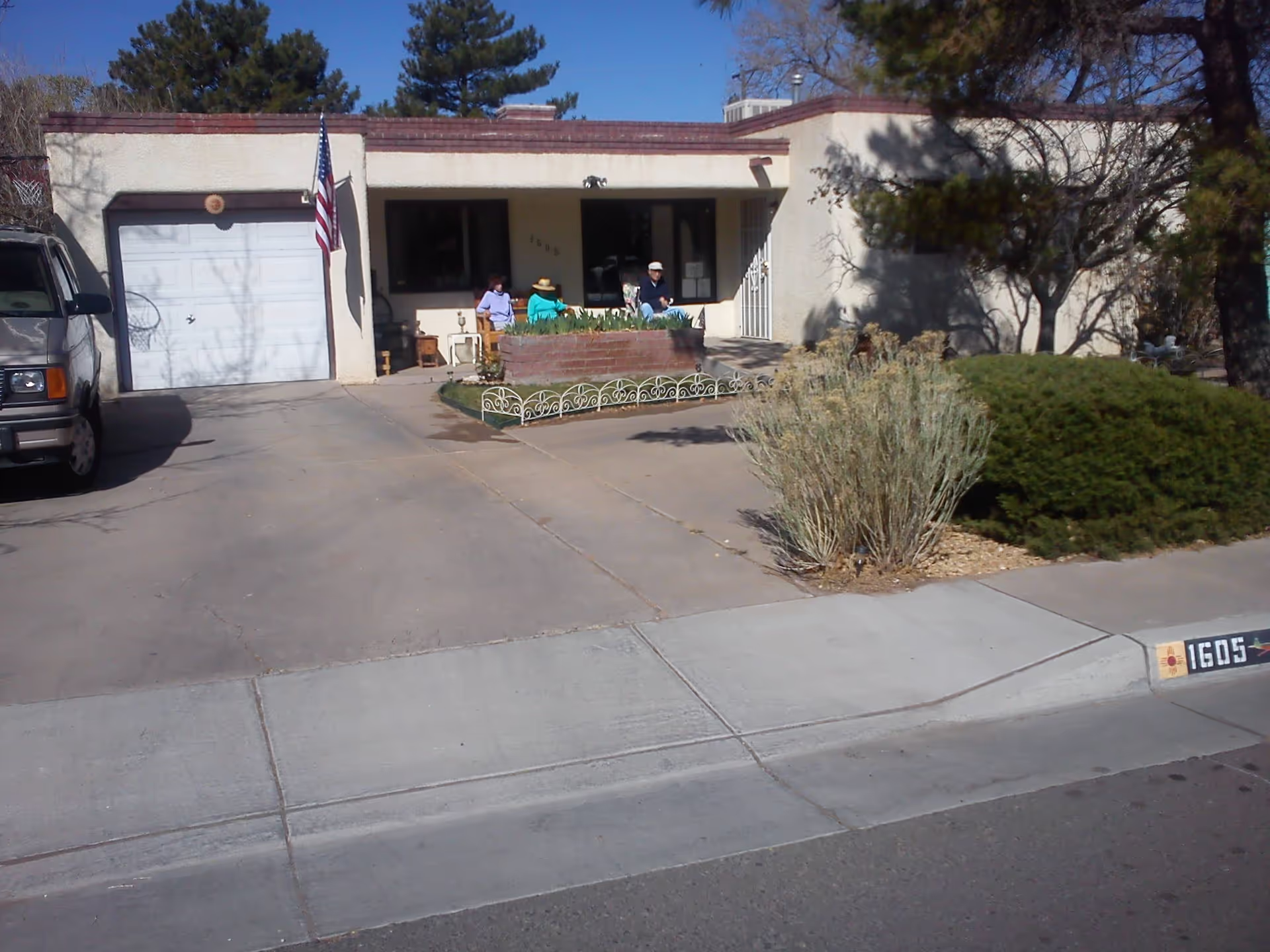
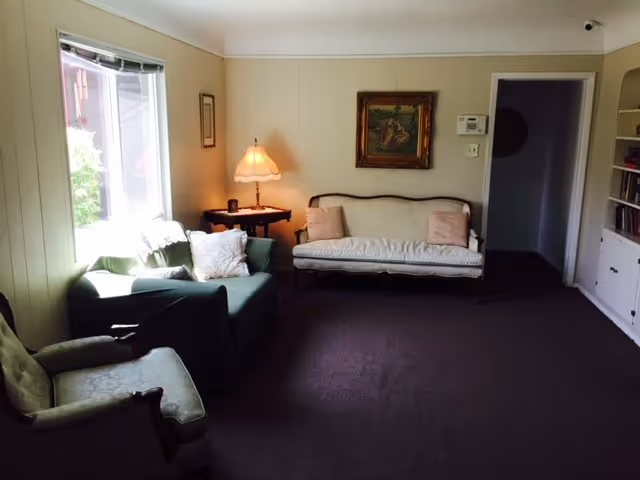
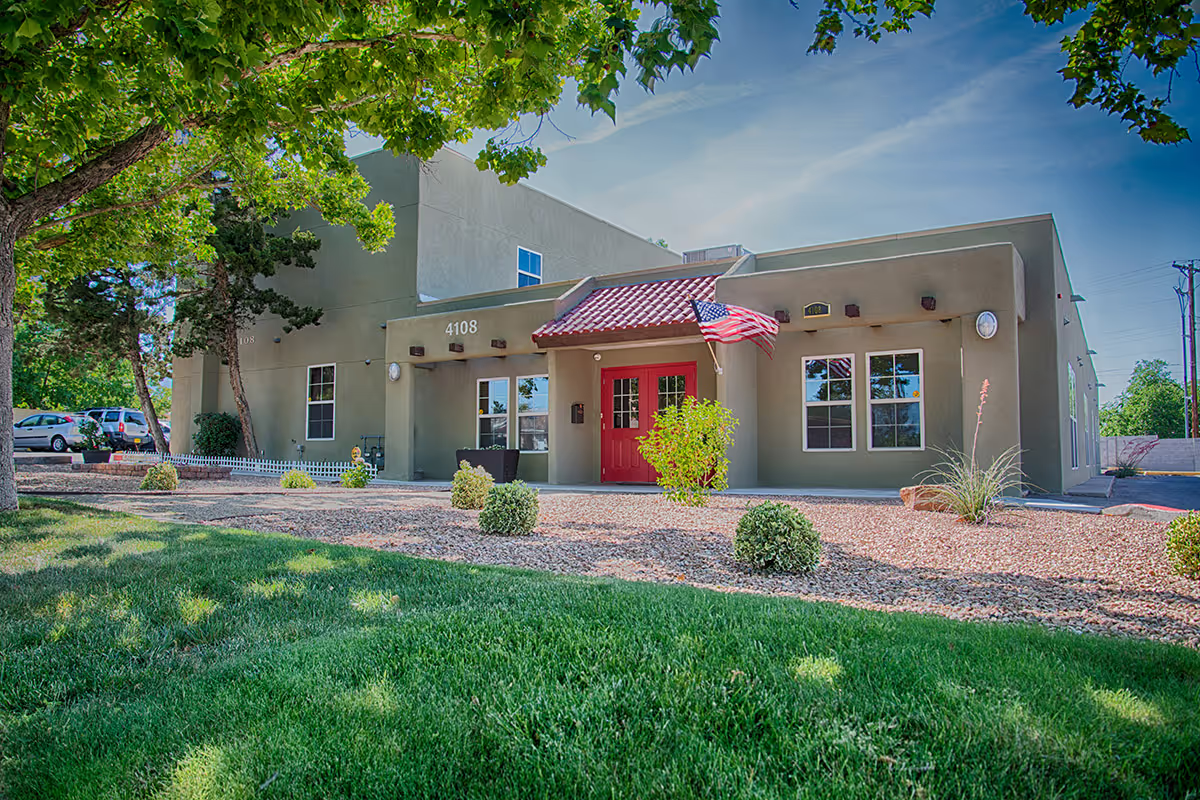
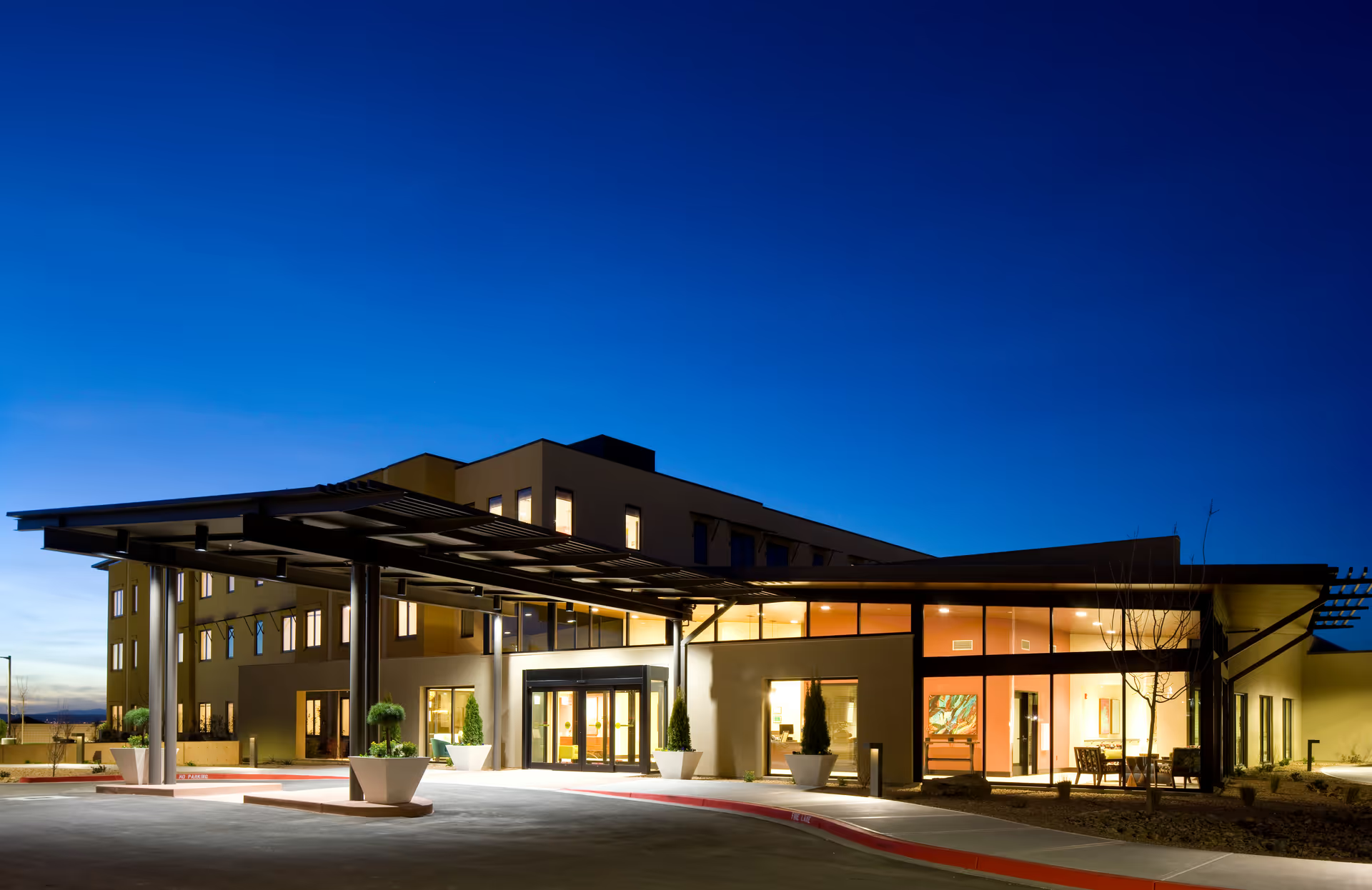
Advanced Health Care of Albuquerque is primarily described as a short-term rehabilitation facility, with a polished, hotel-like setting and private rooms that often include a bathroom, refrigerator, and microwave. Families and residents frequently praise the building’s cleanliness, spacious rooms, attractive common areas, and welcoming atmosphere. A library, lobby seating, and covered patio are mentioned, though reviews provide limited information about regular activities. Pandemic-related restrictions affected access to dining and common areas in some accounts.
Rehabilitation is a consistent strength in many accounts. Residents and families describe effective, personalized PT and OT, and some also praise speech therapy. Positive experiences include improved mobility, greater independence, and help arranging care after discharge. However, therapy experiences are not uniform: some accounts describe missed or delayed sessions, reduced individual therapy, or concern that discharge occurred before the resident felt ready. The facility may be best suited to people whose primary need is rehabilitation; families have raised concerns about whether medical oversight is adequate for more complex needs.
Staff experiences vary substantially. Many residents describe nurses, aides, therapists, and support staff as kind, professional, and responsive. Other accounts cite delayed call-light responses, difficulty obtaining timely bathroom or personal-care assistance, and differences in responsiveness between shifts. Serious individual concerns include medication errors or delays, gaps in monitoring and follow-up, and delayed recognition of changing medical conditions. Some families also describe communication difficulties when raising concerns. These contrasting experiences suggest that reliability may depend on staffing and coordination in a particular care episode.
Dining is often praised for flavor, variety, and presentation, and several residents appreciated meals served in the dining room or delivered to their rooms. Other accounts describe inconsistent food temperature or difficulty accommodating dietary preferences. Administrative and discharge experiences are also mixed: some families found staff helpful with transitions and transportation, while others reported unclear communication about insurance, billing, appointments, or discharge arrangements. Prospective residents and families may want to ask specifically about clinical coverage, medication processes, staffing on nights and weekends, therapy schedules, dietary accommodations, and who will coordinate follow-up care.