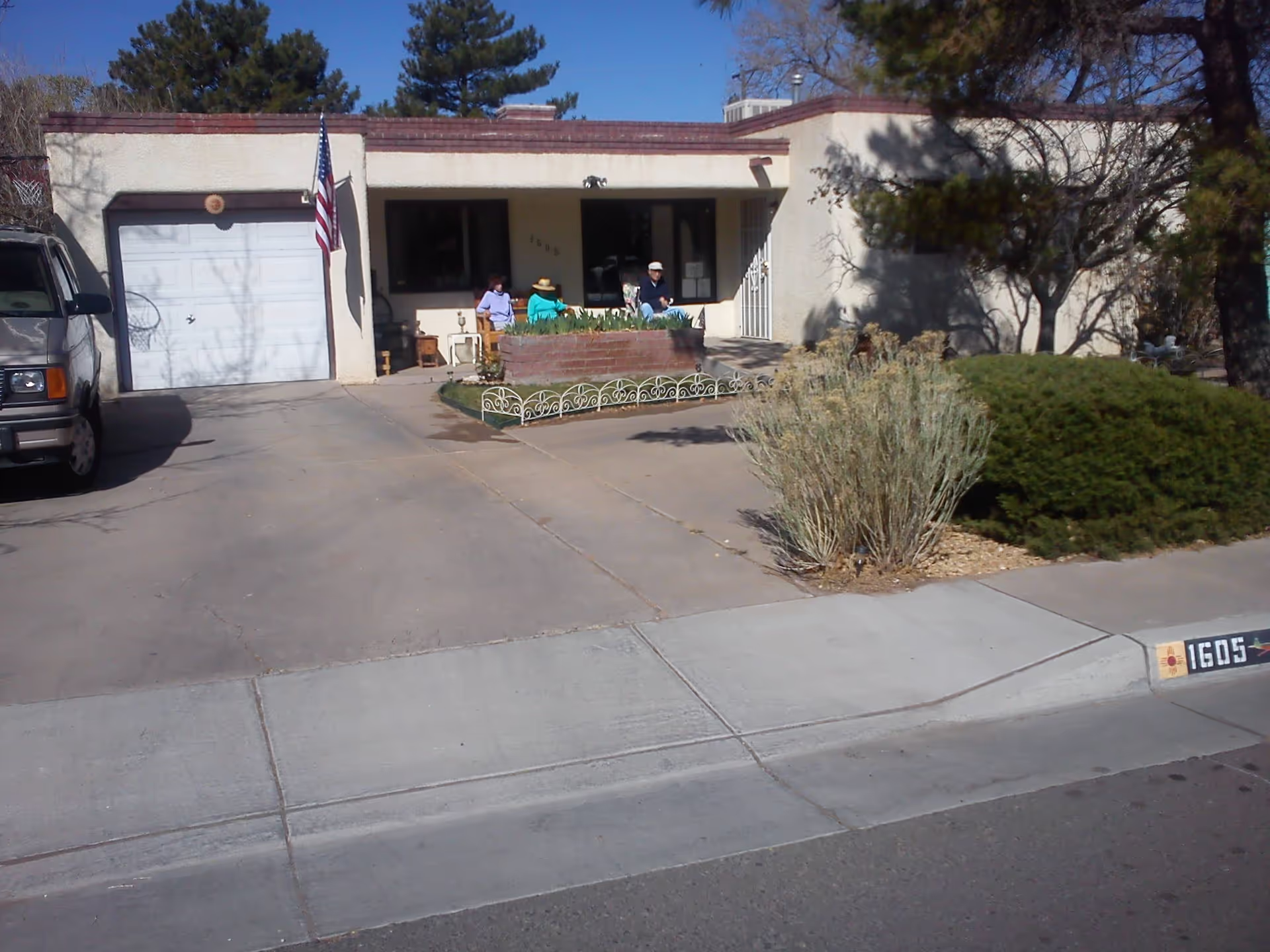
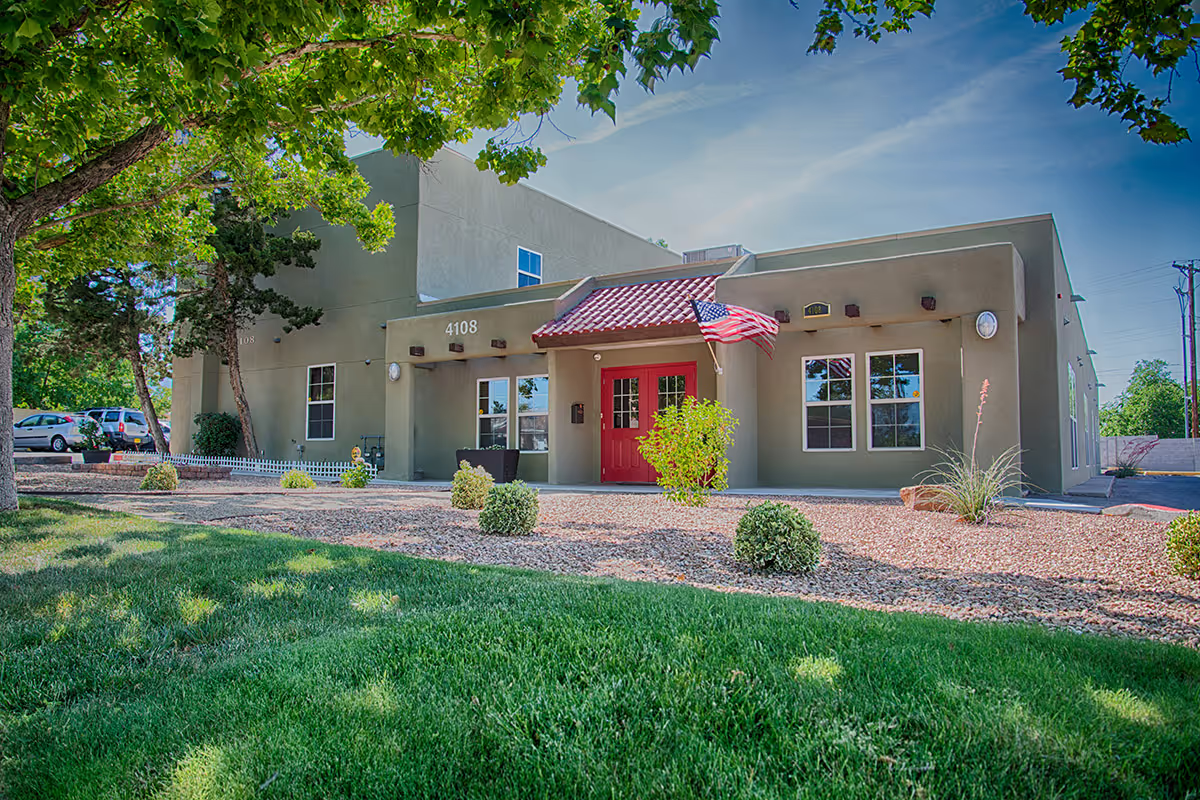
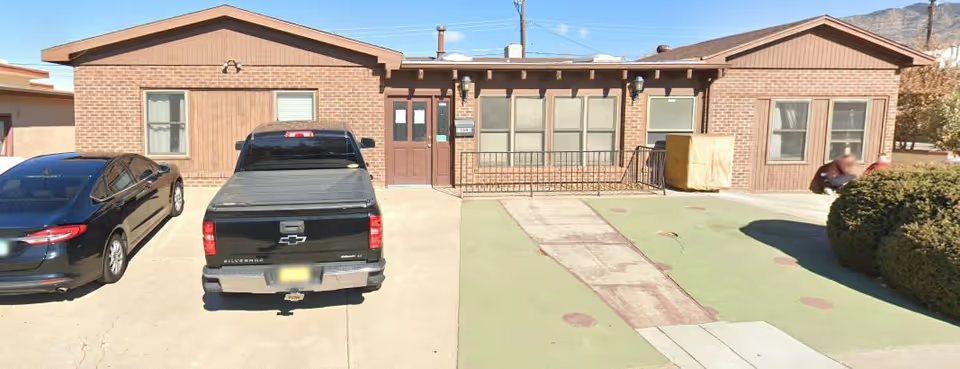
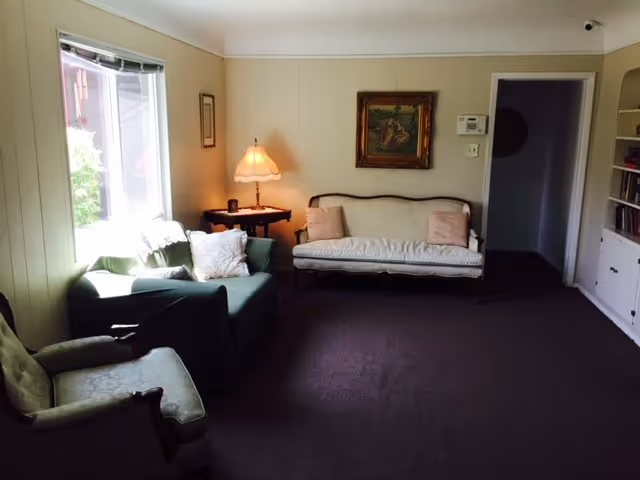
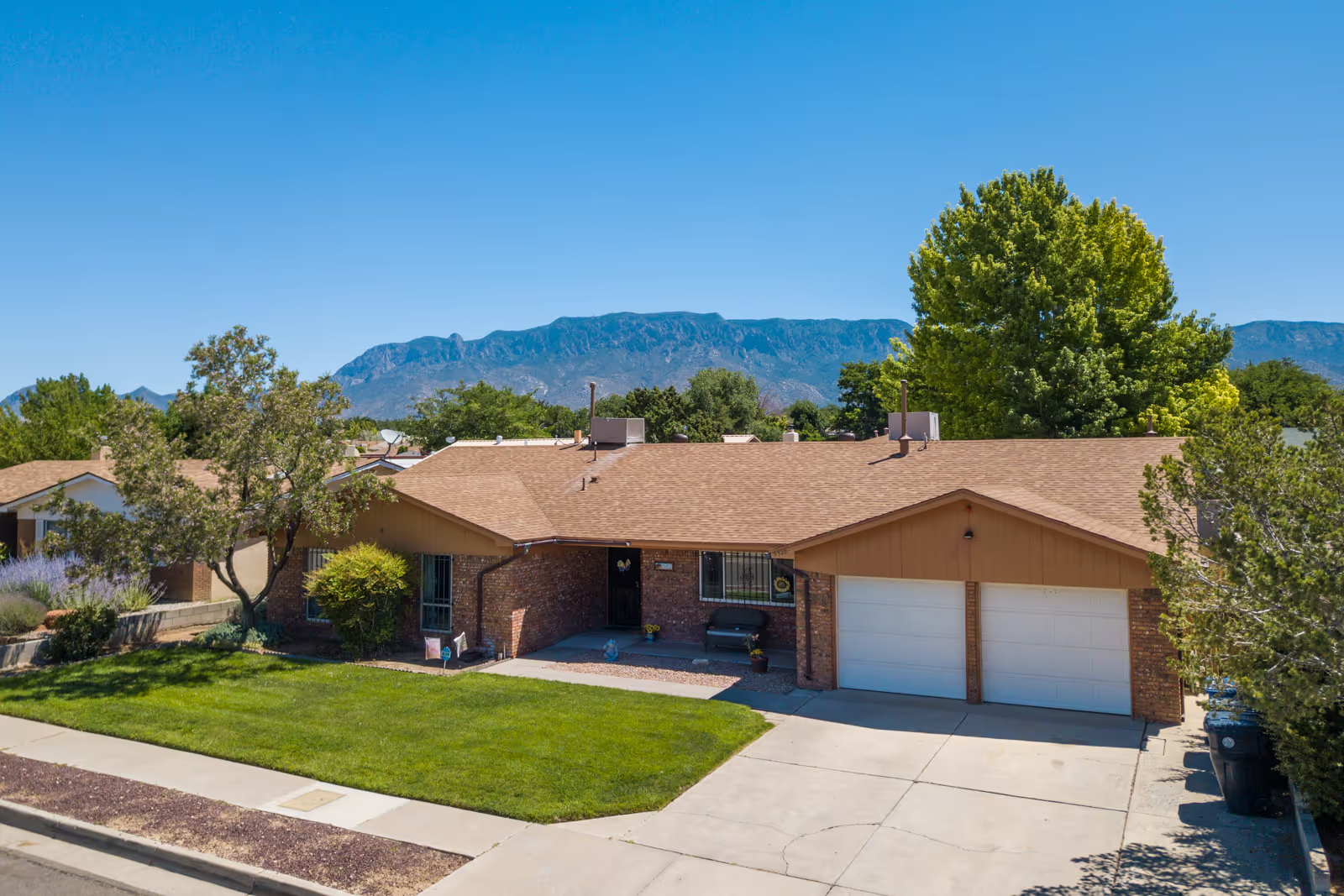
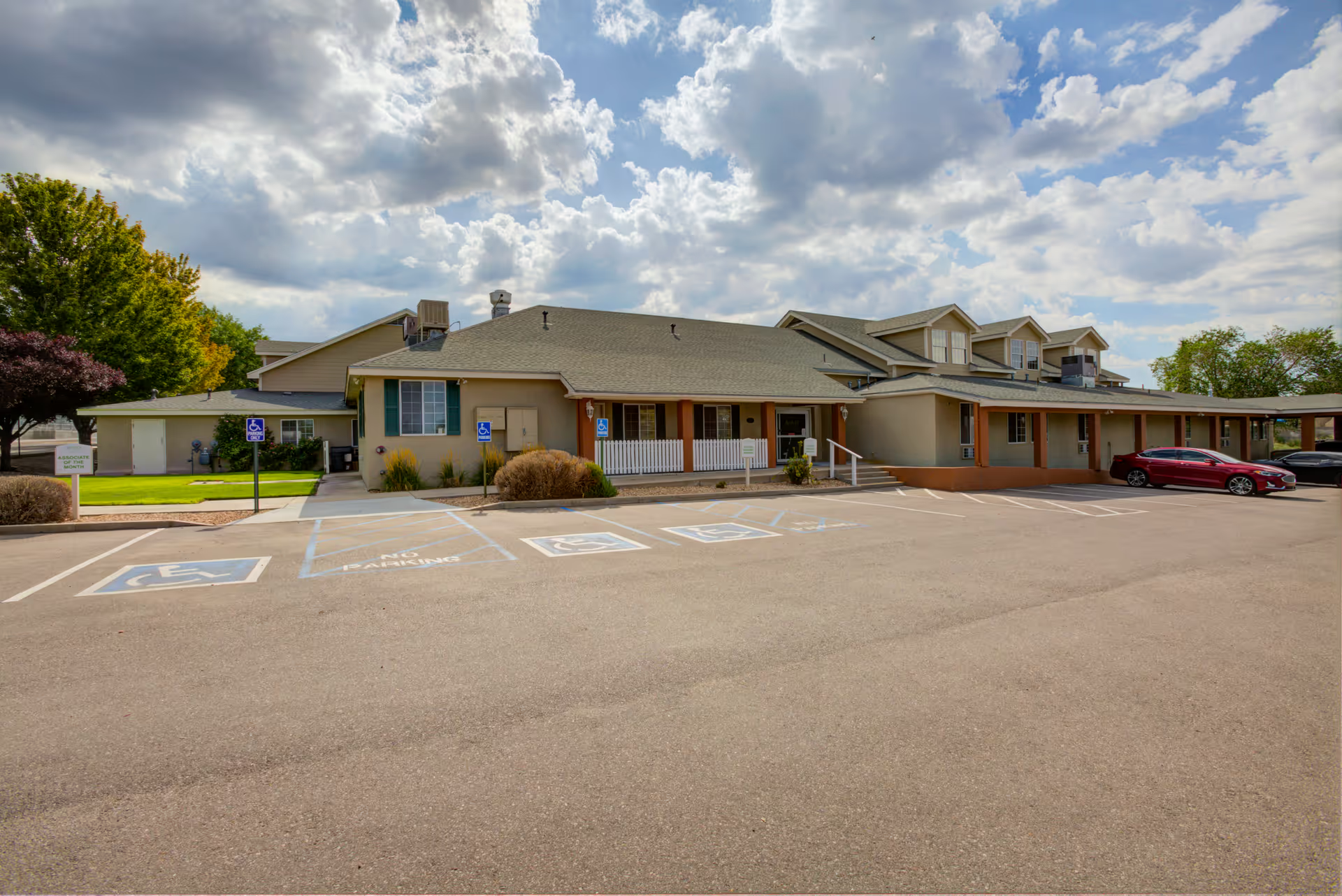
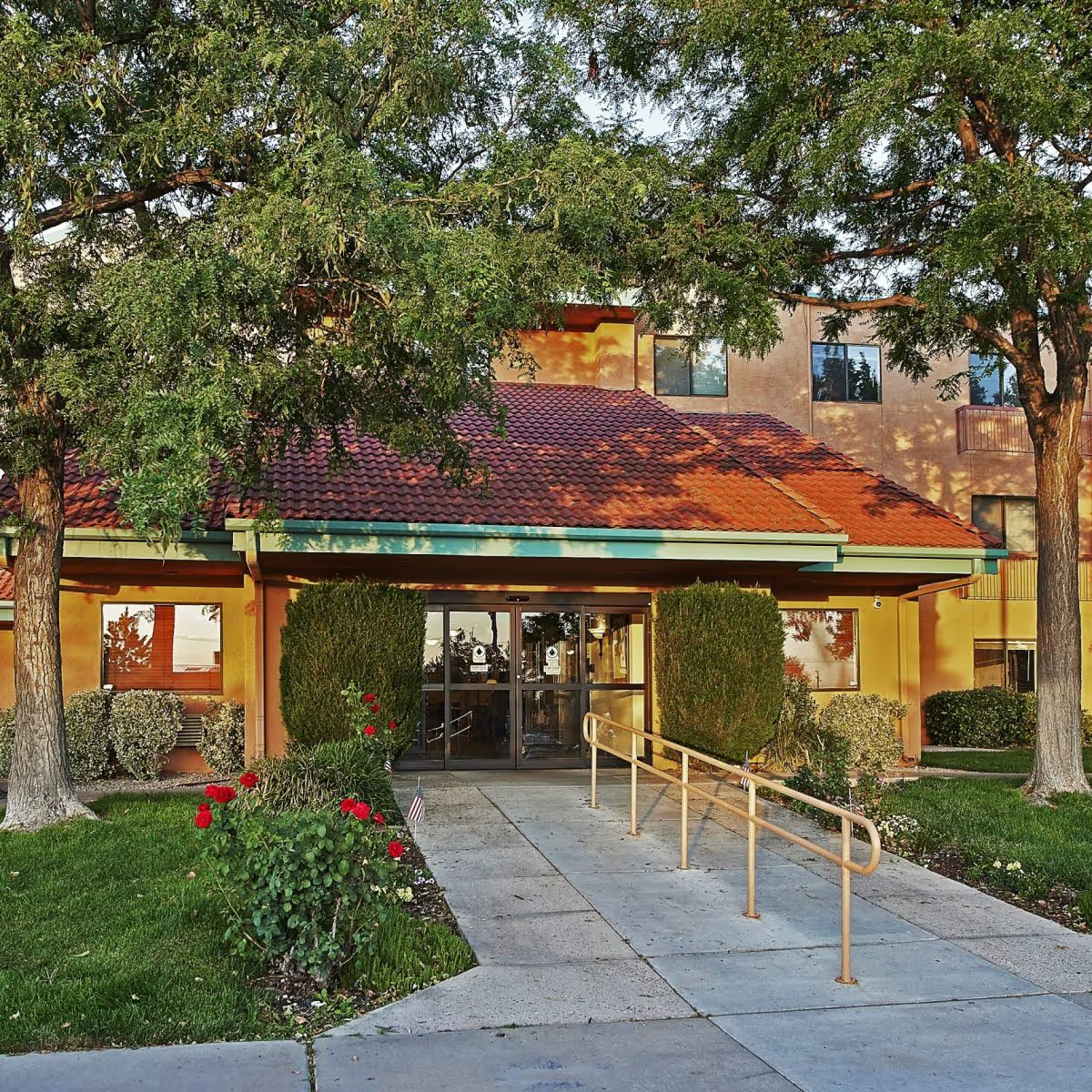
Overall impression: The available reviews emphasize strong interpersonal care at Albuquerque Uptown Assisted Living. Reviewers consistently describe staff as attentive, professional, and friendly, and highlight a home-like, family atmosphere. Individual caregivers are portrayed as building close relationships with residents; one caregiver is singled out as particularly well liked, which aligns with the broader theme of personalized attention and continuity of care.
Care quality and staff: Care is characterized as attentive and individualized. Staff behavior is described as warm and respectful, with families noting hands-on assistance and a family-like treatment model. The prominence of positive comments about caregiving suggests consistent staff–resident interaction and relational continuity; prospective families should nevertheless ask about staffing ratios, shift continuity, and on-site clinical oversight to confirm operational consistency.
Dining: Dining receives uniformly positive mention. Meals are described as excellent, with the facility accommodating individualized adjustments and dietary needs. This indicates an active dining program capable of tailoring menus; visitors should request sample menus and information on how dietary preferences and therapeutic diets are managed.
Activities and facilities: Reviews focus heavily on staff and meals and provide limited information about activity programming, common-area amenities, or physical accessibility. There is little detail about organized social programming, transportation, or therapeutic activities. Prospective residents and families should request an activities calendar, a tour of communal spaces, and information about off-site outings and mobility supports.
Management and operations: The facility is described as family-owned and operated with visible owner/management involvement. That governance model appears to contribute to the personalized, home-like environment evident in the reviews. At the same time, family ownership can coincide with more informal operational processes; families may wish to review written policies on medication administration, incident reporting, staff training, and emergency procedures to verify formal controls and regulatory compliance.
Notable patterns and next steps: The dominant pattern in the reviews is strong relational care and high satisfaction with meals and staff demeanor. Conversely, there is limited public detail on clinical services, medication-management practices, and the breadth of activity programming or physical amenities. When evaluating the community in person, ask for documentation of nursing availability, medication protocols, staffing ratios, an activities schedule, inspection or licensing records, and sample menus to fill the information gaps left by the reviews.