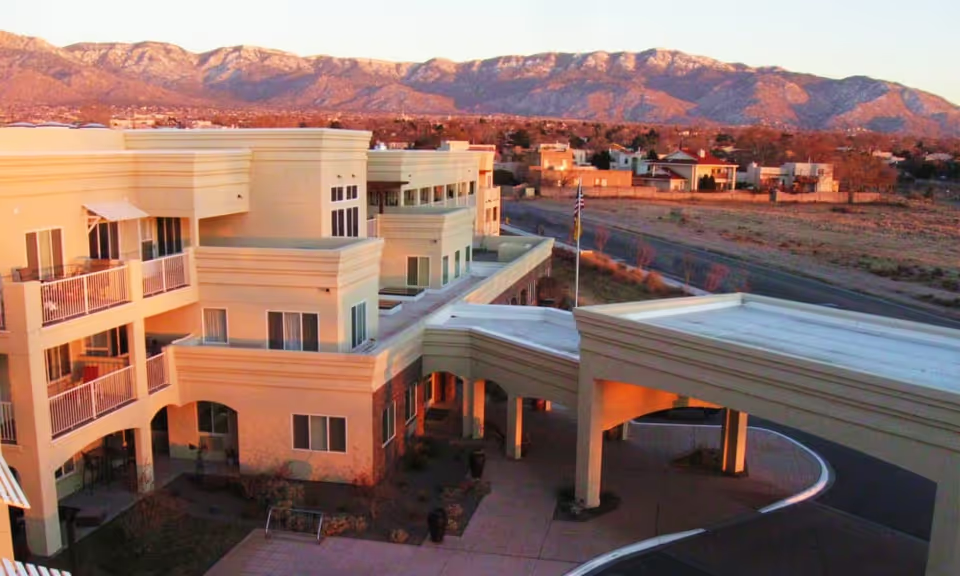
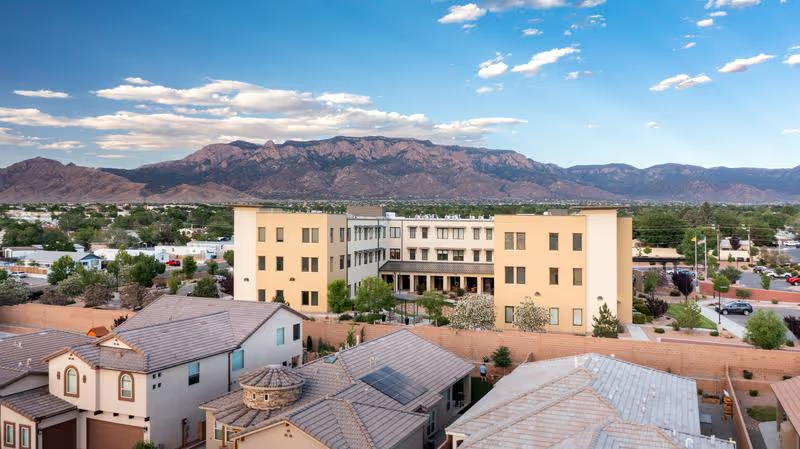
Overview: Bear Canyon Estates presents as an independent‑living community with a broad set of amenities and a strong social environment for many residents. Reviewers commonly cite welcoming staff, a lively social calendar, and restaurant‑style dining as strengths. The campus offers a range of unit types (studios, one‑ and two‑bedrooms, cottages with patios/balconies) and on‑site features such as a fitness room, beauty salon, library, chapel and transportation services that support independent residents who wish to remain active and socially engaged.
Care and staffing: Care availability appears mixed by unit and need. Several accounts describe an on‑site nurse option and medication administration services, while other comments indicate limited clinical capabilities in parts of the community (including no overnight or skilled‑nursing services in some sections). Staff are frequently described as compassionate and attentive, with many families praising individual employees; however, there are repeated notes about staffing shortages, overworked employees, and uneven staff availability that can affect service responsiveness and daily operations.
Dining and housekeeping: Dining receives polarized feedback. Many residents and visitors praise the dining room, chef, menu variety, sugar‑free and dietary accommodations, and coffee/meal service; at the same time, reviewers report inconsistent meal quality, set meal times, delayed or understaffed service, and occasional discrepancies between advertised menus and what is served. Housekeeping and cleaning are often commended when operating normally, but several reviewers describe reduced or irregular cleaning schedules and sanitation concerns at times, frequently tied to pandemic‑era staffing changes.
Activities and community life: Activity programming is a clear strength in many accounts: bingo, live music, lectures, exercise sessions, trips, newsletters and holiday events are cited frequently. The community atmosphere is repeatedly described as social and supportive, with residents forming friendships and staff encouraging participation. A contrasting pattern notes variability in programming intensity across buildings or floors, occasional low participation in some common areas, and reliance on resident volunteers when activity‑director staffing changes or pandemic restrictions occur.
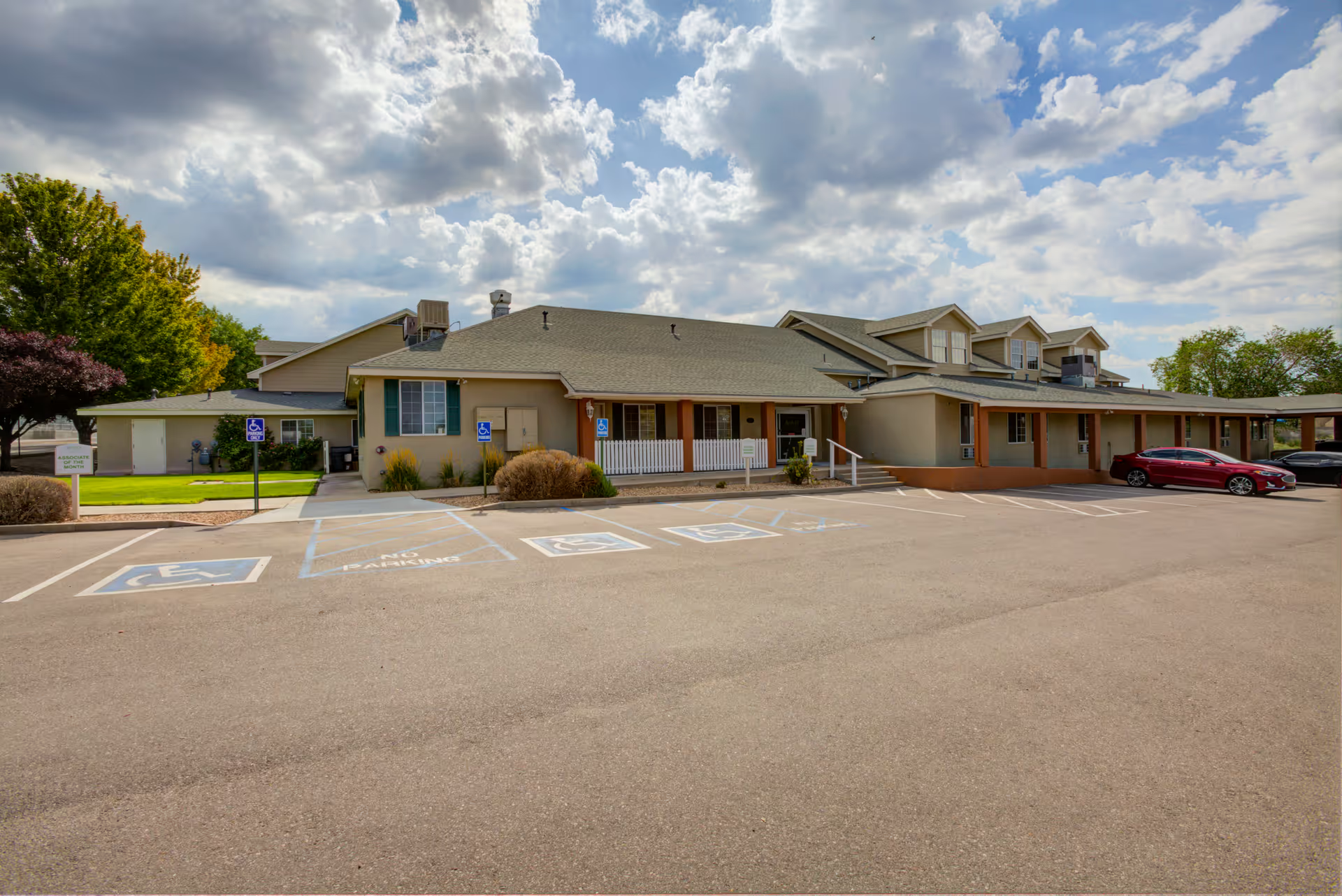
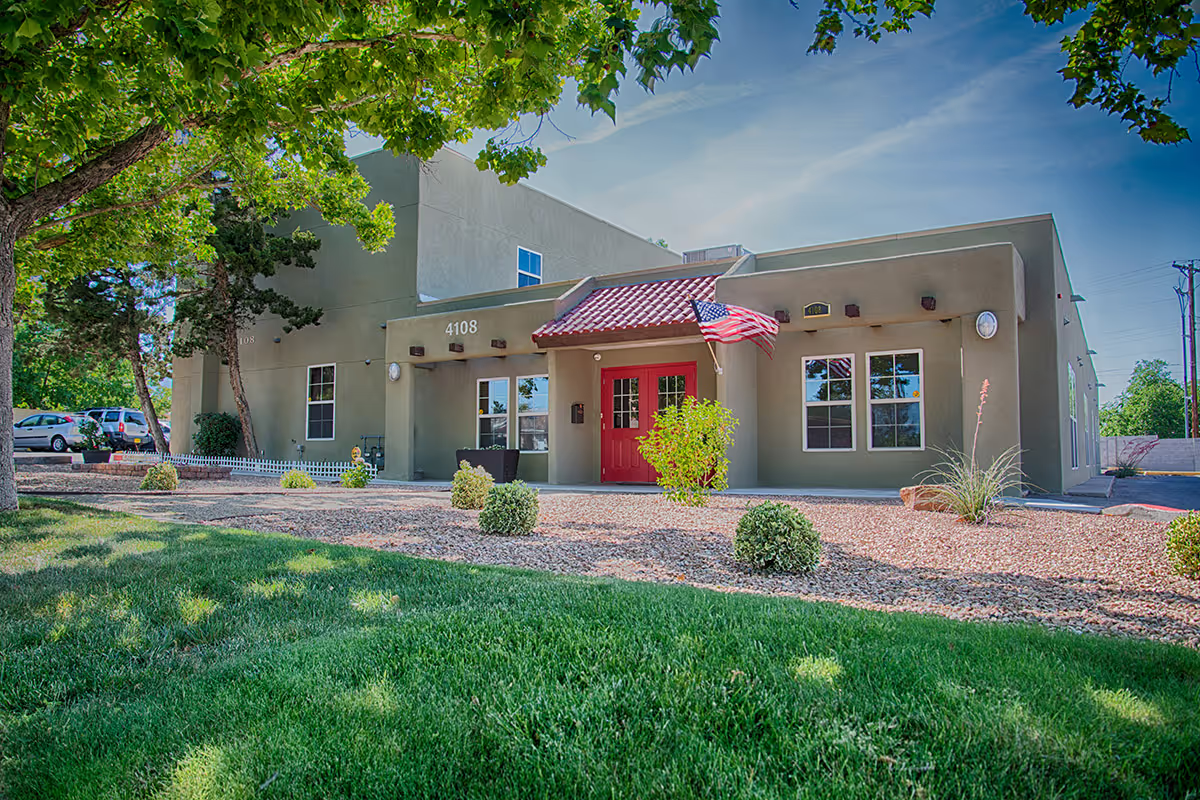
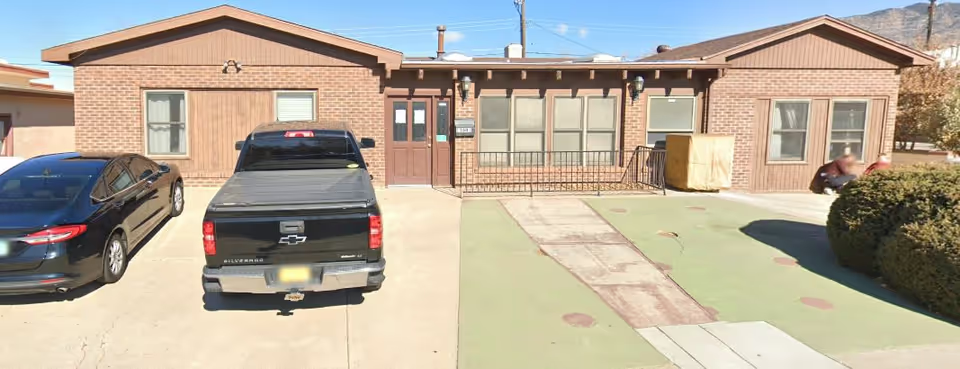
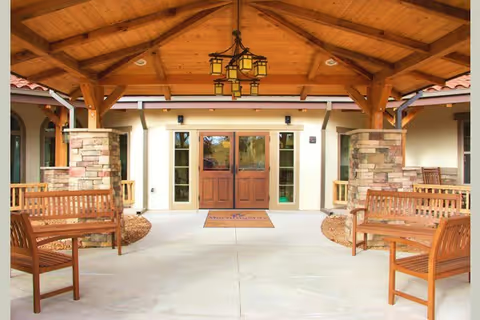
Facilities and maintenance: The physical plant combines well‑kept landscaping and attractive communal spaces with areas that some reviewers find dated. Units are praised for accessible layouts, patios/balconies and ample closet space, while maintenance issues (faulty fixtures, grab bars needing replacement, door weatherstripping, limited elevators, and handicapped‑parking constraints) are recurrent operational complaints. Maintenance staff receive positive mention when responsive, though turnover among maintenance personnel has been noted as disruptive.
Management, safety, and policies: Management impressions vary. Some reviewers credit recent managers with positive change, better communication and problem resolution; others point to leadership instability, office‑coverage gaps, and inconsistent responsiveness. Serious safety and security concerns appear in isolated but notable accounts — including allegations of theft and dissatisfaction with how incidents were handled — which reviewers say were compounded by limited facility involvement with law enforcement or slow family communication. Contract and billing issues (deposit splits, next‑month rent charges during relocation) and limited front‑desk hours are additional operational patterns families should verify before moving.
Notable patterns and guidance for families: Overall, Bear Canyon Estates appears to be a strong fit for cognitively independent residents who prioritize social programming, on‑site amenities and a community atmosphere. Prospective residents who need regular clinical care, overnight assistance, or guaranteed continuity of meal and housekeeping service should clarify those capabilities and written policies in advance. Families should also ask specific questions about incident reporting, security protocols, staffing ratios, dining‑service hours, and contract/billing practices to assess alignment with individual care needs and expectations.