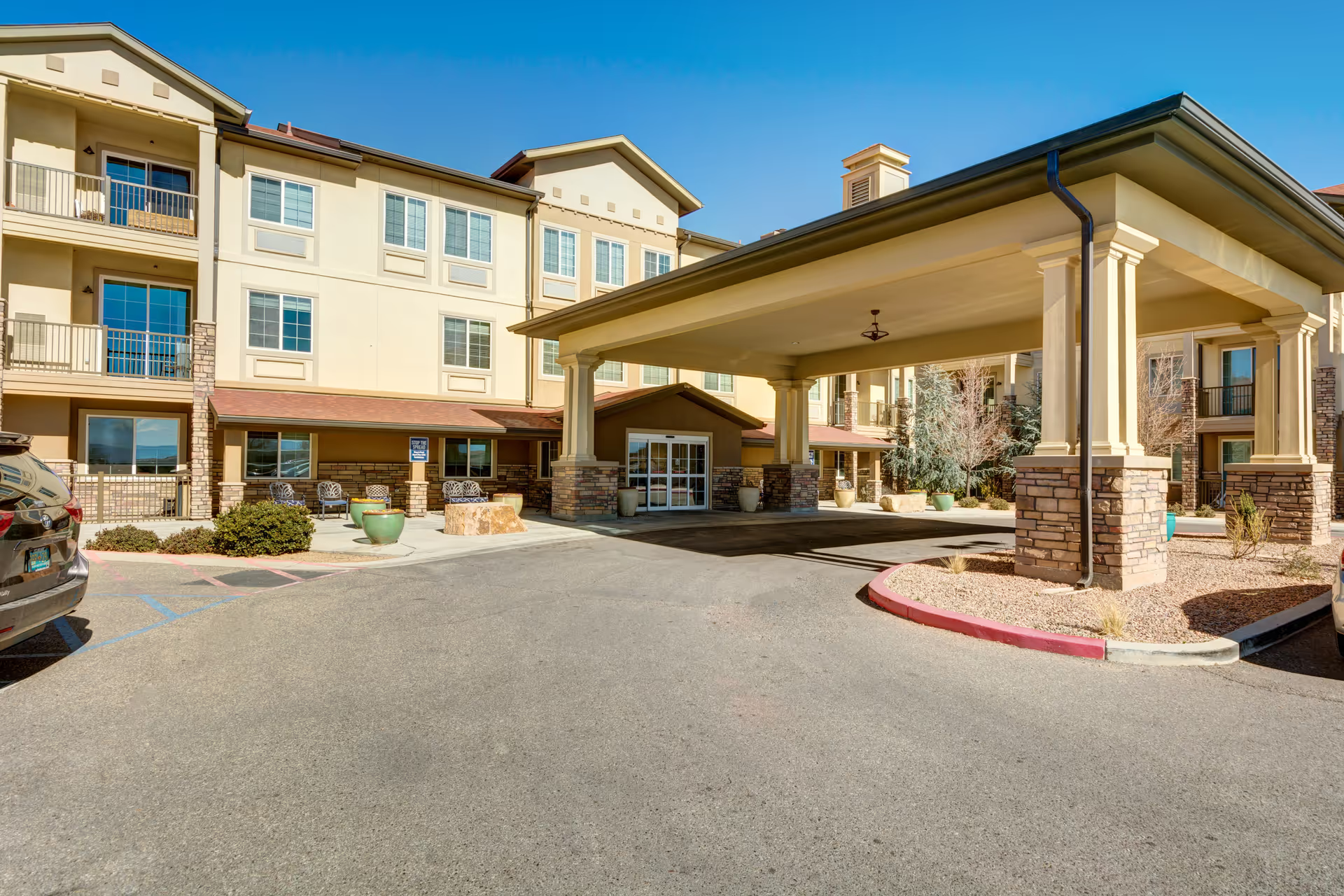
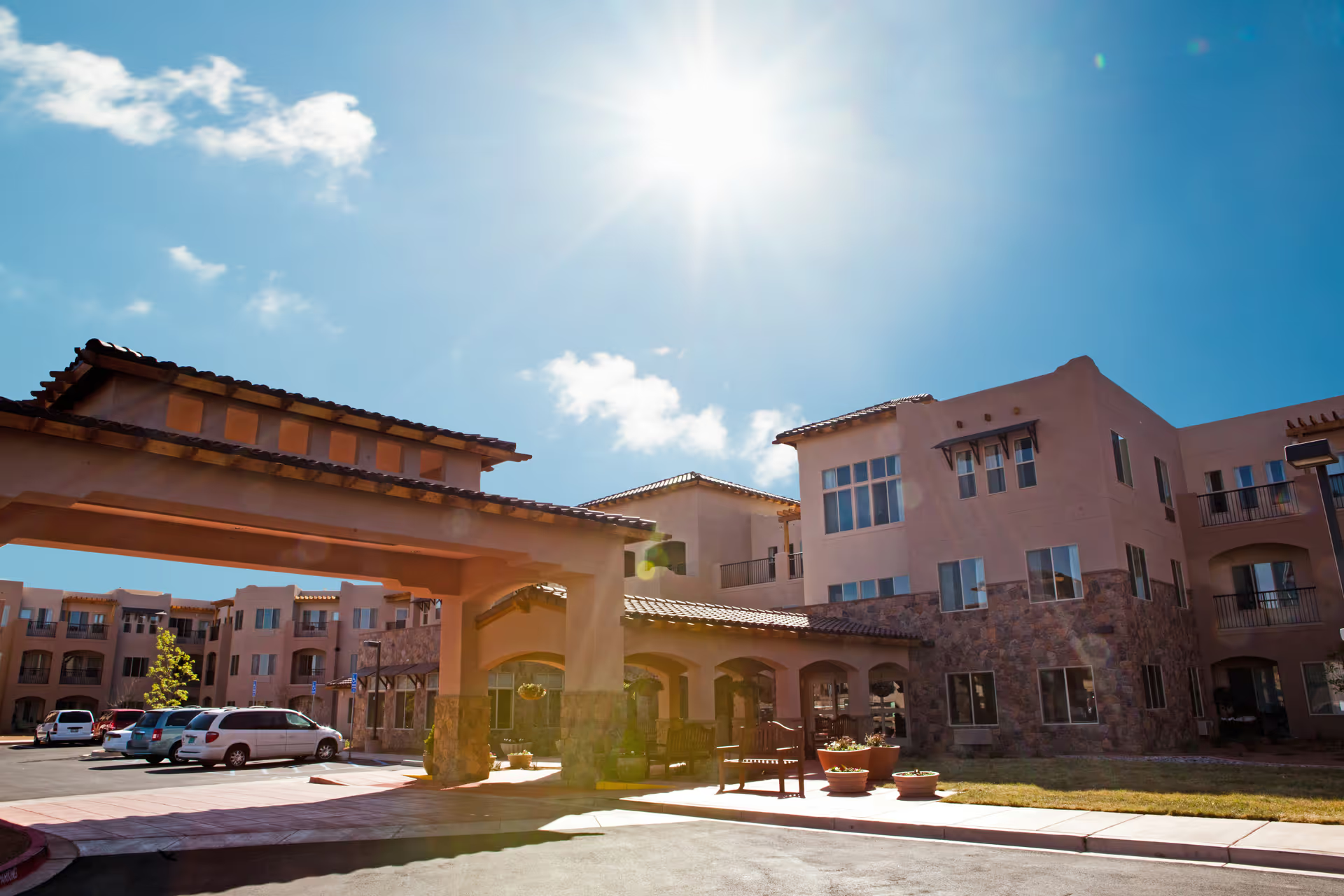
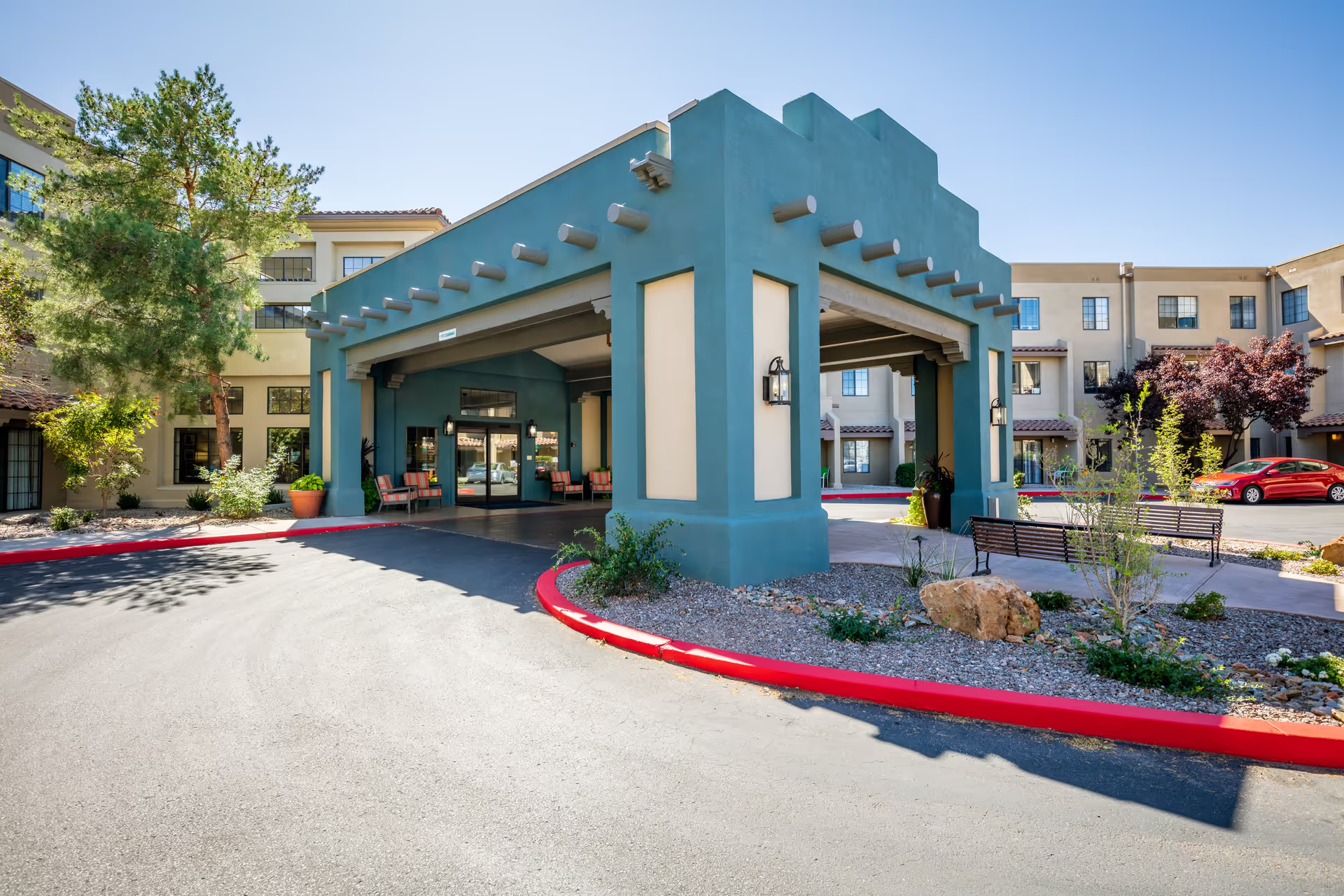
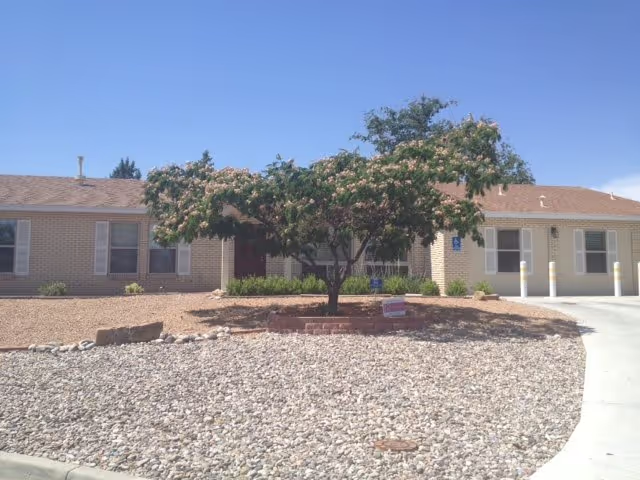
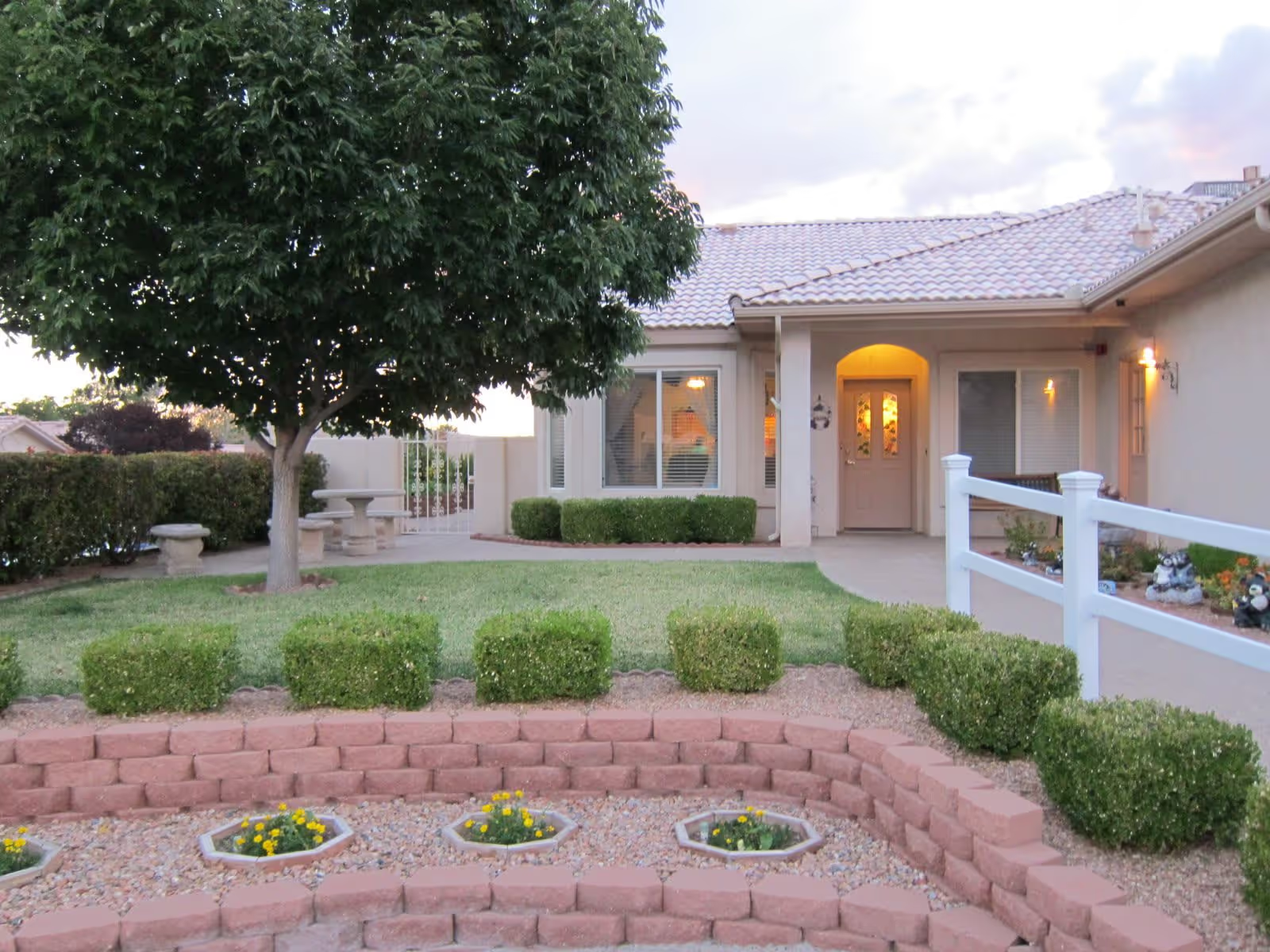
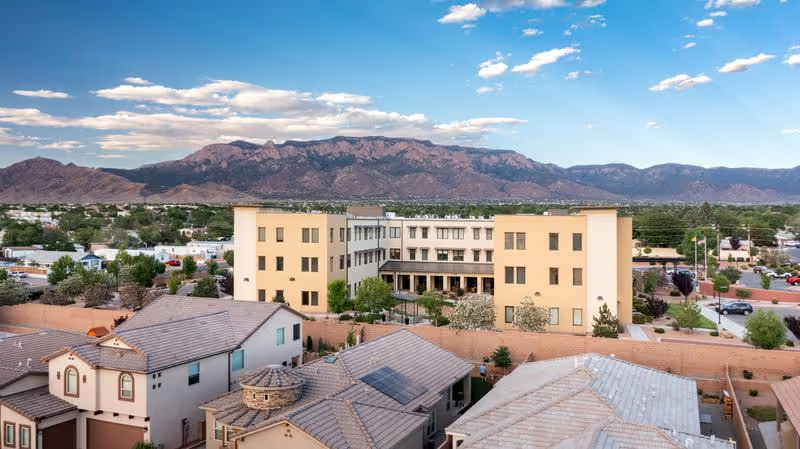
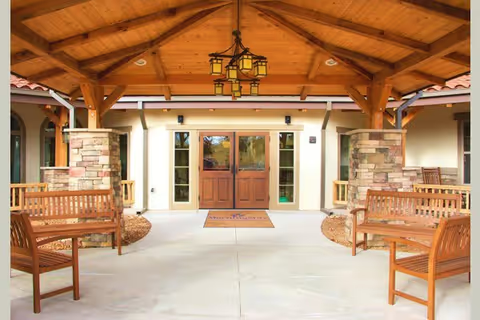
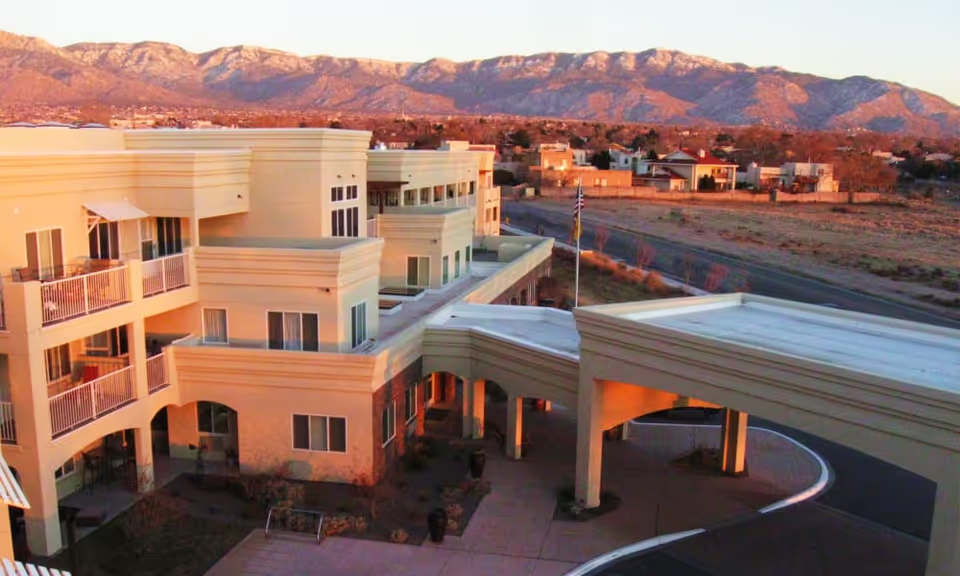
Overall impression Fountain Hill Assisted Living is described as a new, well-maintained, and thoughtfully designed facility with a strong emphasis on a home-like atmosphere. Reviewers consistently highlight the bright, airy architecture, clean common areas, and in-room amenities such as private bathrooms and closets. The physical environment includes features valued by families and residents—an inside courtyard, vaulted ceilings, a standalone dining room, and social elements like a grand piano—which contribute to an inviting setting.
Care and staff Care quality is a prominent positive. Families describe caregivers and nurses as kind, skilled, and attentive, with around-the-clock nursing coverage noted. Staff are credited with personalized attention—learning individual preferences, supporting nutrition and hydration, and facilitating friendships and adjustment. The facility also accommodates hospice and end-of-life needs and has been described as supportive during those transitions. Management and leadership receive favorable mentions for being calm, reassuring, and helpful during moves and care planning.
Dining and nutrition Dining is repeatedly identified as a strength. The dining room is characterized as pleasant and home-like, chefs are described as knowing residents’ preferences, and the menu includes nutritious options with vegetarian accommodations. Food quality and dining atmosphere are cited as contributors to resident satisfaction and health improvement.
Activities and social life There are active social opportunities and a friendly culture: residents make connections, play or listen to piano, and participate in family events. At the same time, activity programming appears modest in frequency for some residents—one to two afternoon activities was noted—so activity fit and engagement can vary by individual. Families with particular social or engagement goals should ask about personalization and the weekly activity schedule.
Operational observations and areas for inquiry While the overall tone is highly positive, reviewers mention a few operational issues to be aware of. There are instances that point to gaps in tracking and handling of personal belongings, which suggests that prospective residents and families should clarify property-handling procedures. A small number of comments indicate intermittent communication or care-coordination lapses during specific events, and the facility’s ongoing growth means some processes may still be maturing.
Bottom line Fountain Hill presents as a modern, resident-focused assisted living community with strong caregiving, good clinical coverage, appealing dining, and an inviting physical environment. For families considering the community, recommended follow-up questions include how personal belongings are tracked and returned, details of the weekly activity calendar and options for individualized engagement, and how communication and care coordination are managed during transitions or clinical changes.