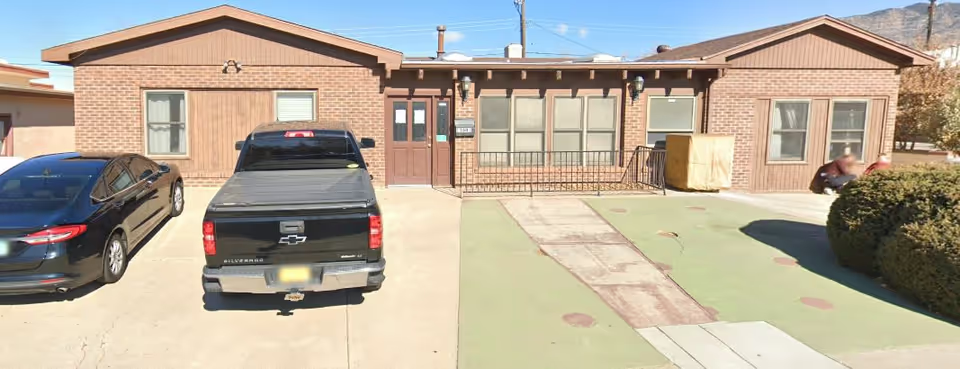
Overview: Reviewers describe a facility that is consistently clean, intimate in scale, and run with visible owner/leadership involvement. Many families appreciated the small, home-like setting, a well-kept outdoor area, assistance during move-in, and a generally accommodating staff and management team. The community appears to be price-competitive and pet-friendly, making it a fit for residents seeking a quieter, lower-acuity environment with personalized attention.
Care and staff: Feedback about caregiving and staff behavior is mixed. Several accounts praise friendly, helpful staff and prompt responses from leadership when issues arise; the director and owner are noted as personally involved and accessible. However, other accounts describe episodes that raise concerns about staff conduct, communication tone, and reliability. Taken together, these suggest inconsistent professional standards and uneven supervision — strengths in individualized attention coexist with occasional lapses in conduct and follow-through. Families should verify staffing ratios, supervision practices, training, and background-check procedures when evaluating fit.
Dining and activities: Meals are described as basic and adequate rather than varied or highly engaging; a limited menu and fewer organized activities were mentioned. The community appears to attract more introverted residents and offers a quiet environment, which may suit those who prefer low stimulation but could lead to boredom or loneliness for residents seeking more social programming. Prospective residents should ask for sample menus and a current activities calendar to ensure the offerings match their expectations.
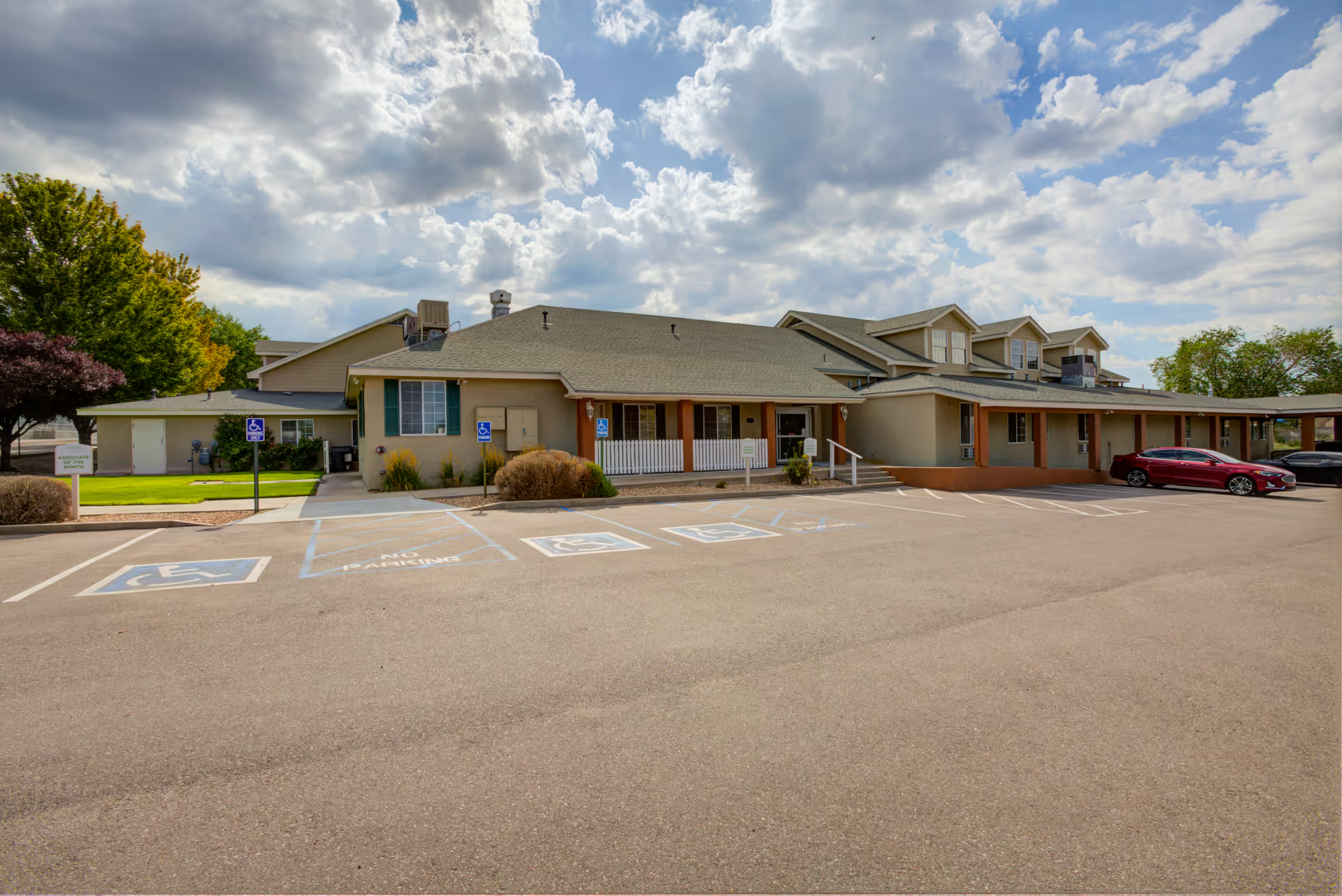
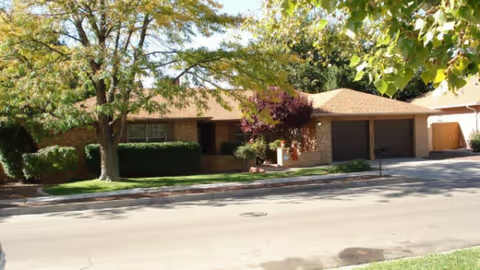
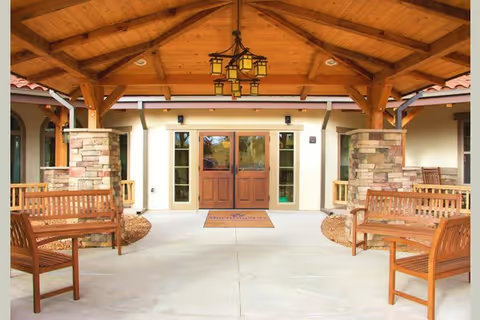
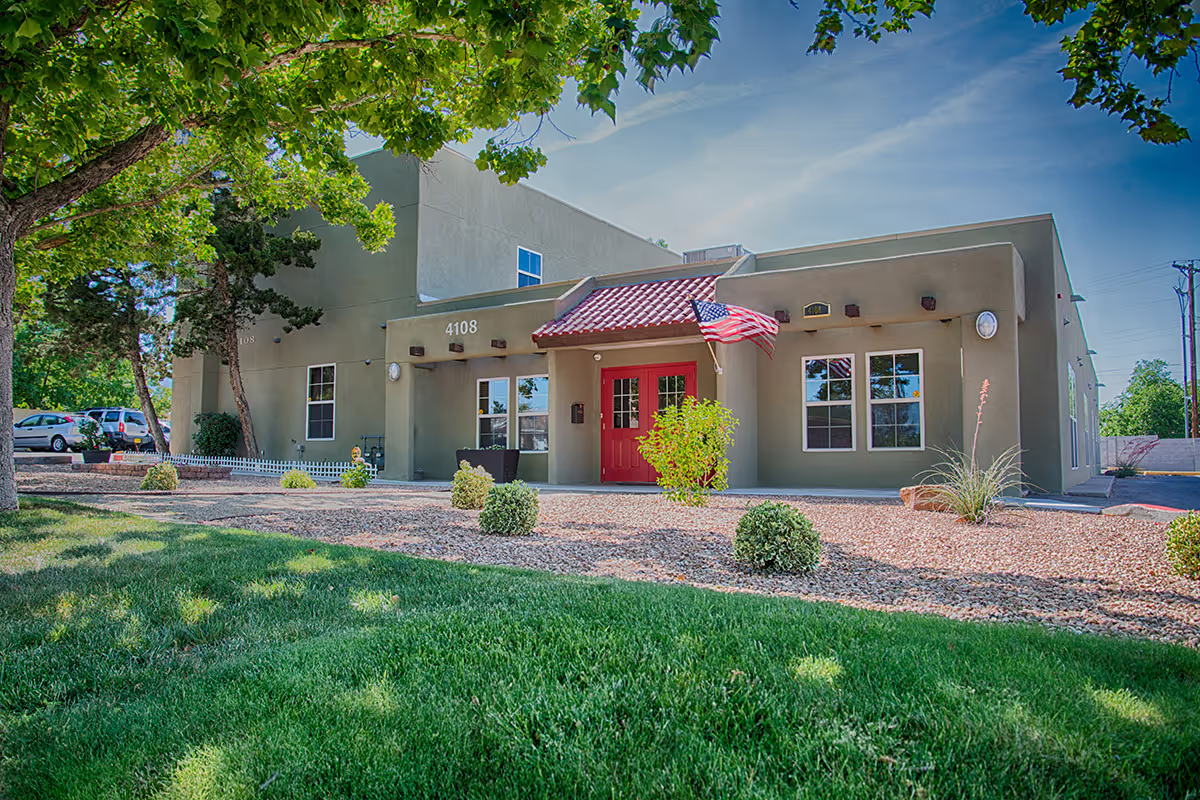
Facilities and capacity: The physical environment is frequently described as clean and well-maintained, with an appealing backyard and acceptable parking and laundry services. The community’s small capacity (noted as roughly six to seven residents in some accounts) creates a close-knit atmosphere but also constrains space and may feel cramped for some. This limited size can be a benefit for individualized attention but means the facility may not be appropriate for residents who require higher-acuity medical or memory-care services.
Management and notable patterns: Management is generally viewed as responsive and accessible; several reviewers describe prompt resolution when issues are raised and a hands-on leadership presence. At the same time, recurring themes include inconsistent staff professionalism and occasional gaps in supervision—operational traits that families should probe. The overall pattern indicates a facility that performs well for lower-dependency residents who value cleanliness, personal relationships, and a quiet setting, but that may not meet expectations for families seeking robust activity programming, diverse dining options, or higher-level clinical care.
Recommendation: When assessing this community, observe staff–resident interactions during a tour, request current staffing schedules and turnover information, review training and supervision practices, and ask for written details about activity programming and meal planning. For residents with increasing medical needs or who require frequent engagement, consider whether the facility’s capacity and program offerings align with those needs before committing.