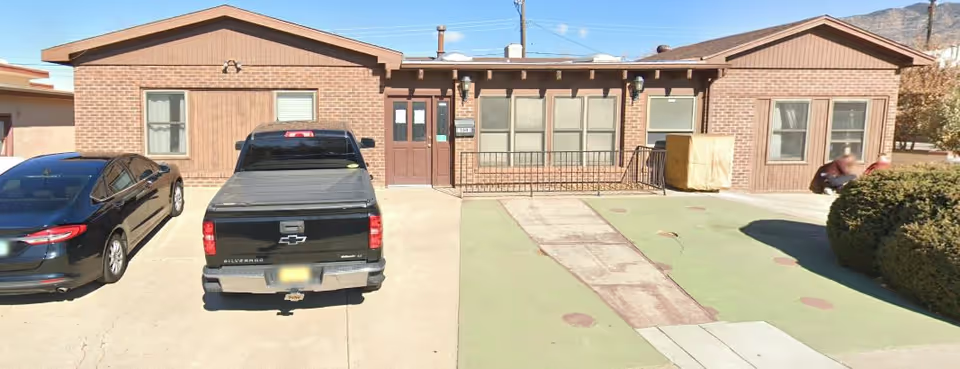
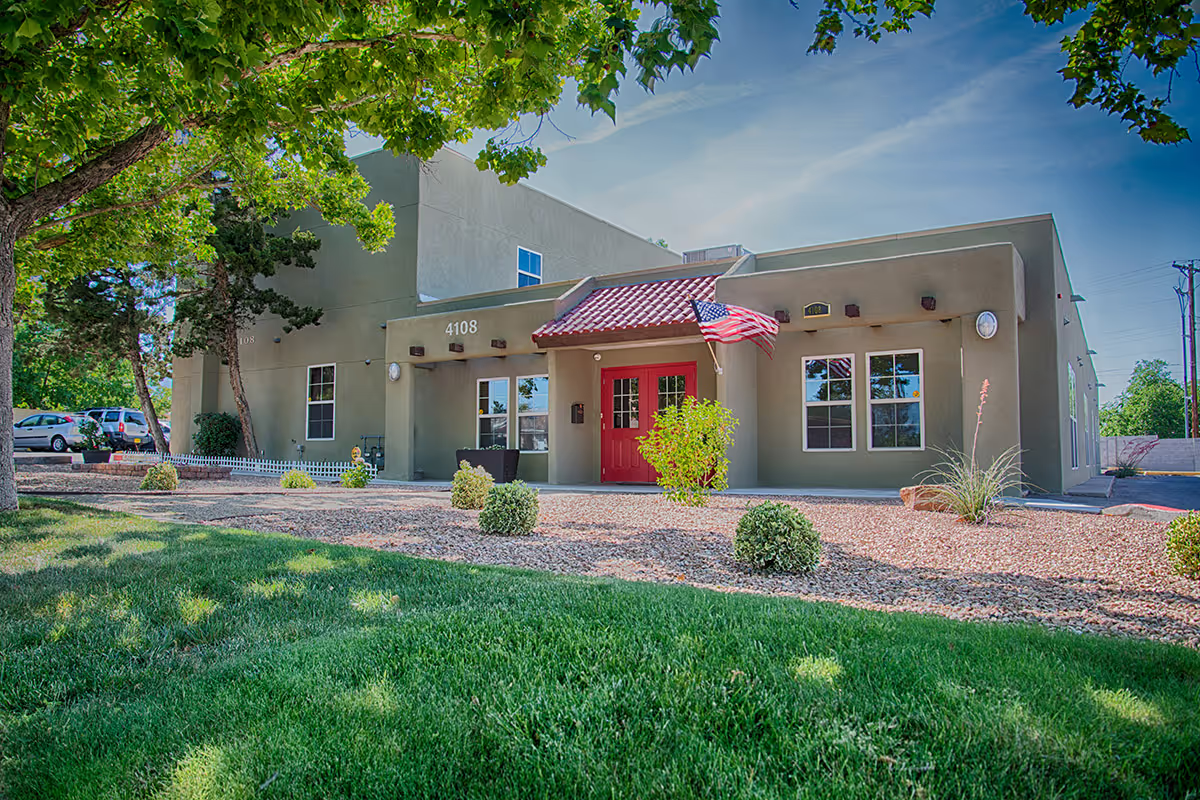
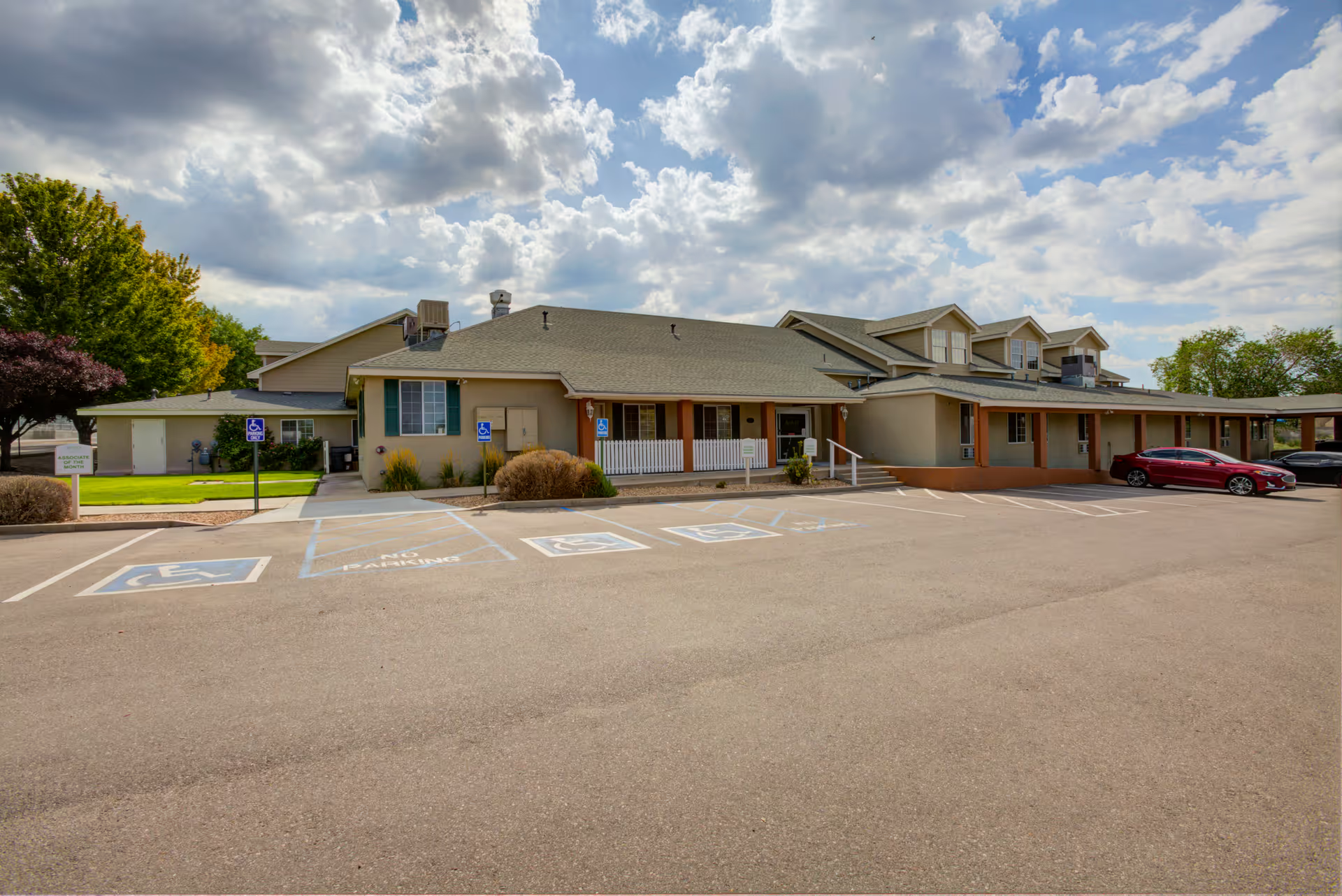
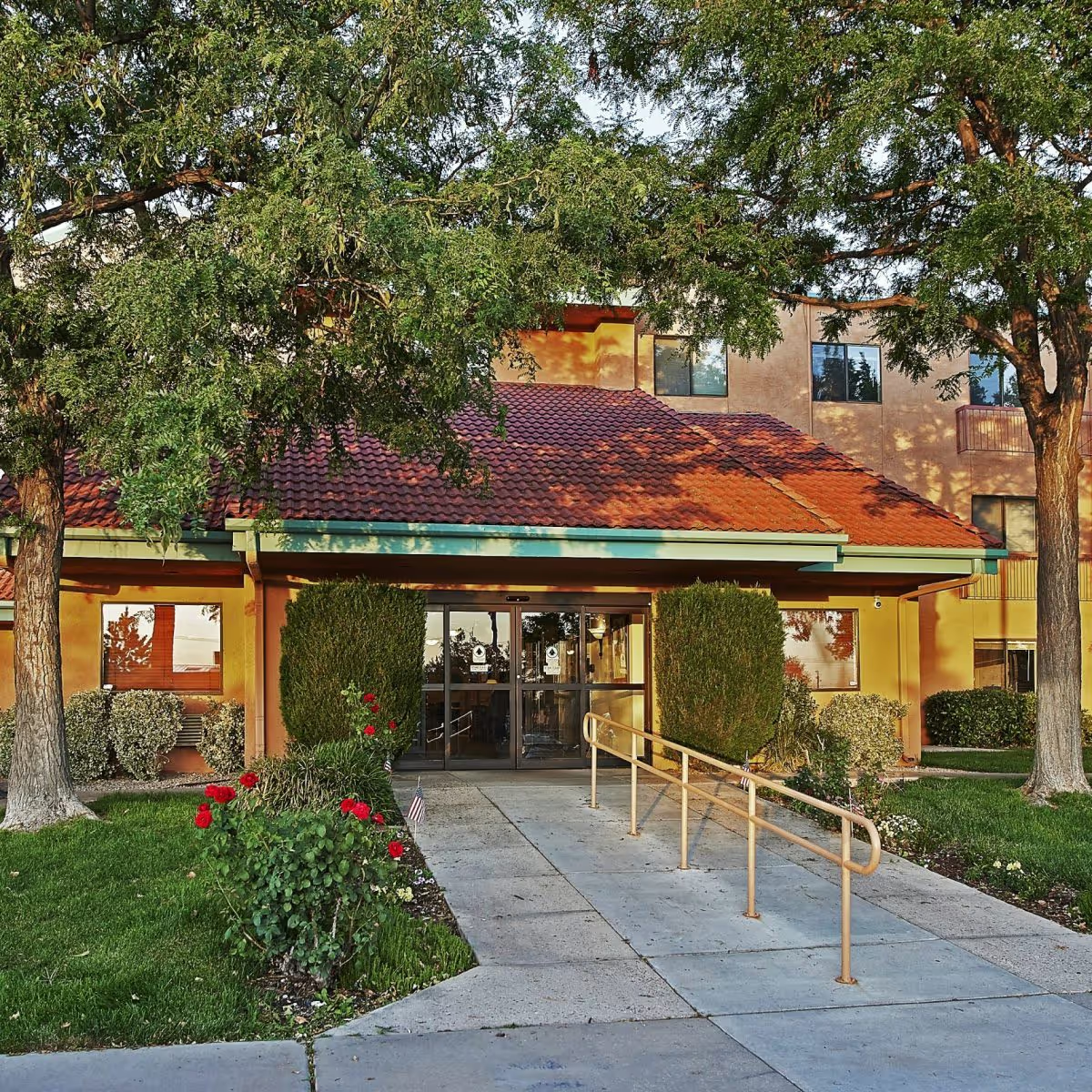
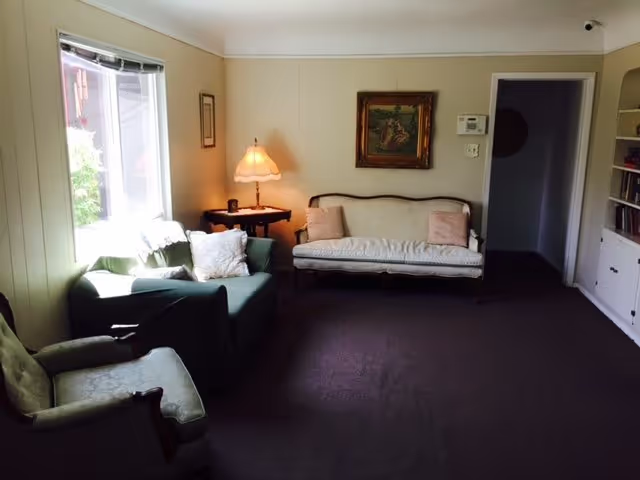
The review set describes a facility with markedly mixed performance: many families and clinicians praised individual caregivers and therapy teams, while others documented repeated operational shortcomings. Strengths are concentrated in direct-care interactions and rehabilitation. Multiple accounts highlight compassionate nurses, attentive CNAs, and therapy staff who helped residents regain function after surgery or illness. Social work and admissions personnel are frequently described as helpful and professional, and parts of the building and certain units are noted as clean, welcoming, and well maintained. The dementia unit, in particular, is described by some reviewers as safe and visually engaging.
However, persistent operational patterns also emerge. Staffing appears inconsistent by shift and day of week, which reviewers linked to slow or unreliable responses to call lights and requests. Several accounts indicate variability in medication administration and documentation; some describe delayed or missed doses and communication gaps around medication status. Cleanliness and sanitation are uneven across rooms, bathrooms and communal spaces, and there are repeated pest-control concerns associated with dining and common areas. Dining service quality is inconsistent — examples include cold or lukewarm meals, limited menu options, occasional shortages of advertised items, and inconsistent provision of beverages during meals.
Personal-care processes and property management are other areas of concern. Reviewers described delays or inconsistencies in bathing and hygiene assistance, problems with laundry and lost belongings, and crowded shared rooms that limit privacy. The facility's infrastructure shows signs of aging in places: reports reference damaged furniture, dated rooms, and maintenance items needing attention, which together suggest an ongoing need for capital upkeep. Memory-care and psychiatric units are singled out for gaps in specialized clinical oversight and documentation practices. Finally, families noted variability in administrative communication, occasional billing questions, parking constraints for visitors, and limited weekend therapy availability.
For prospective residents and families: experiences appear highly unit- and shift-dependent. Positive outcomes are most likely when residents receive consistent therapy and encounter engaged therapists, nurses and aides; negative experiences are most associated with periods of low staffing, inconsistent housekeeping, and breakdowns in dining or medication processes. During a tour or intake discussion, consider asking about current staffing ratios by shift, call-bell response protocols, medication-administration safeguards and audit practices, pest-control schedules, laundry and property-loss policies, dementia-unit staffing and training, and weekend therapy availability. Note that a small number of reviews include serious allegations related to medication events and hospital readmission; those accounts warrant direct inquiry with facility leadership and review of incident documentation where available.
In summary, Sandia Ridge presents mixed signals: it has clear clinical and rehabilitative strengths when core staff are present and engaged, but persistent operational weaknesses—particularly around staffing consistency, sanitation control, dining continuity, personal-care routines, and administrative communication—should be evaluated carefully by families considering placement.