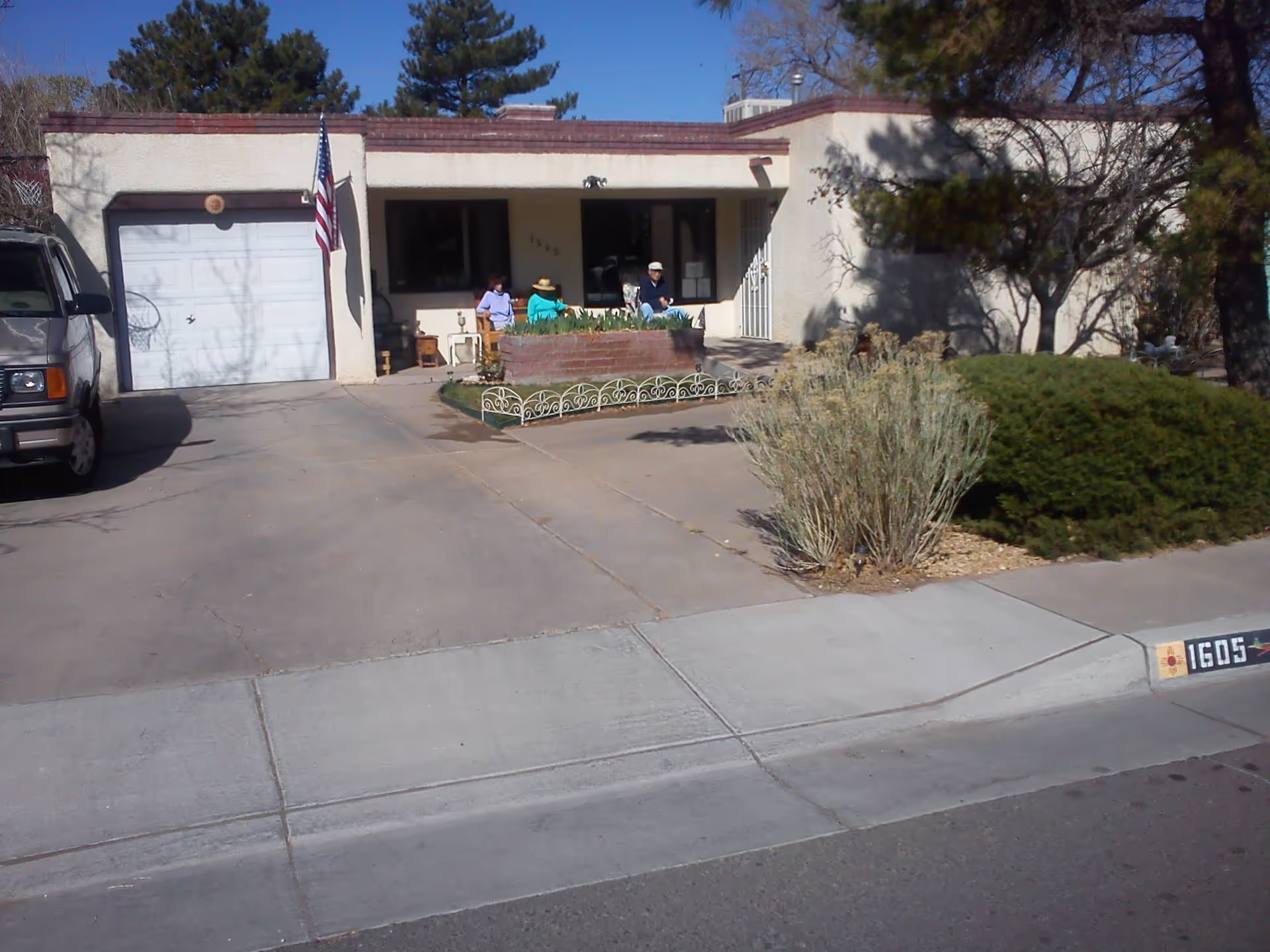
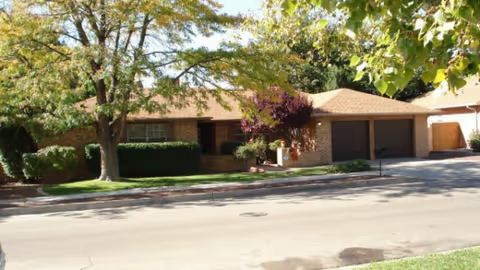
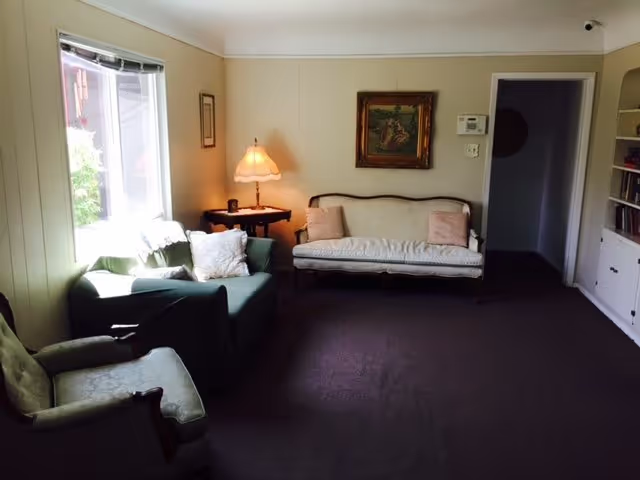
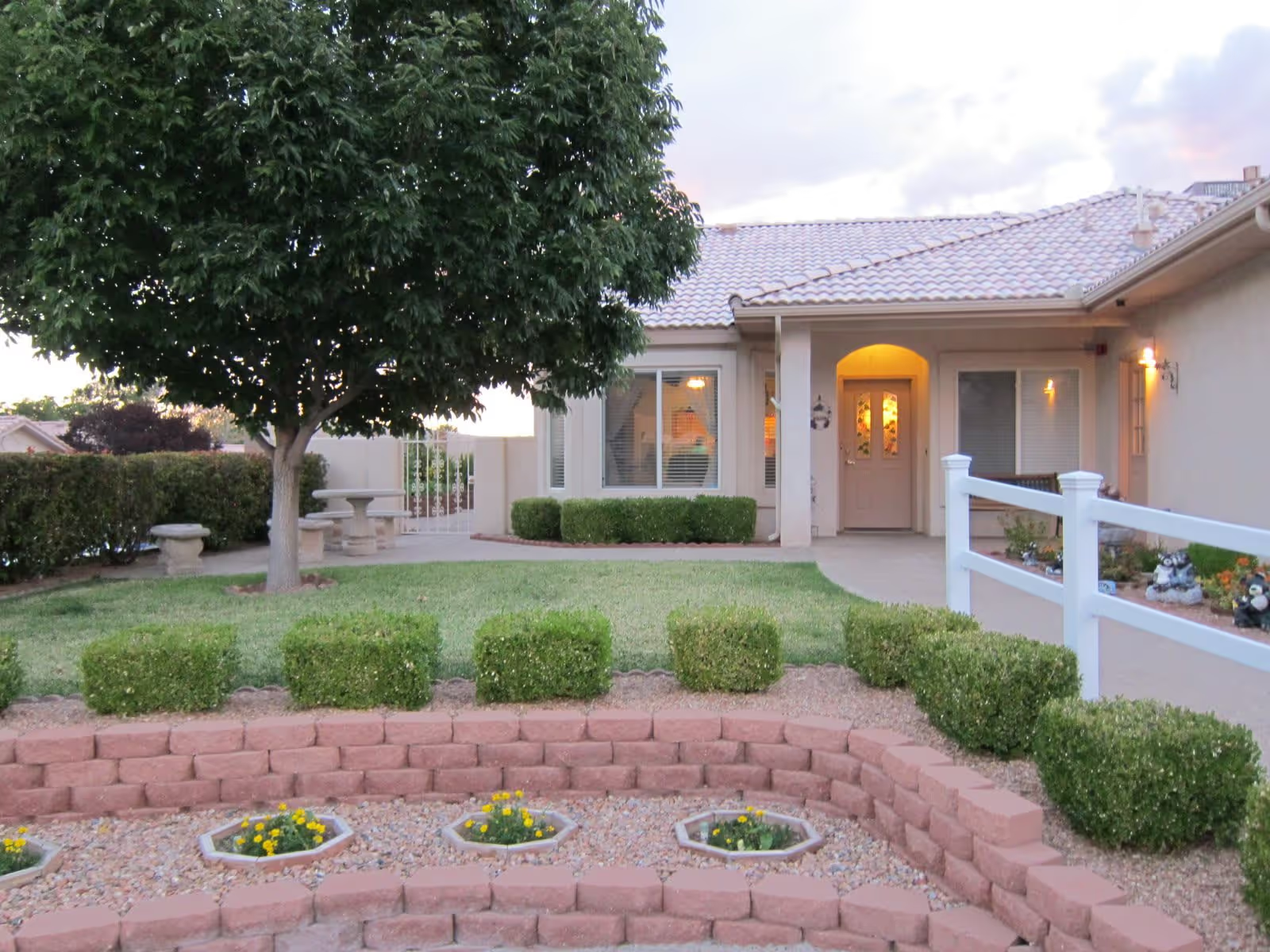
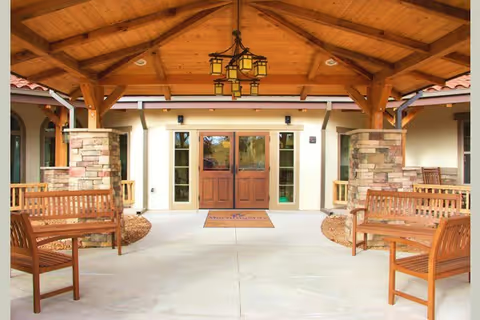
The reviews for Tender Heart Assisted Living present a mixed picture, with a cluster of consistent positives alongside several significant operational concerns. Many accounts emphasize rapid admission, Medicaid acceptance, a small family-style atmosphere, and attentive, hands-on caregiving. Multiple reviewers described a clean, odor-free interior, mostly single-occupancy rooms, accessible bathing options, daily meals (including positive holiday meals), outdoor common areas, and instances of end-of-life support and bereavement assistance. These elements suggest the facility can provide a homelike environment with personal attention and basic clinical support for residents who need mobility assistance and close supervision.
Care and staff: Care-quality impressions are polarized. Numerous comments praise individual caregivers and owners as professional, patient, and compassionate, with examples of symptom recovery support and attentive final-days care. At the same time, other accounts raise concerns about staff conduct and responsiveness; these describe inconsistent professionalism and tone in staff–family interactions. The aggregate indicates variability in staff performance and interpersonal communication, meaning experiences may depend heavily on specific caregivers or shifts.
Dining and activities: Dining is generally provided daily and reviewers pointed to pleasant communal meals (including a positive holiday meal), but some noted a tendency toward carbohydrate-heavy menus and uneven nutritional balance. The facility offers communal spaces and outdoor patio areas that support socialization — reviewers mentioned friendships formed in common rooms and regular movement of residents to shared areas, which can be beneficial for engagement and mobility.
Facilities and safety: Several reviewers commended the cleanliness and overall home-like feel of the building; accessible bathing arrangements and mostly single rooms were highlighted as positives. However, there are substantive operational concerns relating to pest-control practices and to safety/regulatory compliance: at least one account references health-department inspection issues, and others describe unresolved pest-control problems. These items point to gaps in environmental maintenance and oversight that warrant careful inquiry by prospective families.
Management and communication: Reports about management are mixed. Some families described owners as understanding and involved, while others described defensive or discourteous responses to complaints. There are indications of weak complaint-resolution processes and limited transparency around serious incidents; an allegation involving staff conduct resulted in outside protective-services involvement in one instance. In addition, some families experienced restricted or contested visitation and disagreed with facility decisions at end of life, suggesting that visitation policies and family communication practices may be inconsistent.
Notable patterns and guidance: The overall pattern is one of unevenness — strong, individualized care and a home-like environment in some cases, contrasted with operational and oversight vulnerabilities in others. Prospective residents and families should verify current regulatory status, inquire specifically about pest-control protocols, staffing ratios, supervision and training, incident reporting practices, visitation policies, and menu planning. Visiting the facility during multiple times of day, meeting care staff and management, and asking for recent inspection reports will help assess whether Tender Heart’s strengths align with a particular resident’s needs and whether the facility's operational weaknesses have been adequately addressed.