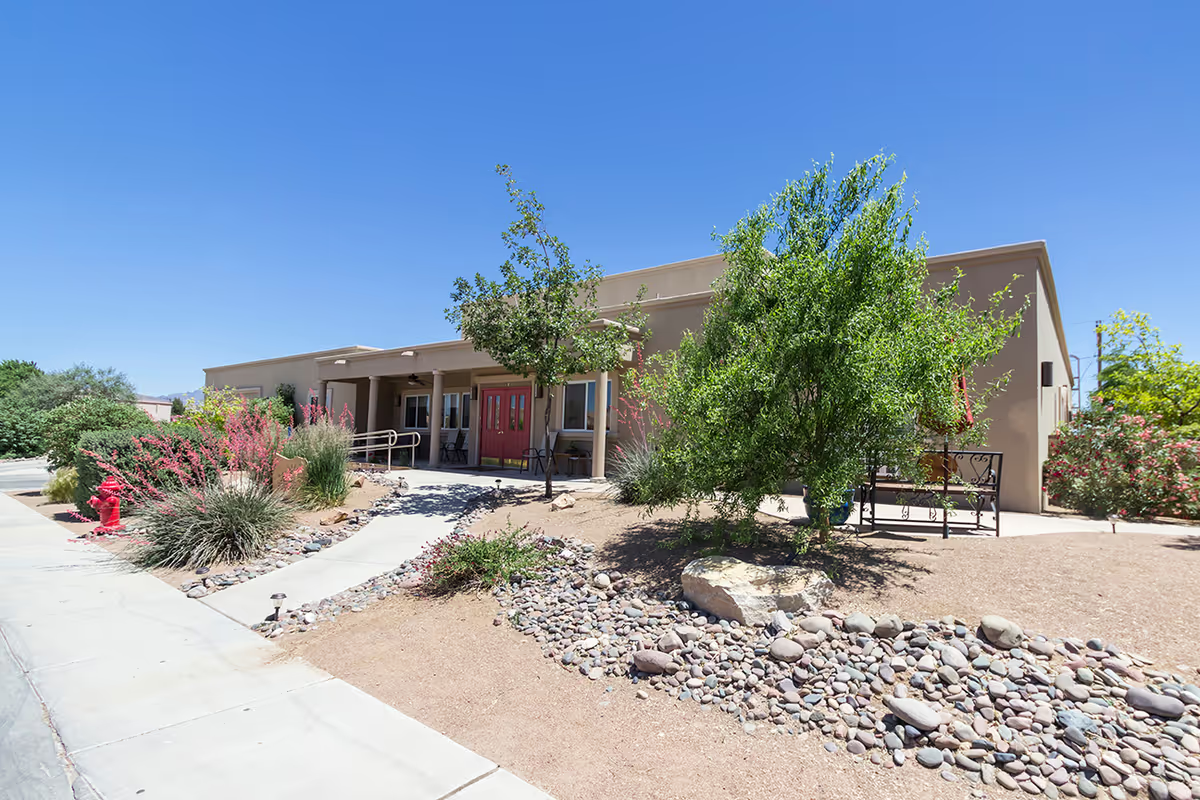
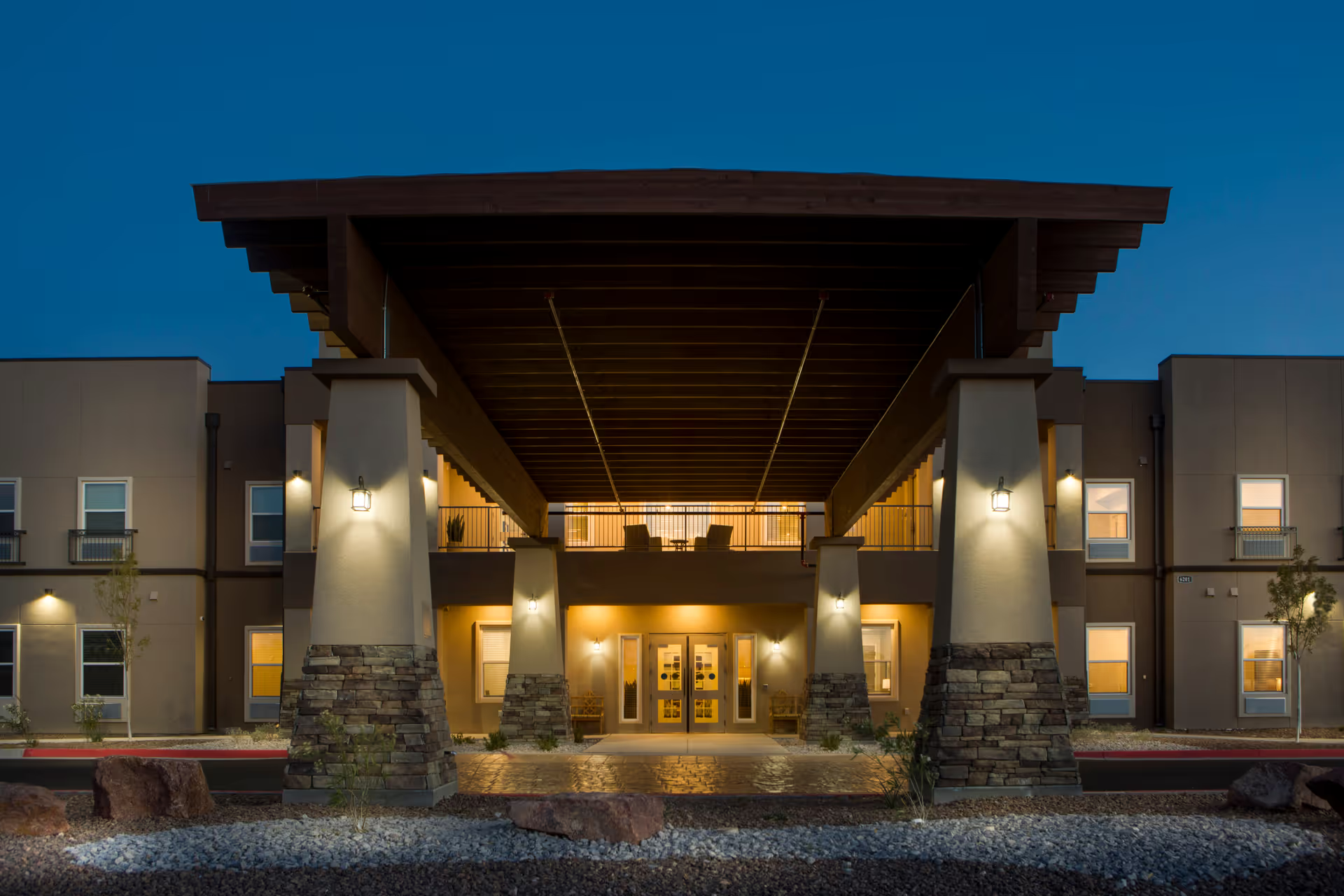
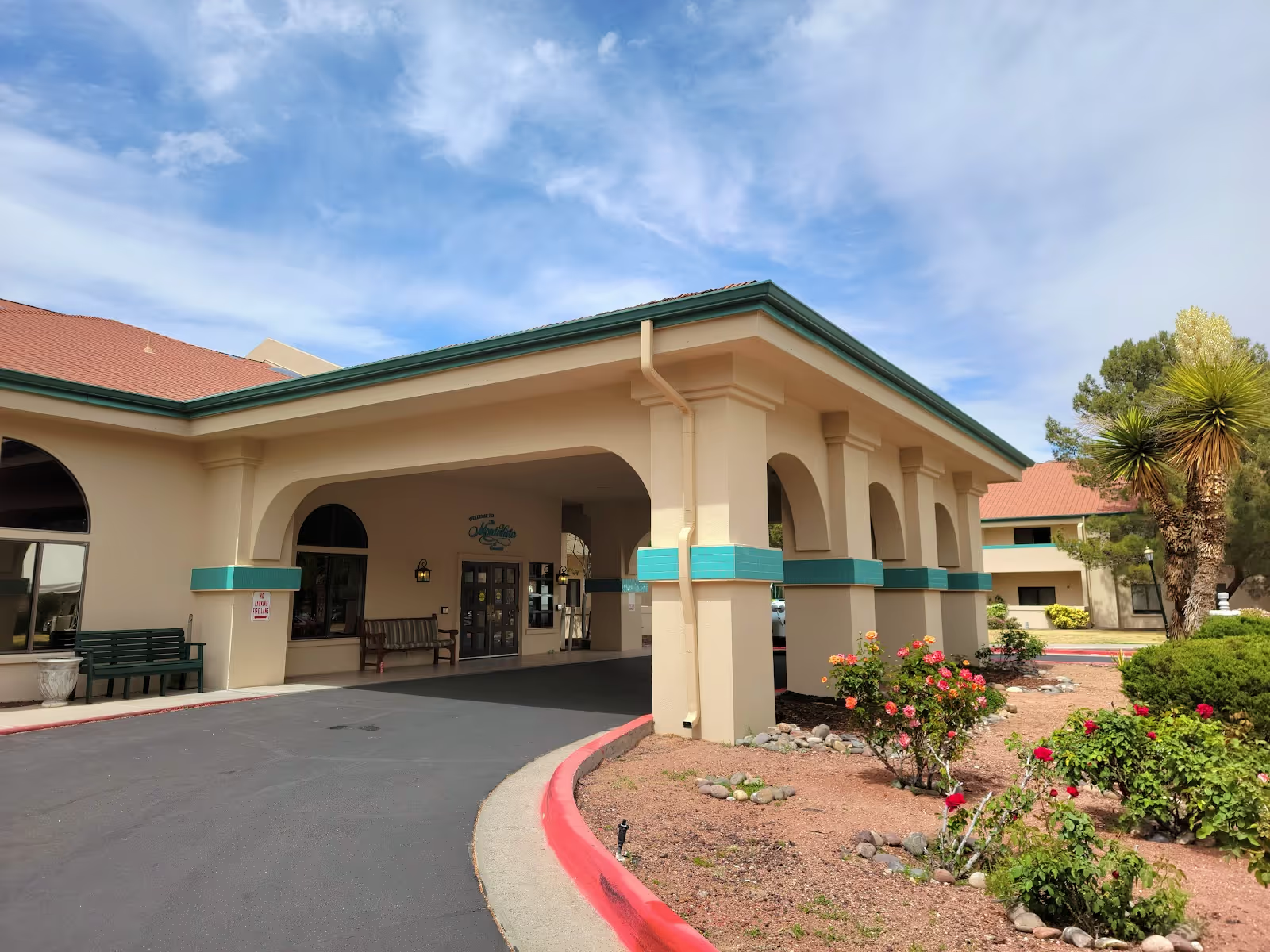
Blue Horizon Assisted Living elicits strongly mixed impressions. Many families and residents describe a warm, home-like environment where caregiving staff are compassionate, attentive, and willing to provide personalized support — including hands-on assistance at meals, coordinated care with external caregivers, and emotional engagement such as laughter, hugs, and familiar interaction styles. Several accounts highlight smooth admission experiences, effective medication adjustments, and clinical improvements (for example, increased appetite and better oxygenation) for particular residents. The facility is frequently praised for cleanliness and fresh linens, and for offering activities, gifts, and freedom of movement that contribute to a family-like atmosphere. Cost is also noted as a comparative advantage versus some alternatives.
However, there is notable variability in operational consistency. A number of families reported instances of slow responses to needs, limited relationship-building by certain staff members, and staff spending time on personal devices or engaged in noncare conversations — patterns that indicate inconsistent professionalism and potential understaffing. Communication channels also show gaps: while some families receive regular updates (Lexie-style communication) and praise management's responsiveness, others experienced problems with the facility’s phone/answering service and message handling. These inconsistencies extend to dining and activities, where reports range from "delicious meals" and active programming to descriptions of poor food quality and absent organized activities.
Facility and safety concerns were raised regarding maintenance and security. Reviewers cited aging furnishings and infrastructure issues such as roof leaks and malfunctioning interior or exterior lighting, and expressed unease about perimeter safety during nighttime hours. There is also a pattern suggesting limited differentiation of residents by acuity level, which may affect placement decisions for those with higher care needs. Finally, several families described frustration with how negative feedback or complaints were handled; concerns about transparency in the facility’s feedback and complaint processes were prominent among critical reviewers.
In sum, Blue Horizon offers clear strengths in person-centered caregiving, cleanliness, and a welcoming atmosphere that can support mild–moderate dementia and other needs. Prospective residents and families should weigh those strengths against the variability in staff responsiveness, communication systems, activity consistency, and some facility-maintenance and security issues. Visiting at different times of day, asking about staffing levels and complaint-handling procedures, and confirming how the facility differentiates levels of care will help families assess whether the facility’s operational practices align with their expectations and clinical needs.