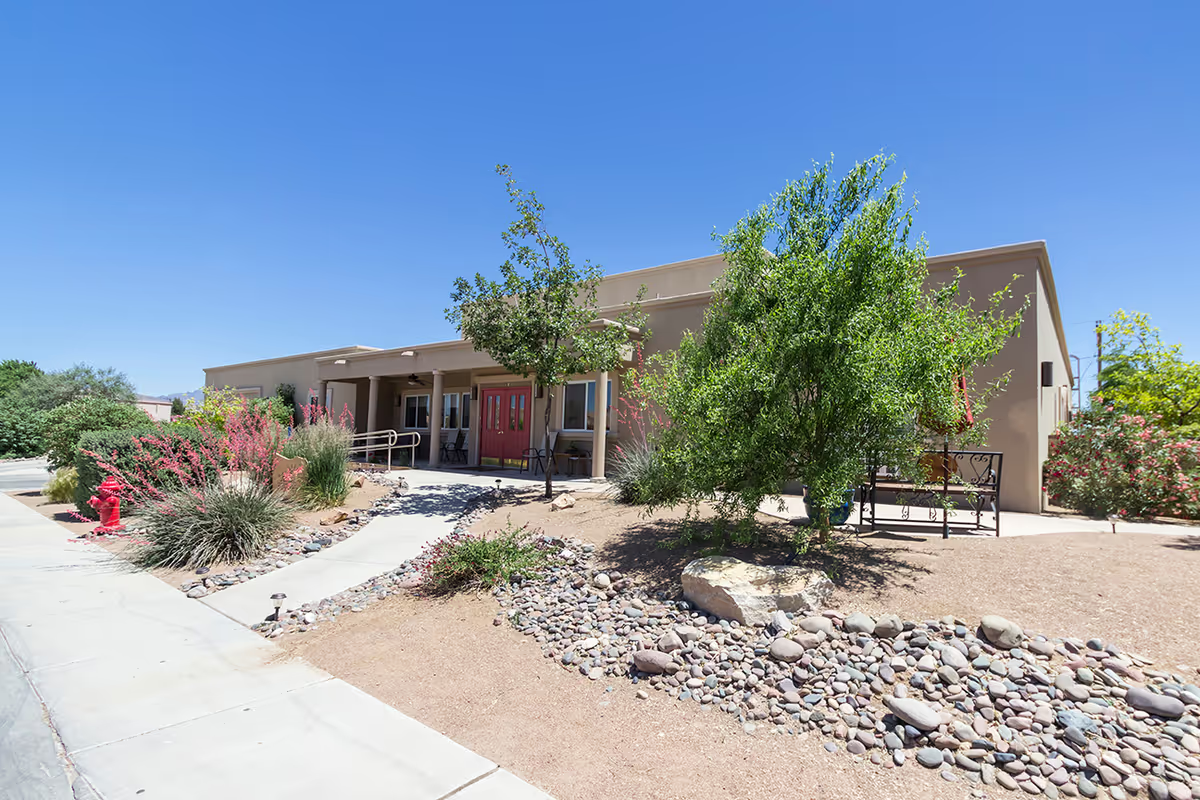
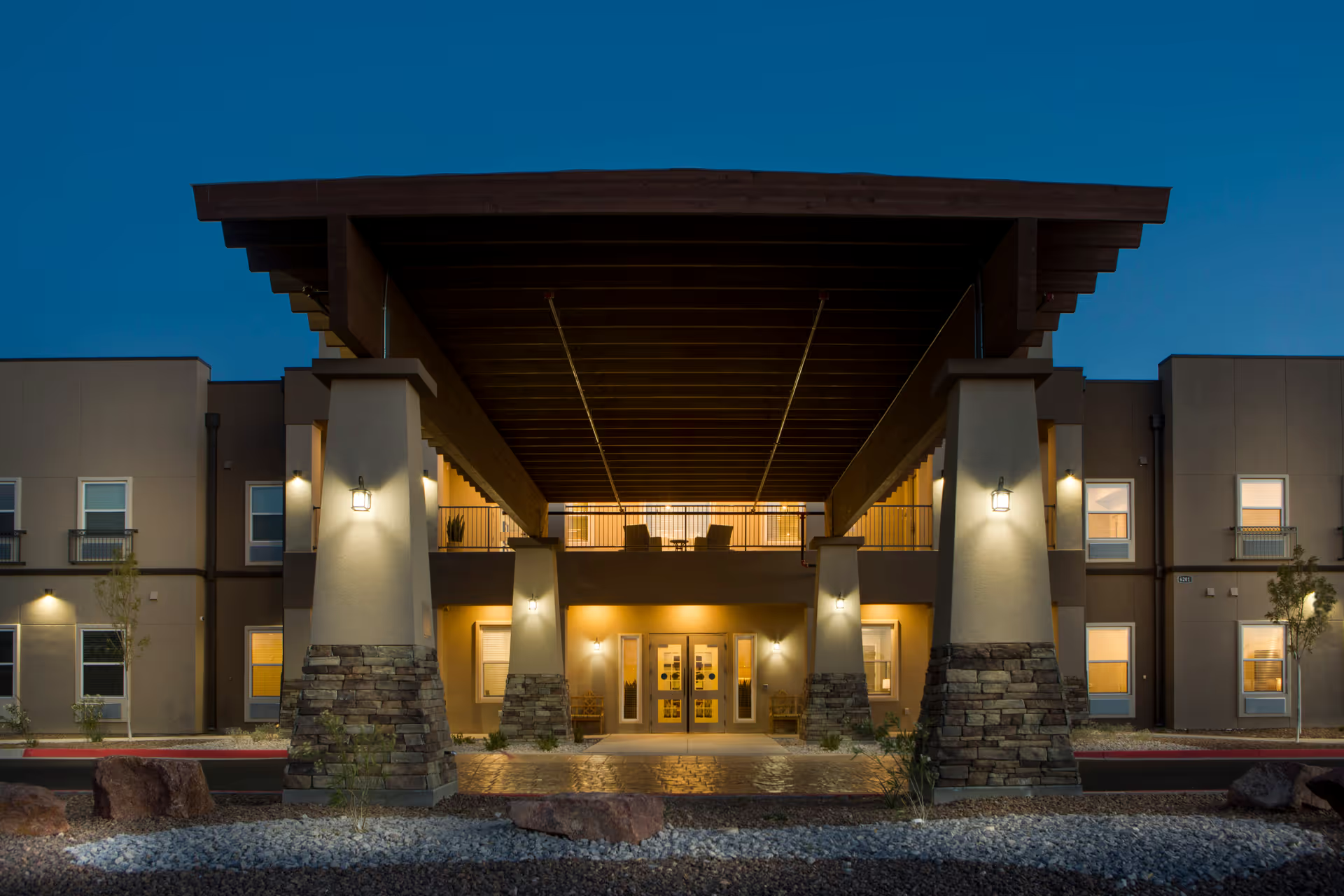
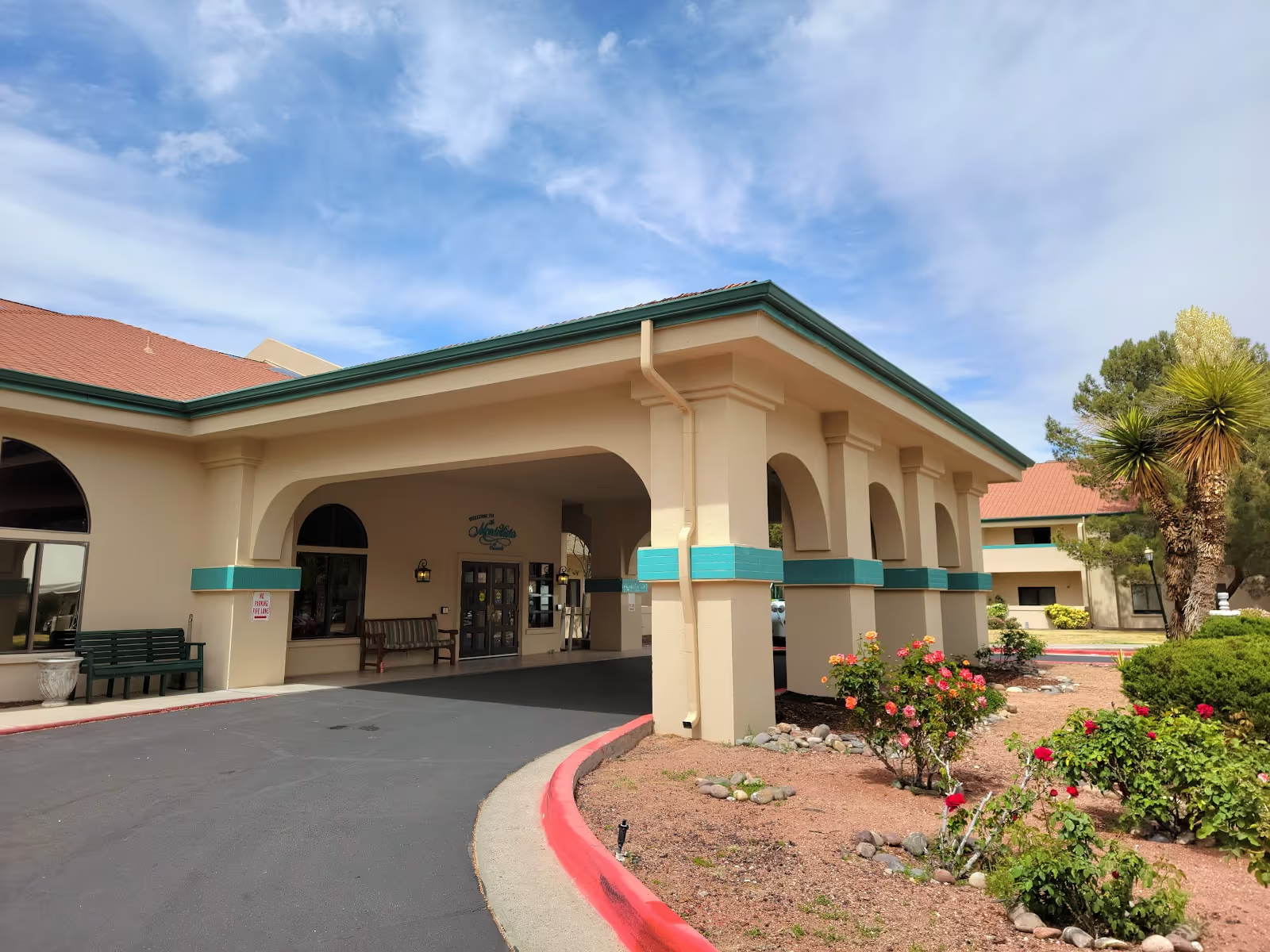
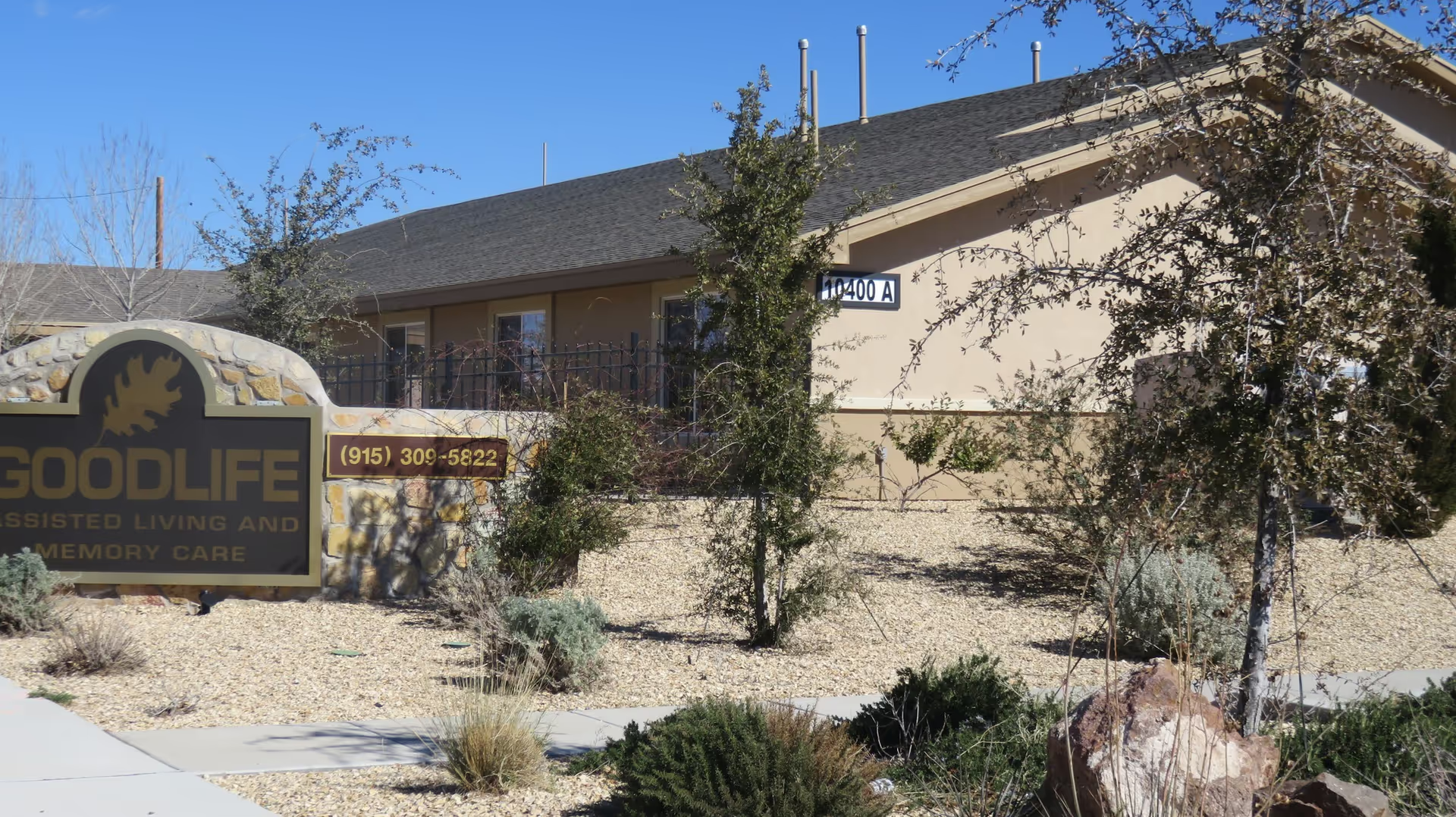
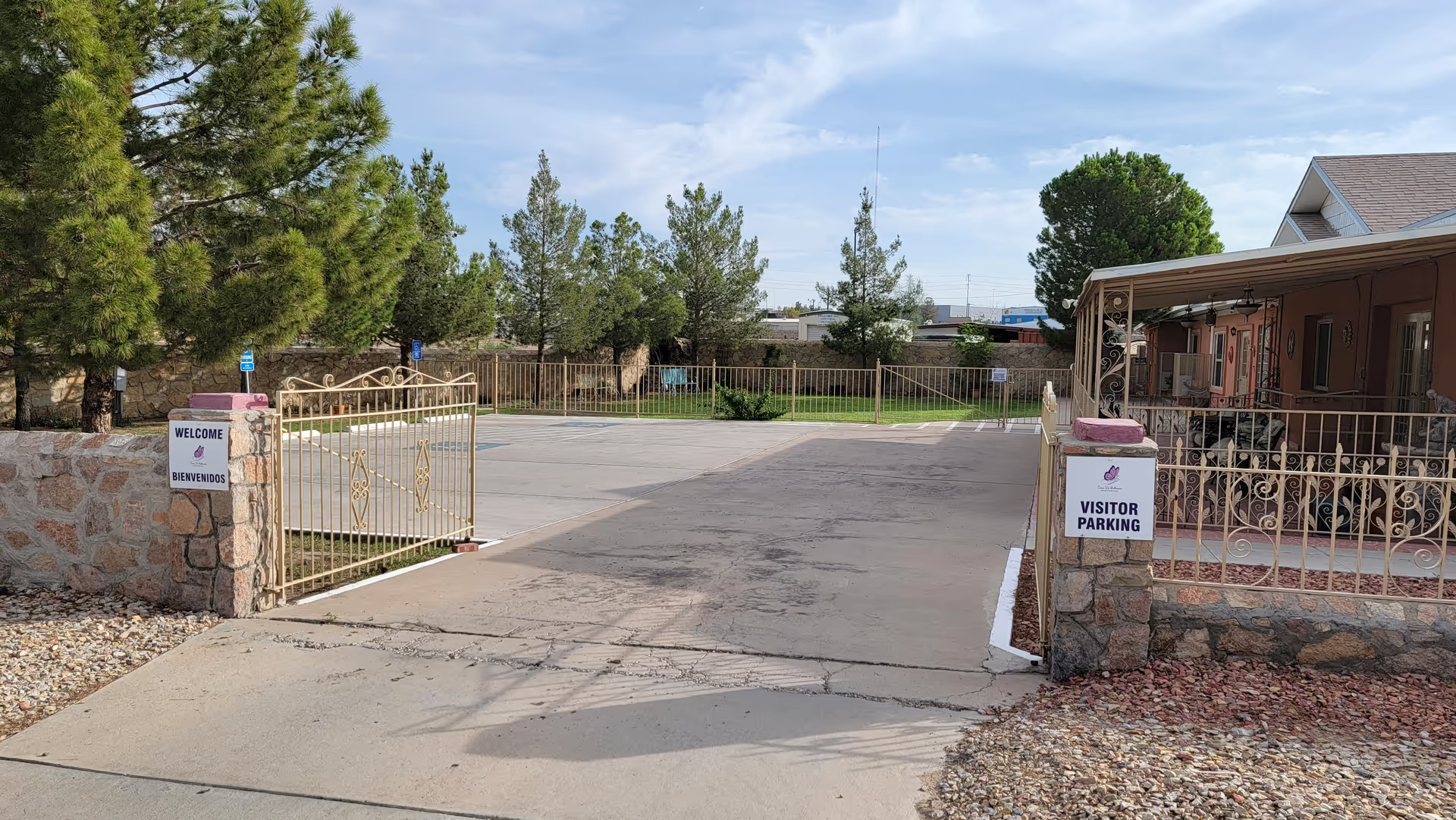
Desert Peaks presents as a small-to-medium sized assisted living and memory-care community with many strengths centered on staff engagement, cleanliness, and programming. Families frequently describe staff as compassionate, approachable, and hands-on; clinical and administrative personnel are often praised for timely communication and for keeping families informed of medical updates. The facility’s cleanliness and landscaping — including rose gardens, enclosed courtyards, and a turtle/tortoise habitat — contribute to a homelike, outdoor-oriented atmosphere that many residents and visitors find restorative.
Care quality trends are mixed but lean positive. Several families reported attentive, individualized support in both assisted living and memory care, including 1:1 attention in the memory unit and collaborative hospice transitions when needed. At the same time, multiple reviews describe staffing shortfalls and variability in responsiveness; these workforce limitations are tied to delayed assistance at times and inconsistent clinical follow-through. More serious clinical concerns appear in a subset of accounts, including lapses in medication management and gaps in incident reporting and transparency. Those items suggest areas where clinical oversight and quality assurance processes may need reinforcement.
Dining and activities are routinely cited as strengths. Many reviewers note fresh, restaurant-style, nourishing meals and a robust activities calendar that includes games, music, outings, guest speakers, and social events. That said, experiences with food quality are not uniform: some families reported limited menu variety and occasional prepared/frozen items. The activity program is broad and consistent, and staff engagement in programming is a clear plus for social and cognitive stimulation.
Facility and accommodations vary by unit. Common areas and many apartments are described as well maintained, freshly painted, and comfortable, with private bathrooms available in assisted living suites. Memory-care accommodations tend to be smaller and in some descriptions less attractively appointed; a number of families expressed a preference for larger or private memory-care rooms. The campus is somewhat remote, which many visitors appreciate for its peaceful setting but which can be a drawback for access to specialty medical services.
Management and operations show a mix of proactive strengths and areas needing attention. Admissions and move-in assistance are frequently noted as helpful, and some families emphasize strong, hands-on managers and cohesive departmental teamwork. However, reports of variability in management responsiveness, unclear fee/furnishing transparency, sanitation lapses in specific dining or common areas, and at least one allegation concerning missing valuables indicate unevenness in operational controls and family communication in certain cases.
Overall, Desert Peaks appears to offer good value for families prioritizing compassionate staff, cleanliness, outdoor amenities, and an active program of daily activities. Prospective residents and families should prioritize an in-person tour focused on memory-care unit layout and ambiance, staffing patterns on different shifts, sample menus, incident-reporting and medication-management protocols, and clarity on ancillary fees to ensure the community’s strengths align with their clinical and logistical needs.