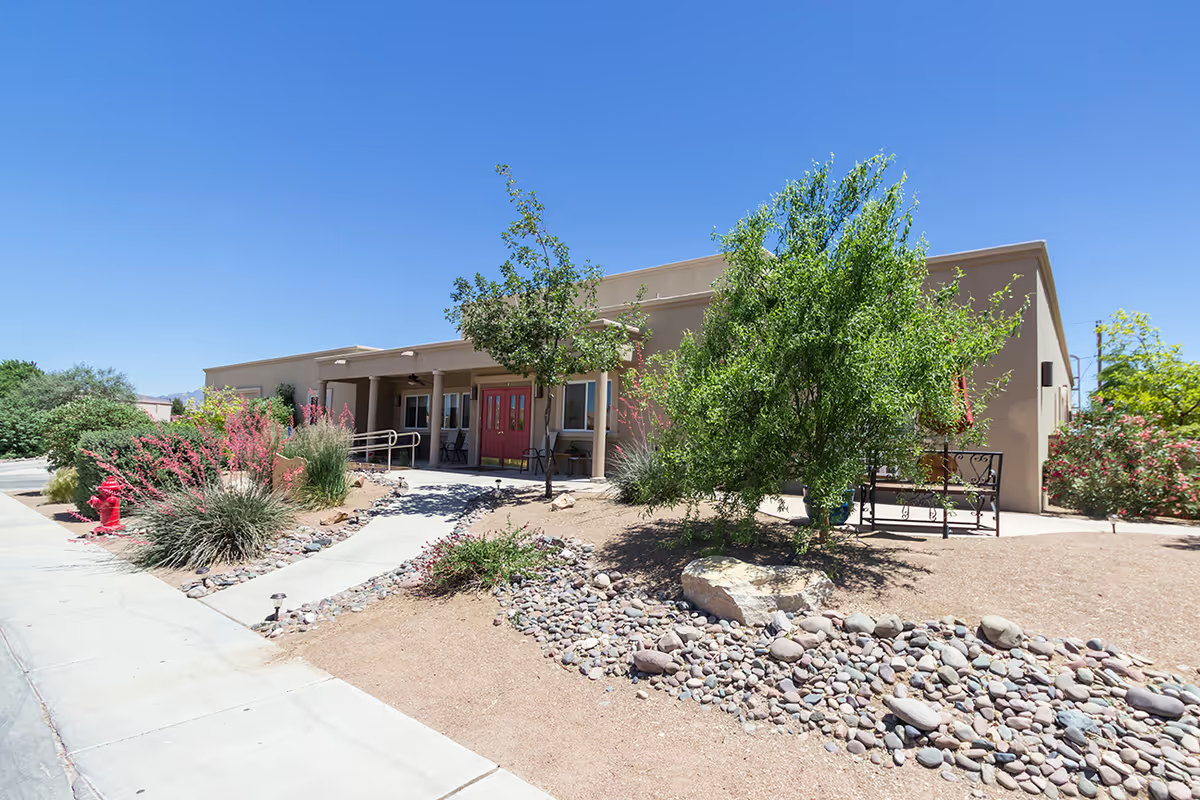
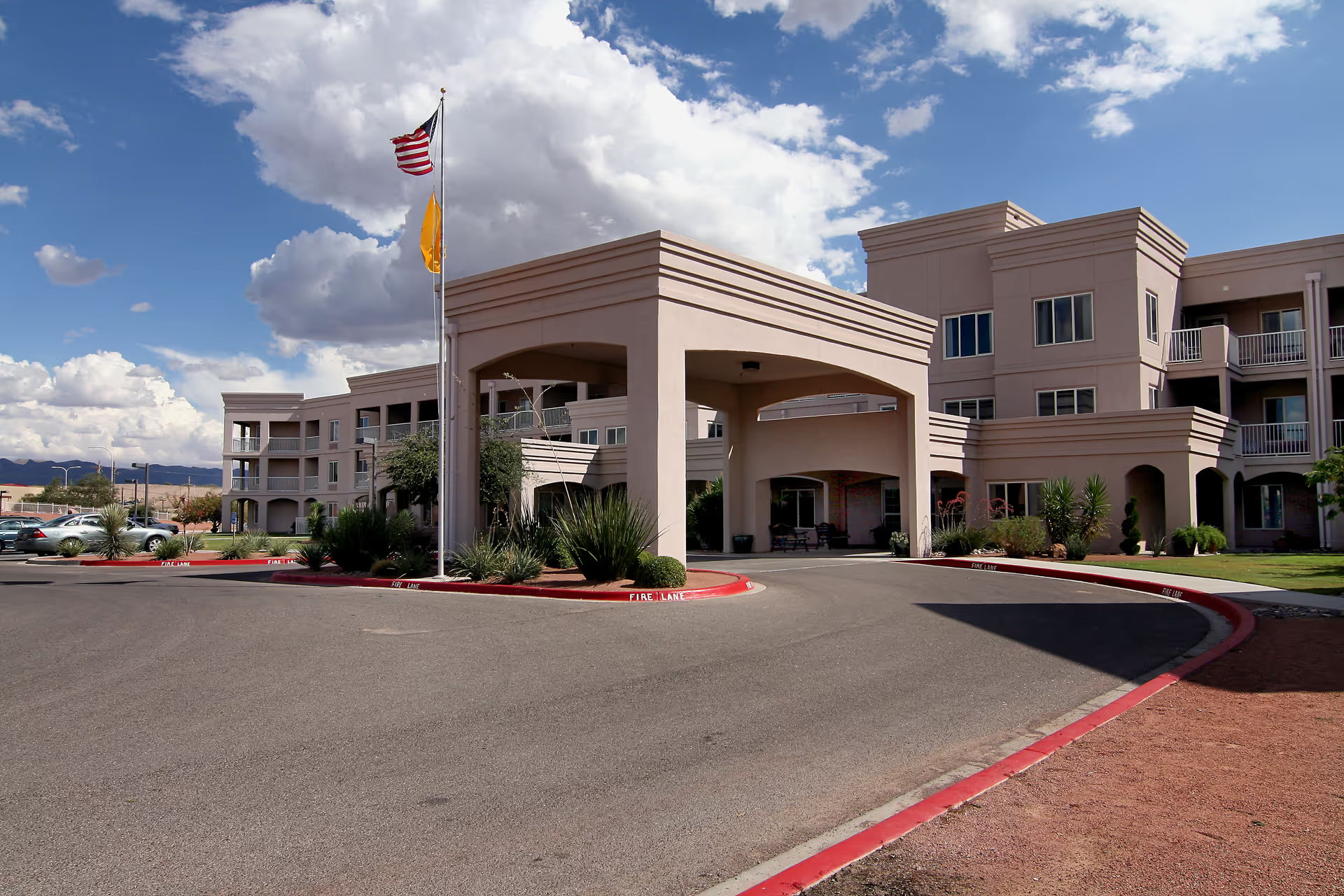
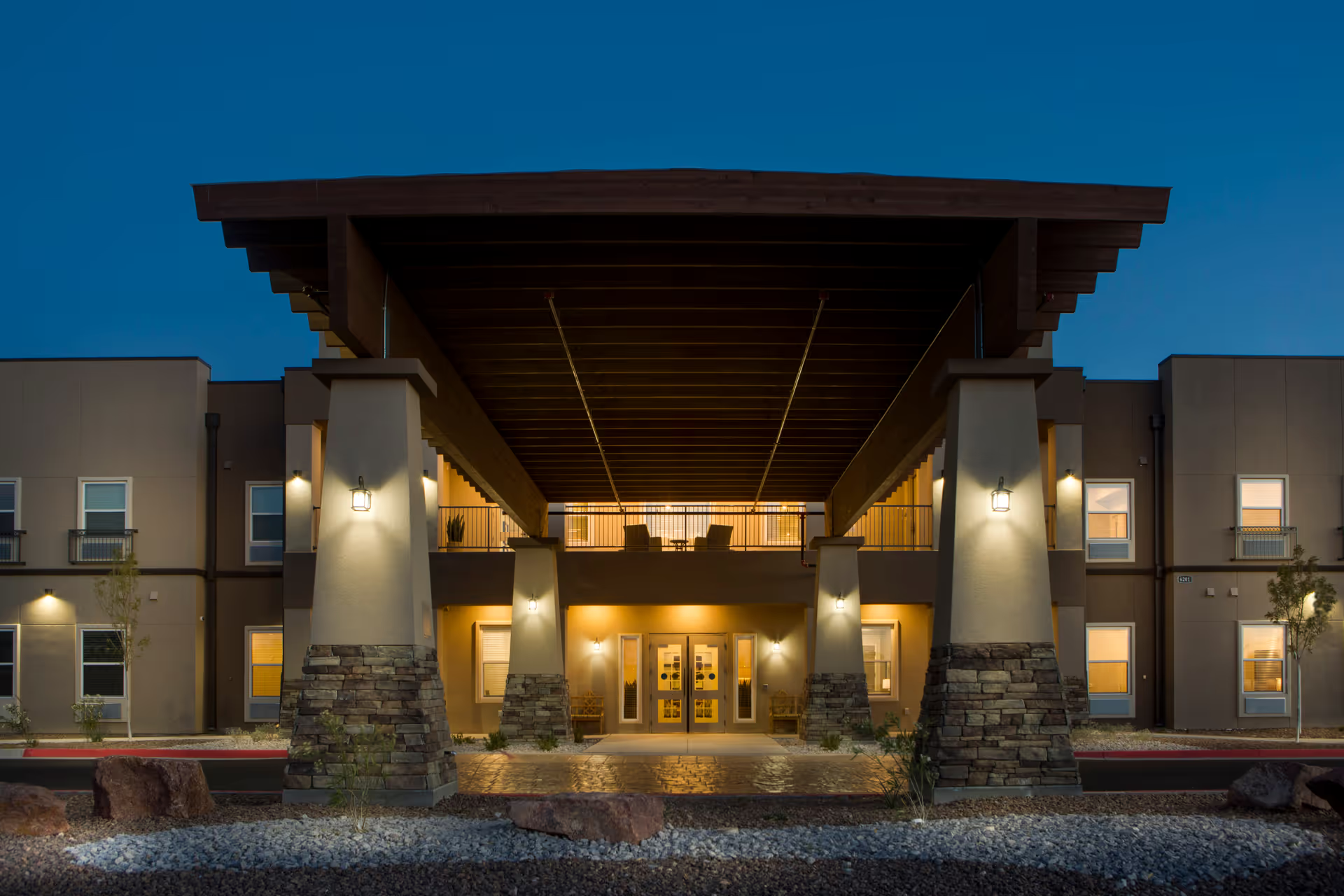
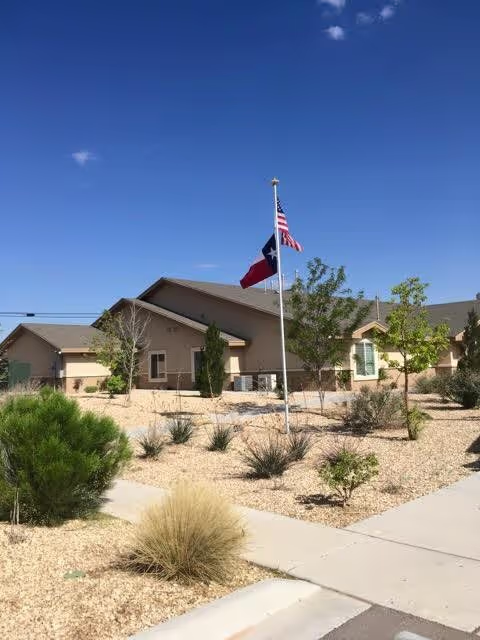
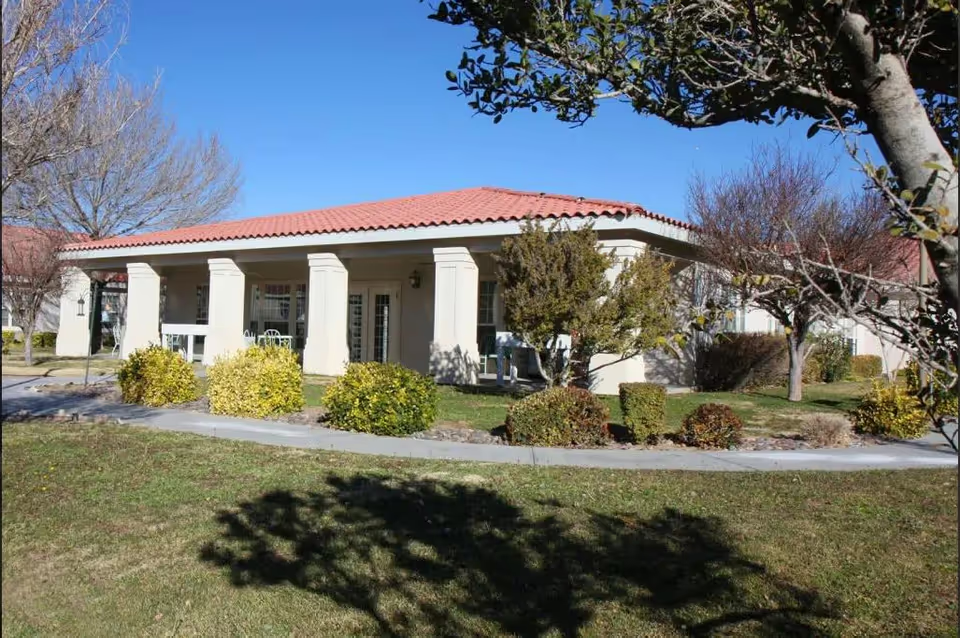
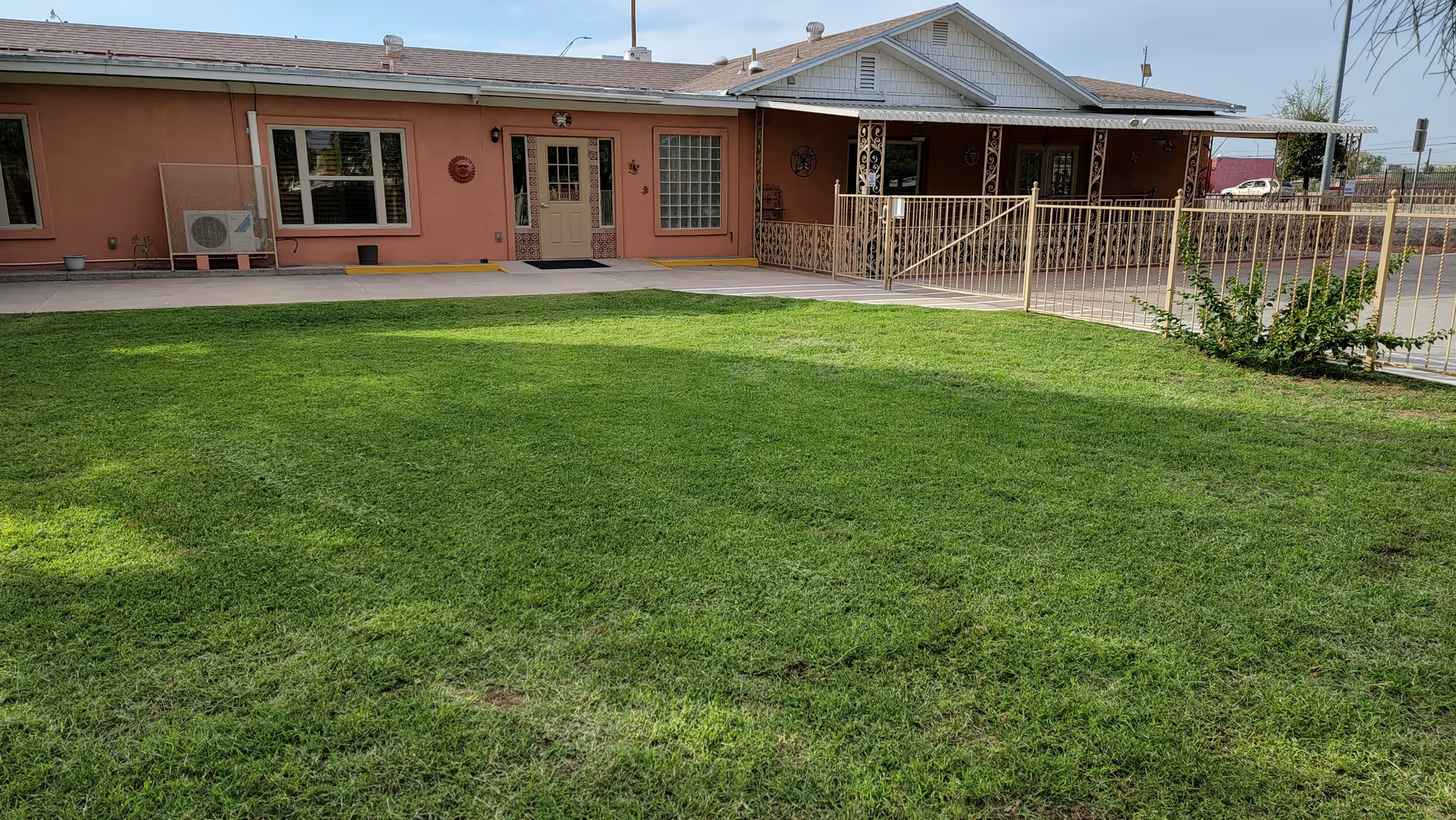
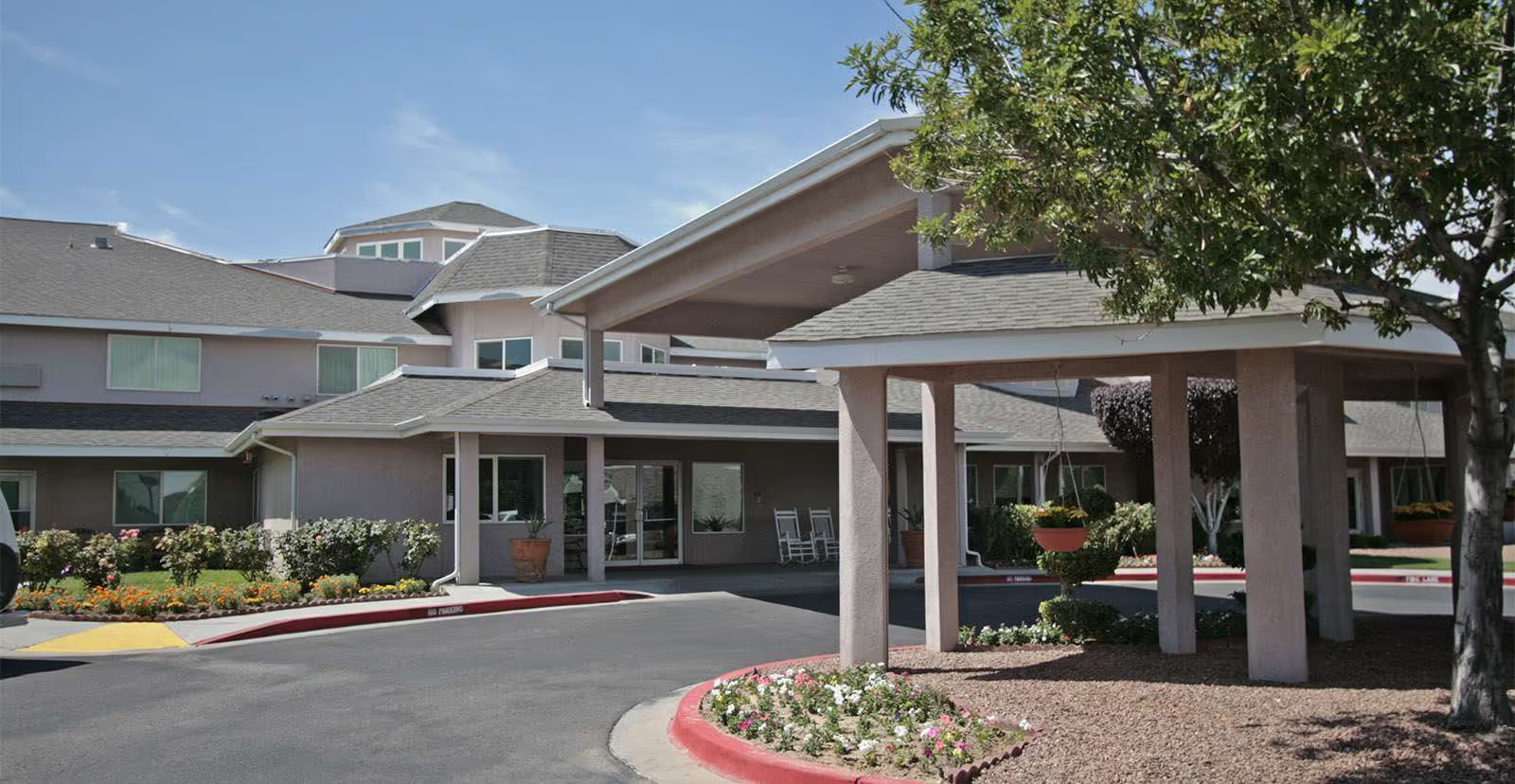
Overall impression: Reviews describe La Posada Assisted Living as a well-maintained, attractive facility with a strong emphasis on hospitality and resident comfort. Multiple families praise the cleanliness, garden landscaping, and indoor amenities such as a bistro and library. The community atmosphere is frequently characterized as warm and family-like, with staff who often go beyond expectations to support residents and families.
Care and clinical issues: Many reviewers highlight caring, attentive staff and describe supportive end-of-life coordination with hospice teams. At the same time, a subset of comments raises operational concerns around clinical monitoring and staff skill mix. Specific observations indicate occasional gaps in the availability or consistency of monitoring equipment and variability in clinical-staff experience. These comments suggest the facility would benefit from ensuring standardized monitoring protocols and continued clinical training to reduce variability in hands-on clinical care.
Staff and management: Strengths include long-tenured employees and examples of staff building close relationships with residents and families. Several accounts emphasize staff responsiveness and compassion. However, some reviews describe communication and responsiveness shortfalls, including instances in which family members perceived staff replies as dismissive. This pattern points to opportunities for management to reinforce family-communication protocols and transparency following clinical events.
Dining and services: Dining is consistently cited as a positive: meals are described as healthy, delicious, and customizable. On-site services such as salon appointments (nail and hair) and accessible common spaces add convenience and contribute to resident quality of life. Families should confirm menu flexibility and special-diet accommodations during their visit.
Activities and social life: The community offers a range of events—movie nights and organized activities—and is noted for its multiple garden spaces and bird-friendly features that support outdoor engagement. Conversely, a few reviews indicate that some residents were not consistently engaged and spent prolonged time in their rooms. This suggests variability in how activity programming reaches residents with different levels of mobility or cognitive need; prospective residents should ask about individualized activity plans and staff-to-resident ratios for engagement.
Costs and value: Some families express concern about cost relative to perceived services. While many reviewers recommend the facility and report high satisfaction, others indicate they expected a different balance of clinical capability and programming for the price. Prospective residents should request a clear fee schedule and a description of which services are included versus billed separately.
Notable patterns and guidance for families: Strengths center on cleanliness, a welcoming atmosphere, strong hospitality features, and positive hospice coordination. Areas for due diligence include clinical-monitoring practices, staff training/experience levels, activity engagement for less-mobile residents, and communication protocols with families. During a tour, families may wish to review clinical equipment availability, ask about staff training and turnover, observe an activity session, and speak with current families if possible to get a fuller sense of daily operations.