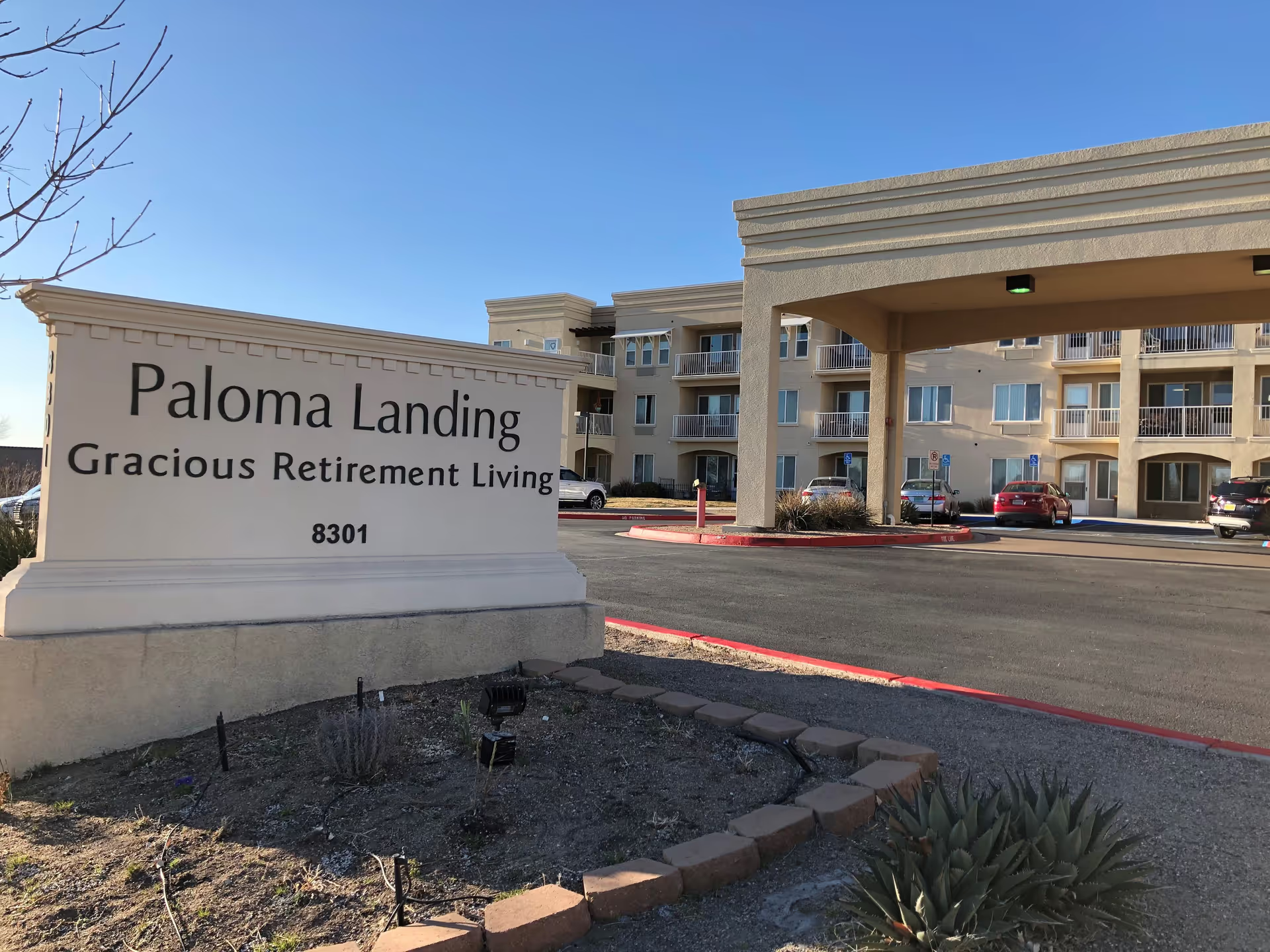
Care quality: Reviews collectively describe a facility that provides close, personalized caregiving in a small, home-like setting. Many families highlighted attentive bedside care, emotional support at end of life, and staff assistance with religious needs and hospice coordination. At the same time, a number of reviewers raised substantive clinical-process concerns — notably around medication administration, consent practices, and overall safety protocol adherence — that prospective families should investigate directly with administration and regulatory records.
Staff: Staff are frequently described as warm, friendly, and compassionate; specific caregivers received praise for going beyond basic duties to provide companionship and emotional support. The small census appears to facilitate consistent relationships between staff, residents, and families. However, reviewers also noted variability in staff conduct (including reports of night-shift rudeness) and flagged gaps in training and supervision that can affect consistency of care. There are also concerns about workplace conduct and how staff complaints are handled, with some reviewers indicating that external authorities or inspections were involved.
Dining and activities: Meals are characterized as home-style, well-prepared, and often personalized to resident preferences; reviewers praised the cook and the meal quality. A few operational concerns were raised about meal access and dining supervision that could lead to inconsistent availability for some residents. Activities occur on an occasional basis and include pet/therapy-dog visits; the small size of the home limits large-group programming but supports individualized attention.
Facilities and amenities: The facility is described as quiet, homey, and clean, with pleasant views and a convenient location. Rooms can be personalized with an option to bring in personal furniture; cable service is available, though some units do not include a TV by default. Resident rooms include call buttons. Some reviewers noted sanitation-related issues at transitions (for example at discharge), which suggests families should ask about infection-prevention and pest-control procedures when touring.
Management and patterns: Multiple reviews point to strengths in hands-on caregiving and family communication at the bedside, particularly around end-of-life support. Conversely, several reviewers identified recurring management-level issues: delayed or inadequate responses to concerns, privacy and HIPAA process gaps, and uneven enforcement of staff conduct standards. There are also mentions of regulatory attention and an inspector visit, and a small number of serious allegations (including concerns about coercive behavior and harassment) that prompted notification of authorities; these items suggest due diligence on regulatory history and complaint resolution is warranted.
Notable patterns and guidance: The overall picture is of a small, community-oriented home that can provide compassionate, individualized care, especially for residents who benefit from a quieter, homelike setting and strong hospice coordination. Prospective families should balance those strengths against operational concerns raised around medication processes, privacy practices, staff training consistency, and management responsiveness. Recommended topics to review on a tour: medication and consent policies, staff training and overnight staffing practices, incident escalation and complaint procedures, recent regulatory inspection findings, pest-control and discharge protocols, and examples of how the facility supports personalized dining and end-of-life planning.