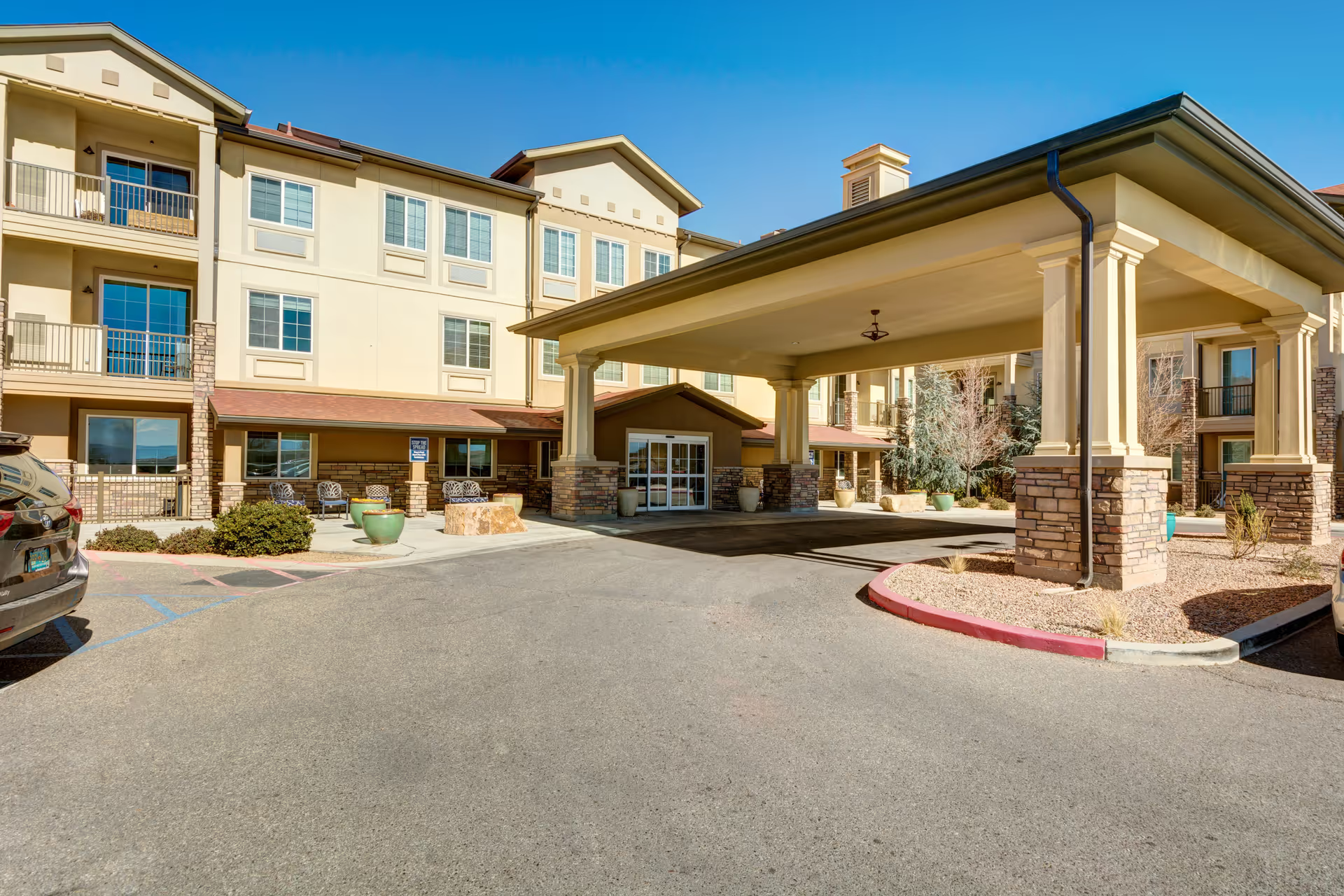
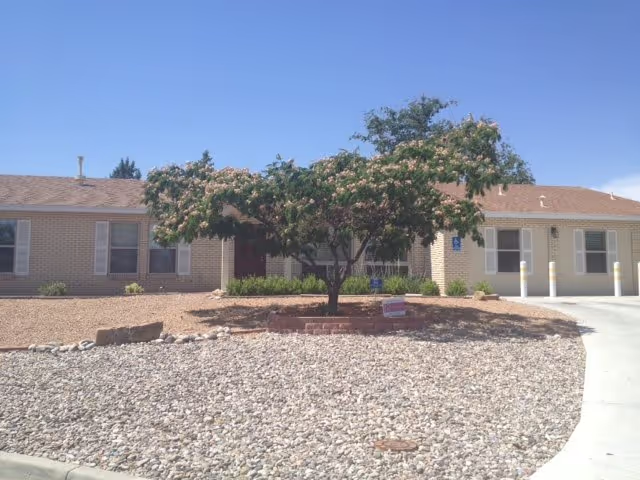
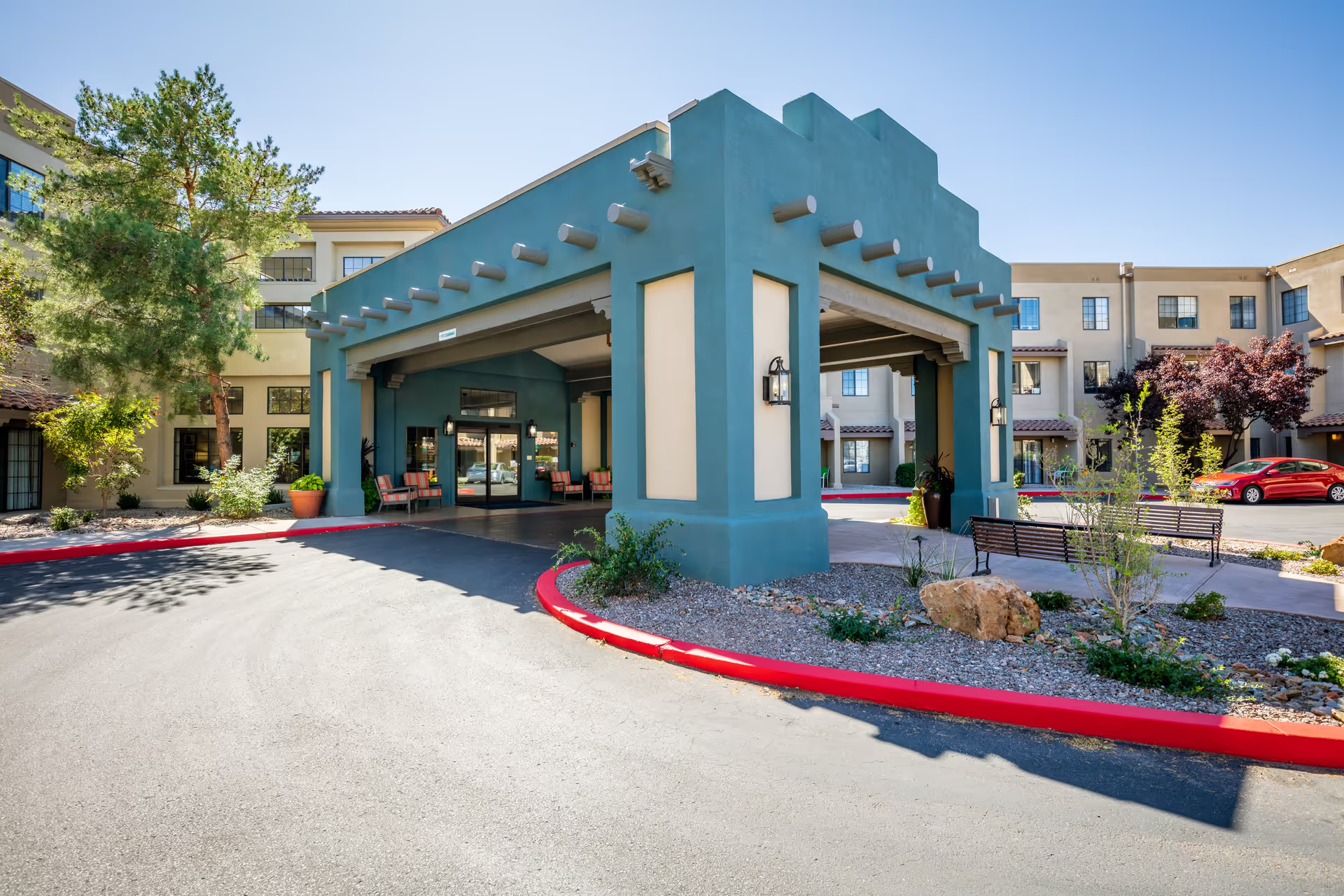
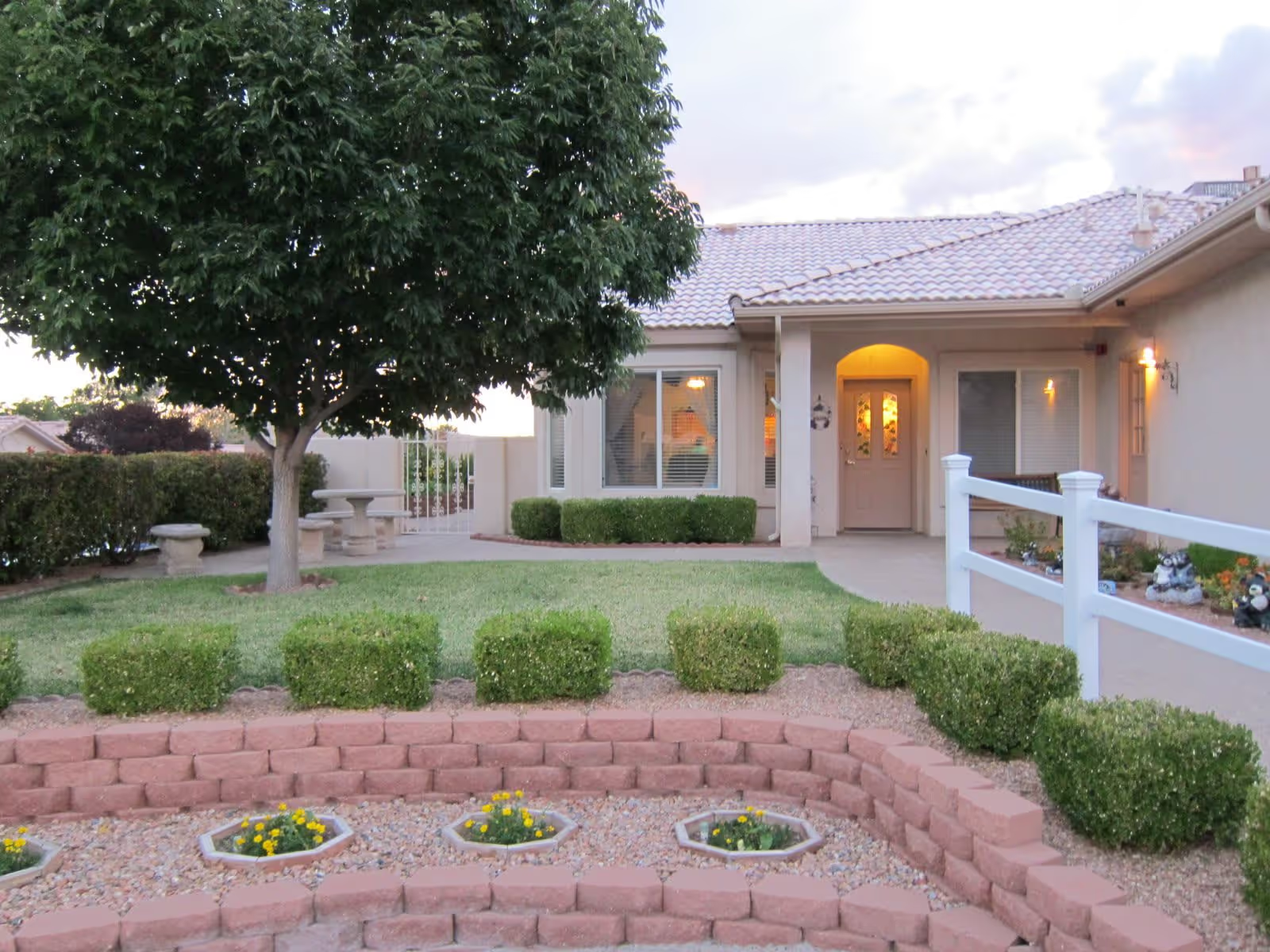
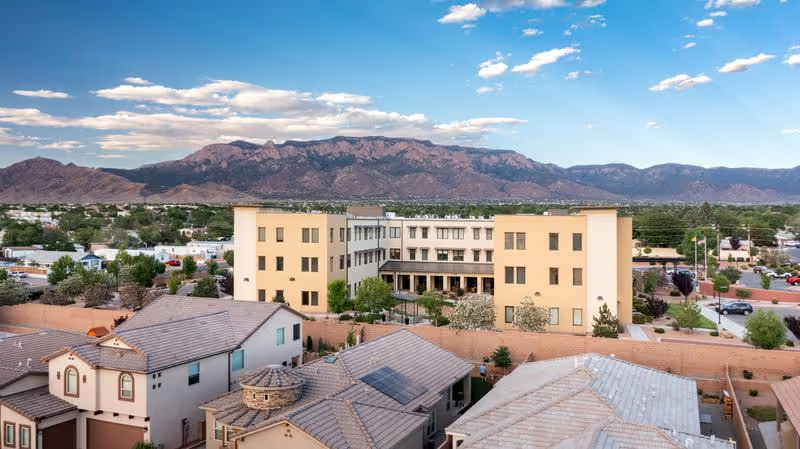
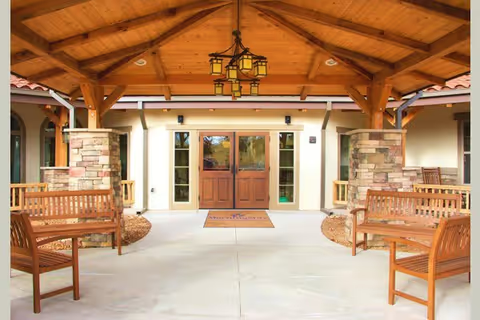
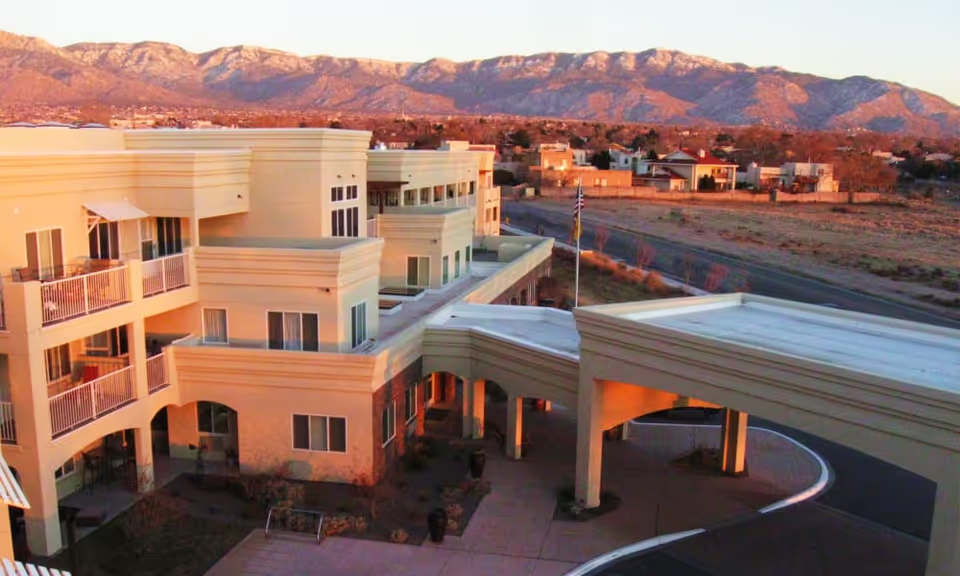
MorningStar Assisted Living & Memory Care of Rio Rancho is consistently described as an attractive, new, resort‑style community with clean, well‑maintained interiors and spacious studio apartments. Many reviewers praise the facility’s aesthetics, courtyard and mountain views, thoughtfully appointed common areas (gym, recreation, snack and coffee stations), and private apartment features such as kitchenettes and full refrigerators. Hospitality elements — room service options, fruit baskets, and restaurant‑style dining — are frequently highlighted, as are faith services, pet therapy, and an active events calendar that includes live music, bingo, arts and crafts, poker groups, and off‑site outings.
Staff responses are mixed. Numerous comments commend friendly, courteous, and proactive frontline employees, admissions staff, and certain long‑tenured caregivers and leaders who provide helpful move‑in support and individualized attention. On the clinical side, the presence of on‑site nursing support, physician/PA availability, and 24‑hour/hospice services is noted positively. However, recurring concerns center on inconsistent staffing levels, high turnover, and variability in staff training and competency across shifts. These operational weaknesses are associated with gaps in clinical oversight, medication‑management controls, and inconsistent assistance for residents with advanced activities‑of‑daily‑living needs.
Dining and activities are generally strengths: reviewers praise meal quality, menu variety, and the community’s willingness to accommodate special diets. The activities program is active and broad, with internal programming and external outings that support social engagement. At the same time, some families describe activities that feel staff‑directed rather than resident‑centered, and several reviewers request more evening programming. Transportation is available for outings and appointments, but scheduling limitations and occasional unreliability are recurrent themes.
Management and administrative practices show a pattern of operational concerns. Several families experienced slow or unresponsive communication from management and billing, including delays in deposit refunds and unclear fee explanations. There are also repeated notes about inconsistencies between advertised amenities and actual service delivery. Safety and oversight issues in memory care arise repeatedly: large, institutional layouts, locked bedroom configurations, distance from dining areas, limited memory‑care programming, weak night monitoring, and camera or monitoring system limitations are cited as underlying causes of family unease. A few accounts reference serious clinical incidents and concerns following a resident’s death; these are presented as drivers for families to seek alternative, smaller, or more hands‑on memory‑care settings.
Bottom line: the community offers a high‑end physical environment, robust amenities, and many caring staff, which can suit independent and some assisted residents well. Prospective residents and families considering memory care or higher‑acuity support should directly evaluate staffing ratios, night‑time monitoring, clinical oversight practices, medication management protocols, and the facility’s responsiveness on administrative matters (including billing and refunds). Visiting at different times of day and asking for specific, written answers about memory‑care staffing, training, safety procedures, and fee transparency will help determine whether the community’s strengths align with an individual’s care needs.