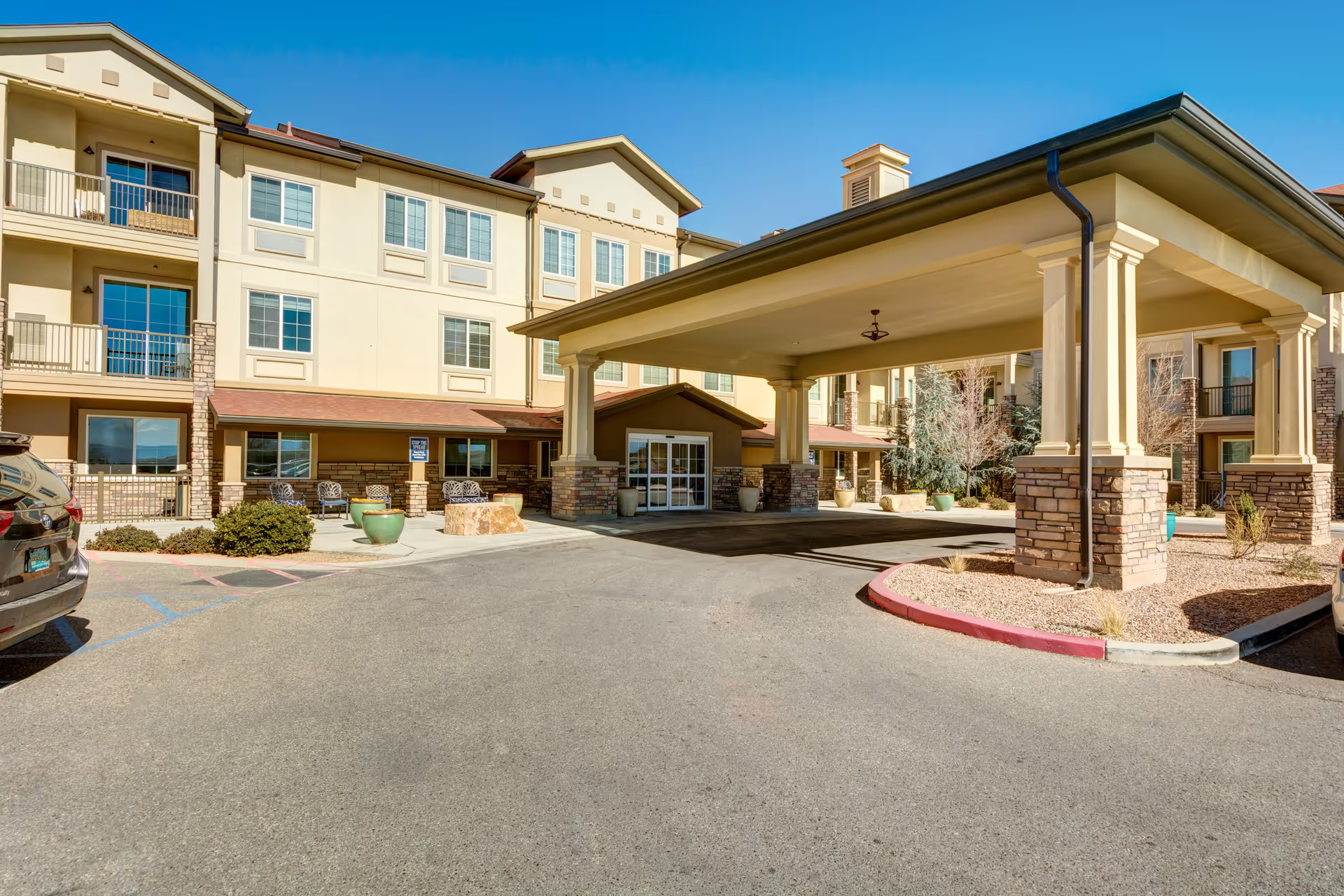
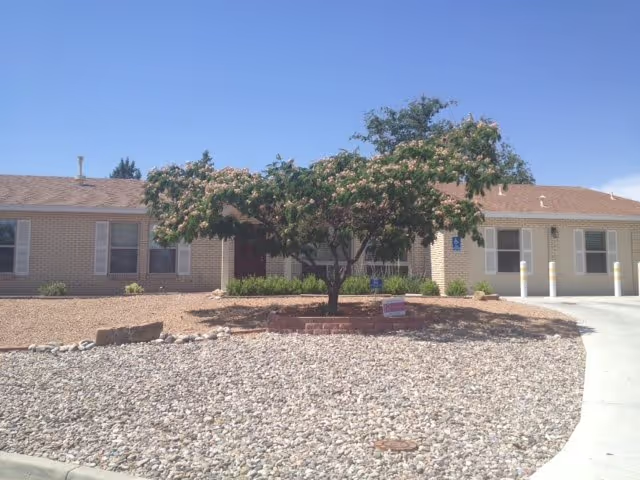
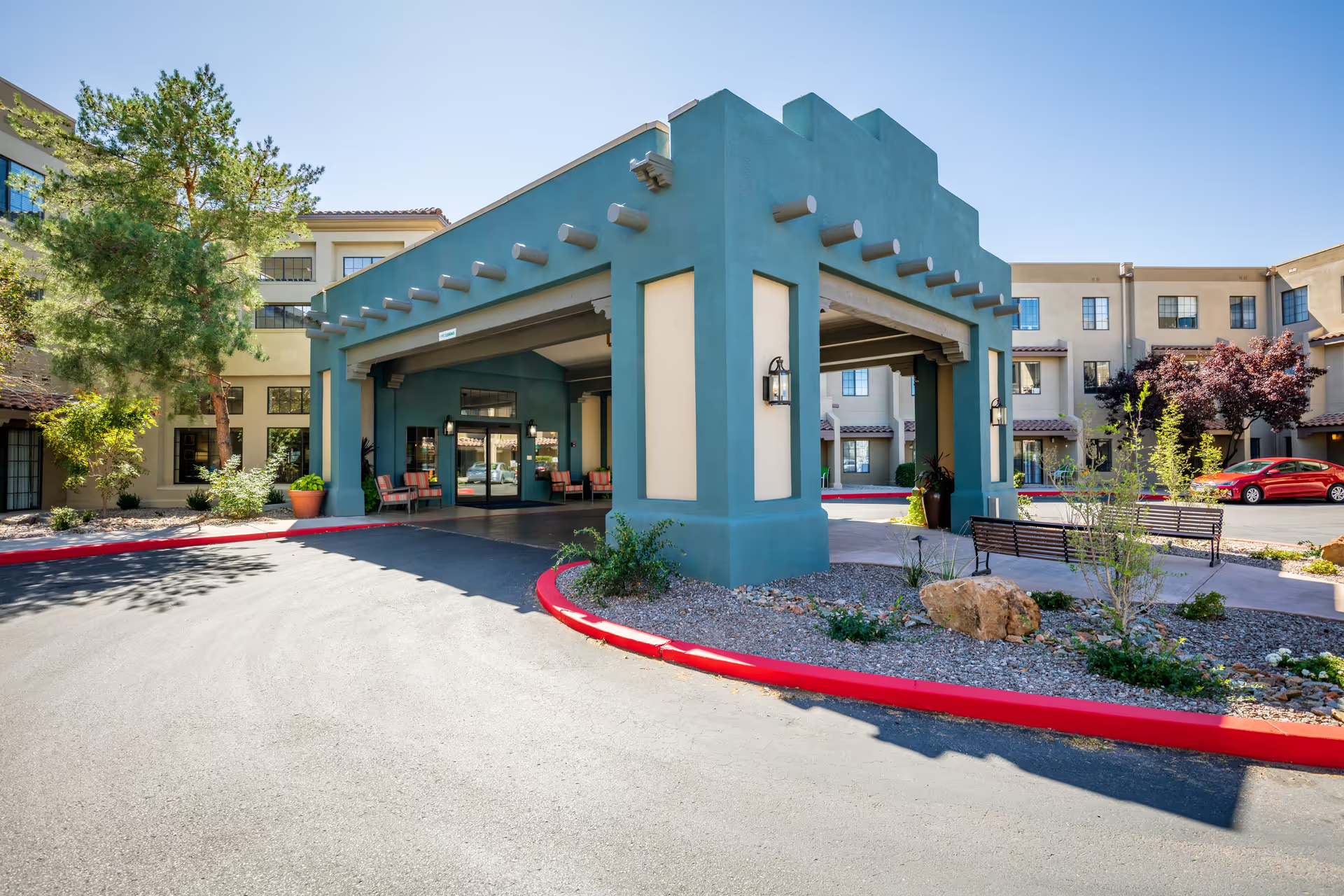
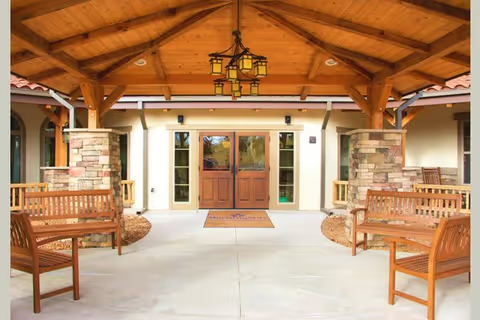
Overview: The Suites Rio Vista elicits highly polarized feedback. A clear and repeated strength is the rehabilitation program: physical, occupational and speech therapy staff receive consistent praise for clinical skill and engagement. The facility’s physical environment — attractive interiors, private rooms, a large rehab gym and a scenic courtyard — is frequently described as well maintained and comfortable. Several reviewers singled out individual caregivers and front‑desk personnel for compassionate, helpful service.
Care quality and clinical operations: Clinical experiences vary considerably. Therapy services are a consistent positive, with multiple accounts describing meaningful functional gains. In contrast, nursing and daily‑care performance is inconsistent: some families describe attentive nursing and proactive pain management, while others report long waits for assistance, delays in toileting and bathing, missed or late medications, and transfers back to acute care. Medication administration timing and accuracy are recurrent operational concerns. There are also reports of premature discharges or incomplete recovery at discharge, suggesting variability in care‑transition decision making.
Staffing, conduct and management: Reviews identify a pattern of staffing shortages and reliance on agency personnel, which correlates with inconsistent staff competency and response times. Many families praise individual CNAs, therapists and certain office staff by name, but other accounts describe unprofessional conduct, cold communication, and perceived favoritism. Administrative issues include poor family communication, delayed handling of insurance or physician paperwork, and difficulties obtaining refunds or timely follow‑up. There are also reports of stronger outcomes when a dedicated family advocate is present.
Dining, housekeeping and facilities management: Dining impressions are mixed: some residents find meals satisfactory and appreciate menu alternatives and allowance of outside food, while others note cold, bland food, scheduling problems and occasional missed meals due to ticketing errors. Housekeeping and sanitation receive generally positive remarks for common areas, but isolated sanitation and pest‑control concerns, occasional linen problems, and missing personal belongings were also described. Prospective families should clarify housekeeping routines, pest‑control measures and inventory procedures.
Activities and visitor policies: Activity programming and social services receive favorable comments, and the facility’s landscaped outdoor areas are seen as a positive feature for resident quality of life. Visitor and infection‑control practices have been a point of tension for some families, particularly during infectious outbreaks; communication and access policies appear variable and warrant advance clarification.
Notable patterns and guidance for families: Two dominant patterns emerge: (1) an excellent, therapy‑oriented rehabilitation capability that many families credit with strong recovery outcomes; and (2) operational variability in nursing care, staffing, administration and food/housekeeping consistency. Given this polarization, prospective residents and families should tour the facility, meet the therapy and nursing leadership, ask about staffing ratios and agency‑staff usage, request written medication‑administration and meal‑service protocols, review pest‑control and housekeeping schedules, confirm discharge and transportation processes, and establish preferred communication pathways with administration. Bringing an advocate and obtaining clear, documented care plans can help reduce the risk of the inconsistent experiences described.