Overall impression: Goodlife Assisted Living elicits a mixed but primarily positive set of impressions. Many reviewers highlight strengths in frontline caregiving, cleanliness, and a home-like environment. At the same time, recurring operational concerns appear around dining service continuity, staffing levels, staff training for complex behaviors, and administrative/financial practices. Prospective families should weigh both sets of observations when evaluating the community.
Care and staff: Reviewers consistently praise the compassion and attentiveness of direct-care staff and individual nurses, and several accounts emphasize effective communication between staff and family members. The facility is described by many as having skilled clinical personnel and staff who provide emotional support and create a welcoming atmosphere for visitors. However, there are also descriptions of staffing shortfalls and training gaps, particularly when residents present behavioral challenges or require more complex interventions. These issues suggest that care quality can be strong under typical conditions but may be inconsistent when staff are stretched or when specialized behavioral skills are needed.
Dining: Multiple accounts point to inconsistent meal preparation and interruptions in kitchen operations. Examples include equipment failures and occasions when meals required additional preparation or replacement, and a strict approach to menu policies that reviewers say limited resident choice or continuity of service. Those operational gaps have translated, in some instances, into missed or delayed meals. Families evaluating the community should ask specific questions about kitchen staffing, backup procedures for equipment failures, and policies for accommodating resident preferences and missed meals.
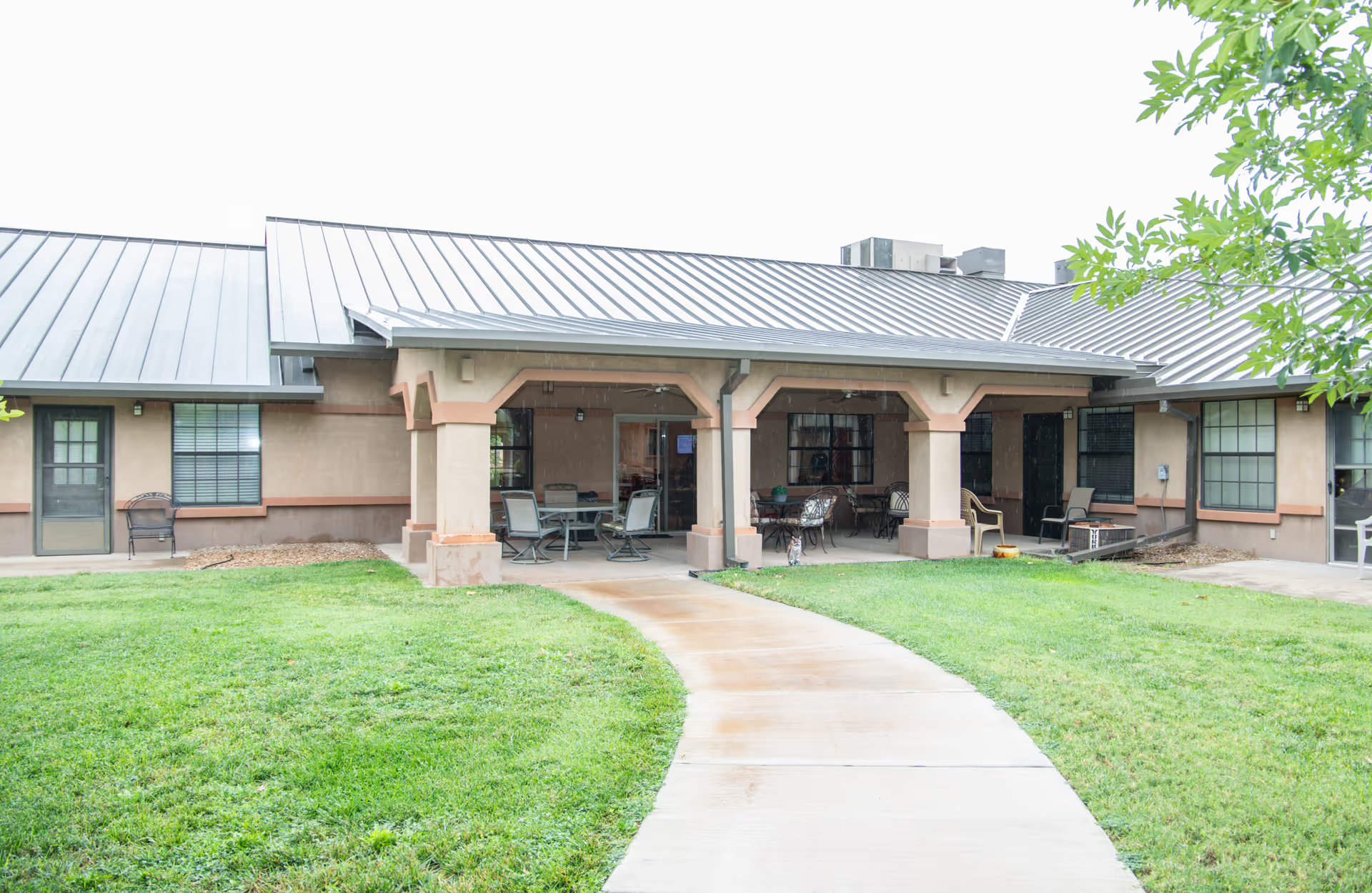
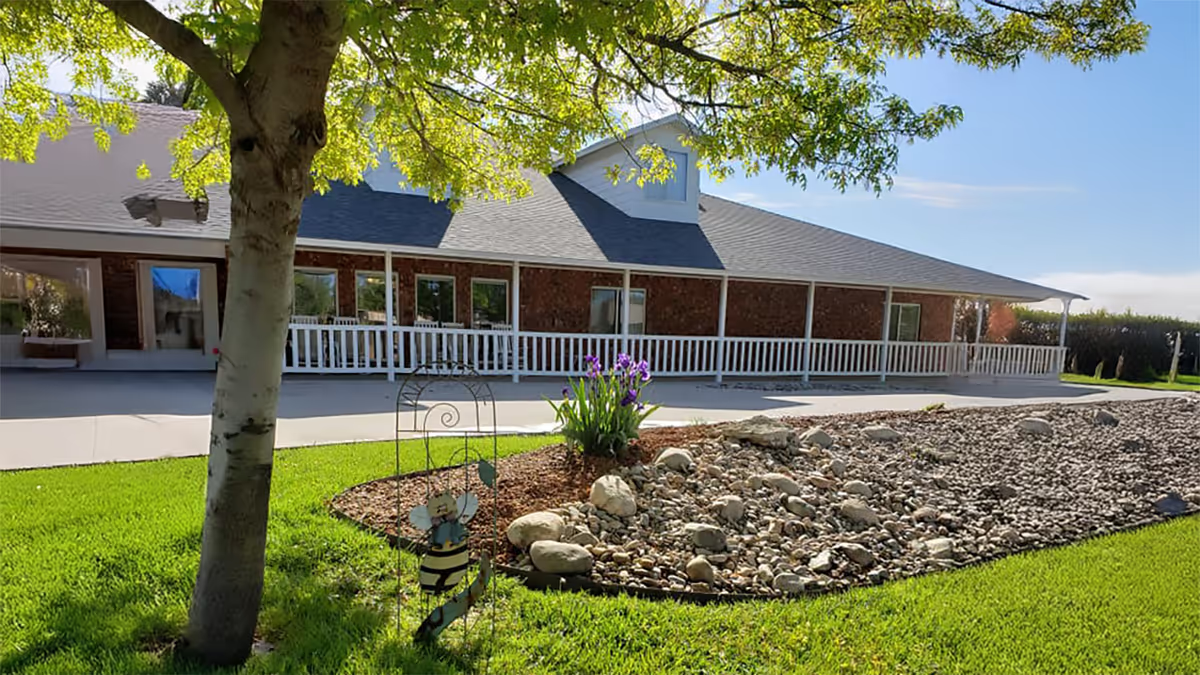
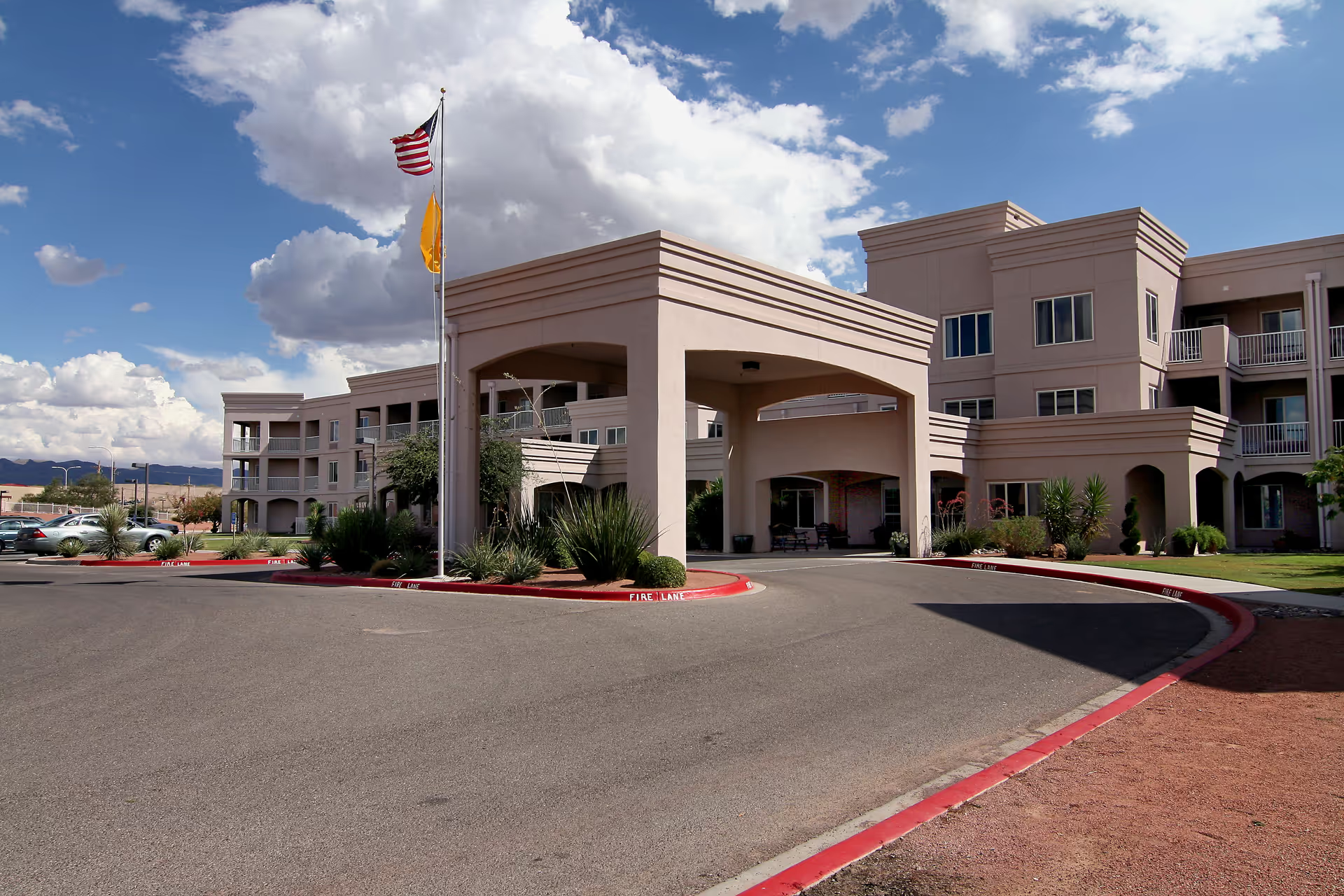
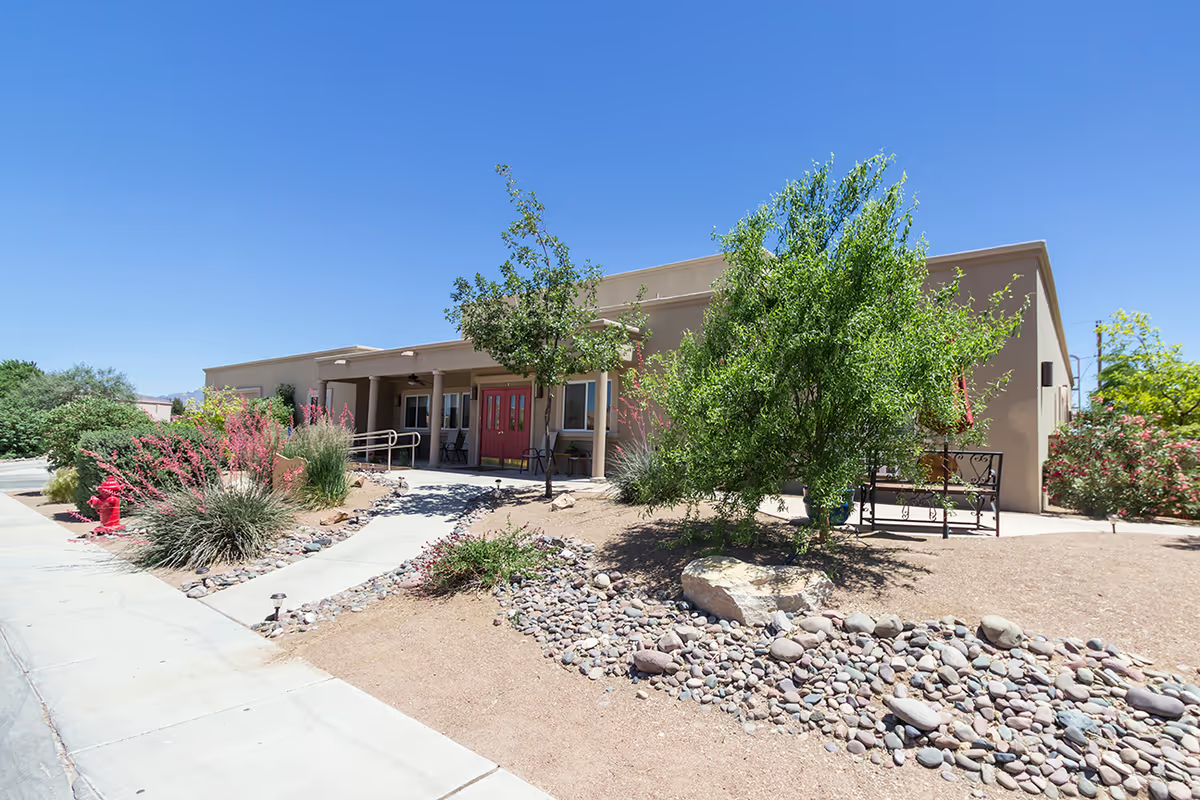
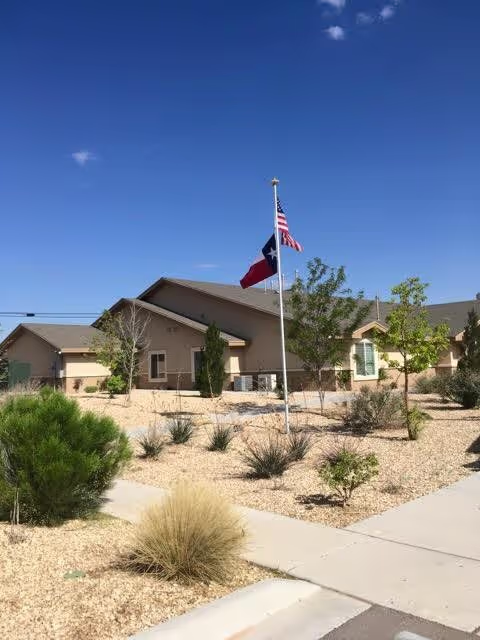
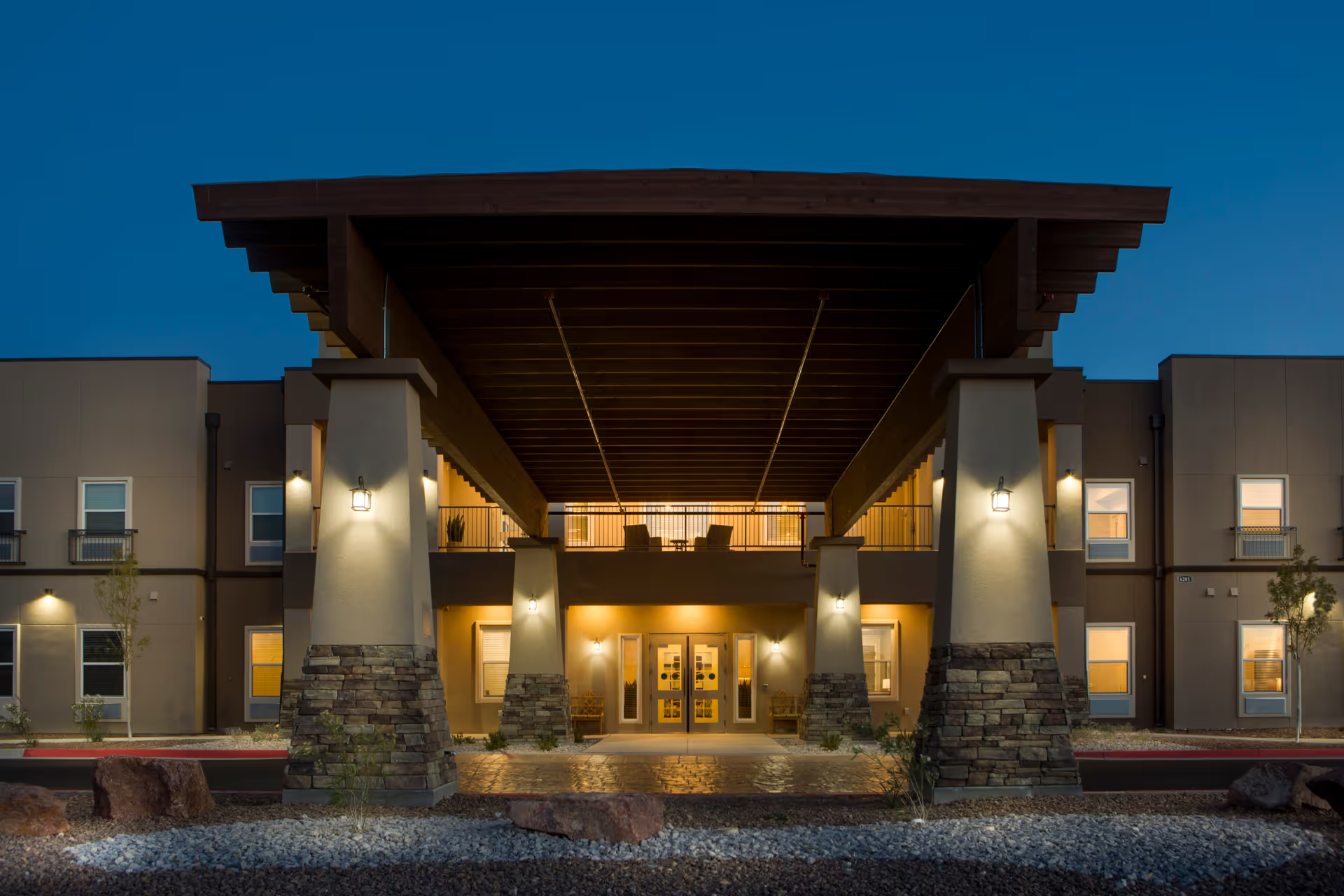
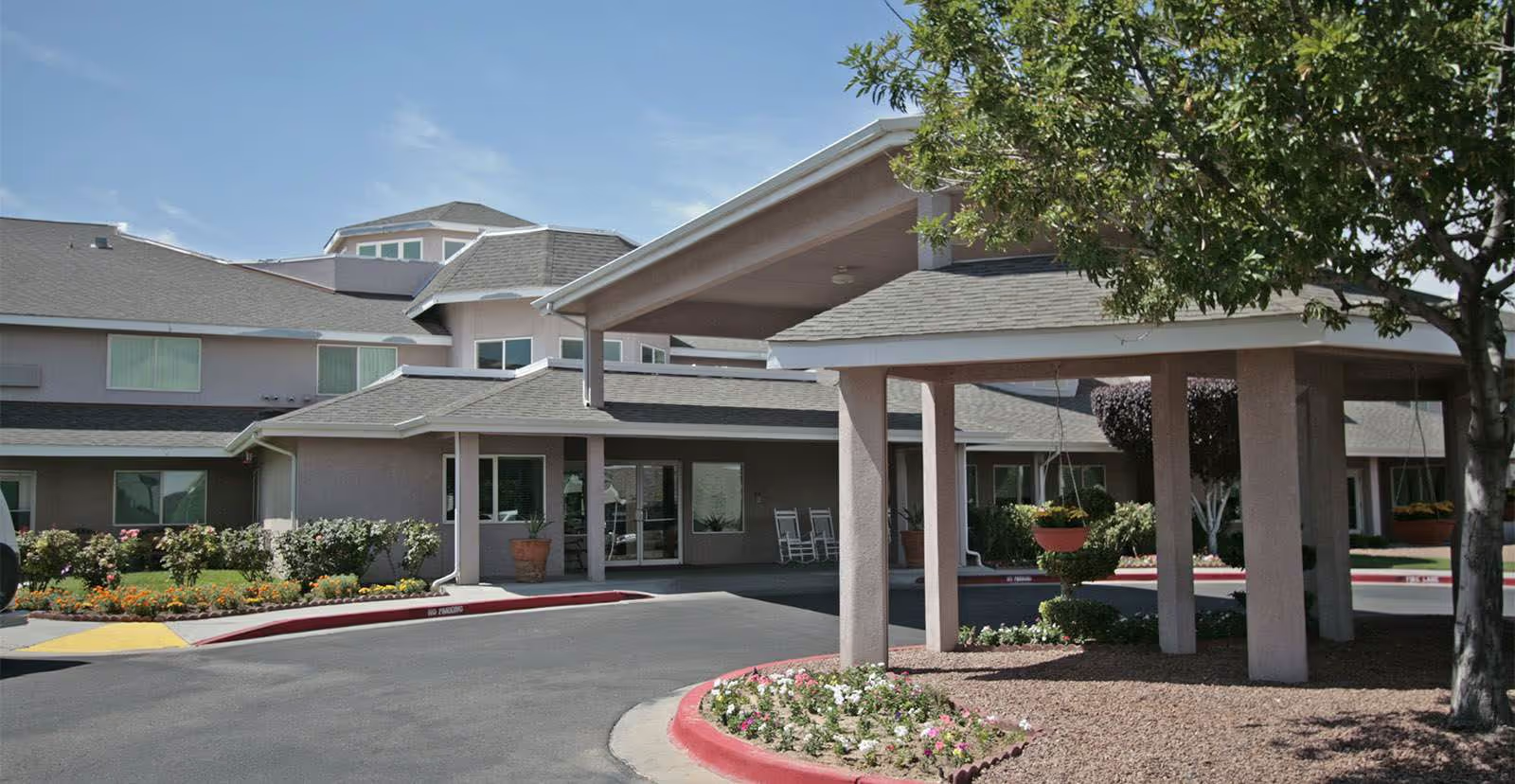
Activities and community life: The facility is frequently described as homey, clean, and visitor-friendly, with community engagement opportunities and emotional support available to residents. At the same time, short staffing is linked to a more limited activities schedule in some accounts. The overall environment is generally characterized as welcoming and well-maintained, but the depth and consistency of programming may depend on staffing levels and scheduling.
Facilities and management: Physical facilities receive consistently positive comments for cleanliness and a home-like feel. Management impressions are mixed: many reviewers praise responsive, competent management and strong leadership, while a subset raise serious concerns about administrative and financial practices, including unpaid bills and questionable management behavior. Those administrative concerns are significant and merit direct discussion with leadership and verification through references, billing transparency, and possible regulatory records.
Notable patterns and recommendation: The dominant positive themes are compassionate staff, cleanliness, and a welcoming atmosphere. The dominant negatives are operational: inconsistent dining services, staffing shortages affecting activities and some aspects of care, training gaps for behavioral situations, and concerns about financial/administrative integrity. Prospective residents and families should visit multiple times, observe mealtimes, ask about staffing ratios and training for behavioral care, request written policies on meal continuity and financial transparency, and seek references from current families to corroborate management responses to concerns.