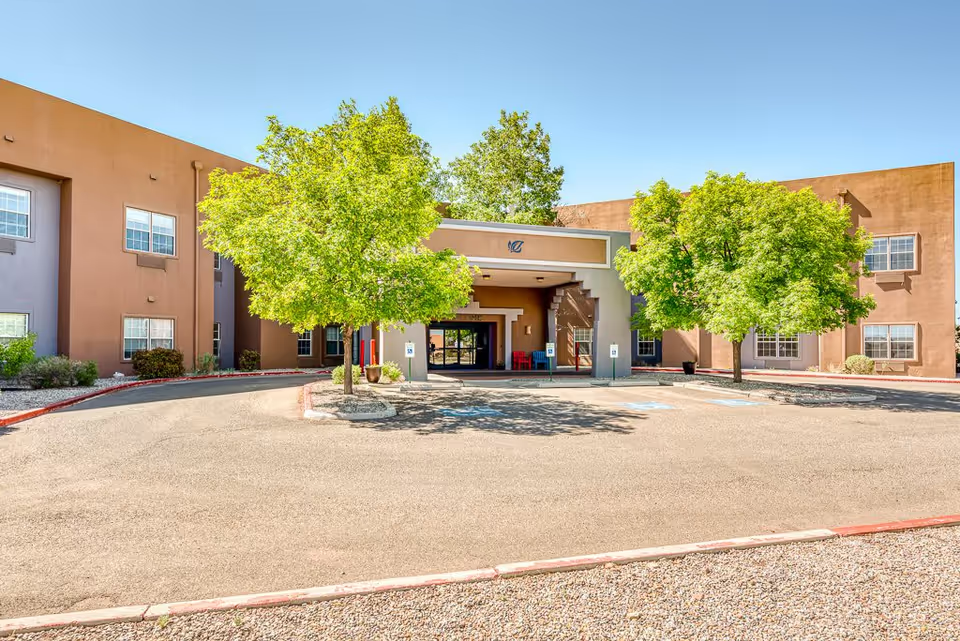
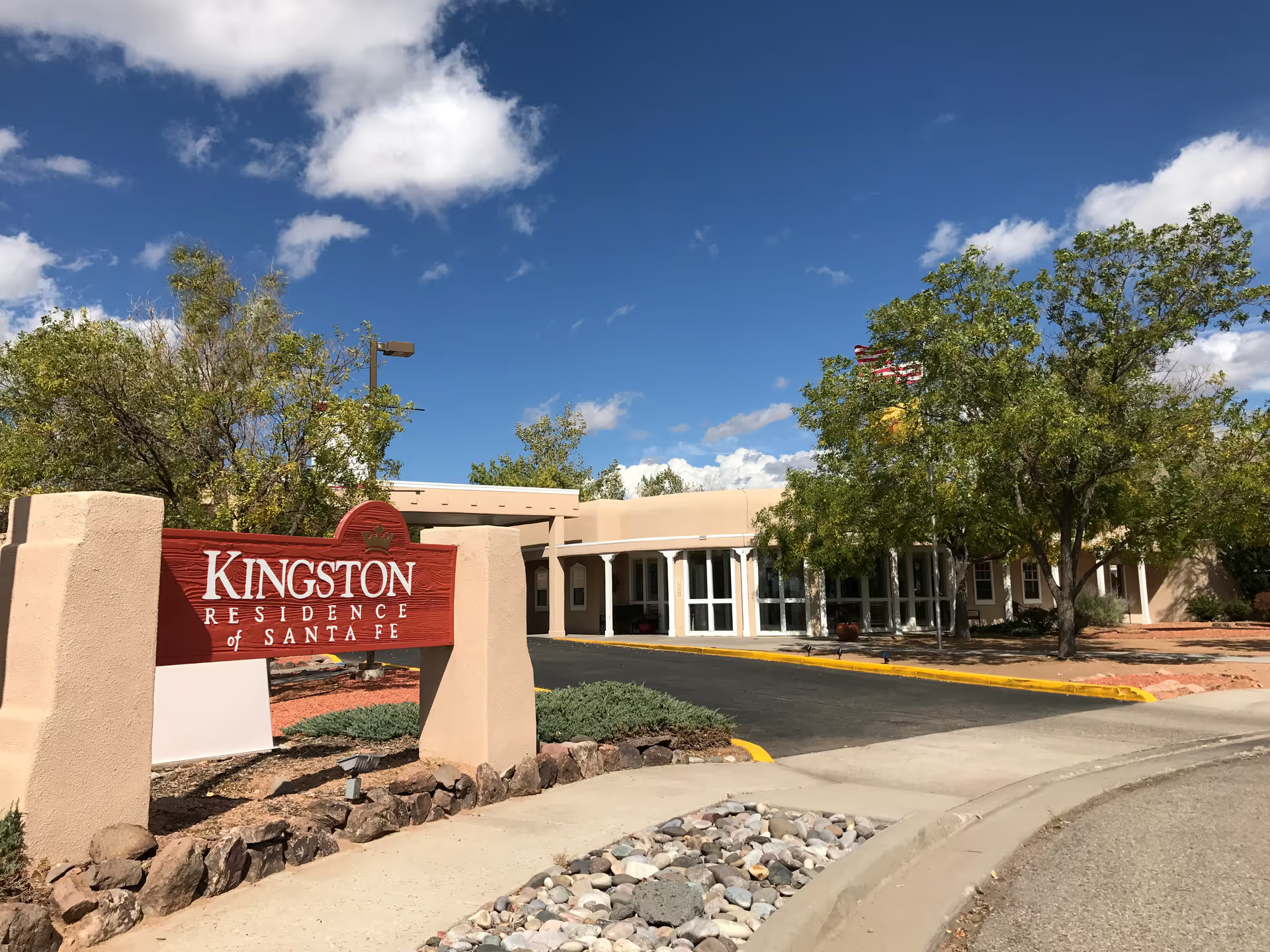
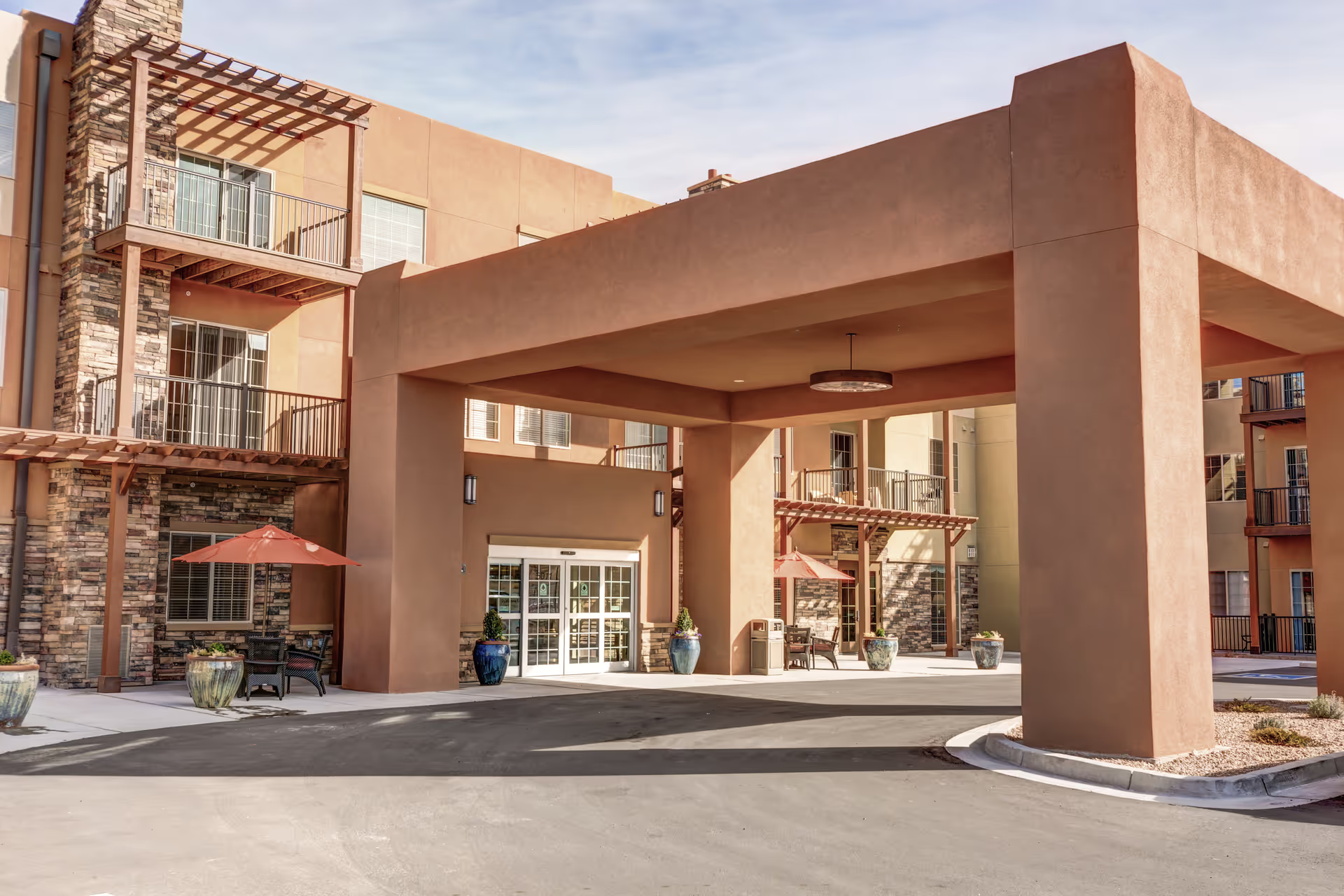
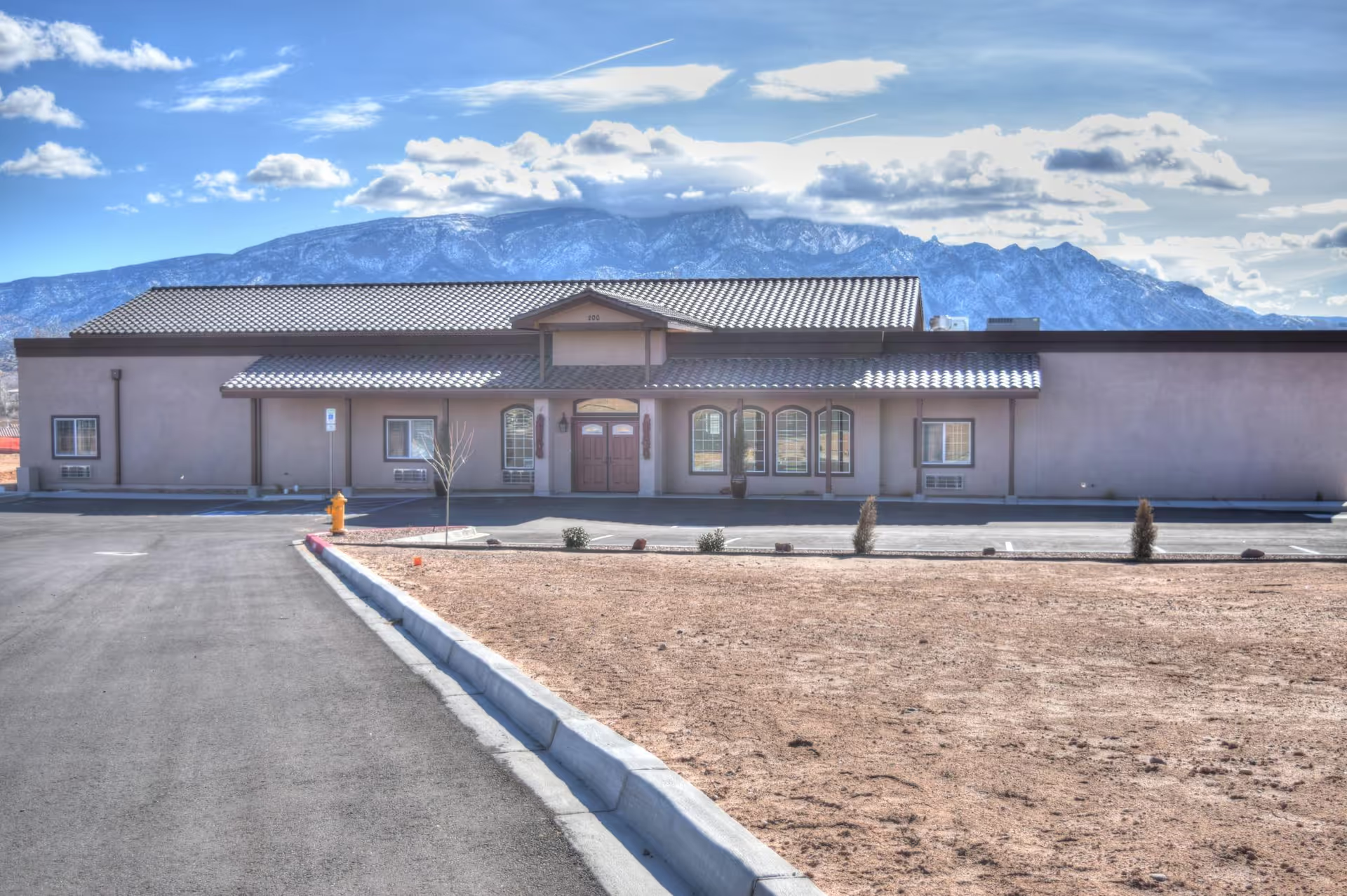
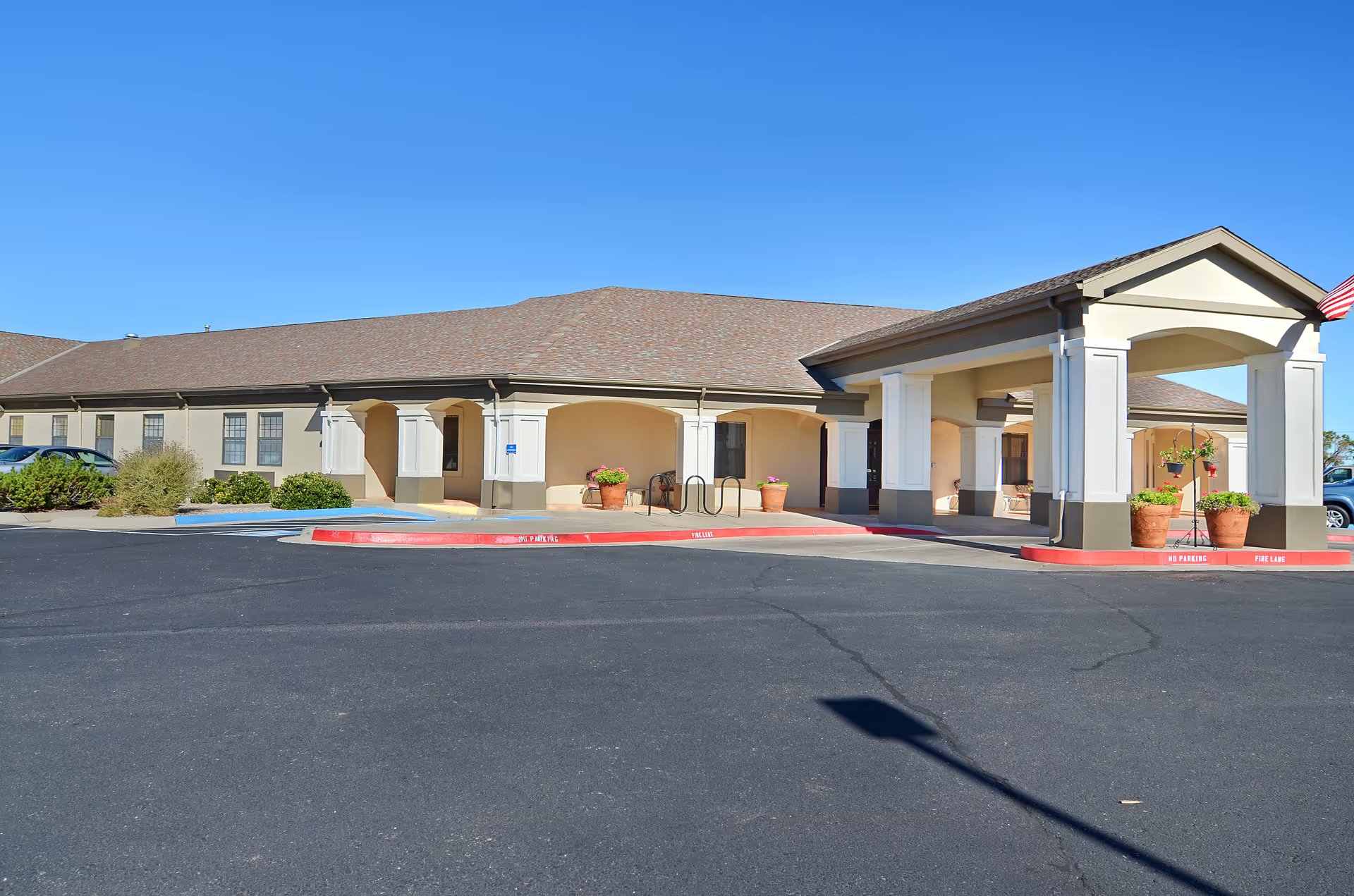
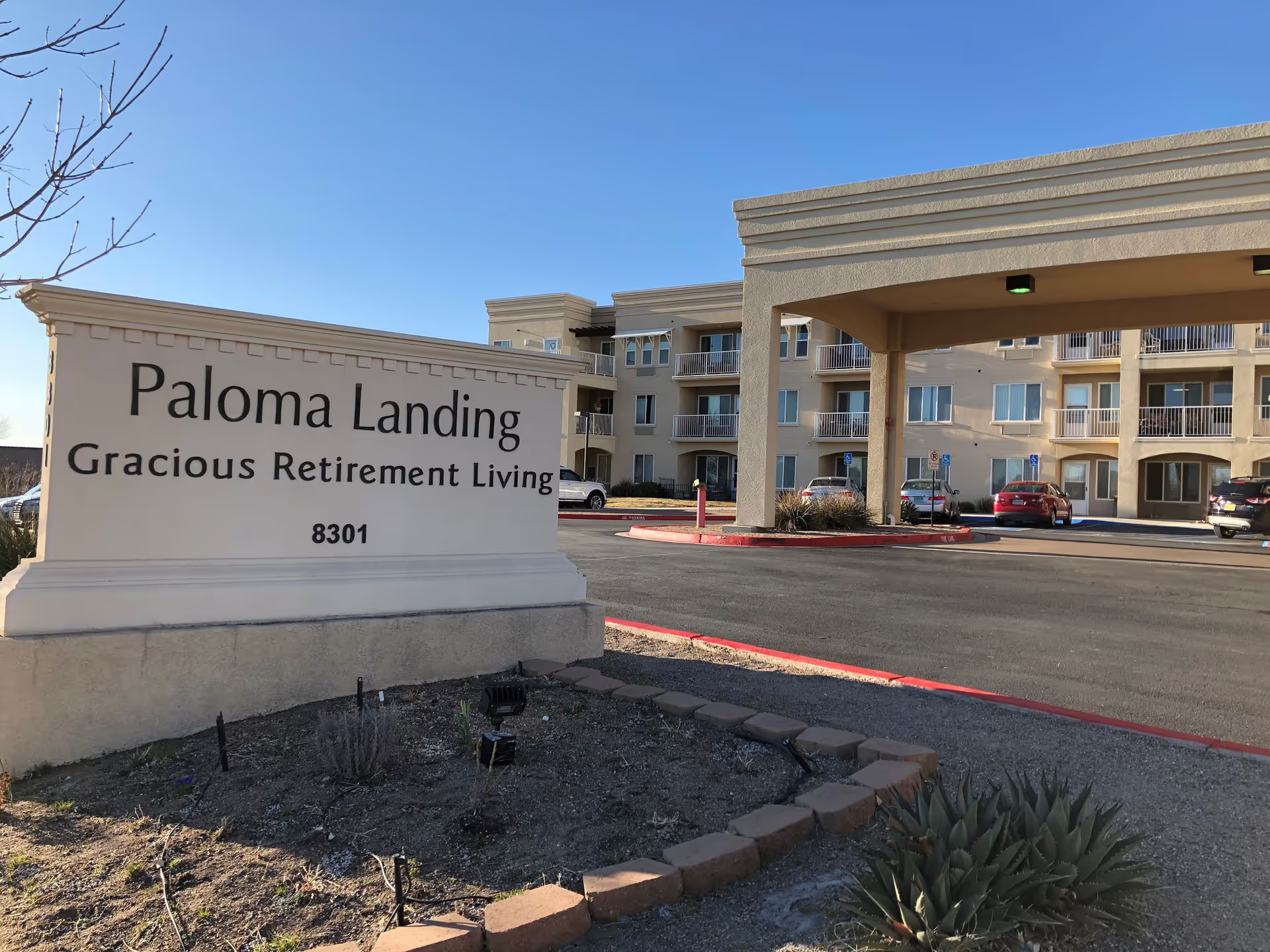
Casa Real elicits strongly mixed impressions. Many families and residents praised the rehabilitation services and individual caregivers: physical, occupational and speech therapy receive frequent positive comments for effectiveness, and numerous CNAs and nurses are described as compassionate, diligent and outcome-focused. The facility’s admissions and visitor-recognition processes are often noted as efficient, and common spaces such as the lobby and outdoor courtyard are viewed positively. A dedicated COVID-isolation unit and some examples of solid infection-control practice were also reported.
At the same time, recurring operational weaknesses create substantial variability in care experience. Chronic understaffing and high staff turnover are dominant themes and appear to contribute to delays in responding to resident needs, missed or late medications, and inconsistent toileting and repositioning schedules. Reviewers described concerns about medication-administration controls, documentation gaps after incidents, and uneven follow-up on clinical issues such as skin integrity and falls. These operational gaps have led some families to escalate concerns to outside agencies and to question the facility’s clinical oversight.
Sanitation and environmental maintenance were inconsistent across accounts. While some visitors found the facility clean and orderly, others described sanitation concerns including bathroom mold, odor issues in certain units, and lapses in housekeeping. Laundry and personal-property management problems — missing clothing or lost wallets — were reported repeatedly and point to process weaknesses in personal effects handling. Dining quality also appeared variable: several reviewers criticized food temperature, limited menu variety, and nutritive adequacy, although other reviewers noted acceptable local-style meals.
Management and communication are additional areas of divergence. Positive experiences cite approachable intake staff and visible, helpful leadership; negative accounts emphasize unresponsive or directive management, inconsistent follow-through, and difficult family communication about care plans, clinical status, and billing. Front-desk coverage and exterior-door security were flagged as operational gaps in some reports, and telephone access/return-call reliability was described as limited. Reviewers also observed pockets of strong morale under certain supervisors and named caregivers who improved experiences, indicating that leadership and culture may vary by unit or time period.
Activity programming and quality-of-life offerings range from engaging music and recreational events to periods of low stimulation and boredom for some residents. Therapy availability was generally regarded as a strength, but reviewers noted variability in scheduling intensity and consistency. Taken together, Casa Real appears to offer high-quality rehabilitation and several committed direct-care staff members, but operational weaknesses — particularly staffing levels, medication and documentation controls, sanitation consistency, dining quality, and management responsiveness — create a mixed overall picture.
For prospective residents and families: an on-site visit that includes review of current staffing ratios, medication-safety policies, incident-reporting practices, laundry/property procedures, recent regulatory history, and sample activity and meal schedules is advisable. Asking for recent inspection or investigation outcomes, clarification about therapy frequency, and names of consistent clinical contacts can help set expectations and identify whether the facility’s strengths align with the prospective resident’s needs.