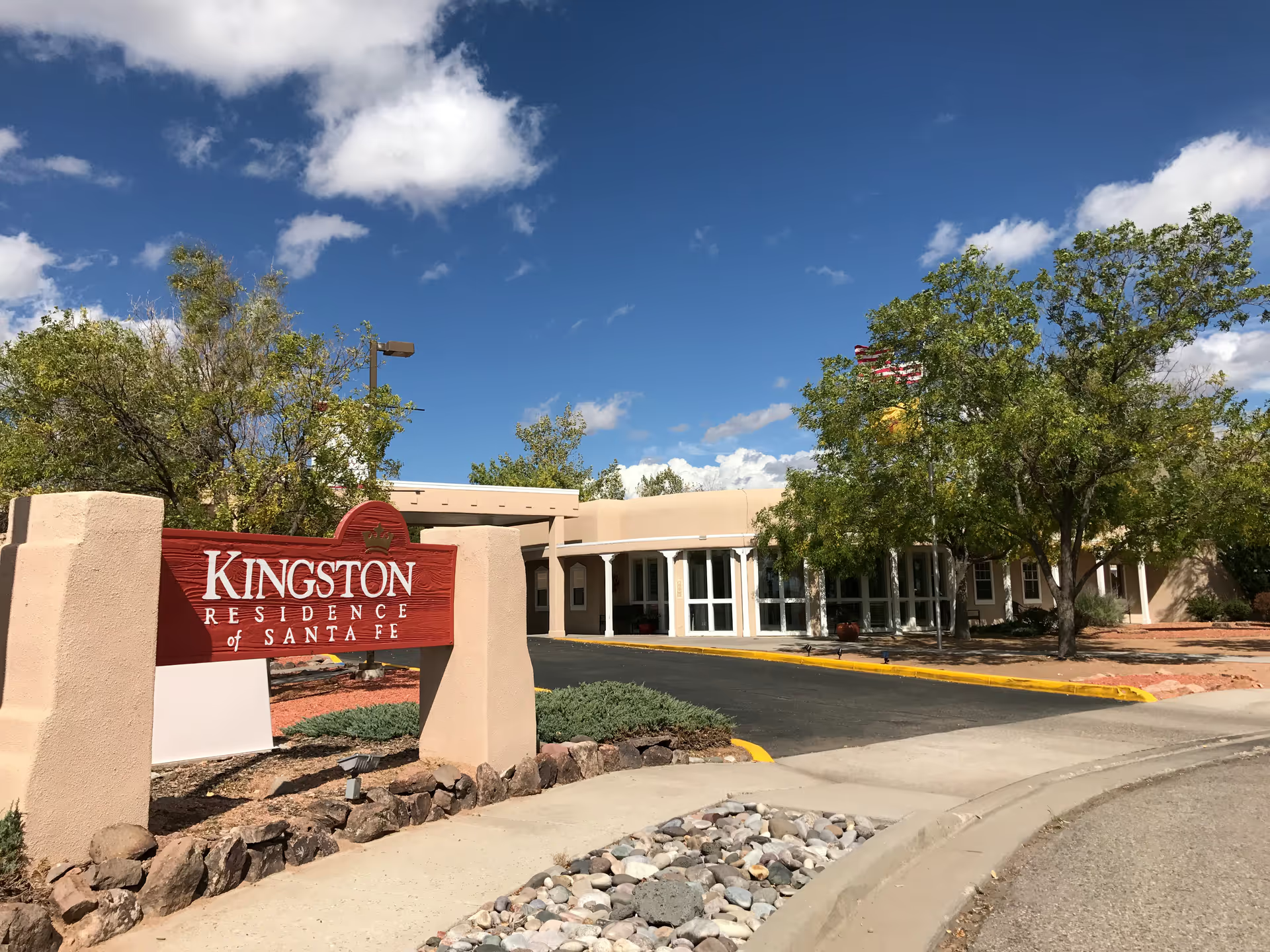
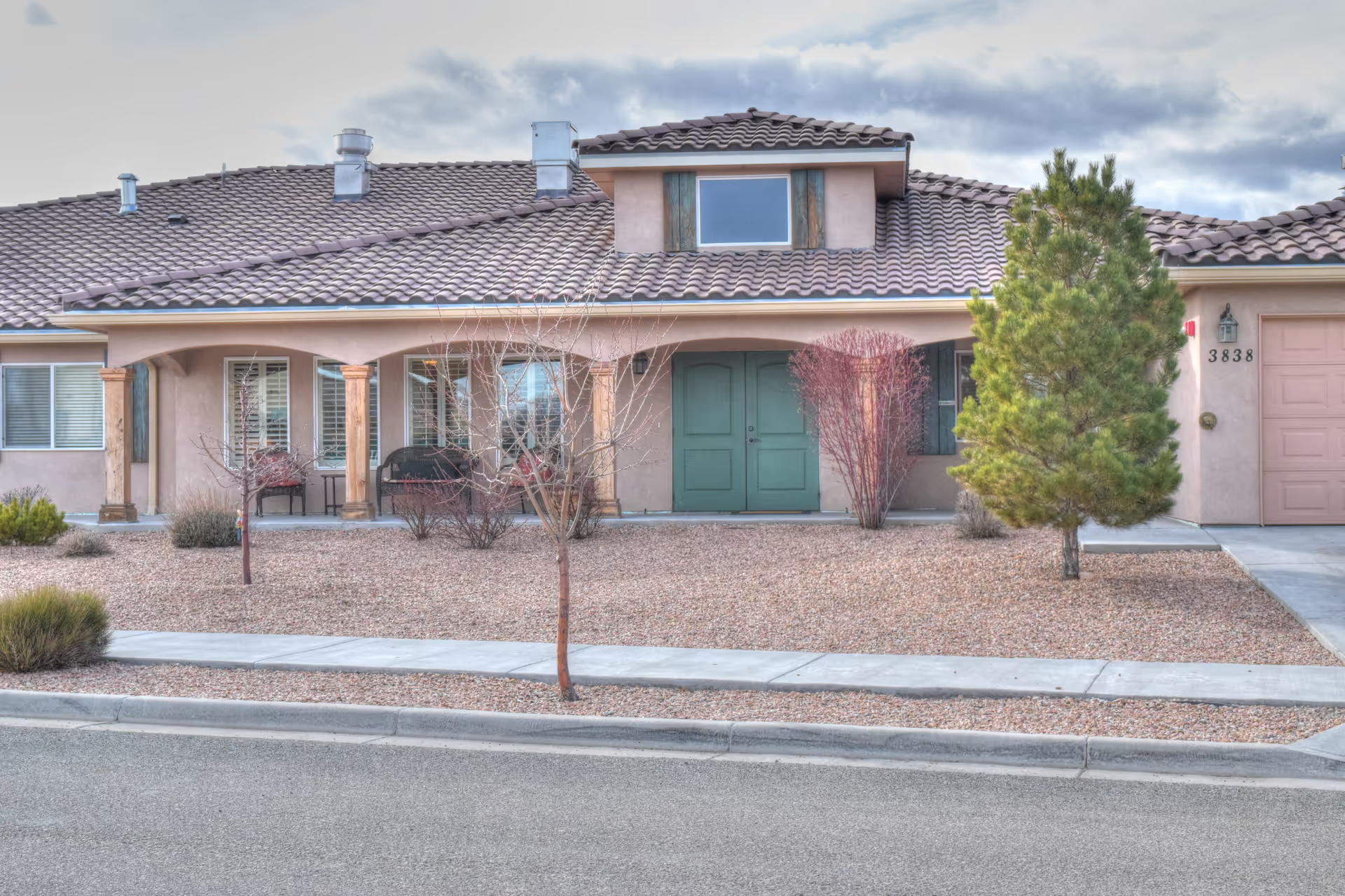
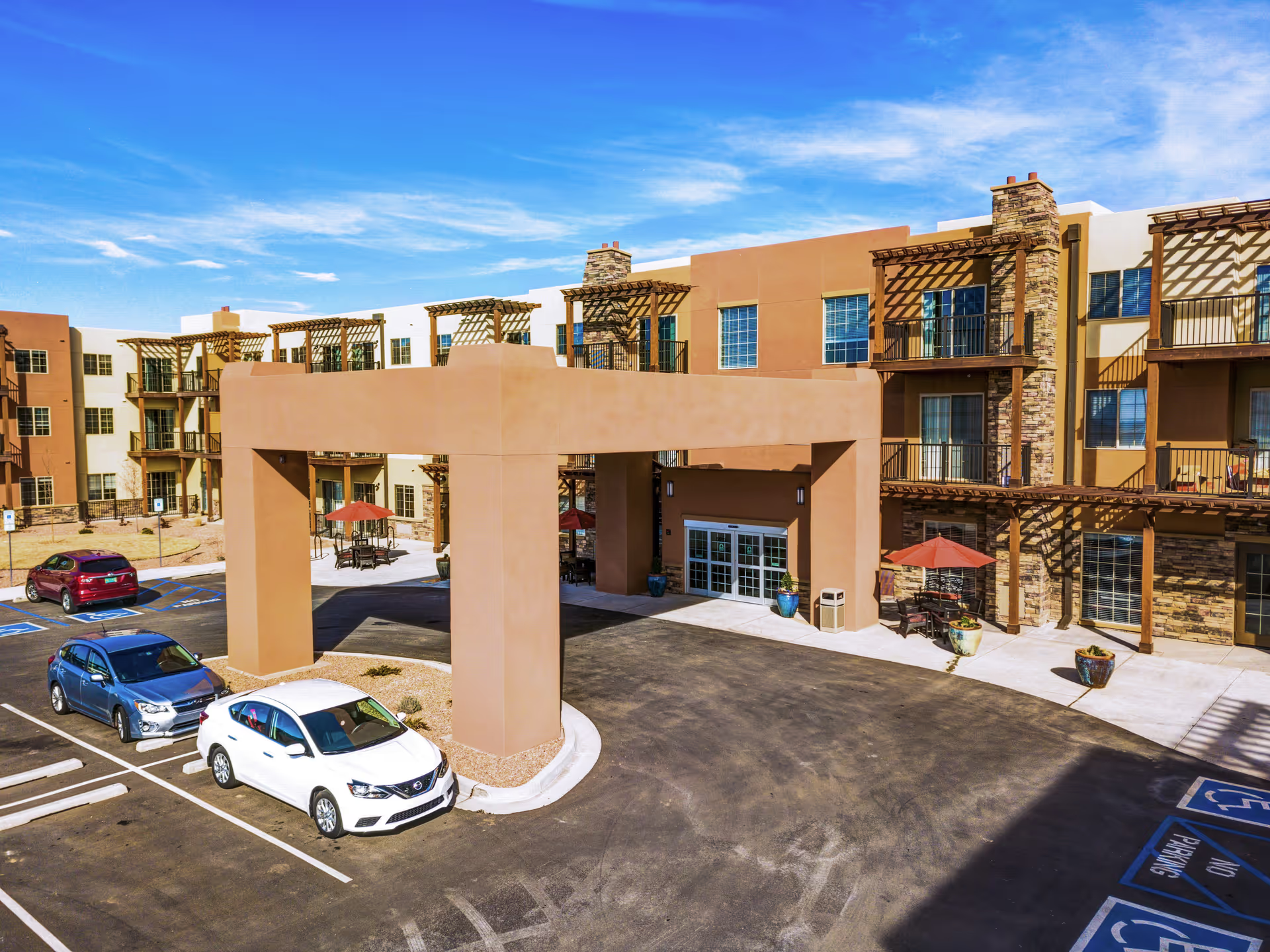
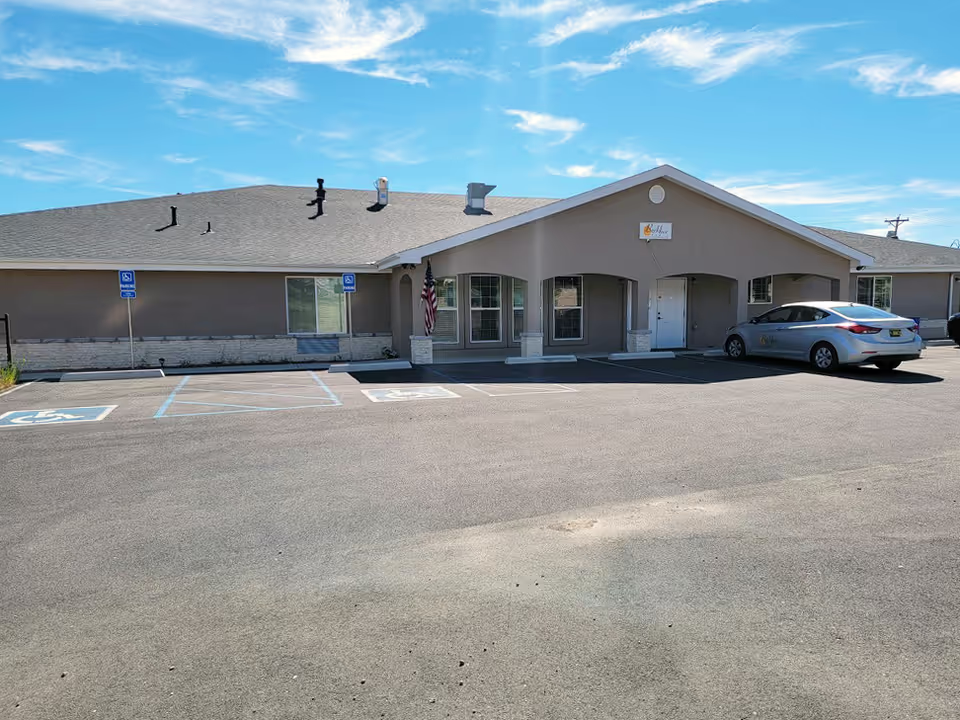
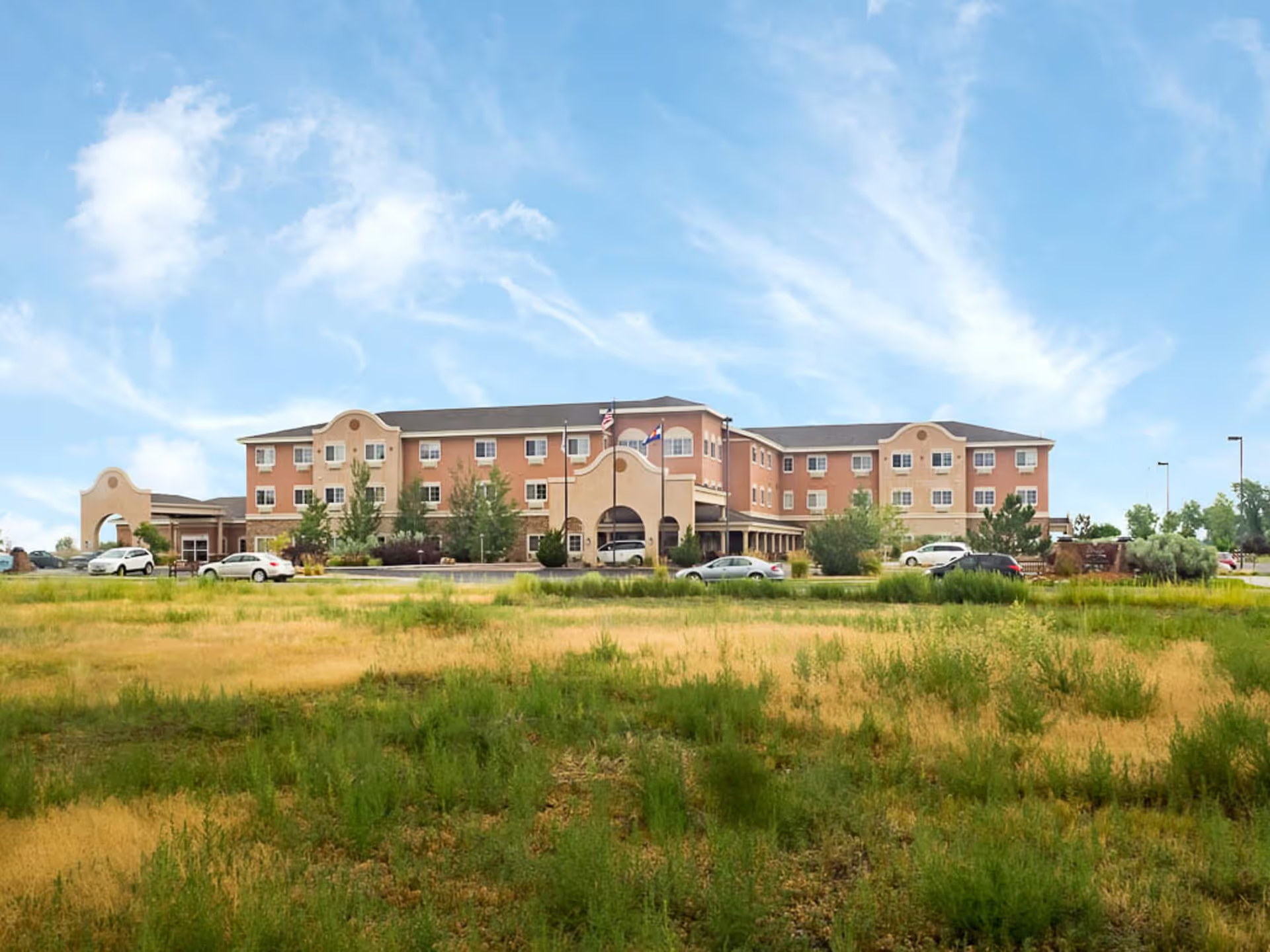
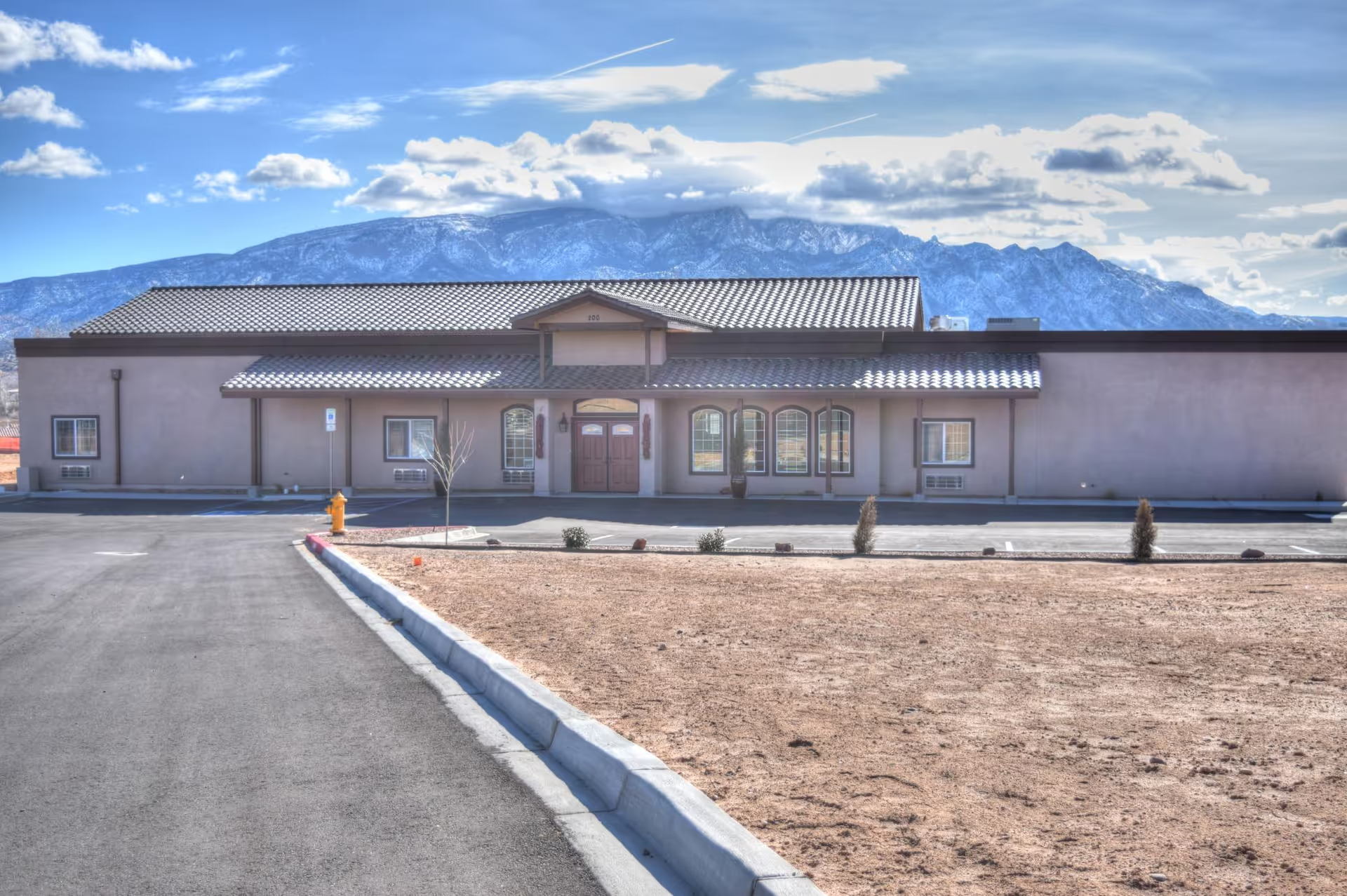
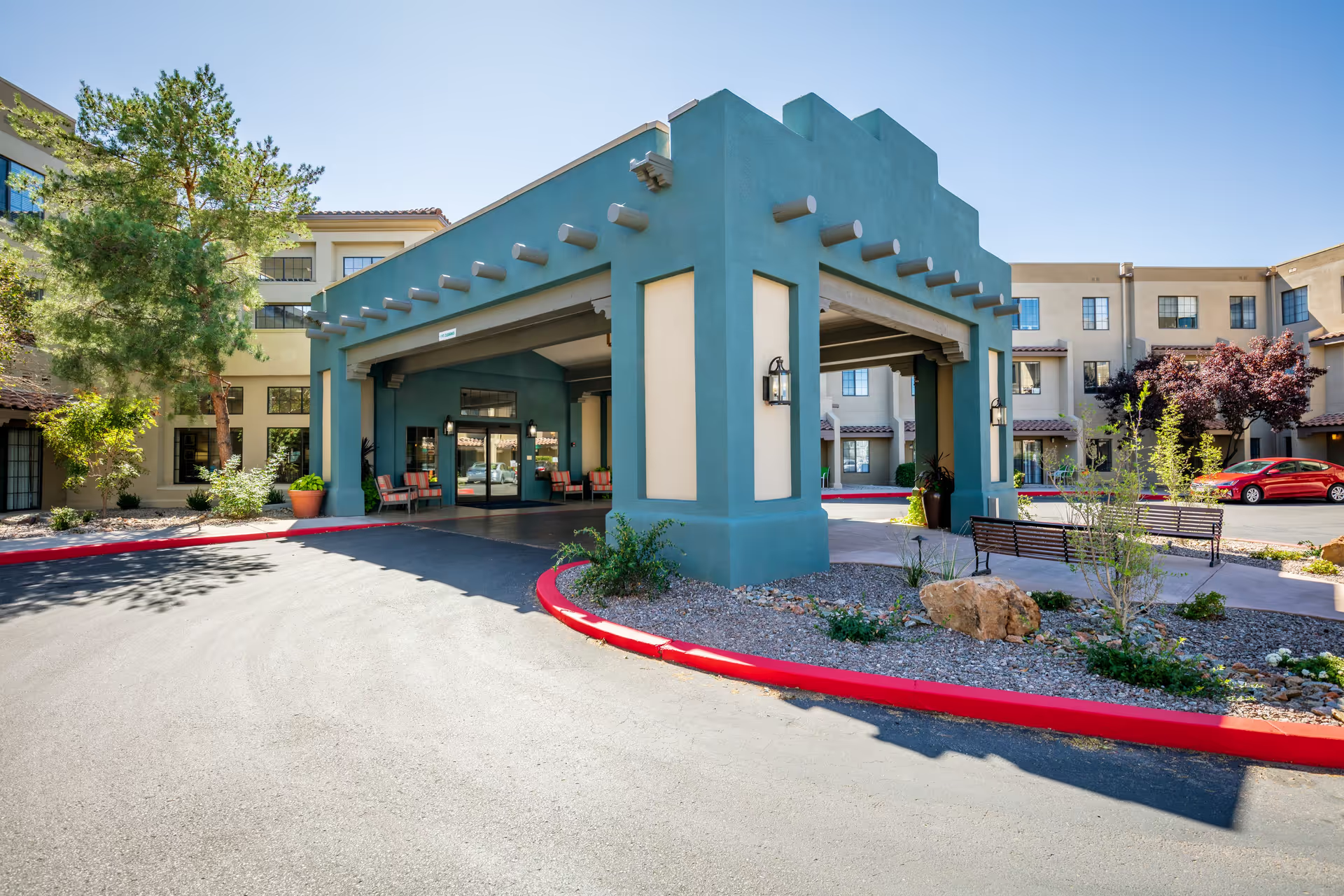
Taos Retirement Village elicits strongly mixed impressions. Many accounts emphasize the facility's small scale, attractive grounds, unique apartment layouts and a visible effort to personalize residents' living spaces. For families seeking a home‑like setting with an active social calendar, chef-prepared meals, bistro lunches, and frequent activities, the community often delivers a warm, social environment and a strong sense of resident-to-resident support.
Care and staffing are described unevenly. Positive descriptions point to compassionate, attentive caregivers, individualized attention, and staff willingness to tailor approaches for end-of-life needs. Conversely, reviewers raise concerns about persistent understaffing, limited clinical coverage (often a single RN), high turnover, and instances where less-experienced staff appear insufficiently trained for complex geriatric needs. These operational issues are associated with inconsistent responsiveness and variability in day-to-day care quality.
Dining is a prominent area of divergence. Several accounts praise a talented chef and appealing meals, while other accounts describe inconsistent meal quality and service lapses (for example, missing utensils or irregular meal service). That contrast suggests dining experiences may vary by shift or day, rather than being consistently uniform across the community.
Activities and community life are generally characterized positively: the facility offers an open activities program, frequent social opportunities, and a welcoming atmosphere for visitors. Many reviewers highlight that residents form friendships quickly and that staff facilitate engagement and adjustment to community life.
Facility maintenance and cleanliness generate mixed feedback. The grounds and renovated interior spaces are frequently praised, yet there are also mentions of cleanliness and sanitation concerns in some common areas and in the management of incontinence-care procedures. Some accounts reference limited supplies and sparse furnishings in parts of the community, indicating variability in upkeep and resourcing.
Management and operations show a split pattern. Some families commend proactive owners and visible improvements; others describe leadership instability, revolving executive directors, poor communication with families, and unresponsiveness to concerns. Several reviewers link operational weaknesses—staffing, training, supplies, and communication—to managerial turnover and gaps in oversight. Cost is a recurring consideration: priced at a premium relative to local options, the facility's pricing is viewed as less justifiable where service consistency is lacking.
Notable patterns for prospective residents and families: the community can offer a close-knit, attractive living environment with strong social programming and excellent dining under the right conditions, but the quality of clinical care, staffing reliability, sanitation practices, and management responsiveness appear uneven. A thorough on-site visit is recommended—ask for current staffing ratios and RN coverage, recent turnover history, cleaning and incontinence-care protocols, examples of staff training, daily sample menus and meal-service procedures, and references from current resident families—to assess whether the facility's strengths match your expectations and care needs.