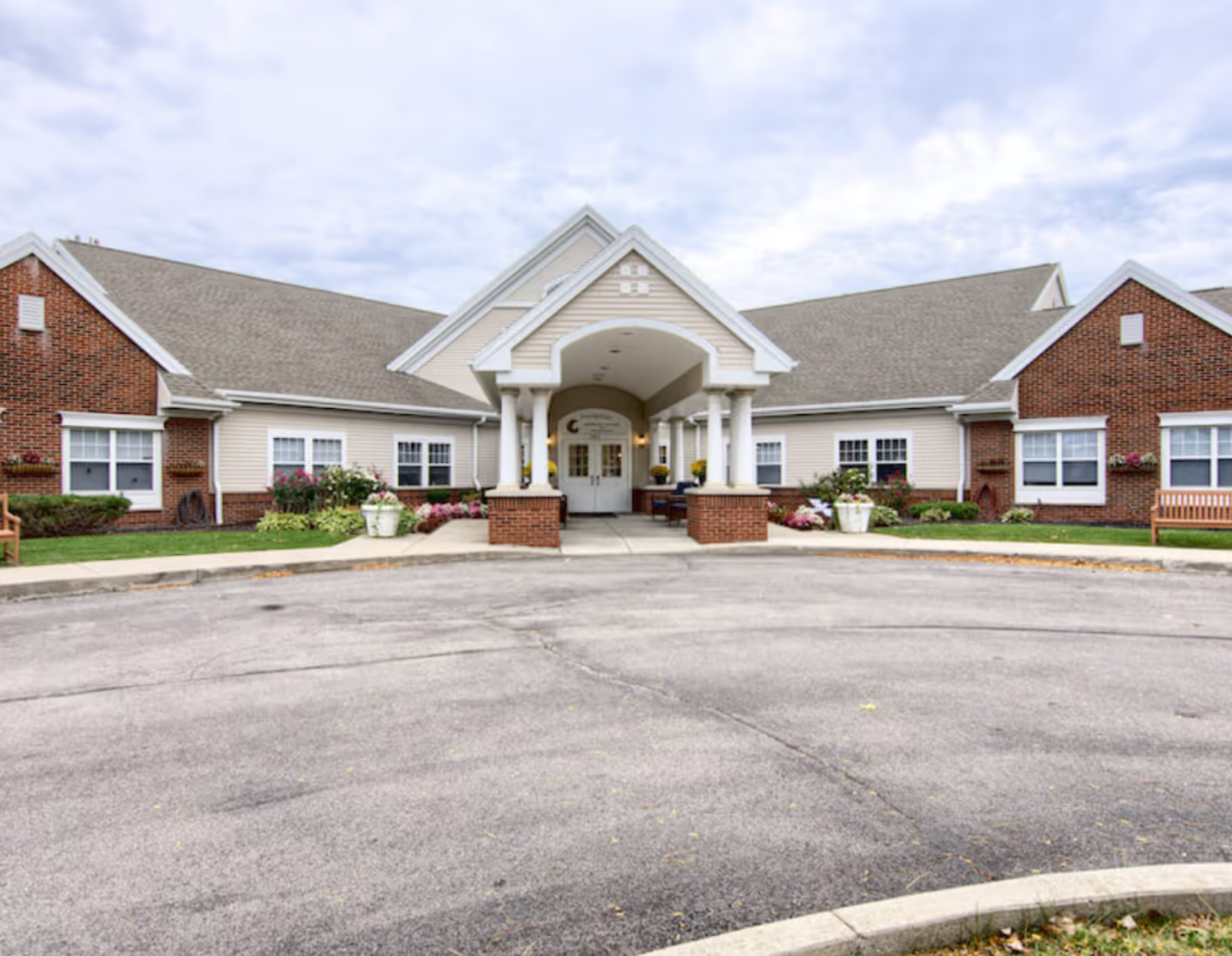
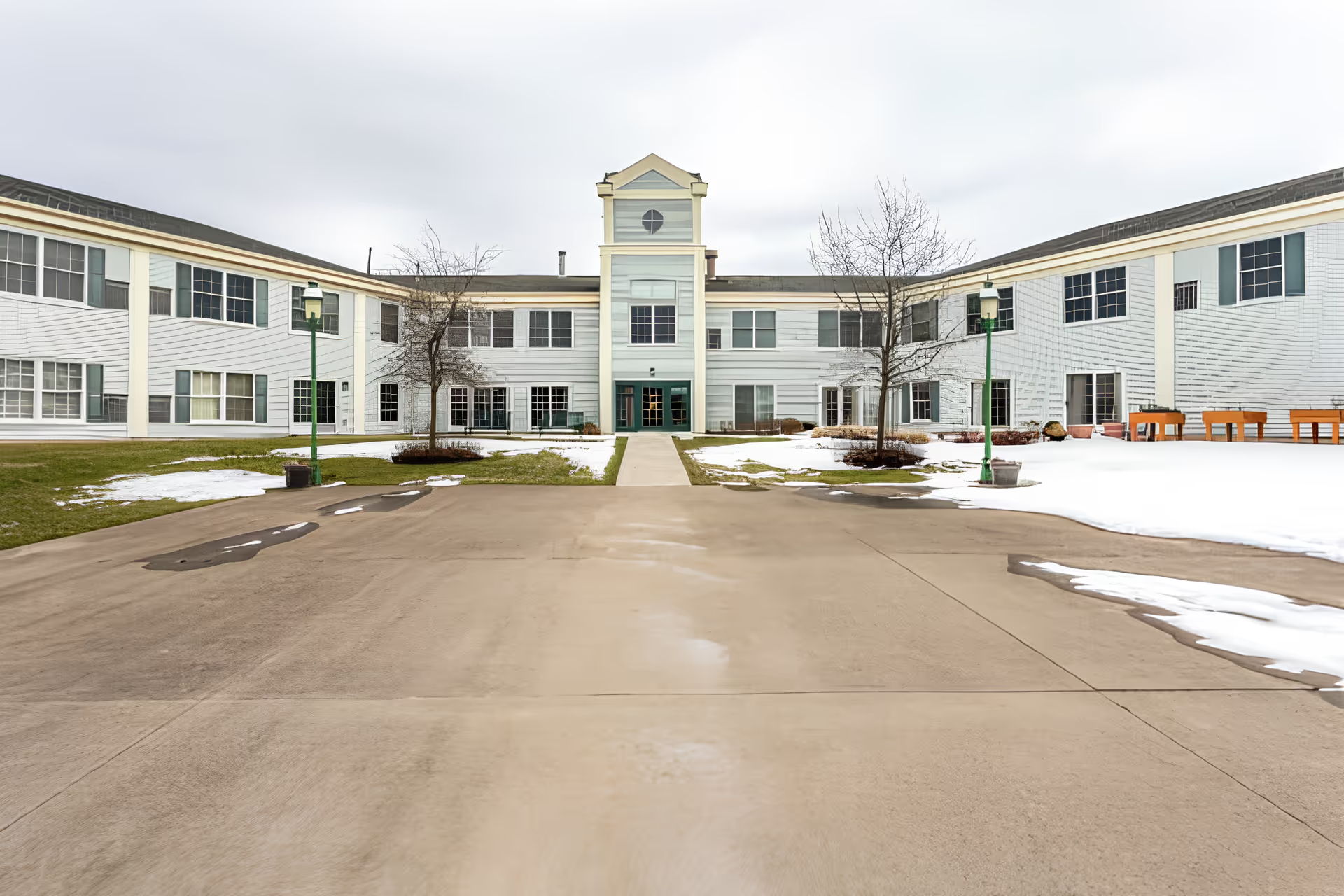
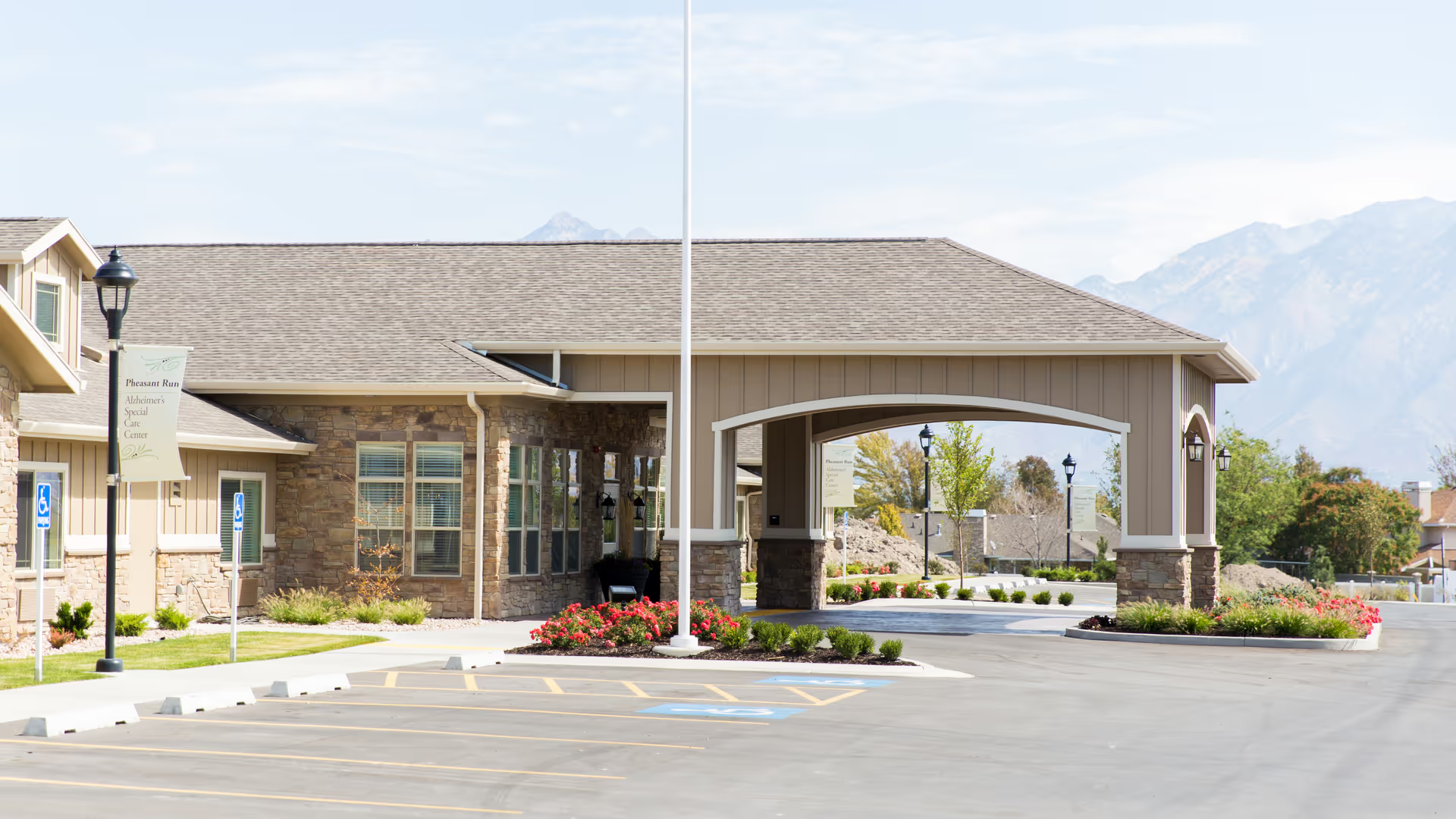
Eden Heights of West Seneca receives a mix of strongly positive experiences and specific operational concerns. Many families praise the caregiving team as compassionate, friendly, and attentive; reviewers commonly describe a home-like atmosphere, clean rooms and public areas, and a strong social calendar that includes music visits, bingo, crafts, religious services, and regular outings. The single-floor layout, wide hallways, courtyards, and on-site amenities such as a salon, ice cream parlor, game room, and café are repeatedly noted as strengths that support mobility and day-to-day engagement.
Clinical and direct-care impressions are mixed. Several reviewers highlight reliable onsite nursing and therapy services and prompt day-to-day responsiveness for routine requests, while others describe operational weaknesses in medication administration and personal-care scheduling. Specific concerns abstract into a pattern of medication-administration and pharmacy-coordination gaps, and inconsistent bathing or hygiene scheduling. There are also references to limitations in diabetic care because some clinical tasks are contracted out, which may constrain on-site chronic disease management for some residents.
Staffing and management present another area of variability. Positive accounts emphasize dedicated, caring aides and nurses and helpful front-office staff. Conversely, reviewers also report staffing shortages, high turnover, and uneven staff training or communication tone; these factors appear to contribute to inconsistent service experiences. Management changes and what some families describe as cost-focused administrative decisions have led to perceptions of inconsistent responsiveness. Prospective families should note facility policies such as direct-pay requirements, notice periods to move, and veteran-benefit paperwork timelines when evaluating fit.
Dining and activities are frequently cited as highlights: many reviewers describe varied menus, three daily meals with choices, and a large dining room that supports socialization. At the same time, there are accounts that indicate inconsistent mealtime assistance or social dining engagement for residents who need extra support. The activity program generally appears robust, with seven-day programming, outings, and therapeutic visits, but some families reported cancellations or declined field trip participation, suggesting occasional gaps between planned and delivered programming.
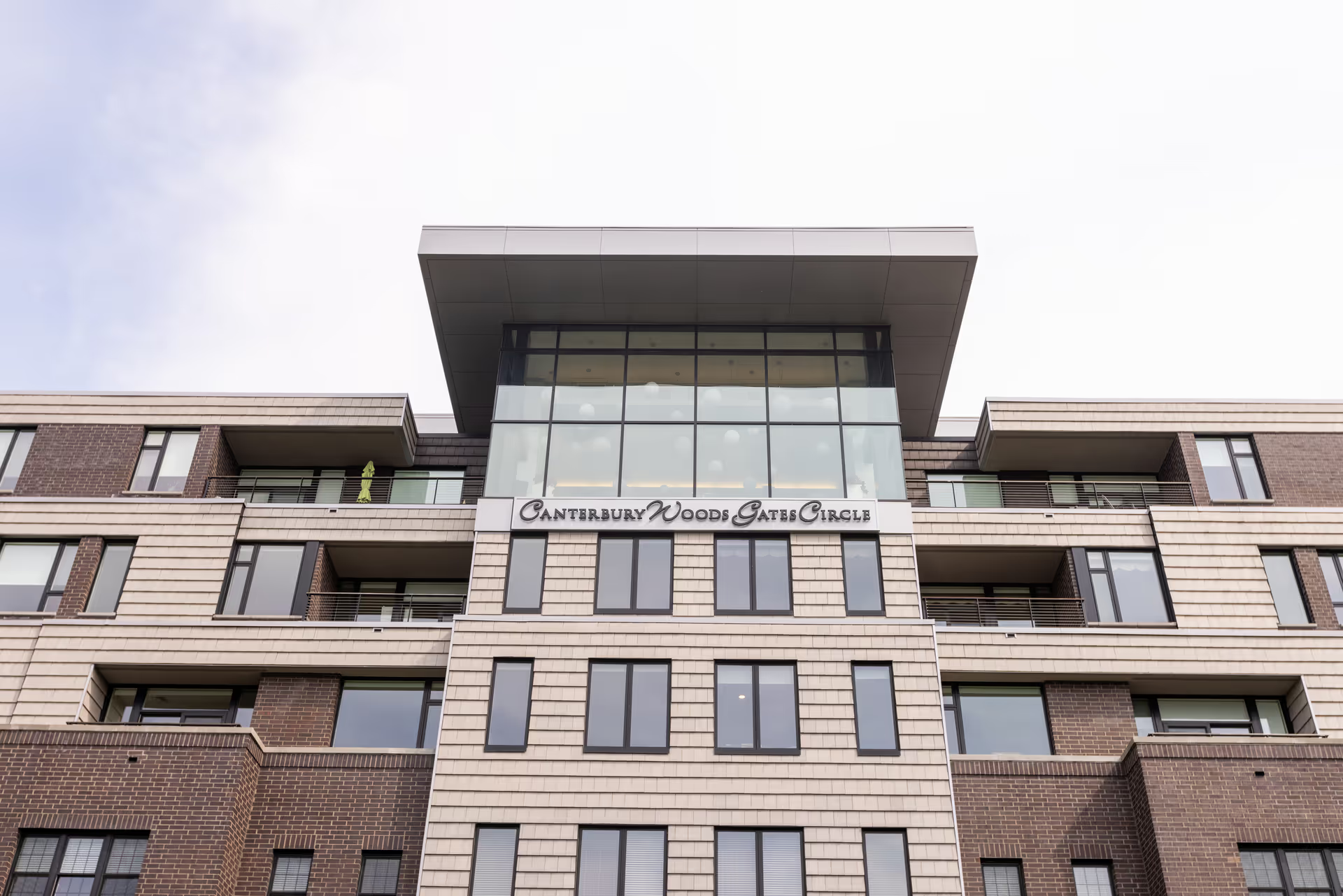
The physical campus is described as well-kept overall but older in places. Strengths include accessible design elements (zero-entry showers, one-floor plan), outdoor courtyards, and comfortable communal spaces. Some reviewers note that certain areas could benefit from further modernization or décor updates. Value perceptions vary: some families find the community affordable and a good fit; others view cost as high relative to the services received.
Notable patterns for prospective residents and families: many long-term residents and families express high satisfaction with staff caring and the social environment, while a measurable subset of reviewers raise operational concerns that affect trust—most prominently medication handling, personal-care scheduling, and staffing consistency. There are also serious individual-level allegations concerning placement and level-of-care representation; such claims warrant careful inquiry during a tour. Recommended steps when evaluating this facility include asking for detailed medication-management protocols, staffing ratios, examples of recent activity calendars and outing follow-through, clarification of clinical services (especially diabetic care), an explanation of administrative policies and fees, and a walkthrough of specific room options and accessibility features.