Overall impression: Reviewers overwhelmingly describe a facility with strong, resident-centered caregiving and a welcoming atmosphere. Families commonly note attentive, compassionate staff who address residents by name, provide steady post-move support, and deliver peace of mind. Many accounts emphasize smooth transitions, proactive family communication by phone and email, and an approachable social-work and administrative presence.
Care and staff: Care quality is frequently characterized as attentive and personalized. Several reviewers highlighted staff engagement with treatment plans, respectful resident interactions, and active involvement from administration and social work. The memory-care program is described by multiple families as safe and well-run. At the same time, a smaller number of reviewers raised operational concerns that could affect care continuity: inconsistent leadership, chronic staffing shortages, and questions about staff professionalism. These issues suggest variability in team performance and potential impacts on reliability during high-demand periods.
Dining and activities: Dining receives positive feedback; meals are described as well-prepared and appreciated by residents. Reviewers also note relief for residents who no longer need to cook. Programming and social activities are a consistent strength — reviewers report a wide range of events, opportunities to socialize, and memory-support programming that supports engagement and community-building.
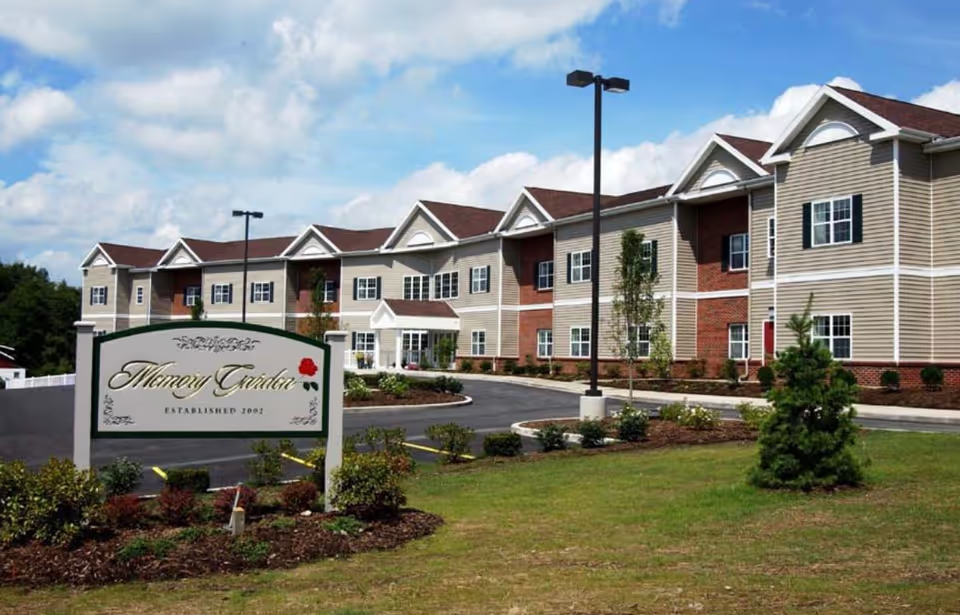
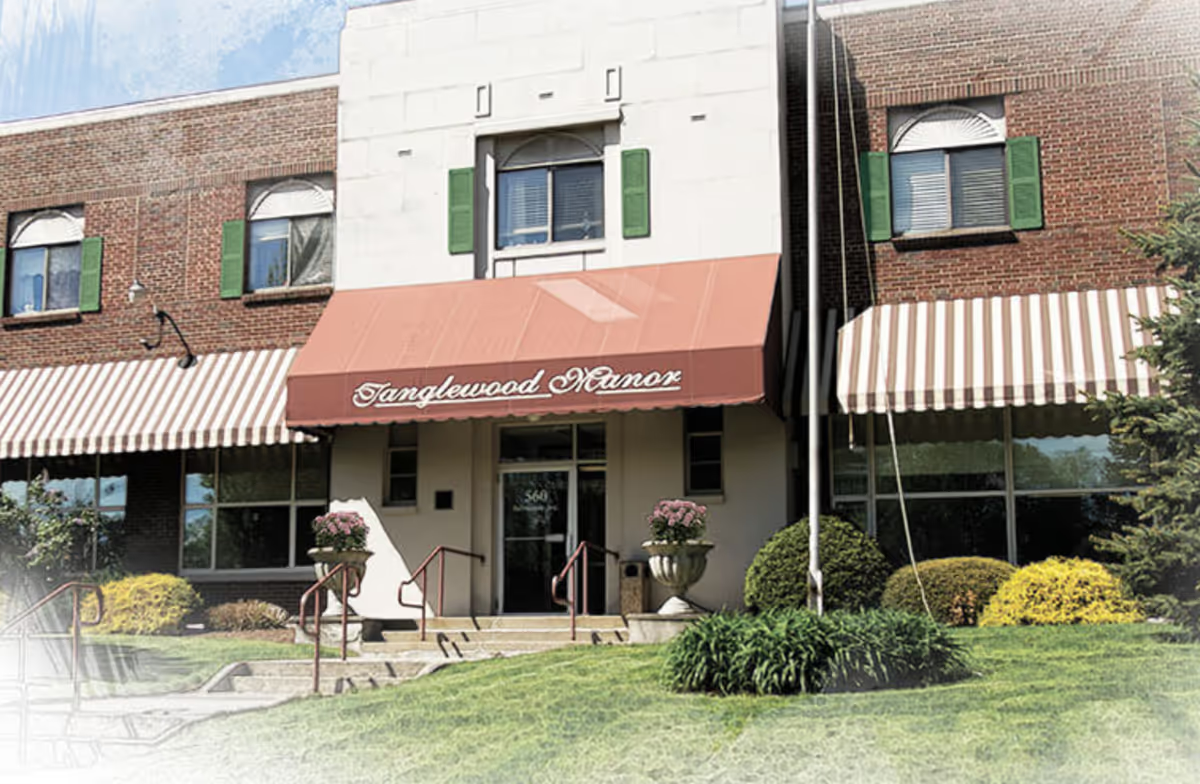
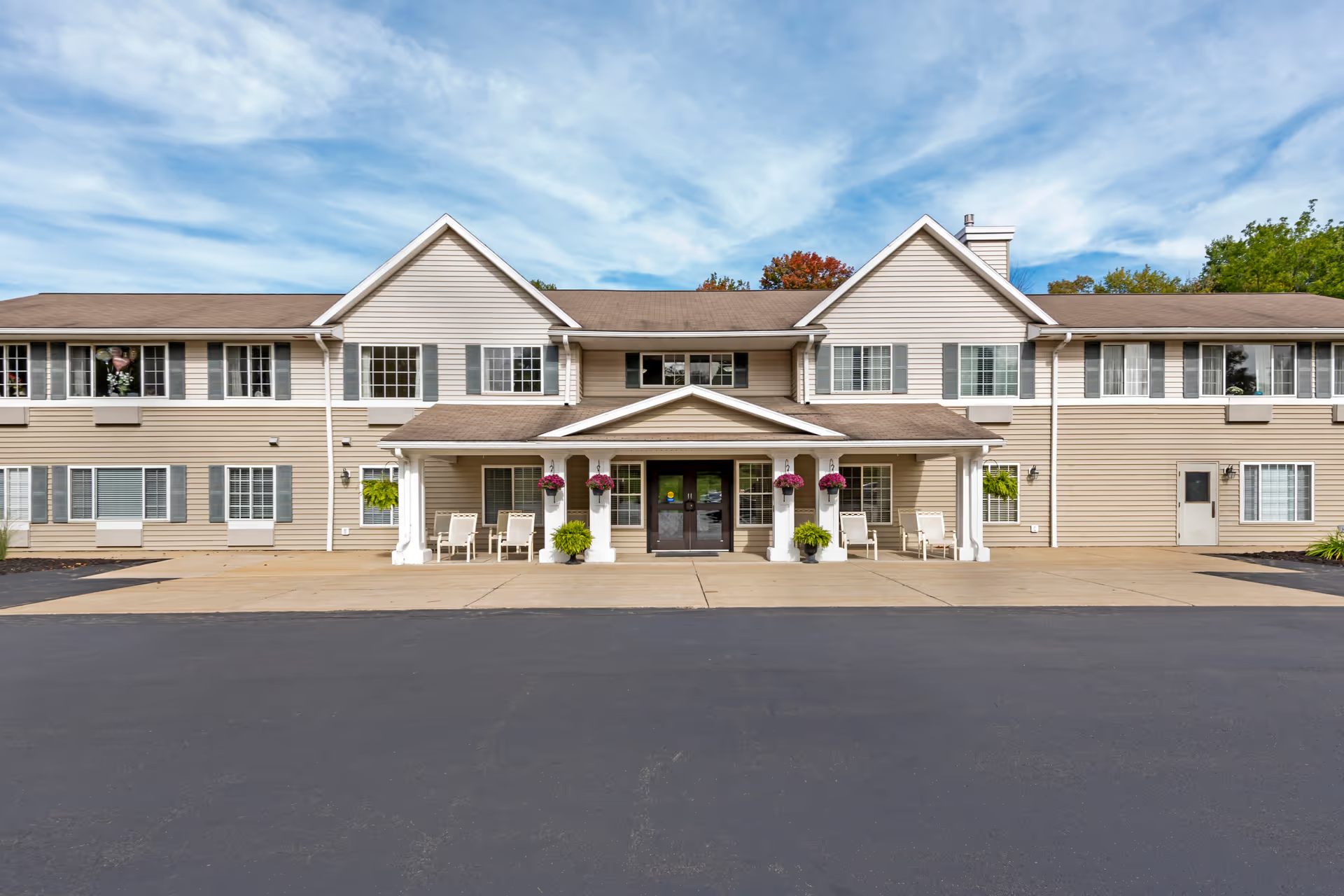
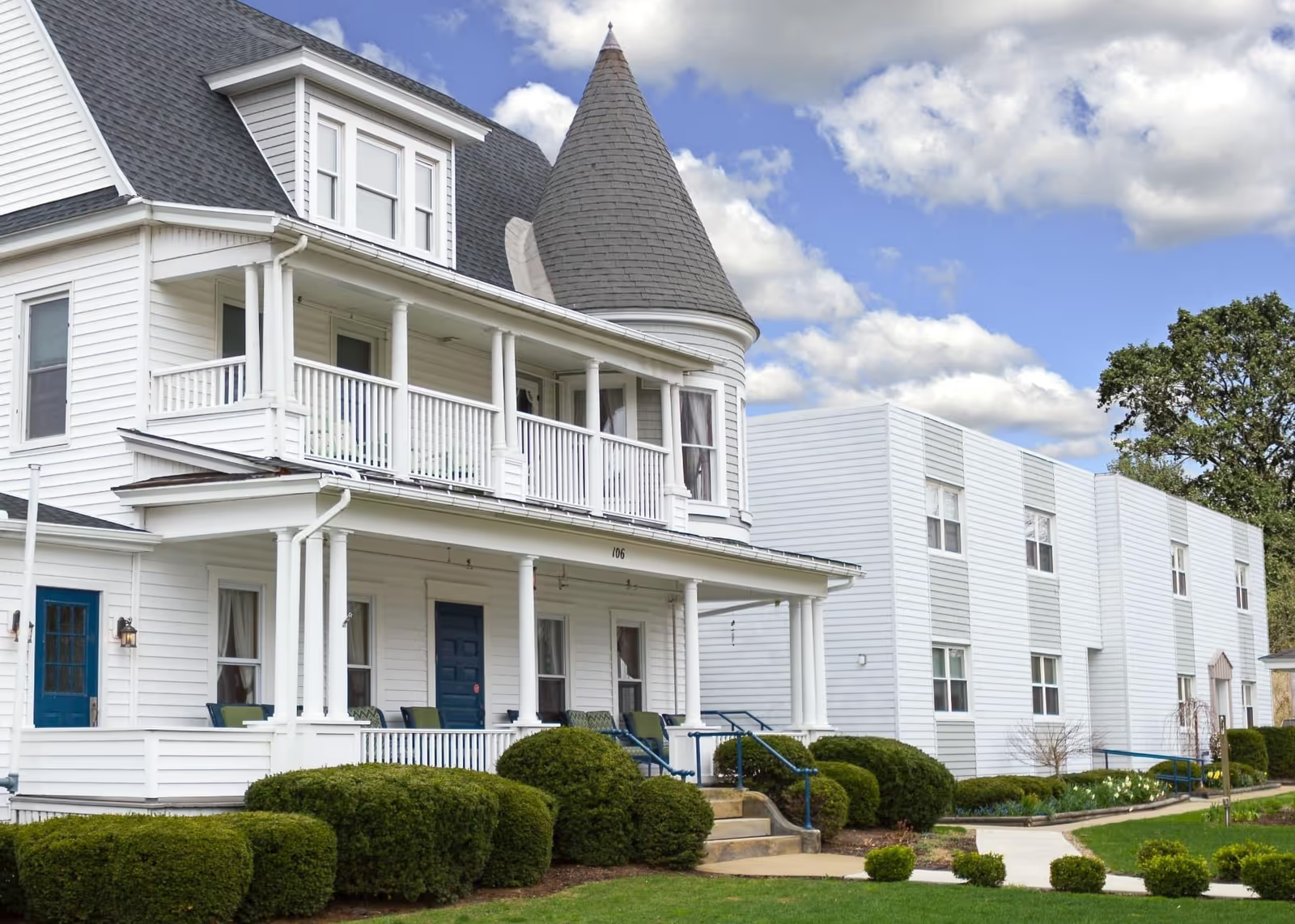
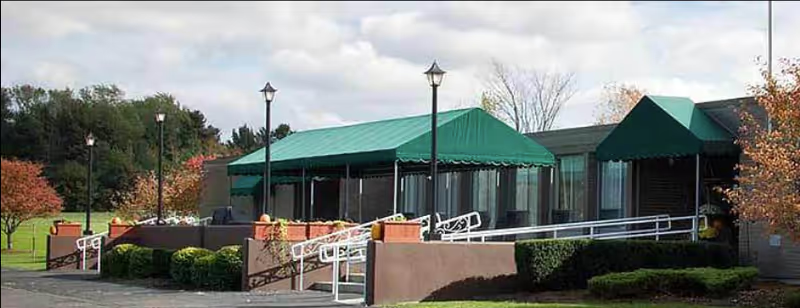
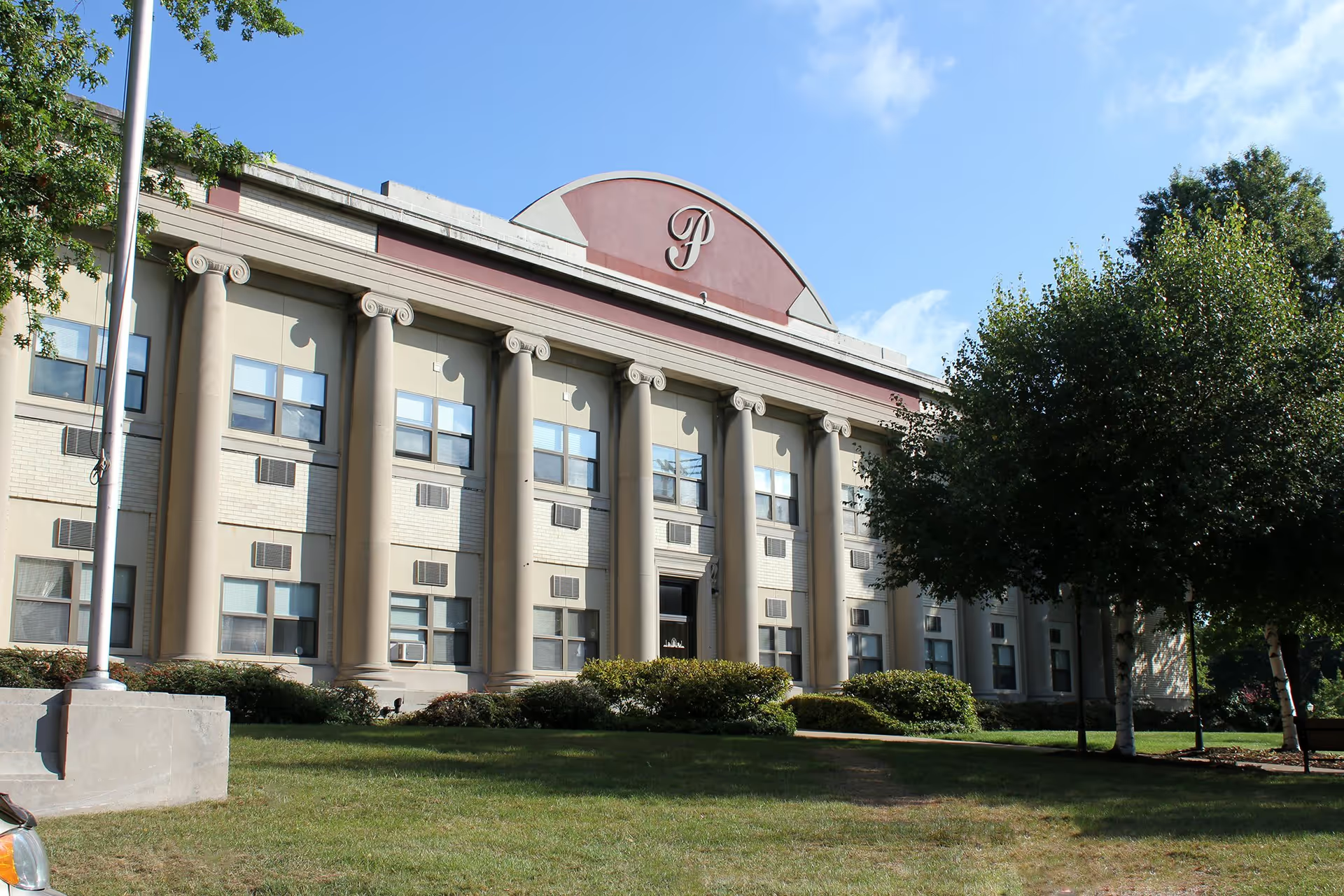
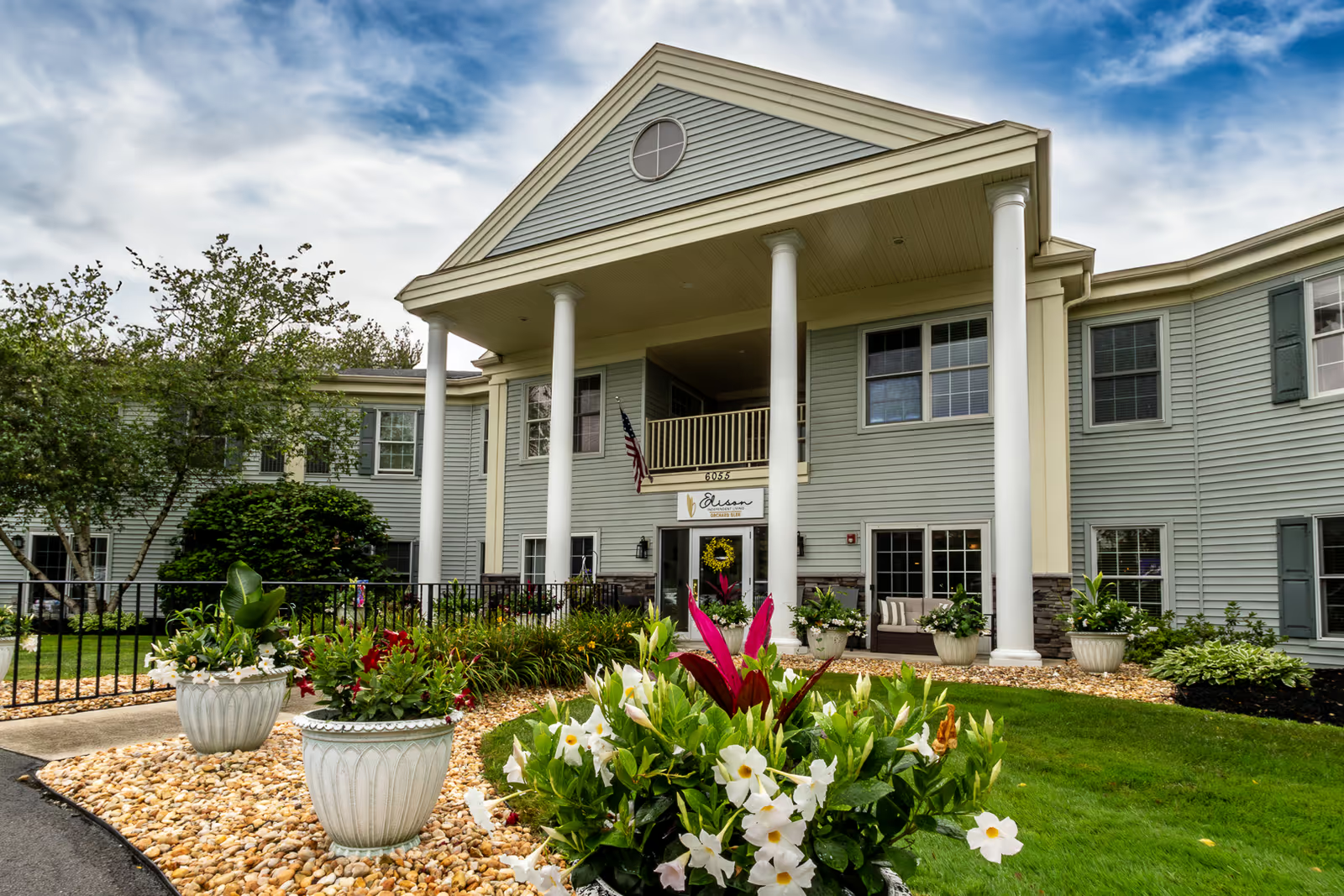
Facilities and environment: The physical environment is repeatedly described as clean, bright, and pleasant. Reviewers mention sunny apartments, attractive common areas, and an overall well-maintained facility. Cleanliness and a welcoming atmosphere are recurring positives that families cite when explaining their satisfaction.
Management and notable patterns: While many reviewers praise management and describe strong leadership, there are also clear, contrasting accounts that raise concerns about leadership consistency and internal workforce treatment. Privacy and information-handling gaps were specifically noted by some families, indicating a need to confirm data- and personal-information protocols. Taken together, the pattern is one of generally high-quality resident care and programming, tempered by occasional operational weaknesses related to staffing, leadership consistency, and professionalism.
Practical considerations for families: During a visit or intake discussion, prospective residents and families should ask about current staffing ratios and turnover rates, specific privacy and records-handling policies, availability and capacity of memory-care services, and how the facility manages coverage during staffing shortages. Verifying these operational details can clarify how the strengths highlighted by many families are maintained and how the facility addresses the operational concerns raised by others.