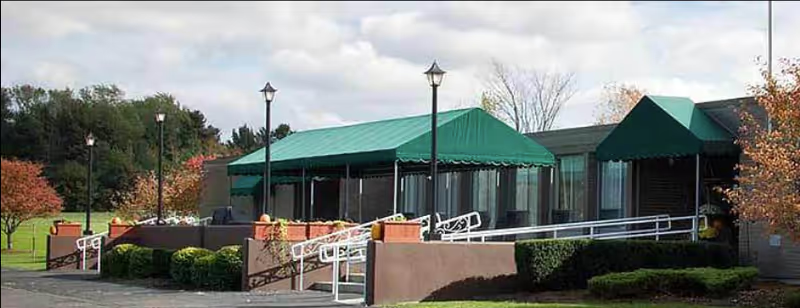
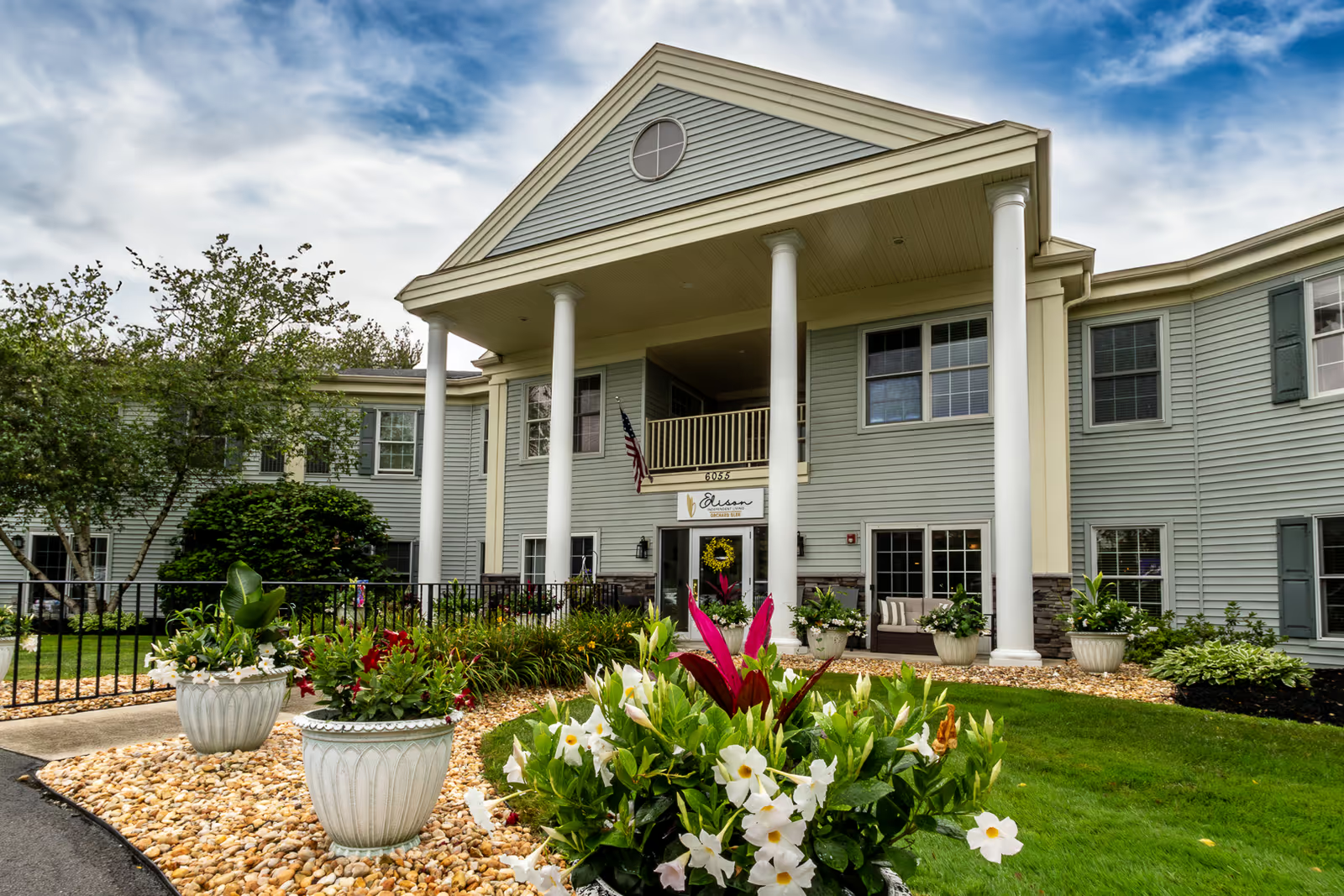
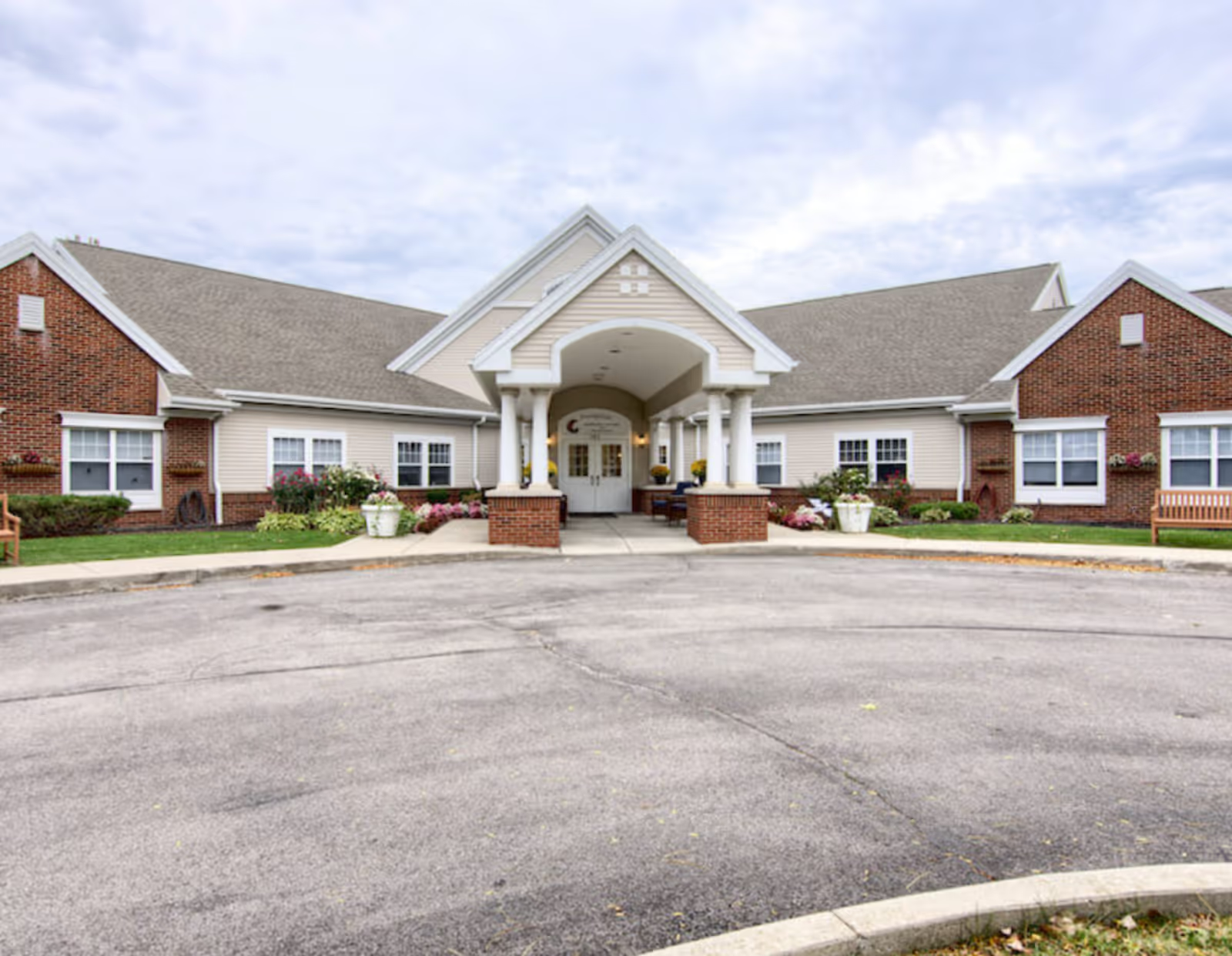
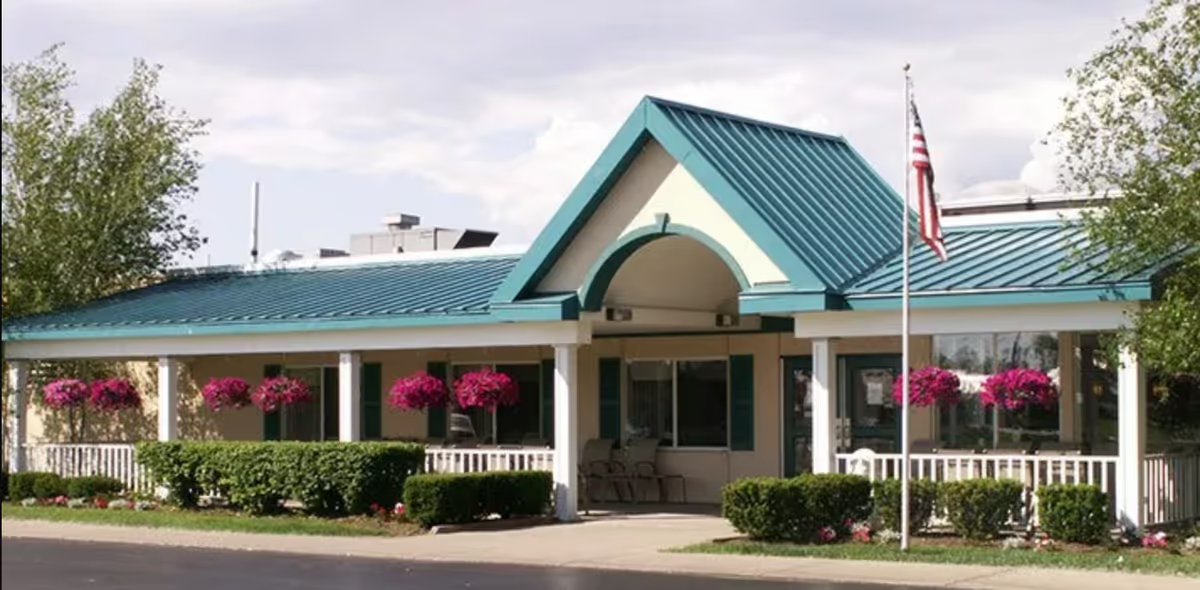
Elderwood Assisted Living at Hamburg presents as a largely well-maintained, amenity-rich assisted living community with clear strengths in facilities, dining, and social programming. Many reviewers praised the clean, renovated appearance of common spaces and apartments, the attractive and well‑decorated dining room, and a broad set of communal amenities such as a library, community room with a piano, lounges, and on‑floor kitchens and coffee stations. Unit layouts include studios and one‑ and two‑bedroom suites with private baths, and several accounts describe helpful admissions staff and a generally smooth move‑in process.
Care quality and staff interactions are a prominent positive theme: reviewers commonly describe staff as friendly, attentive, and knowledgeable, with specific mentions of helpful admissions guidance, staff who know residents by name, and on‑site clinical supports such as physical therapy and dialysis assistance. At the same time, there are consistent operational concerns that prospective families should note. The most significant of these relate to medication handling — examples described suggest gaps in medication-administration controls and witnessing processes. Reviewers also described inconsistencies in housekeeping depth and frequency, and a few noted missing personal items, which together point to the need to clarify property-safeguarding and cleaning protocols before move‑in.
Dining and activities are strengths for many residents: the community offers menu‑based dining with a variety of options, daily specials, and family dining opportunities; numerous residents enjoy the activity calendar, day trips, live music, and arts‑and‑crafts programming. However, food quality impressions vary (some find meals very good, others find them bland) and a subset of residents would prefer more engaging or varied programming. The community provides on‑site therapeutic services and frequent social events, but activity appeal may depend on individual preferences and mobility limitations.
Facility-level issues recur in the reviews. There are mentions of occasional understaffing that can affect responsiveness, aging building systems — notably elevator reliability and congestion — and a somewhat constrained outdoor environment with limited green space. Several families also noted communication inconsistencies, including scheduling errors for transportation and uneven family notification practices; a small number of accounts referenced gaps in follow‑up communication after a resident’s passing. Cost is another recurring theme: some residents and families view recent rent or fee increases as affecting perceived value.
Overall, Elderwood Assisted Living at Hamburg appears to offer a bright, activity-rich environment with many positive staff interactions and attractive communal spaces. Prospective residents and families should balance these strengths against operational issues around medication controls, housekeeping consistency, building maintenance (especially elevator access), communication practices, and outdoor-space limitations. When evaluating the community in person, families may find it useful to ask about medication administration protocols, housekeeping schedules and property‑safeguarding measures, staffing levels at different times of day, elevator maintenance plans, and recent fee-change policies to determine fit for specific care and lifestyle needs.