Reviews for this facility show a pronounced split between families who experienced strong rehabilitative outcomes and compassionate day-to-day care, and those who encountered operational shortcomings that affected safety and comfort. Positive accounts consistently highlight the quality of therapy services (occupational and speech), a rehabilitation team that families described as supportive, and nursing and aide staff who were attentive and responsive. Several families emphasized effective bereavement support and a full activities calendar that can benefit recovering residents.
At the same time, a number of operational concerns recur across reviews. Staffing shortages and high turnover are described as contributing to delays in attending to resident needs, inconsistent manners or communication tone from some staff members, and delays in basic care tasks. These workforce pressures also appear linked to variability in cleanliness and sanitation in certain areas and to incontinence-care delays. Families should be aware that experiences of staff responsiveness and conduct vary between shifts and units.
Clinical-care patterns are mixed. While therapists and many nurses receive positive mention for aiding recovery, there are serious individual-level allegations regarding medication administration and related clinical incidents; these reports raise concerns about medication-management processes and post-incident communication. Some reviewers also described abrupt discharge practices or poorer-than-expected outcomes after rehab, suggesting variability in discharge planning and clinical follow-through.
Dining and activities show a similar pattern of strengths tempered by inconsistency. The activities program is described as robust, but participation may require family advocacy in some cases. Meal quality is frequently described as bland or lacking in condiments and consistency, though dietary restrictions are reportedly accommodated when staff are informed. Administrative processes present additional variability: reviewers cite billing follow-up problems and inconsistent social-work communication and discharge coordination.
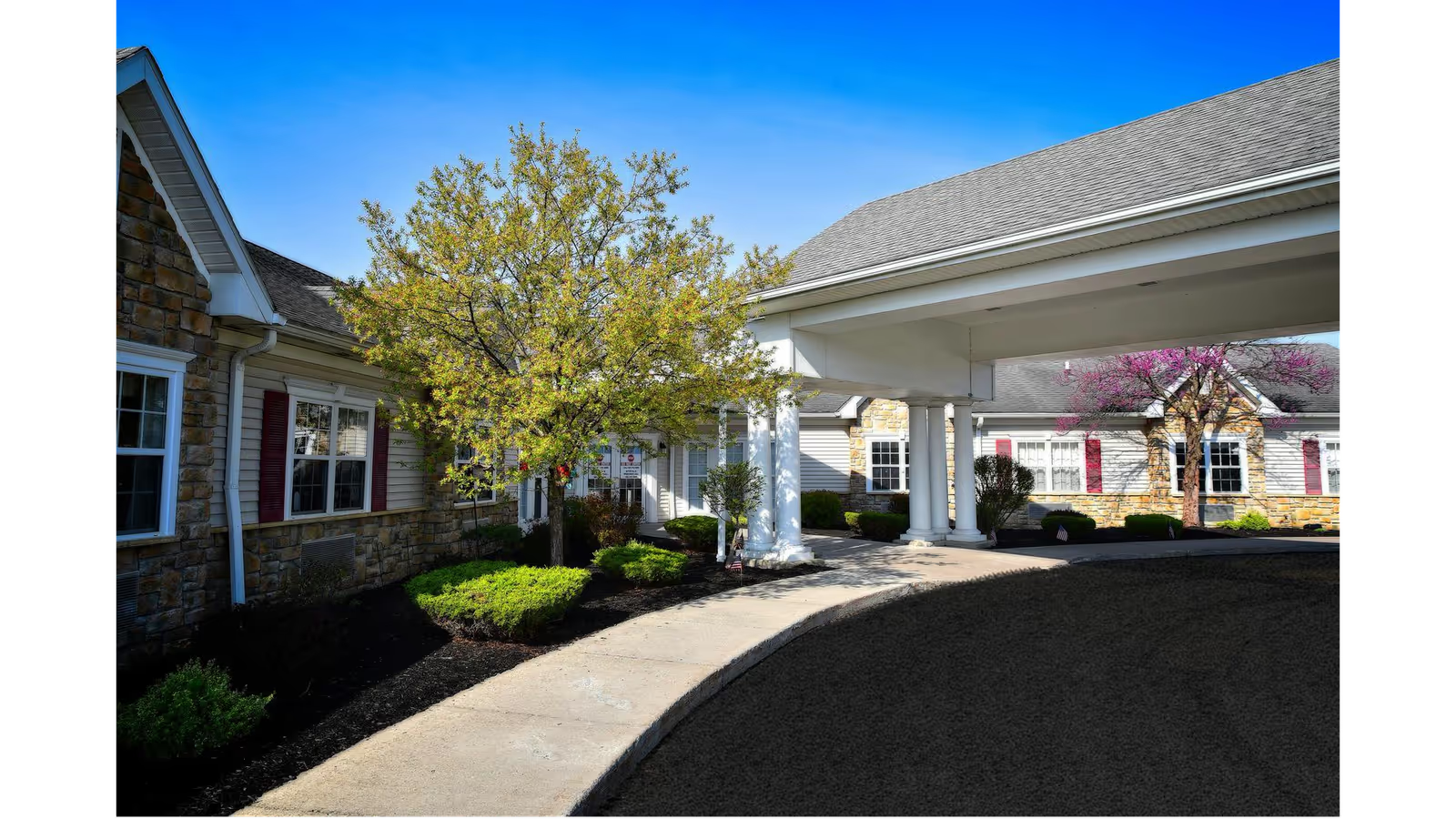
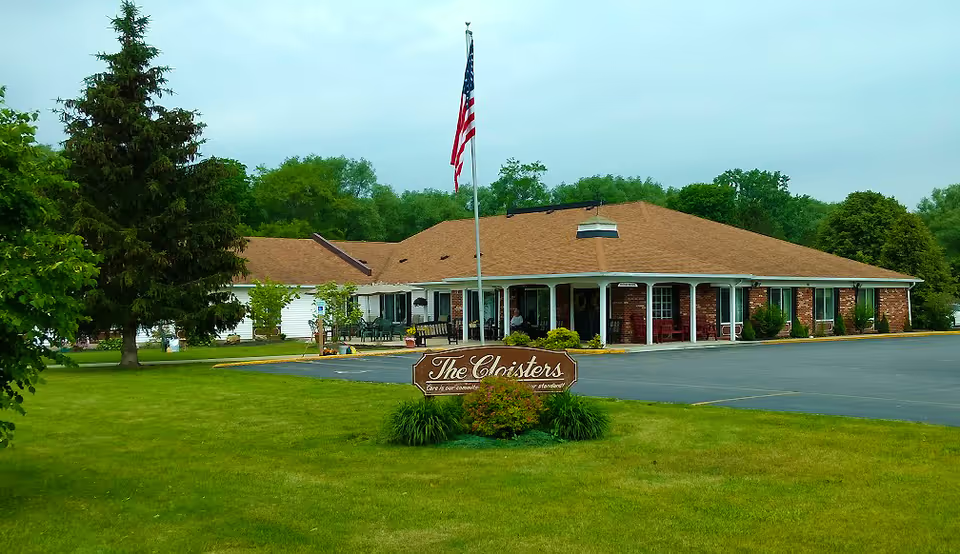
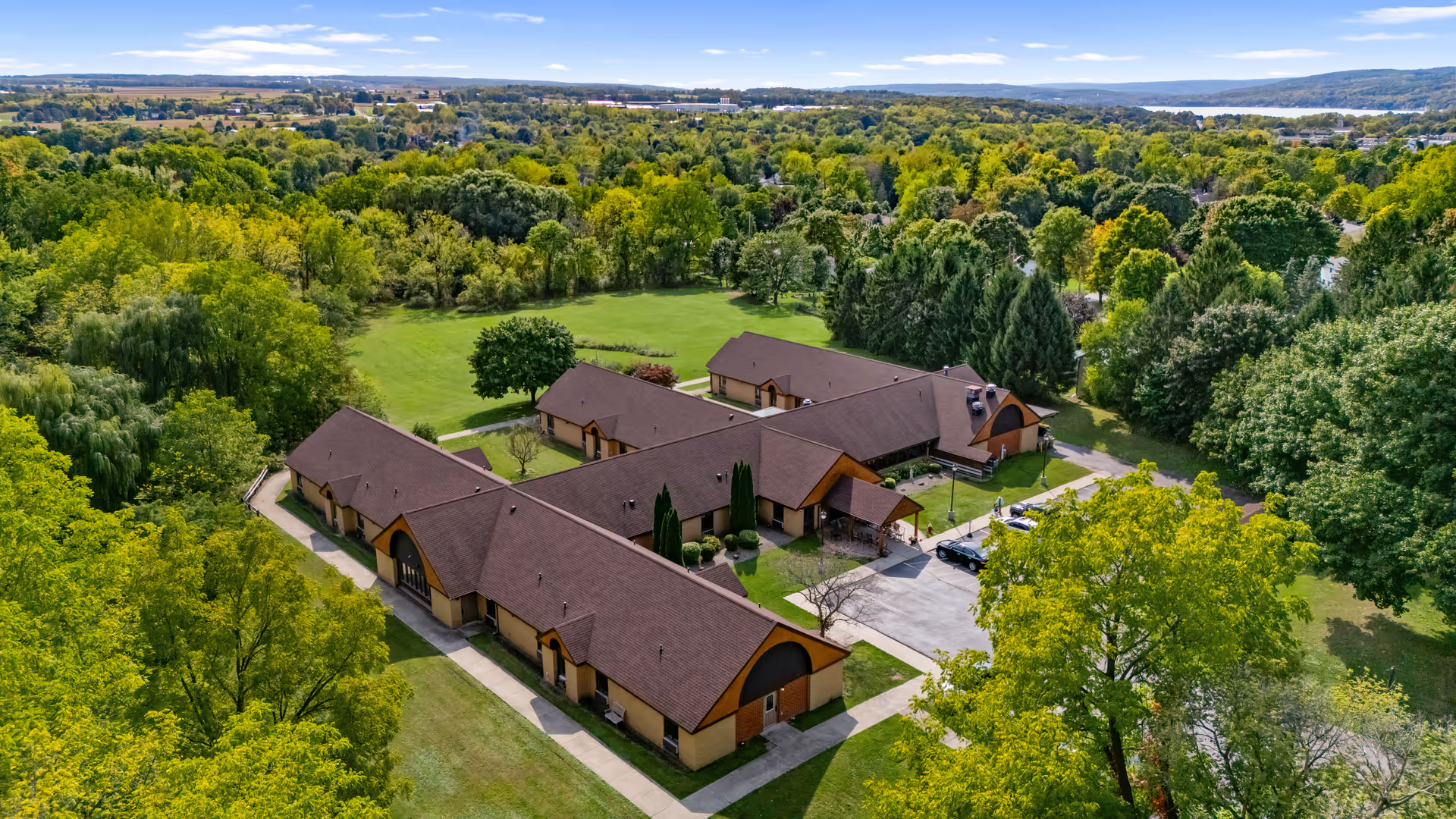
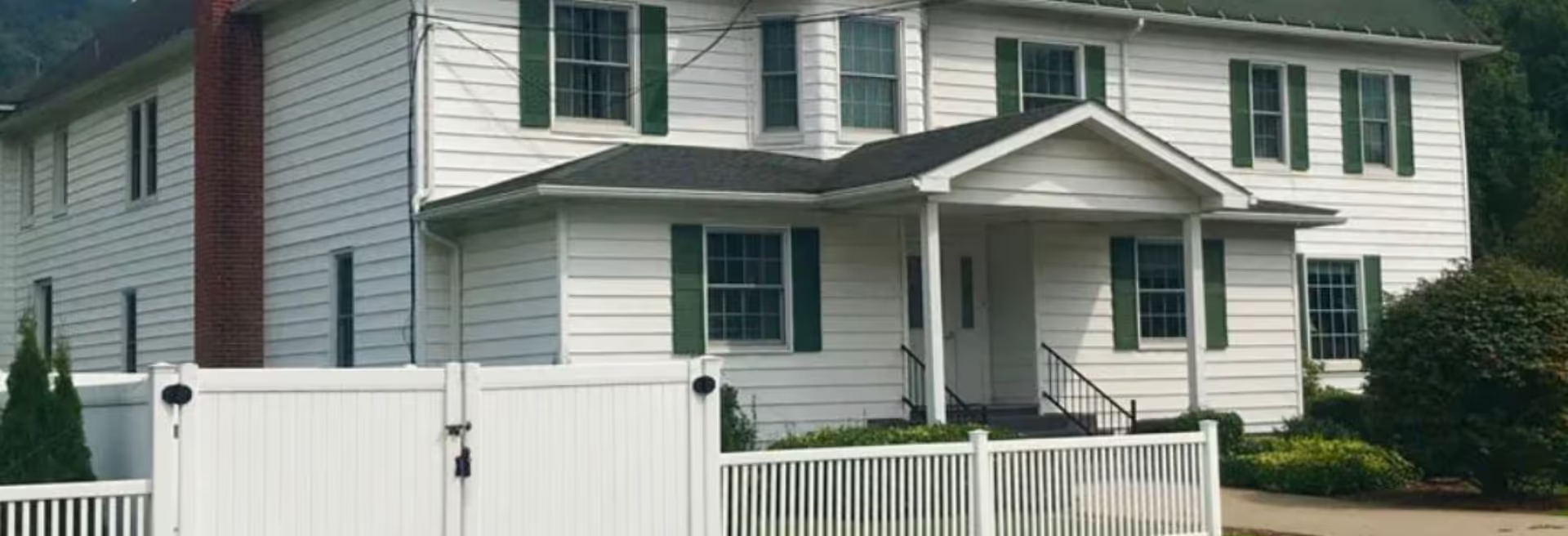
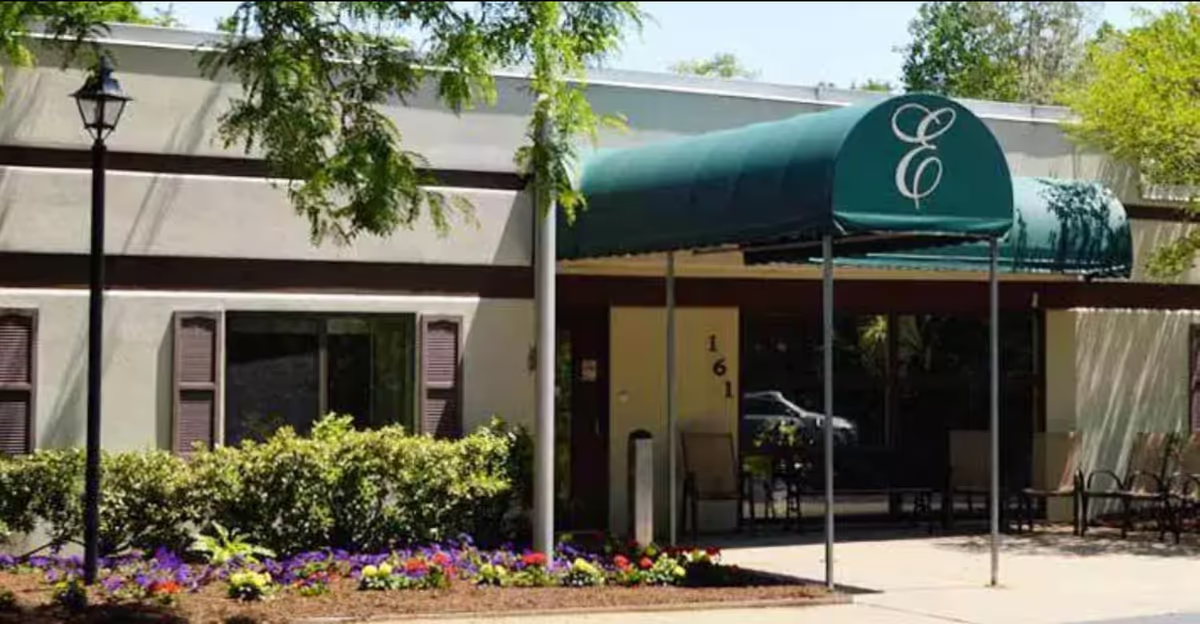
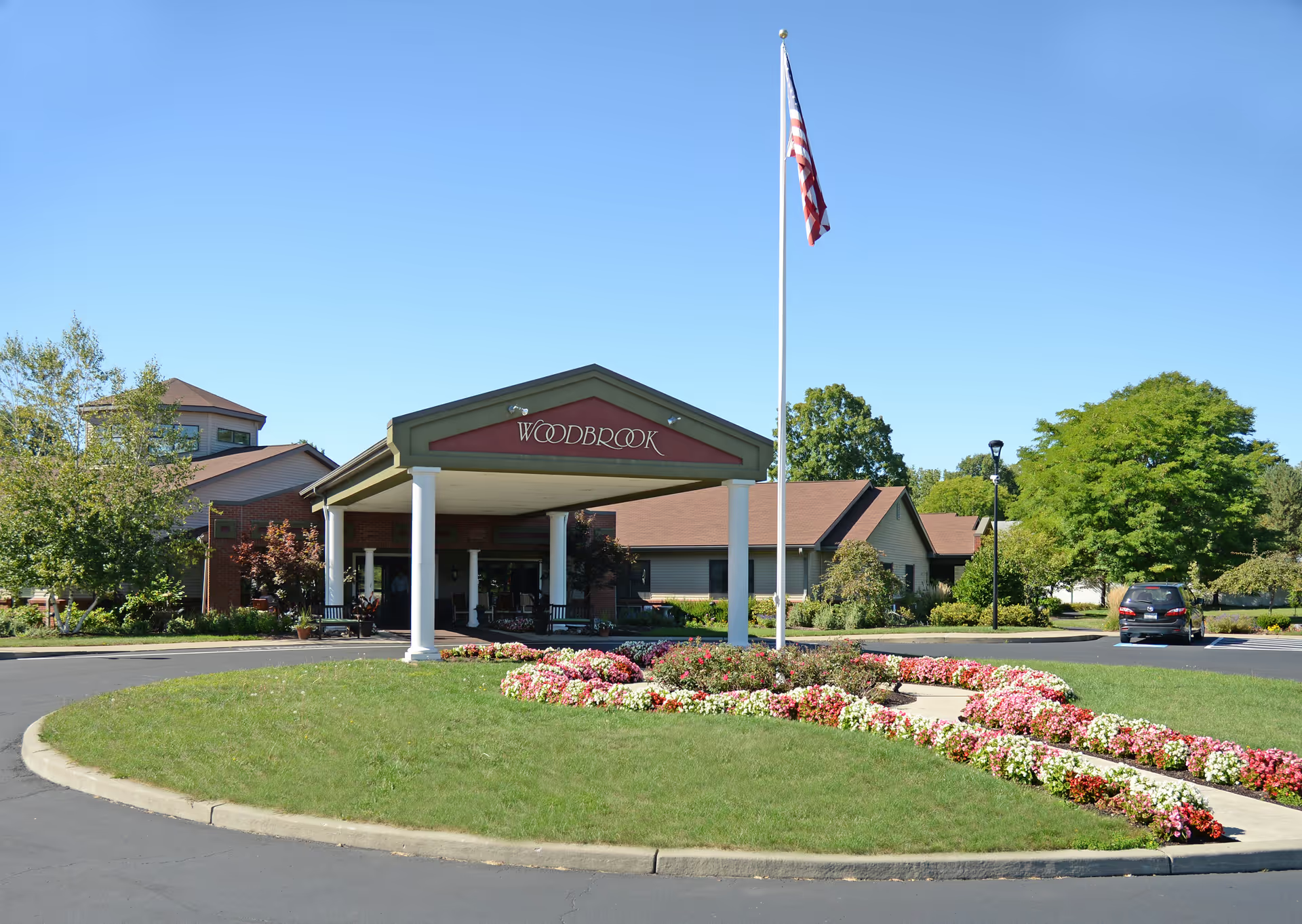
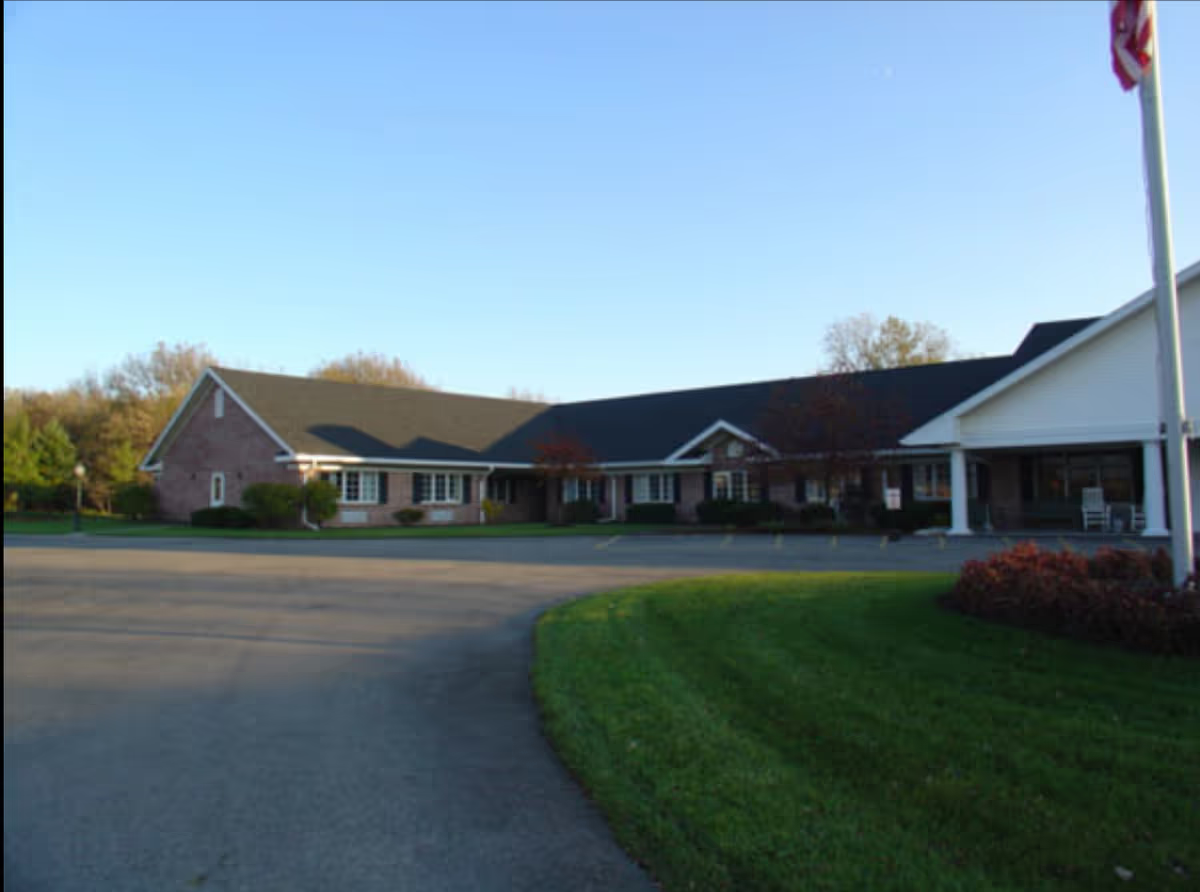
Infection-control and pandemic-era practices drew mixed comments, including concerns about how COVID-positive residents were managed in some instances. Facility appearance was described as bright and neat by several families, but that positive impression coexists with reports of sanitation issues in specific units.
Overall, Elderwood at Hornell appears to offer strong rehabilitative services and many compassionate caregivers, but the facility shows operational weaknesses that can affect resident safety, comfort, and transitions of care. Prospective residents and families may find the facility appropriate for short-term rehabilitation if they confirm current staffing levels, medication-administration protocols, infection-control procedures, discharge planning processes, and dining accommodations during an in-person visit and direct conversations with management.