Courtyards at Bethany Village presents a mixed but generally balanced profile: many reviewers praised the facility’s hospitality, activity programming, and well‑maintained campus, while others raised operational and environment concerns—particularly in the memory‑care areas. Overall impressions cluster around strong front‑line customer service and engagement versus variability in clinical coverage, cleanliness, and the physical condition of some units.
Care and staff: The facility’s caregiving team is frequently described as friendly and knowledgeable, with nursing staff who are familiar with residents and active in community life. Activity staff are noted as helpful and engaging, and families often described warm, professional interactions at intake and during tours. Counterbalancing those strengths are recurring operational concerns: several accounts describe staffing shortages or inconsistent training that can affect clinical coverage and responsiveness. Specific operational issues cited include delays in responding to toileting and incontinence needs and variability in the clinical staff available at different times of day. There are also occasional comments about communication tone and compassion, indicating that interpersonal consistency can vary by shift or team.
Dining and activities: Dining and social programming are clear strengths. The dining room and meal offerings received largely positive feedback, including favorable comments about holiday meals and generally ample portions. The activities calendar is robust, with on‑site exercise classes, movie nights, live musical performances, craft fairs, and regular off‑site outings. These programs support socialization and independence and are a frequent reason families felt the community was a good fit for socially oriented residents.
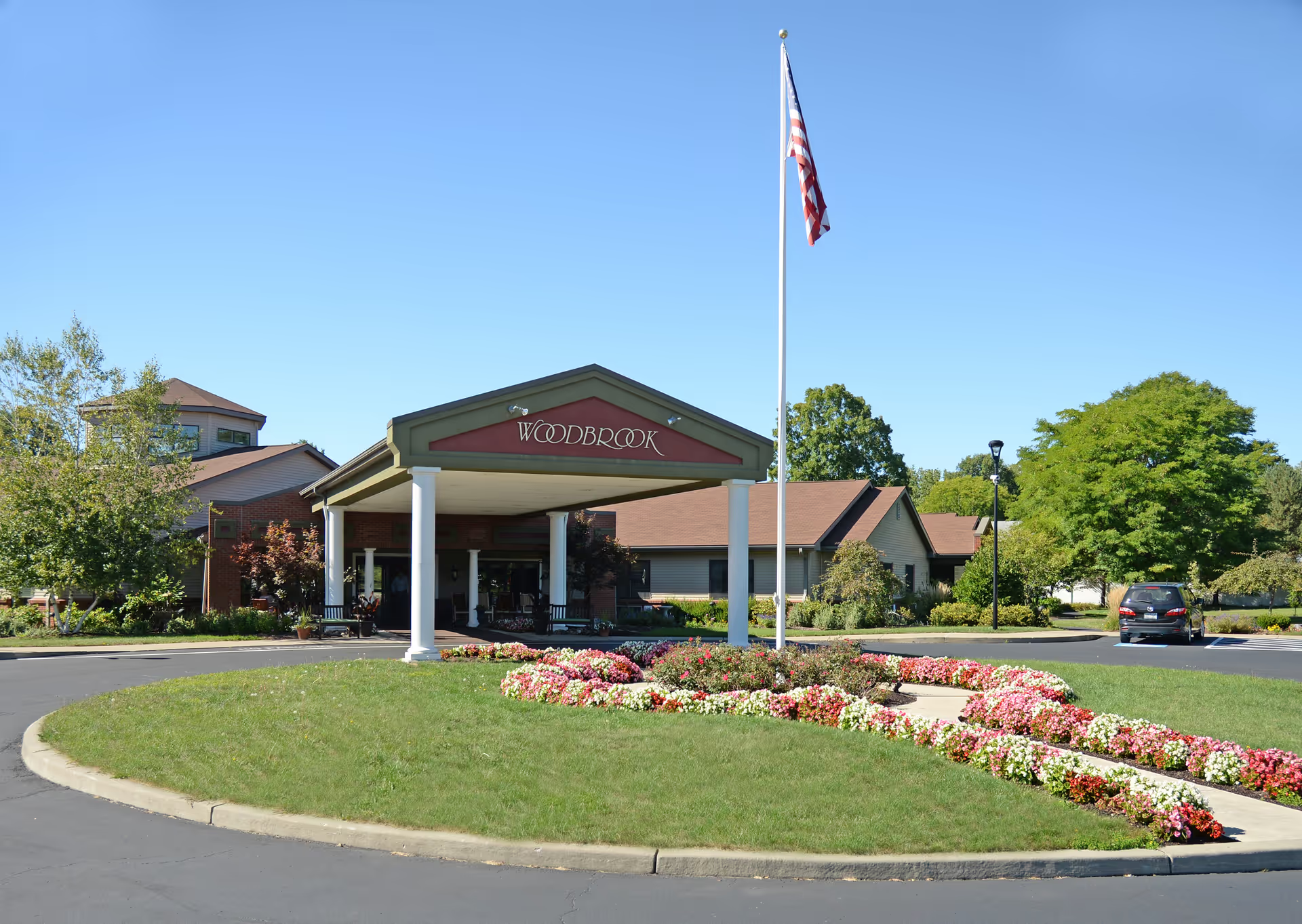
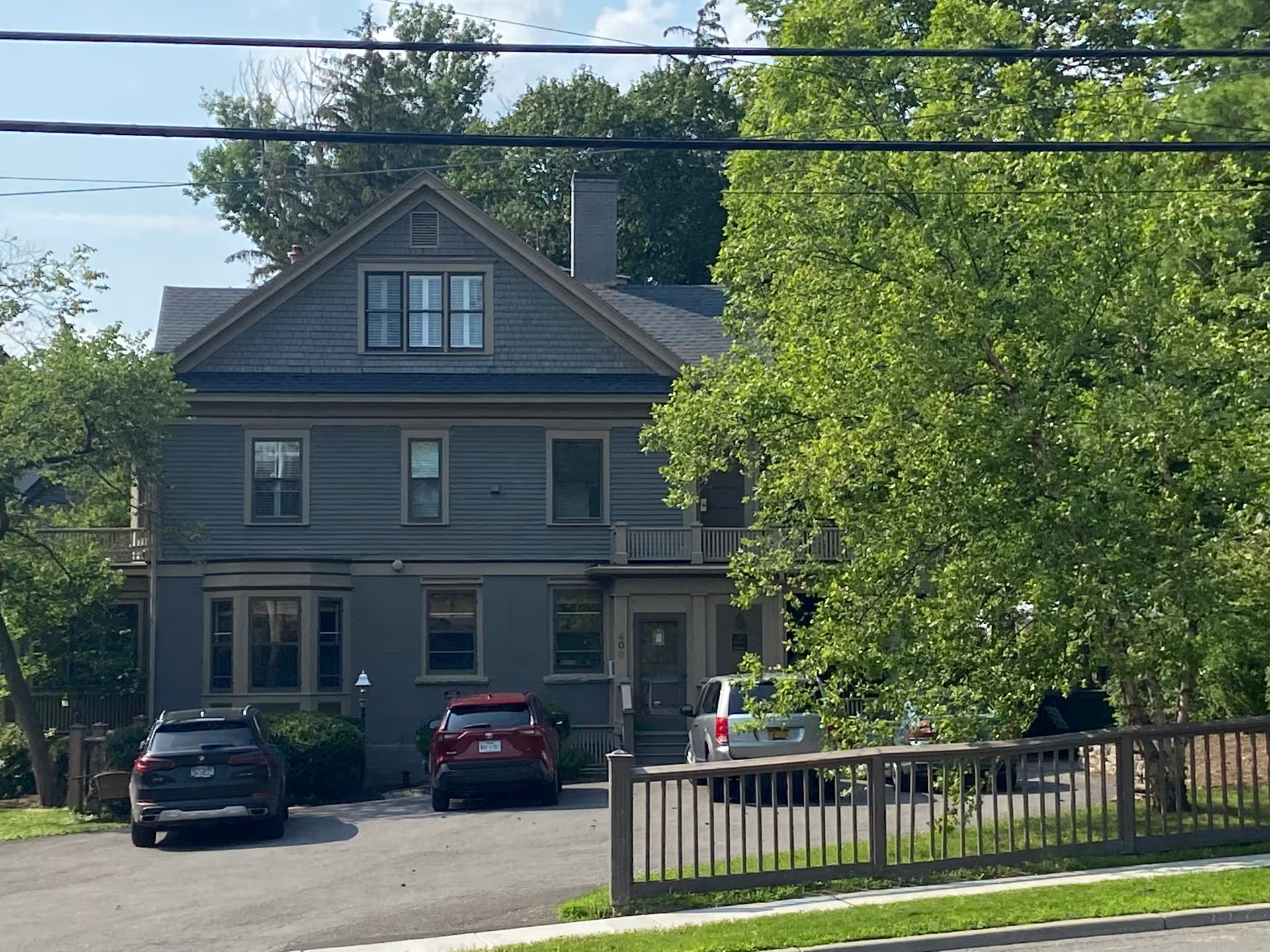
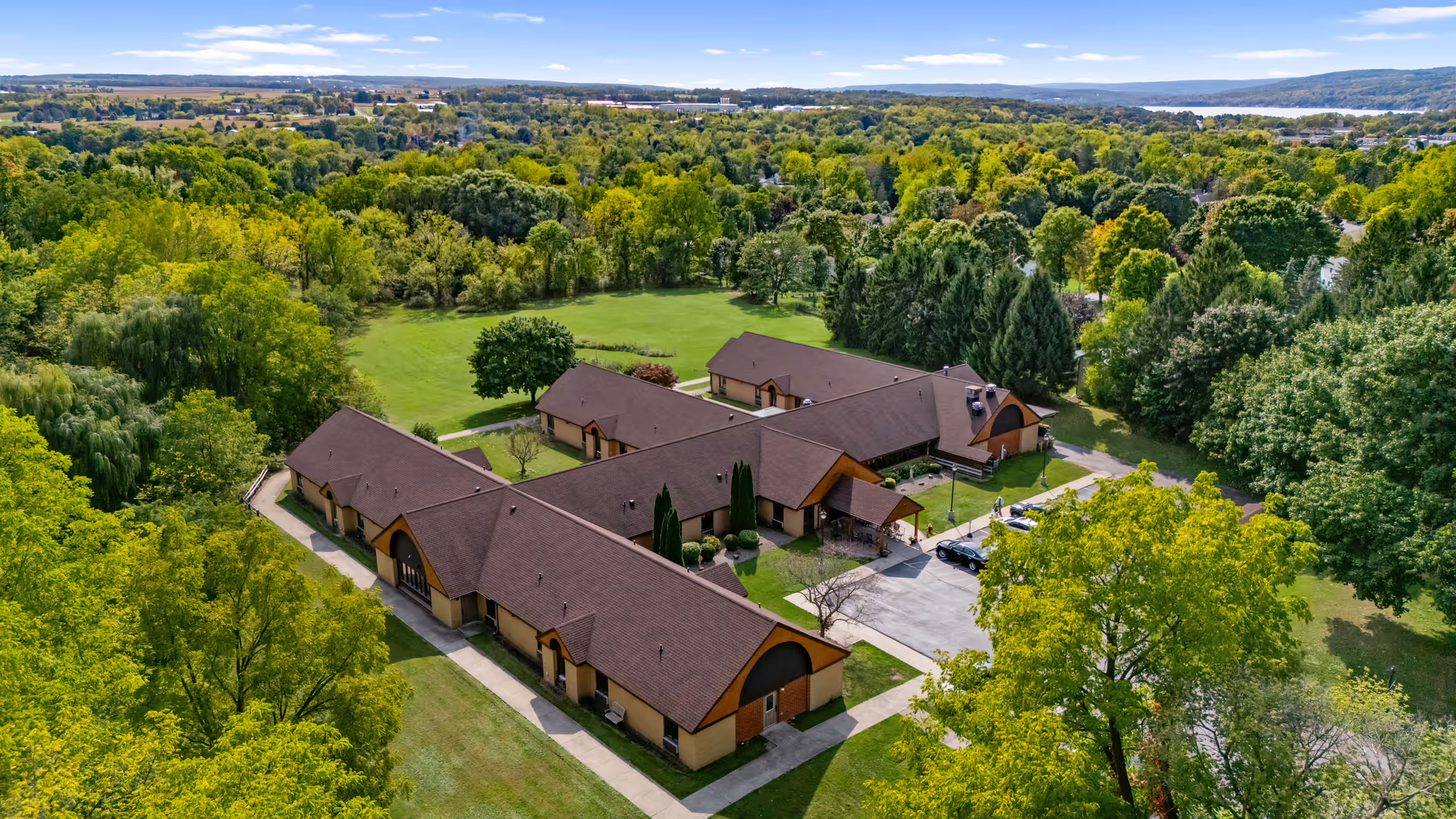
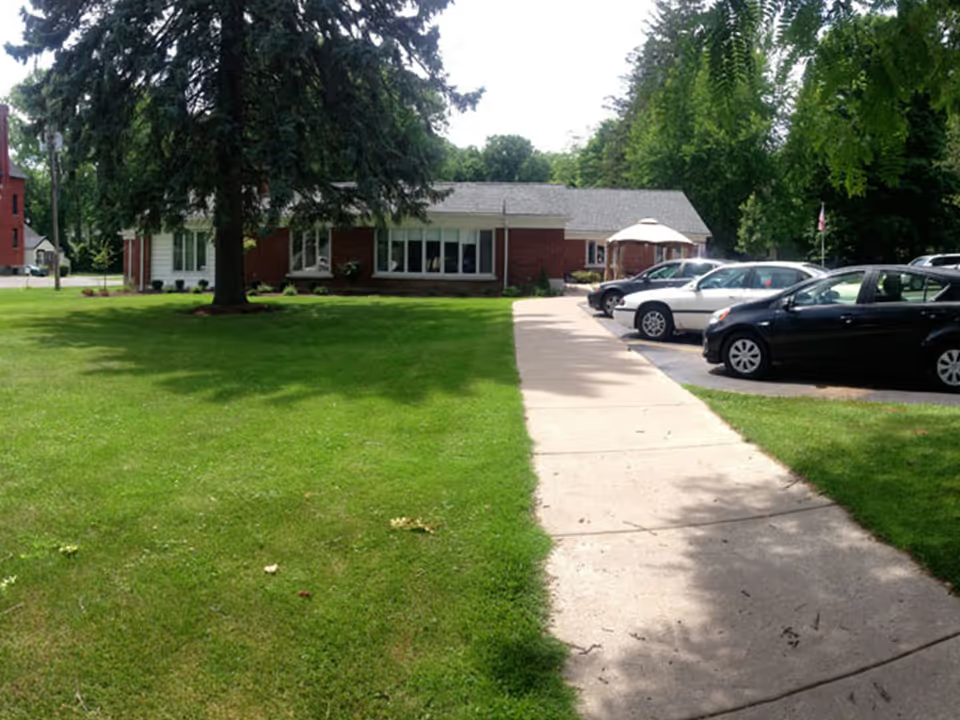
Facilities and environment: Many parts of the campus are described as modern, clean, and well maintained, with an attractive courtyard, pond, and walking paths that residents and families appreciate. Private units are often roomy with accessible bathrooms and secure entry, contributing to a hotel‑like atmosphere for independent and assisted living residents. However, the memory‑care wing and some older units drew consistent critique: reviewers described dim or colder rooms, perceived institutional décor, and concerns about odors and sanitation in certain areas. Accessibility issues for multi‑floor residents were also noted, such as elevators that accommodate only a single wheelchair at a time. Layout constraints—crowded hallways and limited private communal spaces—may create safety and comfort tradeoffs in higher‑acuity areas.
Management and notable patterns: Administration and many staff members are characterized as organized and responsive, and some families would highly recommend the community. At the same time, patterns emerge around inconsistent housekeeping and clinical staffing practices, variable security and visitor‑screening processes, and uneven unit maintenance. Pricing perceptions vary: some reviewers considered the community reasonably priced for value, while others found it expensive relative to alternatives. Taken together, the pattern suggests a facility with solid customer‑facing strengths (hospitality, activities, grounds) but operational variability that can affect experience in memory care and higher‑need situations.
Practical considerations for prospective families: When evaluating the community, plan separate, focused tours of the specific unit you are considering (general assisted living versus memory care), visit during different shifts, and ask direct questions about staffing ratios, training, incontinence‑care protocols, cleaning schedules, elevator and transfer logistics, and visitor‑screening/security policies. Comparing the exact unit size and layout, recent maintenance work, and written guarantees around clinical coverage will help clarify whether the Courtyards’ strengths align with your loved one’s needs and care level.