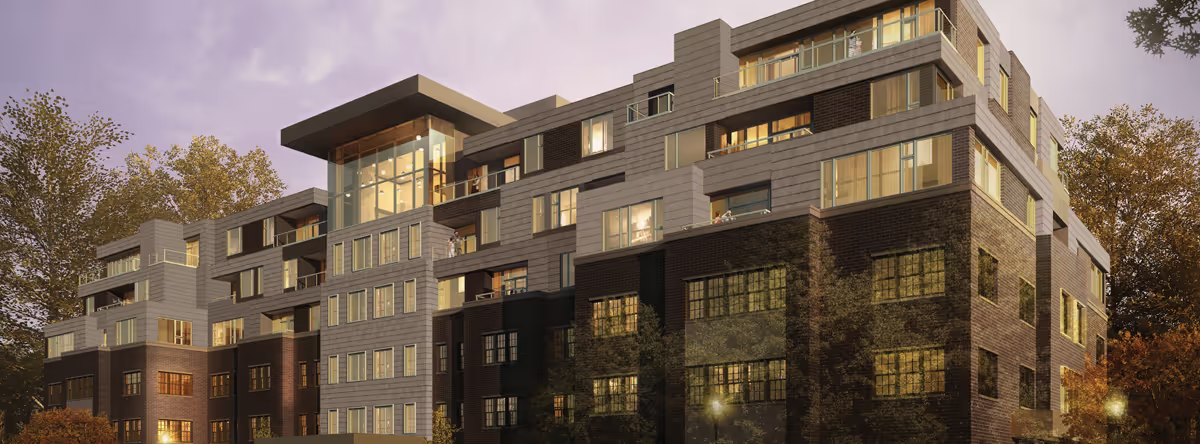
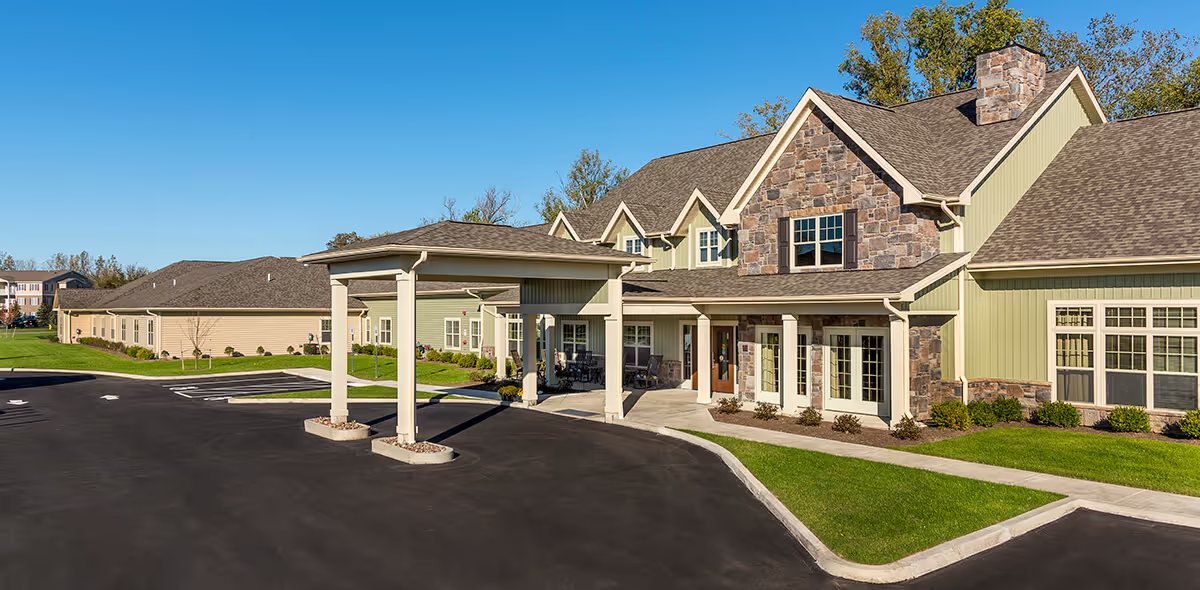
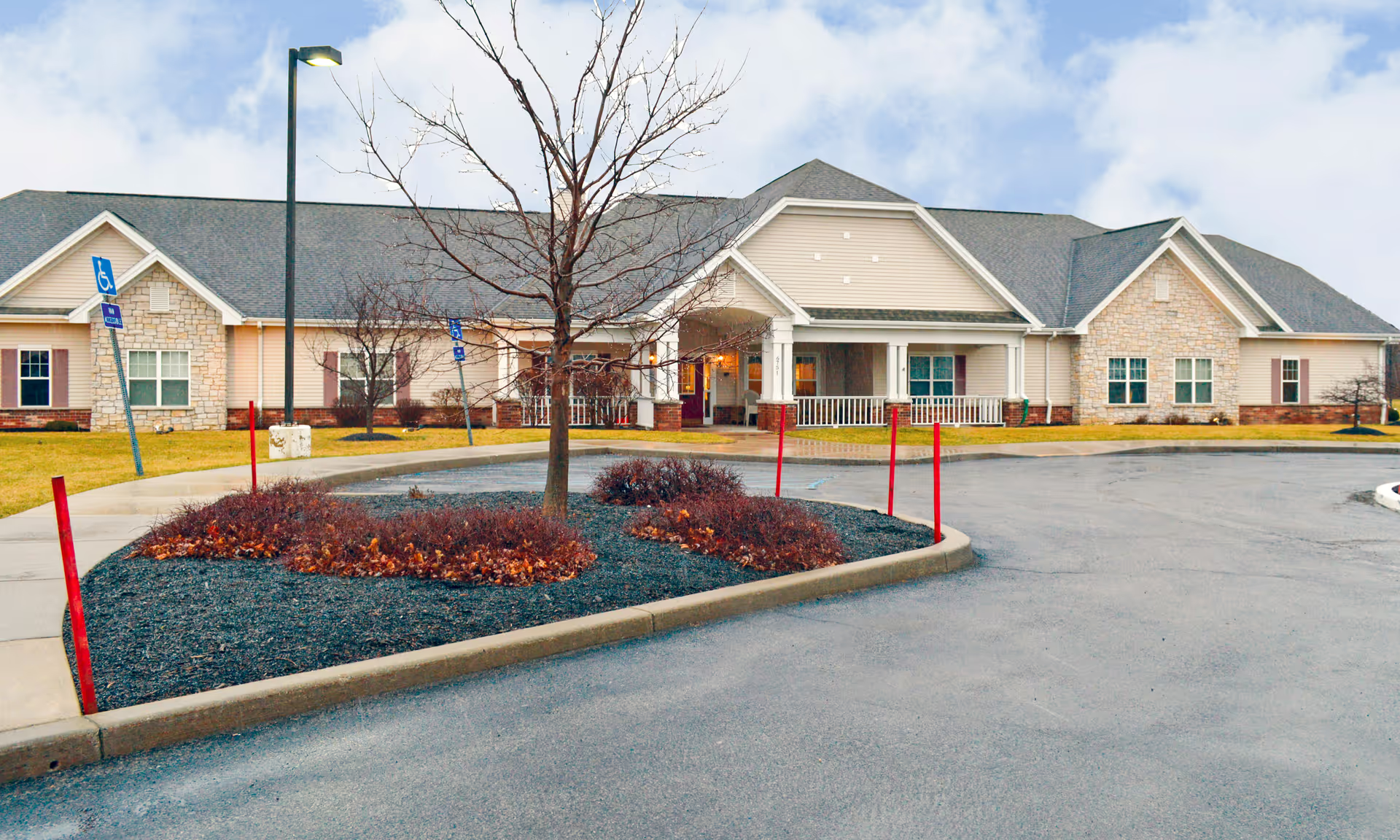
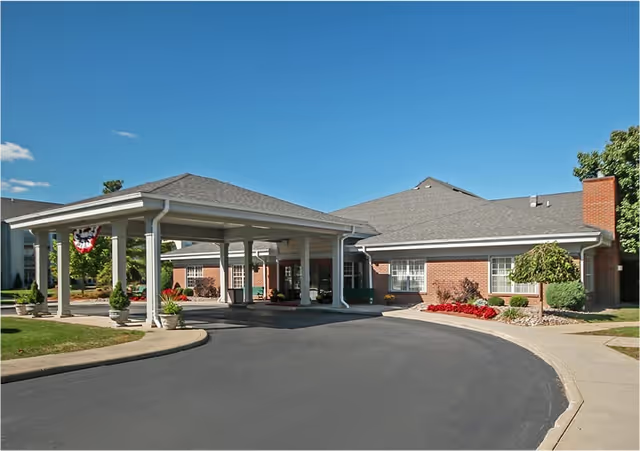
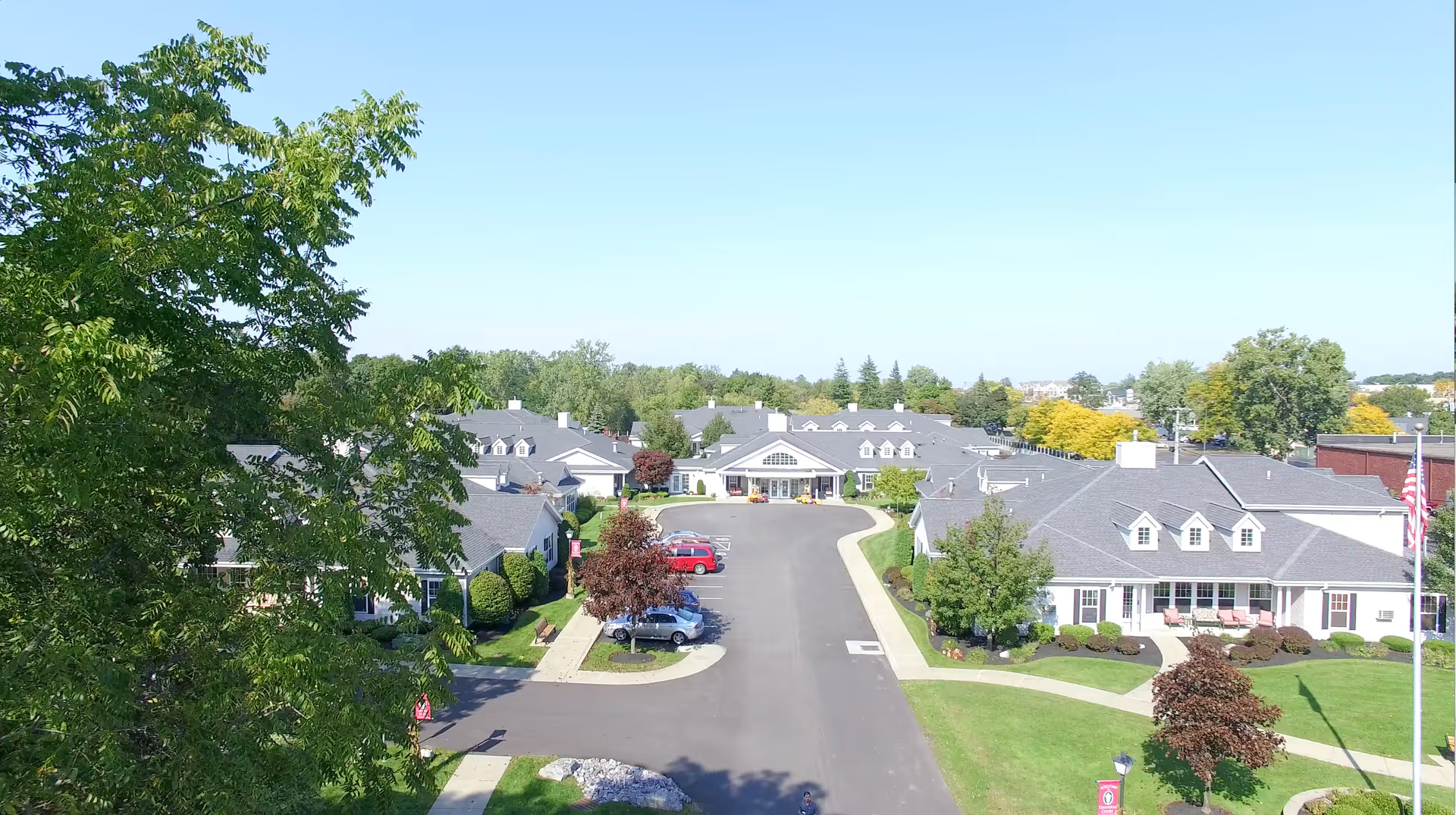
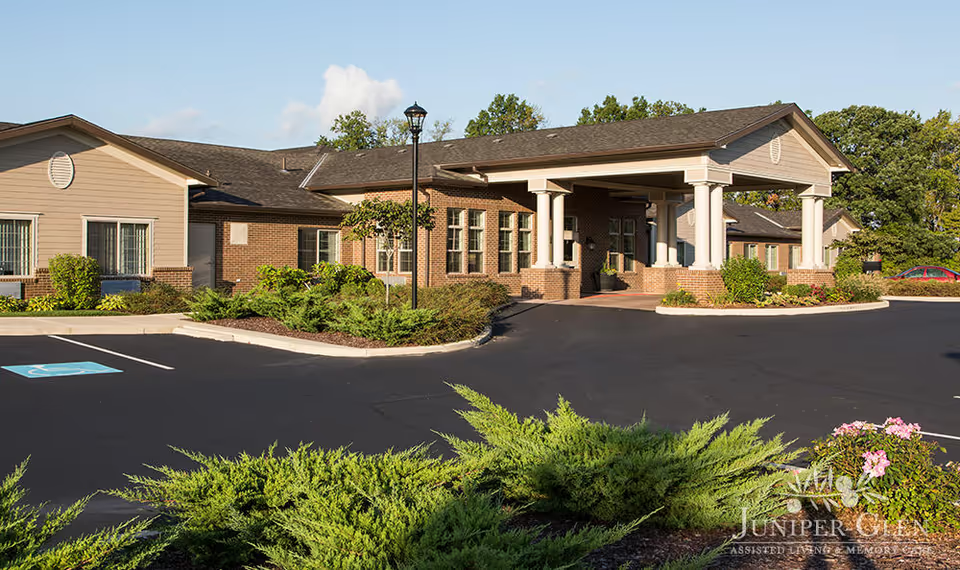
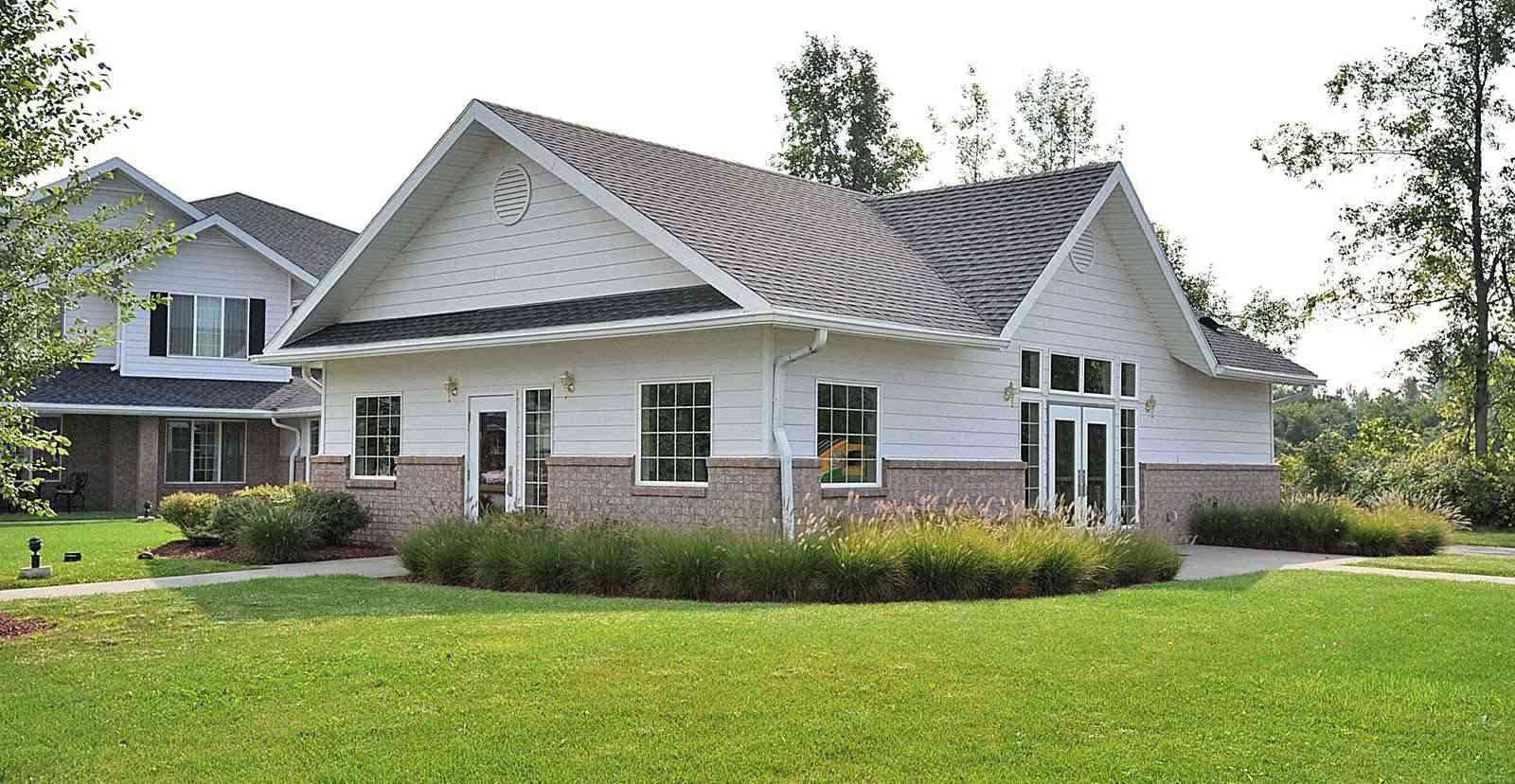
Reviewer feedback reflects a mixed picture following a change in ownership. Many reviewers acknowledge visible capital investments: an elevator replacement, refreshed flooring and paint, newer common-area furniture, and plans to remodel the dining room and lounges. Those improvements have contributed to a perception of cleaner, more updated public areas and an overall more welcoming aesthetic in parts of the building. The community advertises and provides multiple levels of care and accepts Medicaid, which some families found important when considering placement.
Care quality and staff performance are described inconsistently. Numerous accounts praise staff as friendly, helpful, and capable of providing excellent clinical care; other accounts raise concerns about responsiveness — particularly delays answering call buzzers and inconsistent bathing schedules. These contrasting impressions suggest variability in day-to-day staffing consistency and responsiveness rather than uniform performance. Communication and follow-through on resident requests are recurrent themes to verify during a visit.
Dining and activities show a similar split. The facility provides home-cooked meals and a set of scheduled activities, and some reviewers noted an active resident community and regular use of outdoor space. Conversely, others described limited menu variety and activity programming that can feel repetitive or underdeveloped, with few off-site outings. Prospective families should ask about current menus, special-diet accommodations, and the activity calendar to assess fit with a resident’s interests.
Operational and facility-level weaknesses appear repeatedly and merit attention. Several reviewers raised sanitation and housekeeping inconsistencies in resident rooms and certain hallways. There are also multiple comments about building constraints—small rooms, narrow corridors, a small elevator, and localized infrastructure issues such as subfloor work—consistent with an older, budget-oriented building. Security and property controls are another area of concern: reviewers described gaps in access control, perceived weak security-staff performance, missing personal items, and difficulties tracking laundry and resident belongings.
Management has reportedly changed and some operational improvements are evident, but persistent issues remain that affect daily life for residents. Overall, the pattern is of a community in transition: visible capital investment and several positive caregiving experiences coexist with operational shortcomings in housekeeping, security, activity programming, and menu variety. Families and prospective residents should conduct an in-person visit, ask targeted questions about staffing levels, call-bell response times, laundry/property tracking, current renovation timelines, and security/access controls, and request recent activity and menu schedules to form a balanced assessment.