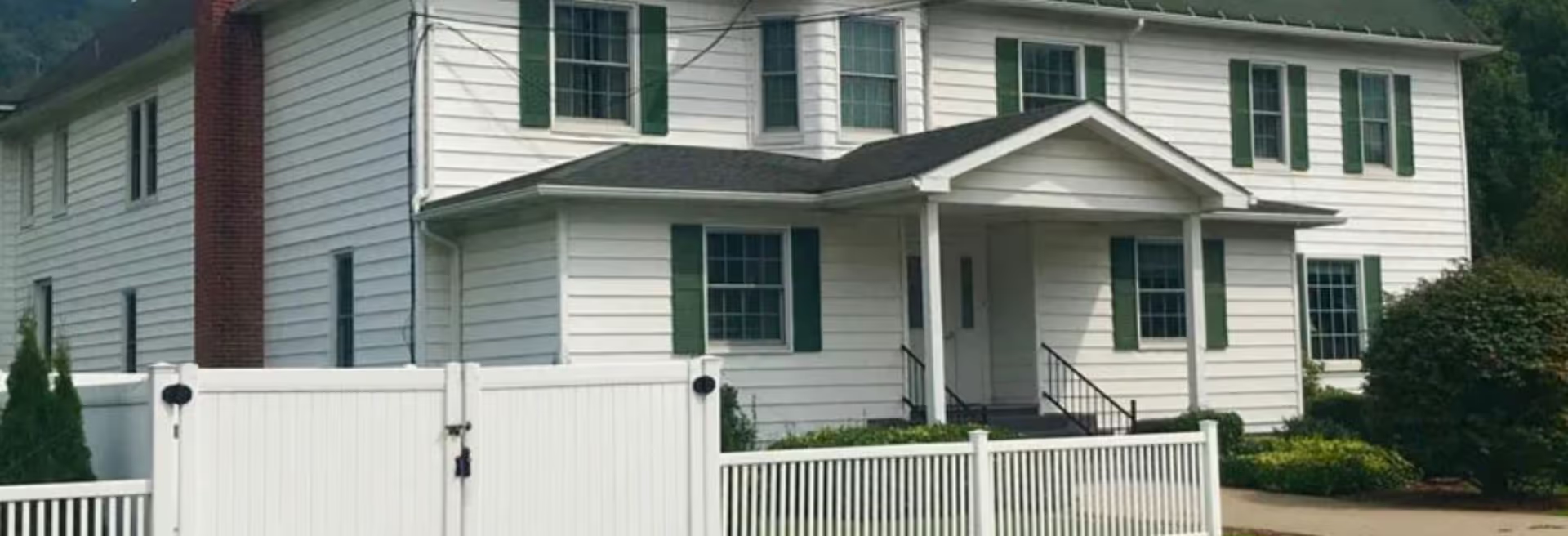
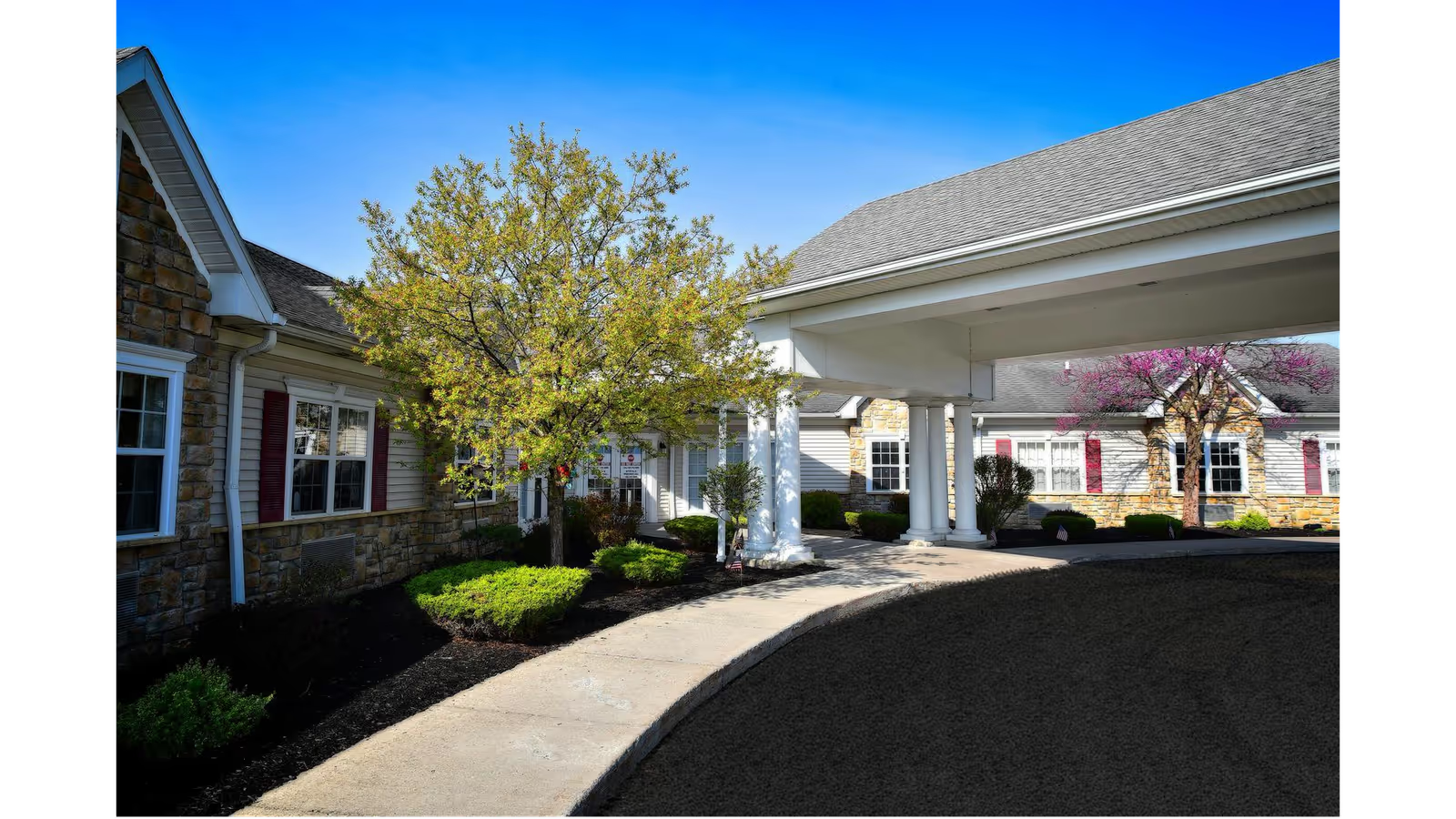
Brookdale Painted Post is frequently described as a clean, social community with a strong activities program and a staff culture that families often call compassionate and friendly. The facility offers apartment-style units (including two-room layouts), multiple daily meals, on-site salon and foot-care services, transportation options, and included services such as housekeeping, linens, and laundry. Outdoor spaces, an exercise room, and routine group programming (bingo, ice cream socials, day trips) contribute to a family-like atmosphere and offer social and mental-health benefits for many residents.
Care quality perceptions are mixed but trend positive for daytime coverage. Day-shift nursing and aides are commonly praised for responsiveness, medication administration practices, and hands-on care such as post-op support and assistance with activities of daily living. At the same time, families consistently note staffing shortages, particularly during evenings and weekends; this creates uneven coverage, delayed responses overnight, and occasional shortfalls in dressing or bathing assistance. Those needing robust night monitoring or higher-level dementia support should assess whether the community's current staffing patterns meet their needs.
Dining and activities are central strengths. Many accounts describe varied, well-prepared meals and an active calendar of events that encourage social participation. However, meal experience is not uniformly positive: some families report variability in food quality, portioning, and meal timing. Transportation and outings are available and appreciated, but scheduling and driver consistency are described as uneven, which can affect participation in off-site activities.
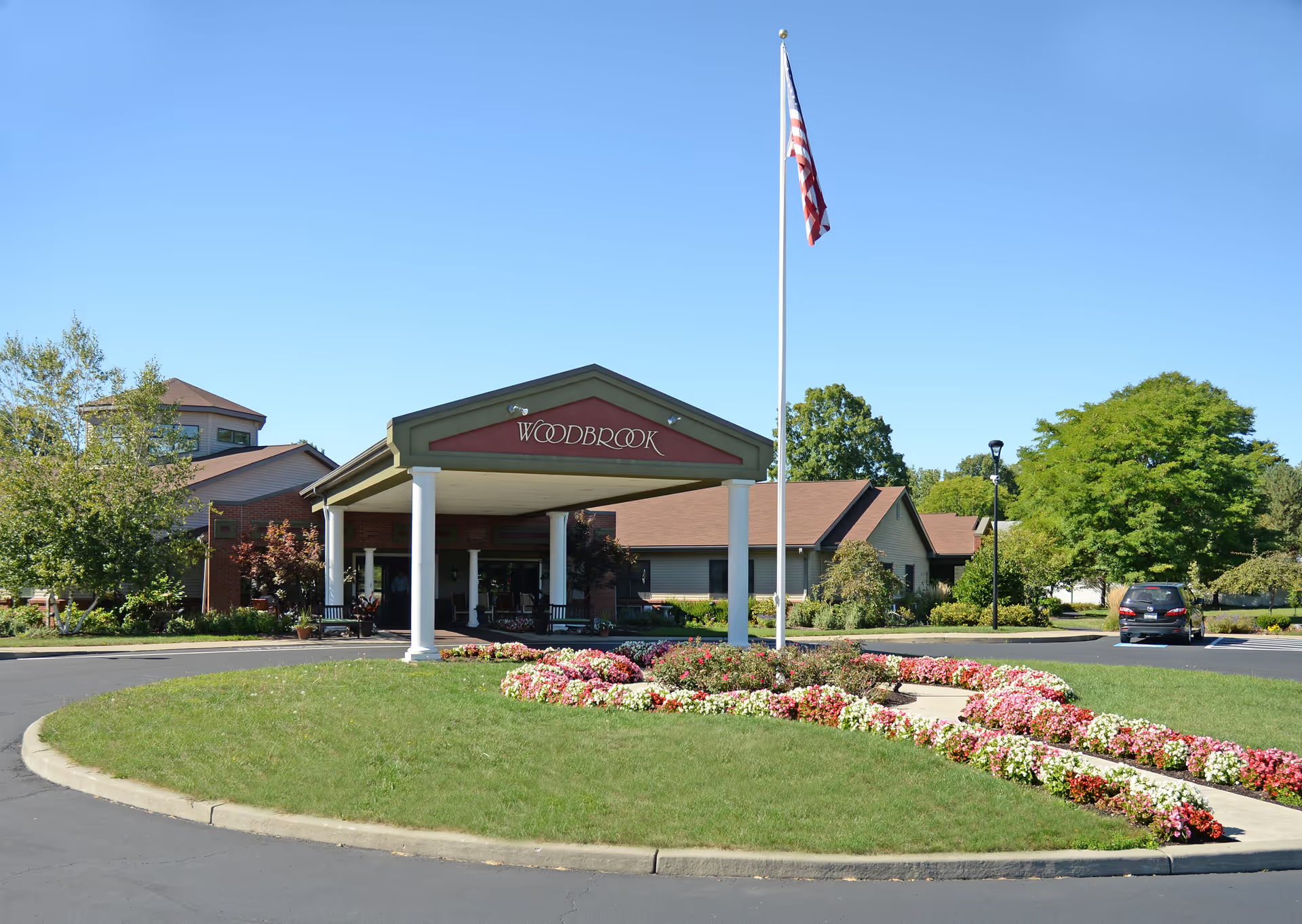
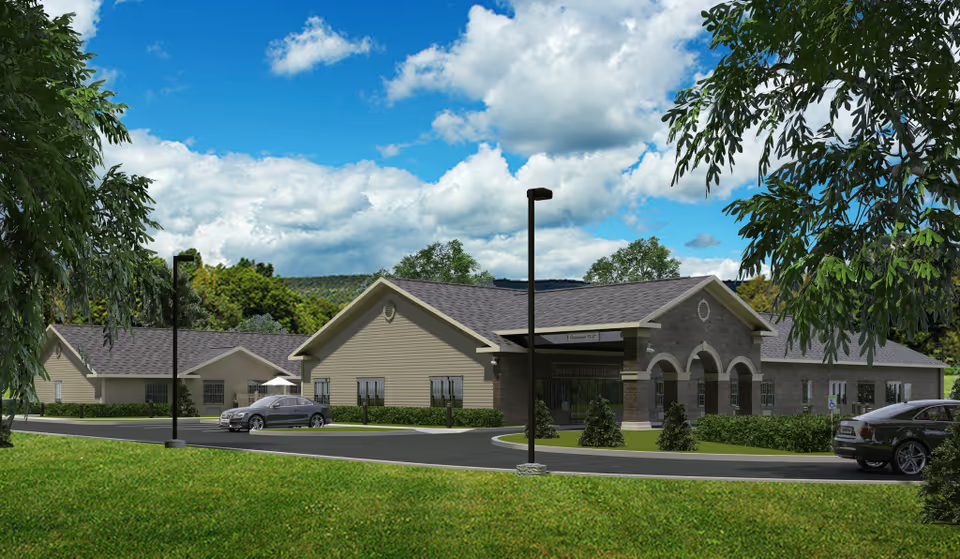
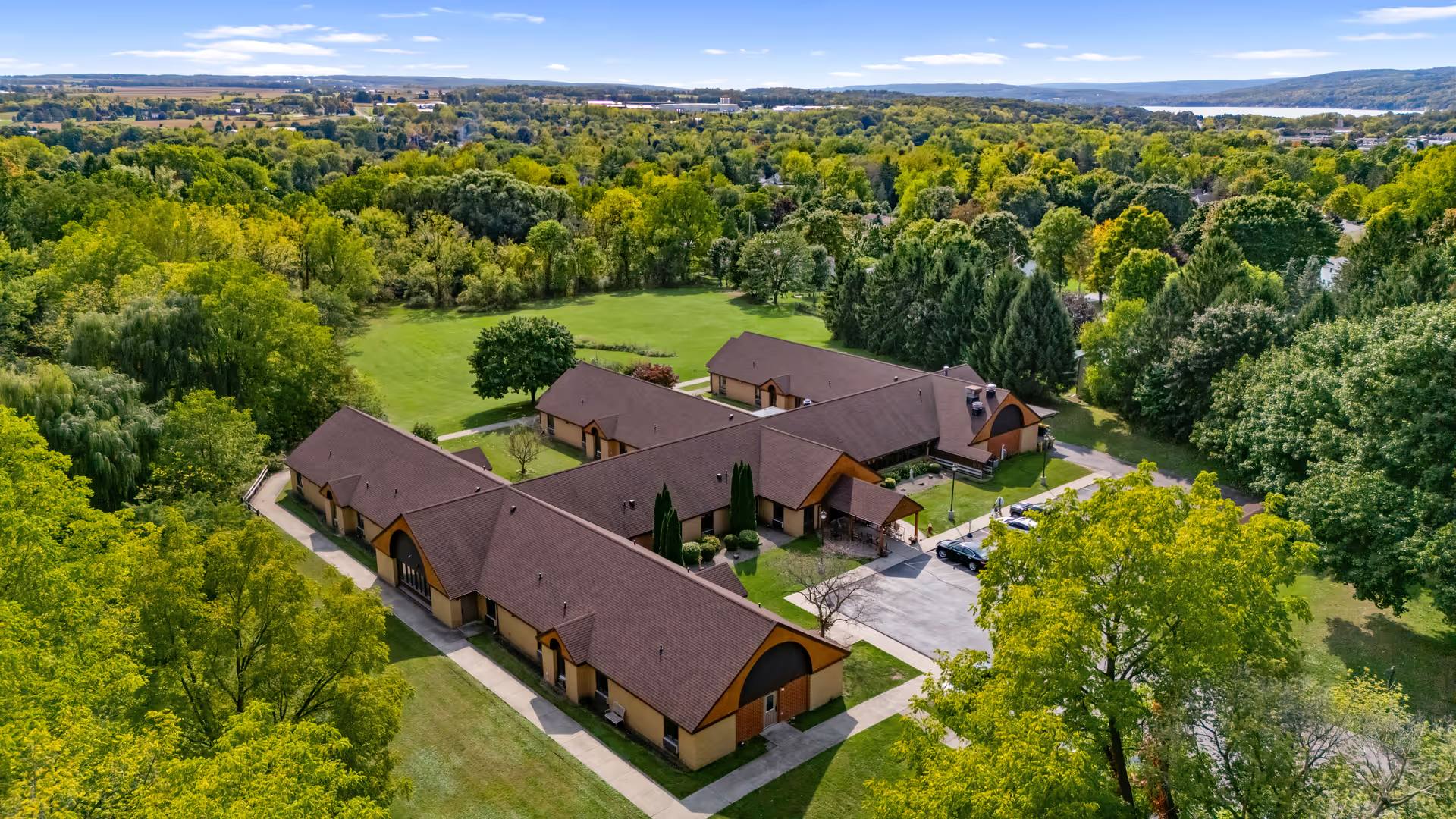
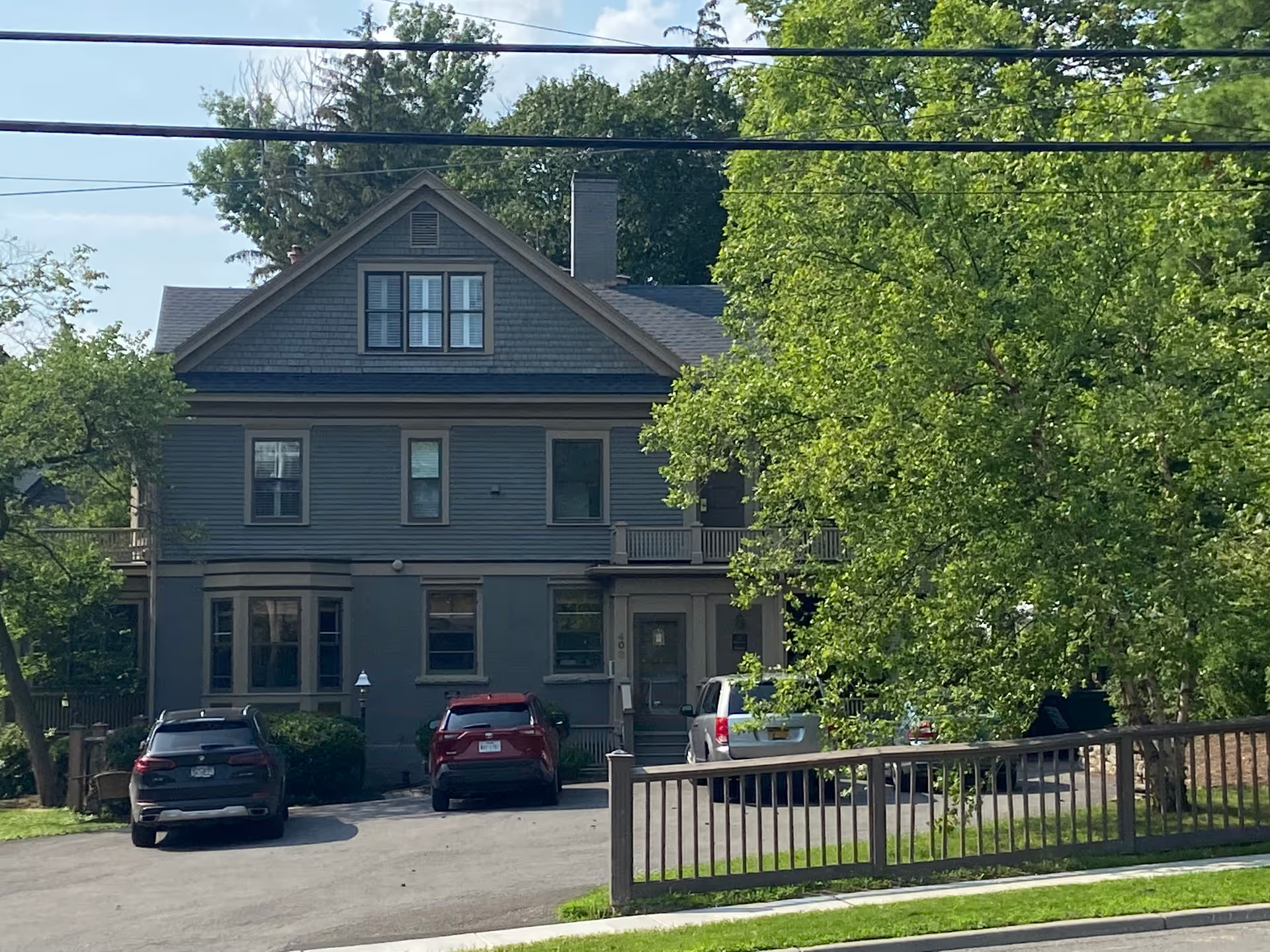
Facilities are generally well kept with attractive exterior grounds and maintained common areas; some interior units and hallways are described as dated. Housekeeping and routine maintenance are included in the monthly fee and are usually satisfactory, though occasional logistical delays (towels, trash pickup, linens) have been mentioned. Safety measures such as lanyard alert systems are in place, yet a few accounts raise concerns about nighttime monitoring and fall-response times.
Operationally, families note a strength in verbal communication with staff and visible leadership involvement, while also flagging gaps in written documentation and shift-to-shift handoffs. Medication administration is often characterized positively, but there are isolated indications of problems with pharmacy coordination and prescription refill timeliness that warrant clarification during intake. Admissions experiences vary: many find the move-in process smooth and well-supported, while others perceived it as rushed or pressured.
Overall, Brookdale Painted Post appears to be a community with substantial social programming, attentive daytime staff, and many included services that improve quality of life for residents who do not require intensive memory-care or high levels of overnight clinical supervision. Prospective residents and families should weigh the facility's strong daytime staffing, activities, and amenities against documented operational patterns—notably uneven staffing across shifts, limited dementia capacity, and some communication and logistics inconsistencies—and ask targeted questions about night staffing ratios, written communication practices, pharmacy coordination, and specific memory-care resources during a tour or pre-admission conversation.