The reviews reflect a polarized picture of care and operations. Several families describe warm, committed caregivers, meaningful activities, and spacious rooms that create a positive day-to-day experience for some residents. At the same time, other accounts raise substantive operational concerns that prospective families should evaluate closely before placement.
Care quality appears inconsistent. Positive comments highlight attentive individual staff and helpful med-tech support, but other reviewers describe lapses in medication administration, unclear medication discontinuation, and delays in responding to acute medical needs. There are also descriptions of serious clinical incidents and delayed emergency coordination; these items suggest gaps in clinical responsiveness and incident escalation procedures that ought to be clarified with facility leadership and in regulatory inspection records.
Staffing and staff culture are recurring themes. While individual employees receive praise for compassion and dedication, there are frequent indications of understaffing, high turnover, and limited supervisory oversight. These workforce issues are reported to affect resident supervision, timeliness of assistance, and staff–family communication. Some reviewers also described concerns about the tone and approachability of frontline supervisors or administrators, and limited formal channels for family concerns.
Dining and activities are mixed. Several reviewers enjoyed certain activities and noted an engaging program, but others described limited offerings, repetitive menus, and inconsistent meal temperature and presentation. The dining environment was characterized as under-resourced by some families, and those differences point to variability in day-to-day operations that may depend on staffing and kitchen management.
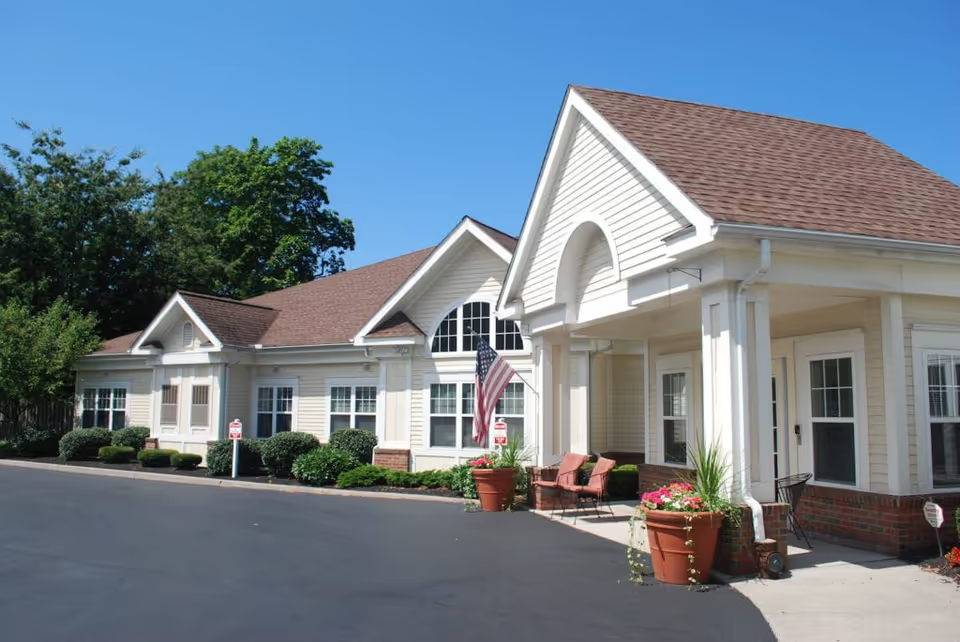
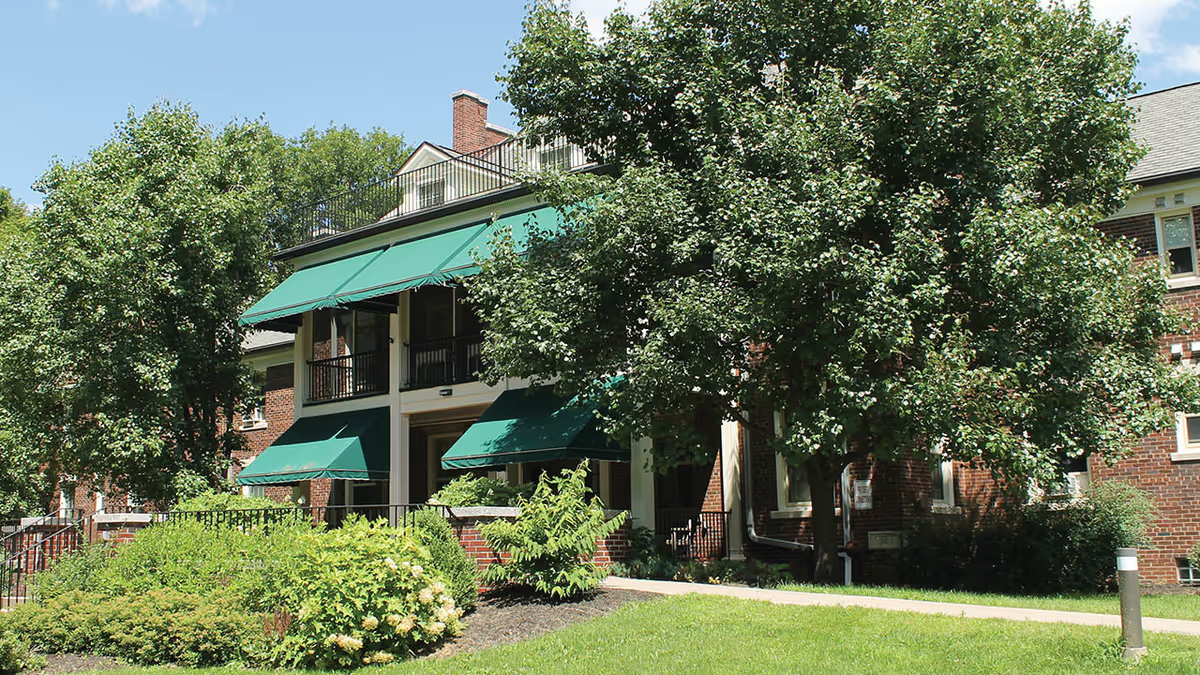
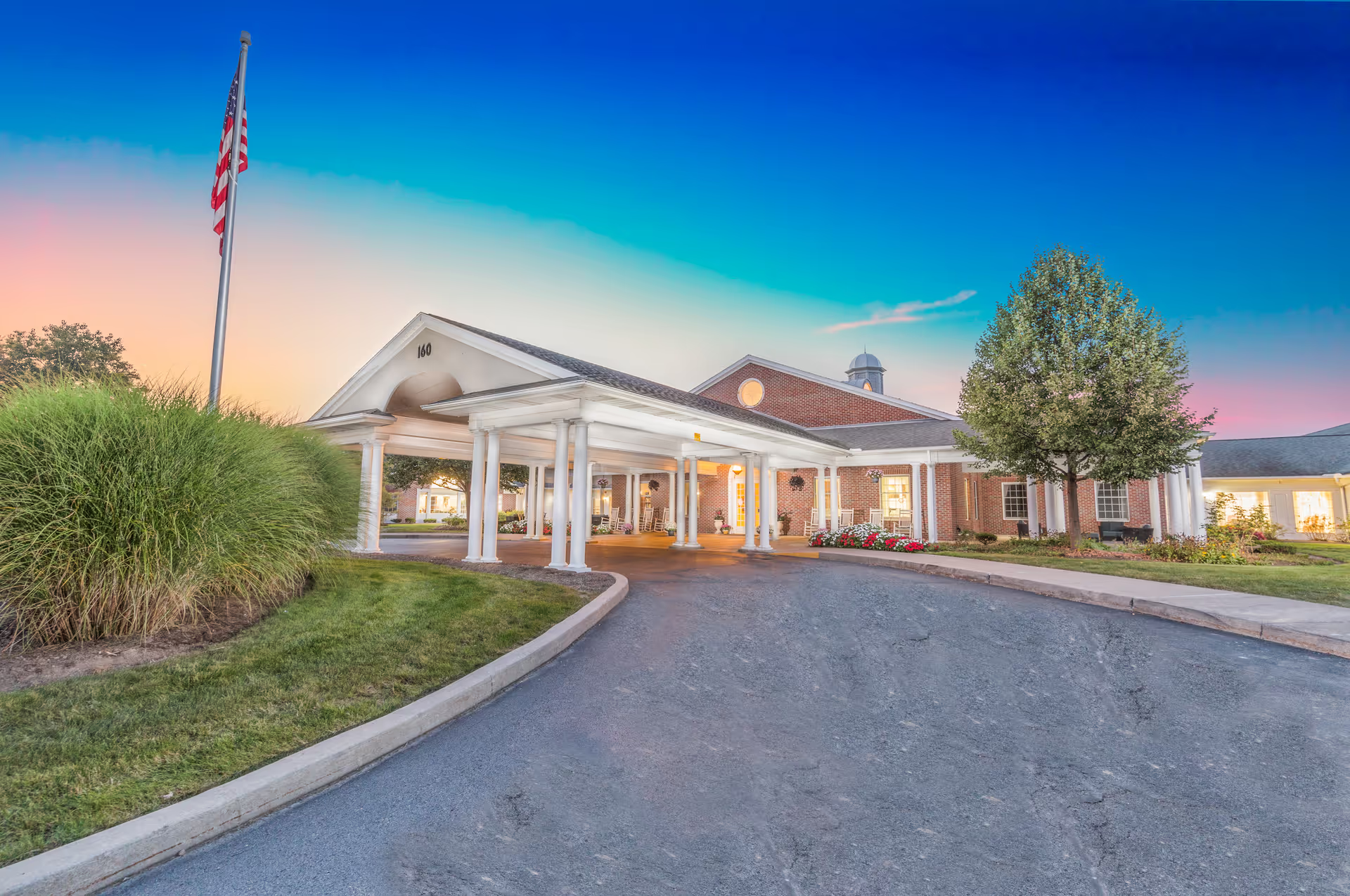
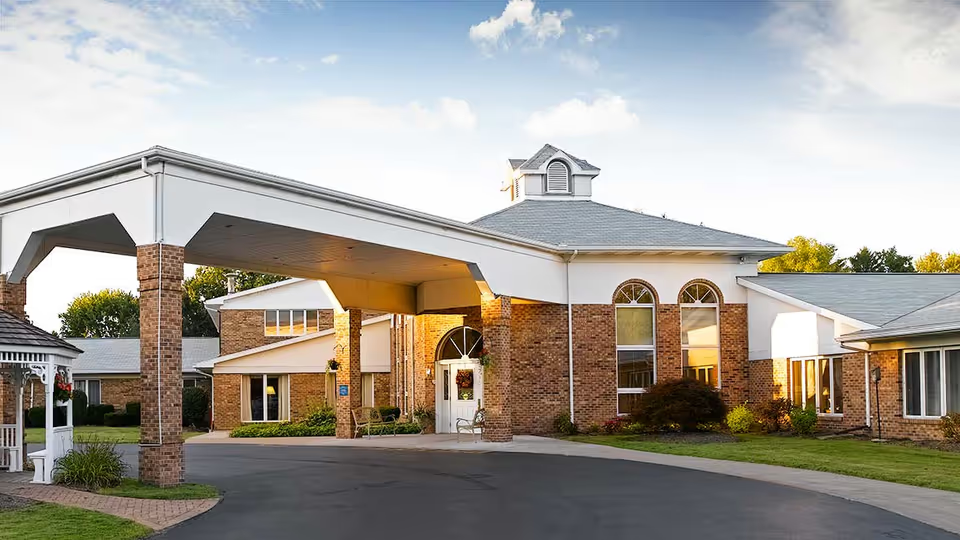
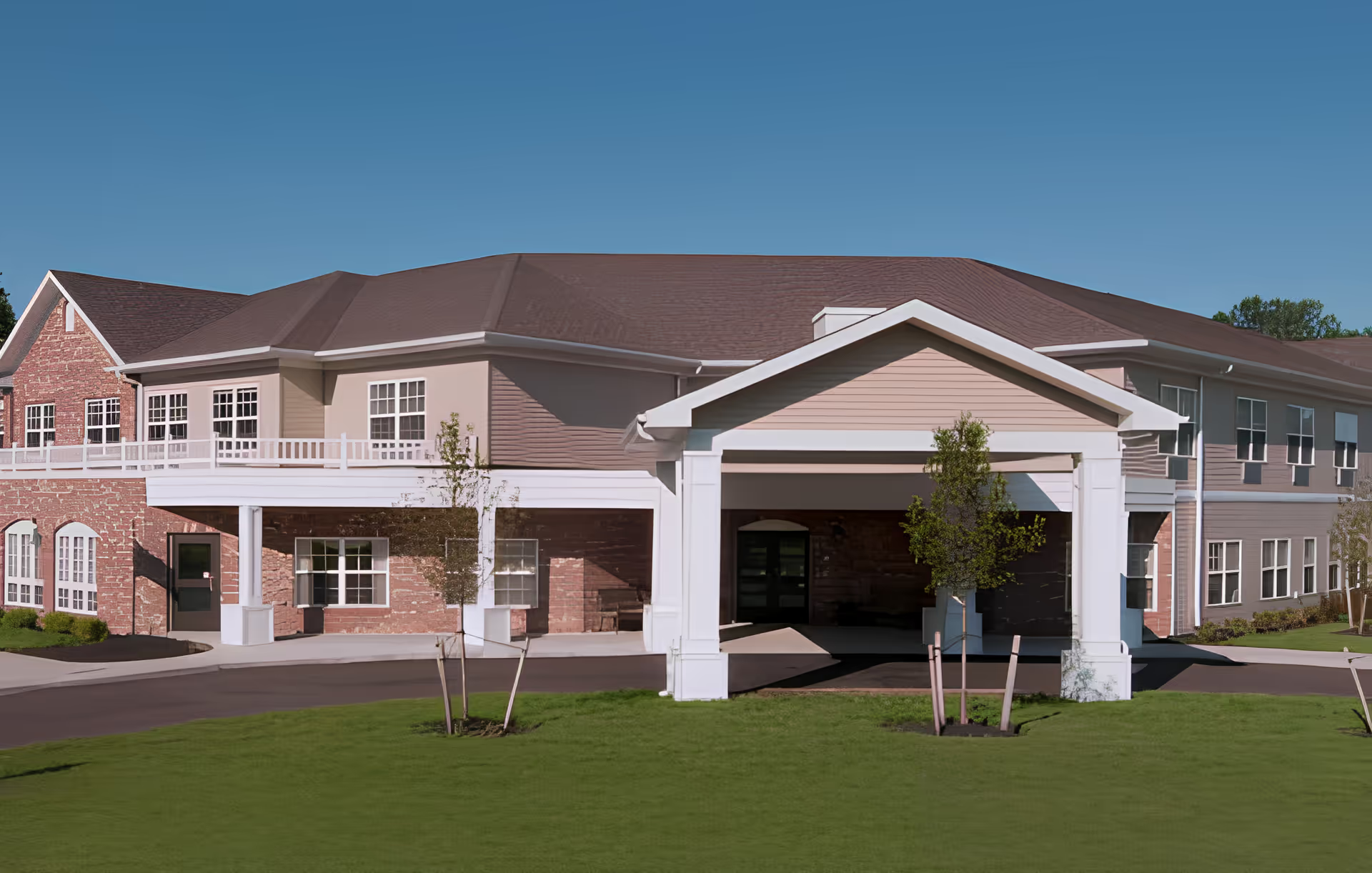
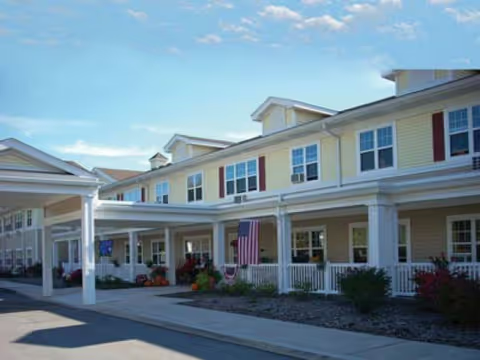
Facility and environment issues recur. Positive comments include large rooms, but many reviewers cited an institutional feel in portions of the building and an aged interior requiring maintenance (carpeting, seating, and general aesthetics). Multiple accounts raise sanitation and odor concerns in specific units and common areas, along with pest-control concerns in resident and kitchen areas. These issues indicate a need to review the facility’s housekeeping, infection-prevention, and pest-control protocols.
Management and communication are important patterns. Several reviewers described slow or absent callbacks, strict policies or fees perceived as inflexible, and dissatisfaction with how leadership addressed operational or clinical concerns. Other reviewers, conversely, reported a supportive, family-like environment and strong staff commitment. The coexistence of highly positive and highly negative experiences suggests variability by unit, shift, or time period.
Recommendations for prospective families: tour specific units during different times of day, ask for recent staffing ratios and turnover data, request incident-reporting and emergency-response procedures, review medication-administration policies, inquire about housekeeping and pest-control contracts, and check state inspection and licensing histories. Speaking directly with current families and observing meal service and activities will help gauge whether the positives or the operational concerns are more characteristic of the areas under consideration.