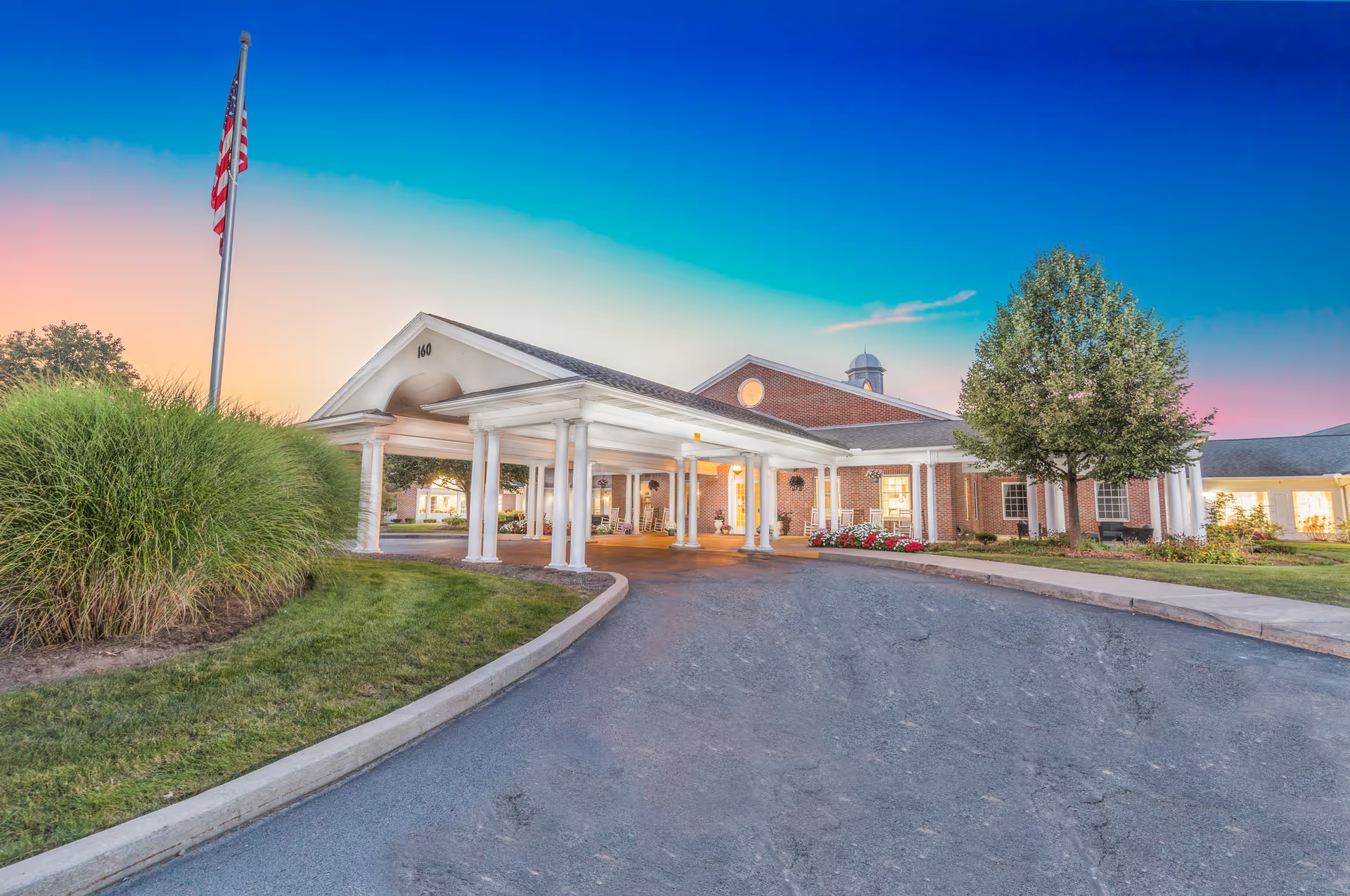
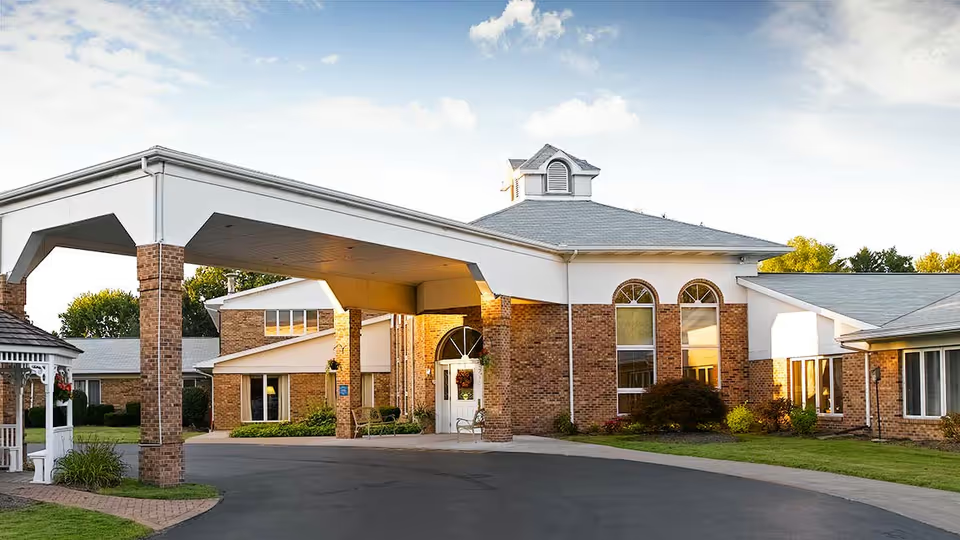
Valley Manor presents as a resident-focused assisted living community with strong strengths in interpersonal care, location, and on-site amenities. Families and residents consistently describe staff as compassionate and attentive, with frontline personnel and security available 24 hours. Staff are frequently praised for personal familiarity with residents and a people-oriented approach. Operational support services such as housekeeping, maintenance, and transportation are in place, and management permits apartment personalization, which supports resident individuality.
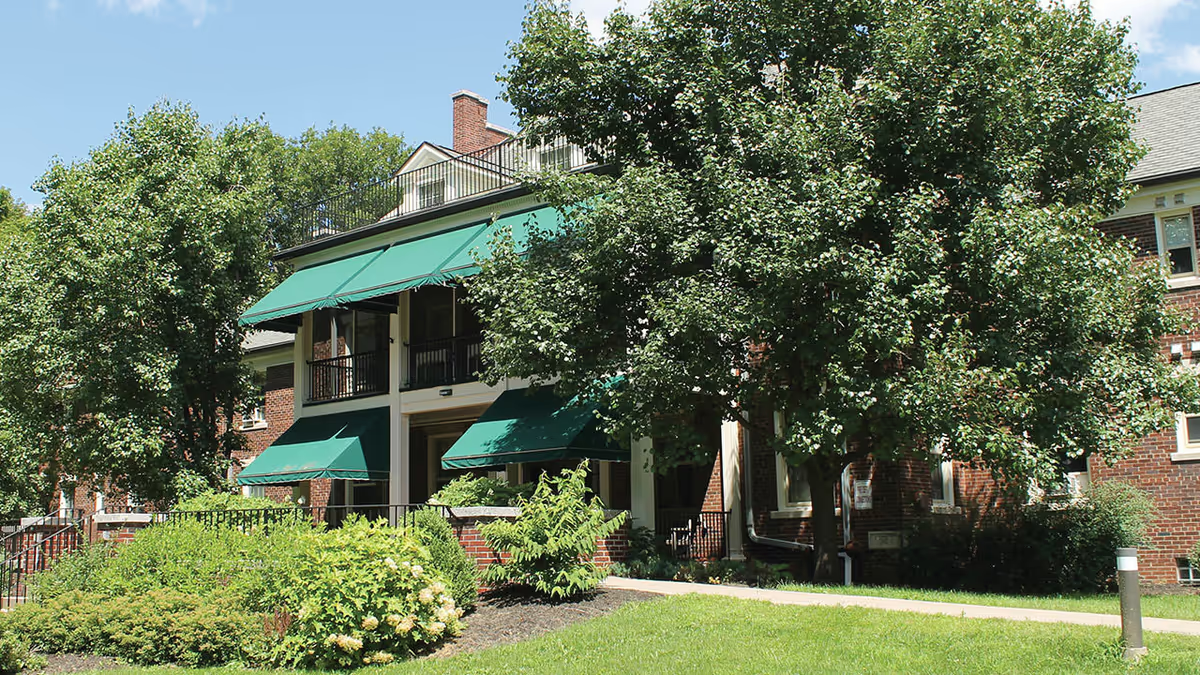
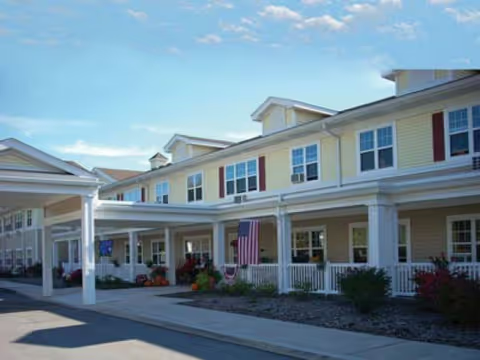
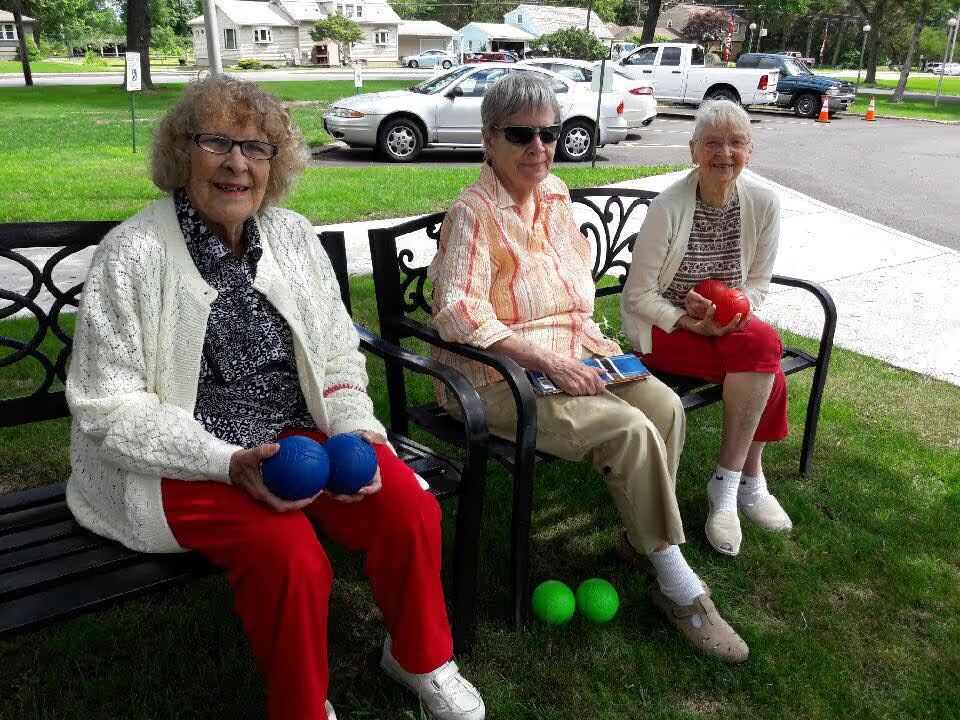
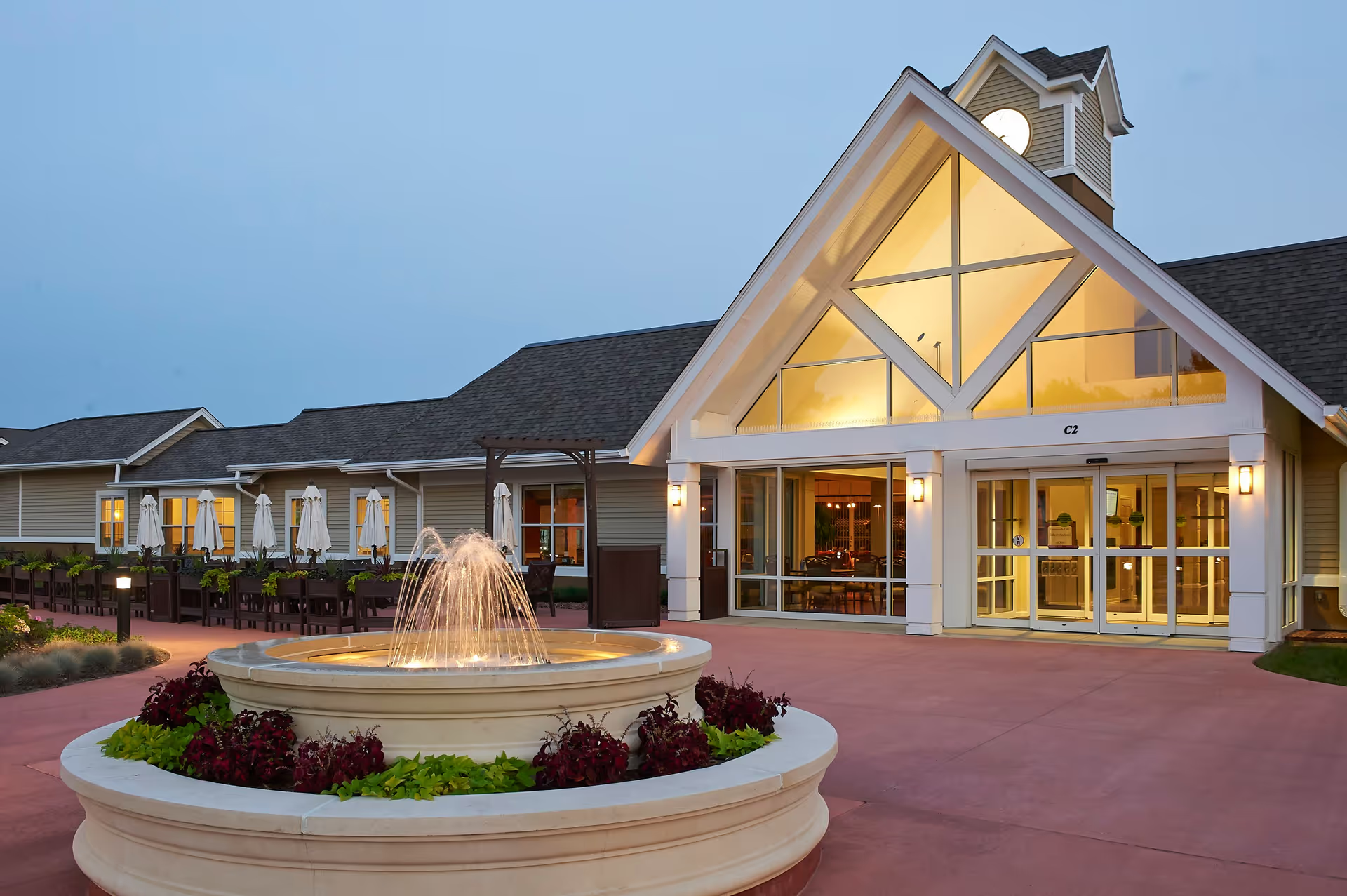
The campus offers a broad range of amenities that support social engagement and recreation: a library, art gallery, pool, gym, bistro, landscaped gardens and patio areas, and proximity to Rochester’s East Avenue arts and cultural district. Apartments tend to be light-filled and quiet (noted benefit of thick concrete construction), with options that include balconies and larger floorplans. The facility is described as an older building that has been well maintained and selectively upgraded, providing a blend of historic location and functional modern amenities.
Dining receives mixed but generally positive comments. The program includes a large menu selection with gluten-free options and staff who are knowledgeable about residents’ needs; residents and families highlight enjoyable offerings such as brunch and a bistro. At the same time, reviewers indicate limitations in menu variety at times and operational changes to dining programs that have reduced certain benefits (described as fewer menu options or loss of discretionary meal credits). There are also isolated concerns about buffet layout and food-safety protections that management may need to address.
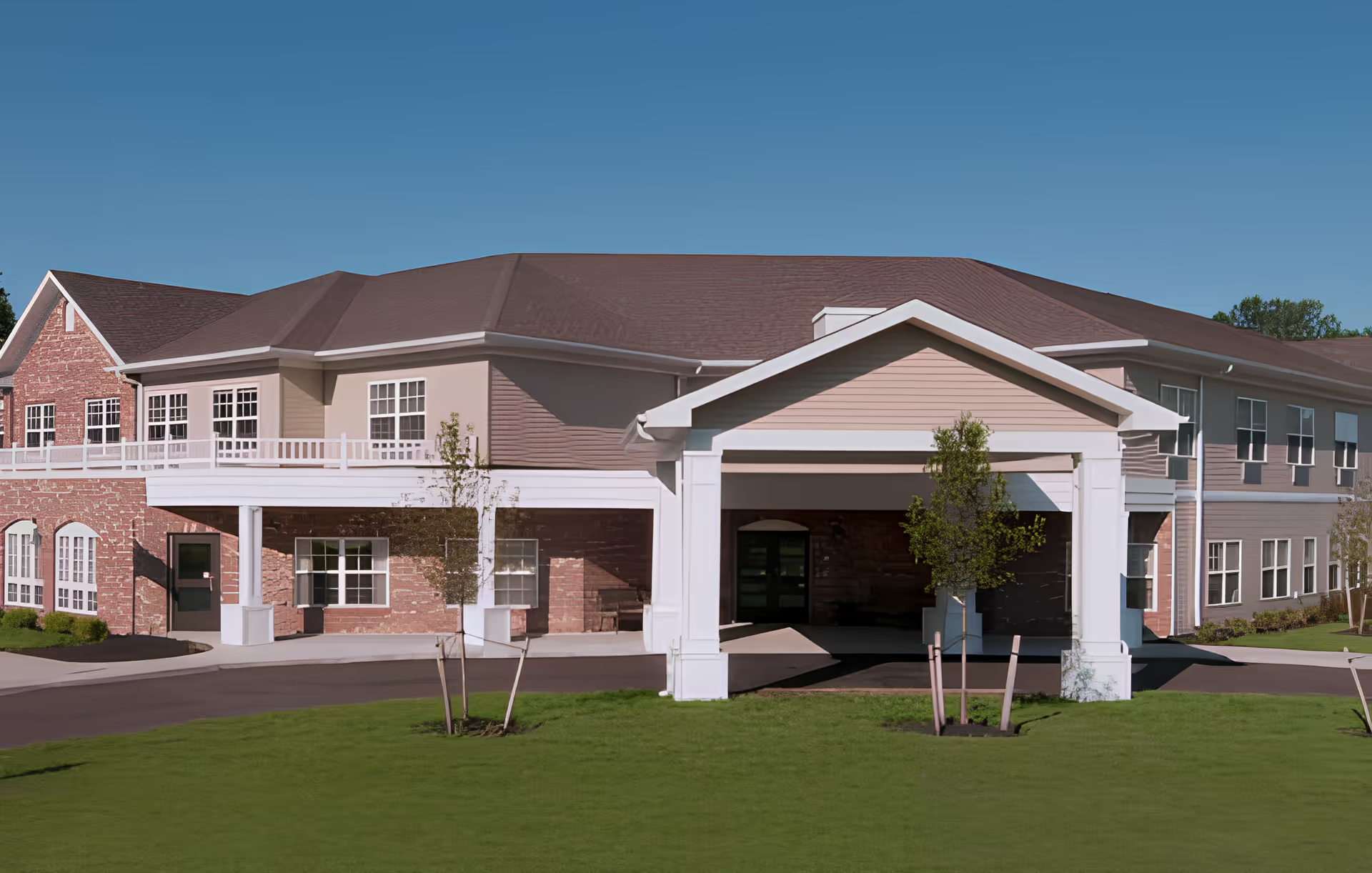
Clinical care capacity is a clear operational limitation to weigh. Valley Manor does not provide on-site nursing-level services; medical attention often involves external emergency responders and the community relies on a formal linkage to an adjacent assisted-living setting for residents who need higher-level care. Prospective residents with progressive clinical needs should evaluate how transitions to higher-acuity care would be handled and whether that model meets their long-term needs.
A recurrent operational theme is staffing variability. Reviewers note pleasant and engaged staff when present but also describe occasional shortages and pandemic-era hiring challenges that have affected day-to-day service consistency. Activity programming is plentiful in scope, yet some families would like more hands-on or skill-based options. Apartment finishes and sizes vary across the building, which creates trade-offs between unit uniqueness and consistency of accommodation standards.
In summary, Valley Manor is well suited to seniors seeking a socially active, culturally connected assisted living environment with attentive caregiving staff, comprehensive non-clinical services, and desirable location amenities. It is less appropriate for those requiring on-site nursing or consistent clinical oversight. Visitors should assess current staffing levels, dining program details, and the pathway to higher-level clinical care to ensure the community’s operational model aligns with the resident’s long-term care needs.