Woodside Manor presents a mixed picture in which strong clinical and interpersonal strengths coexist with operational vulnerabilities. Many accounts emphasize high-quality, therapy-focused care: physical and occupational therapy staff receive frequent praise for restoring mobility and transfers, and reviewers describe measurable functional gains. Nursing staff and CNAs are often described as compassionate and communicative, and several families reported feeling included in care decisions. Administrative staff are noted as accessible and helpful, particularly around financial and Medicaid coordination.
Care delivery appears to be a clear strength in many stays. Positive narratives highlight personalized care planning, supportive bedside manner, and effective coordination among therapy, nursing, and social work that contribute to successful short-term rehabilitation outcomes. Aides and therapists are described as patient and accommodating, and activities programming is mentioned as engaging and contributing to residents' sense of purpose and social engagement.
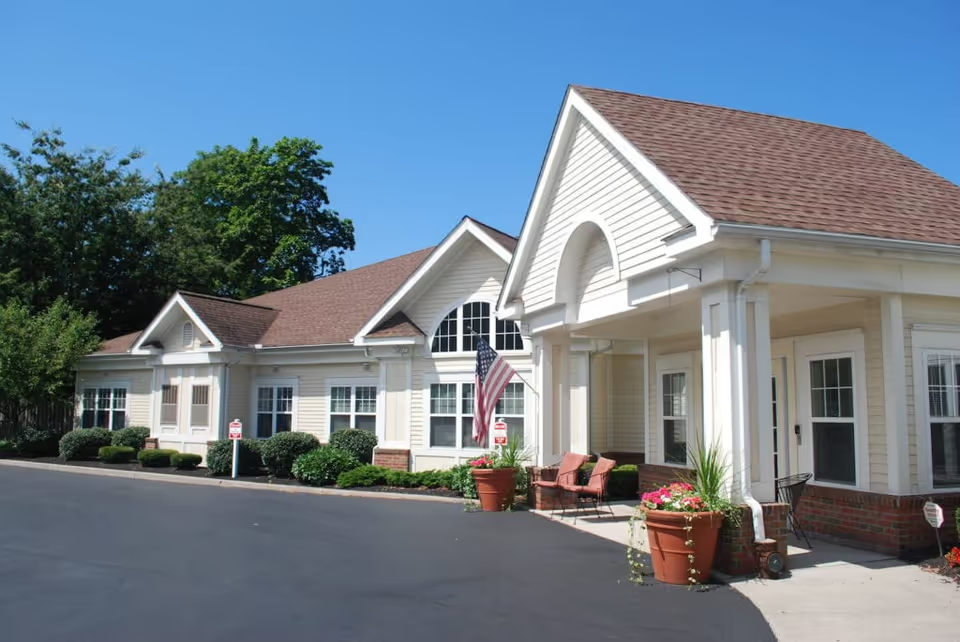
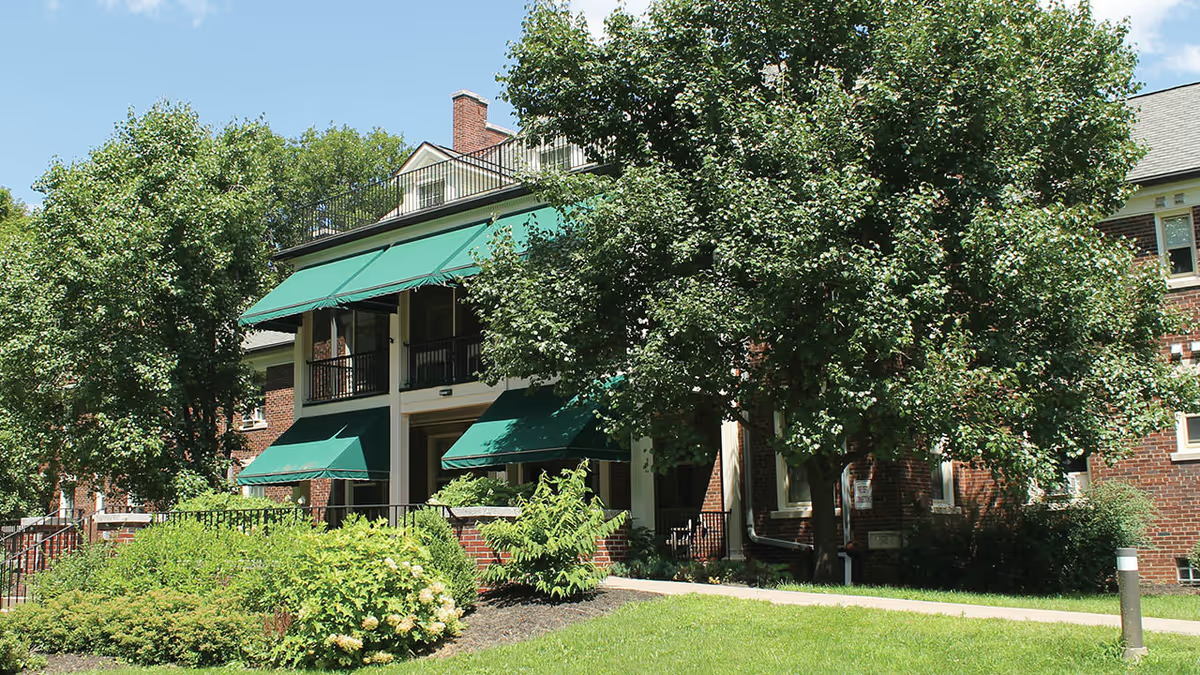
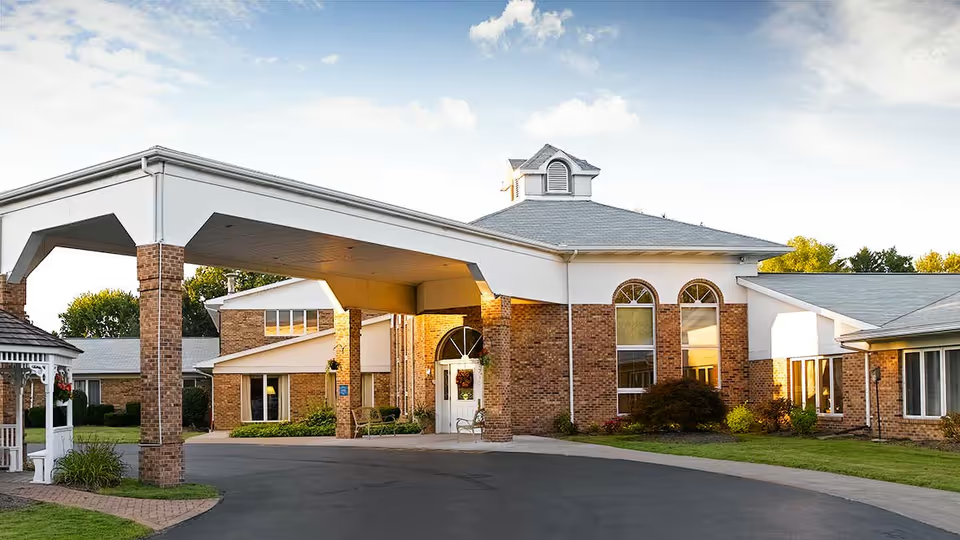
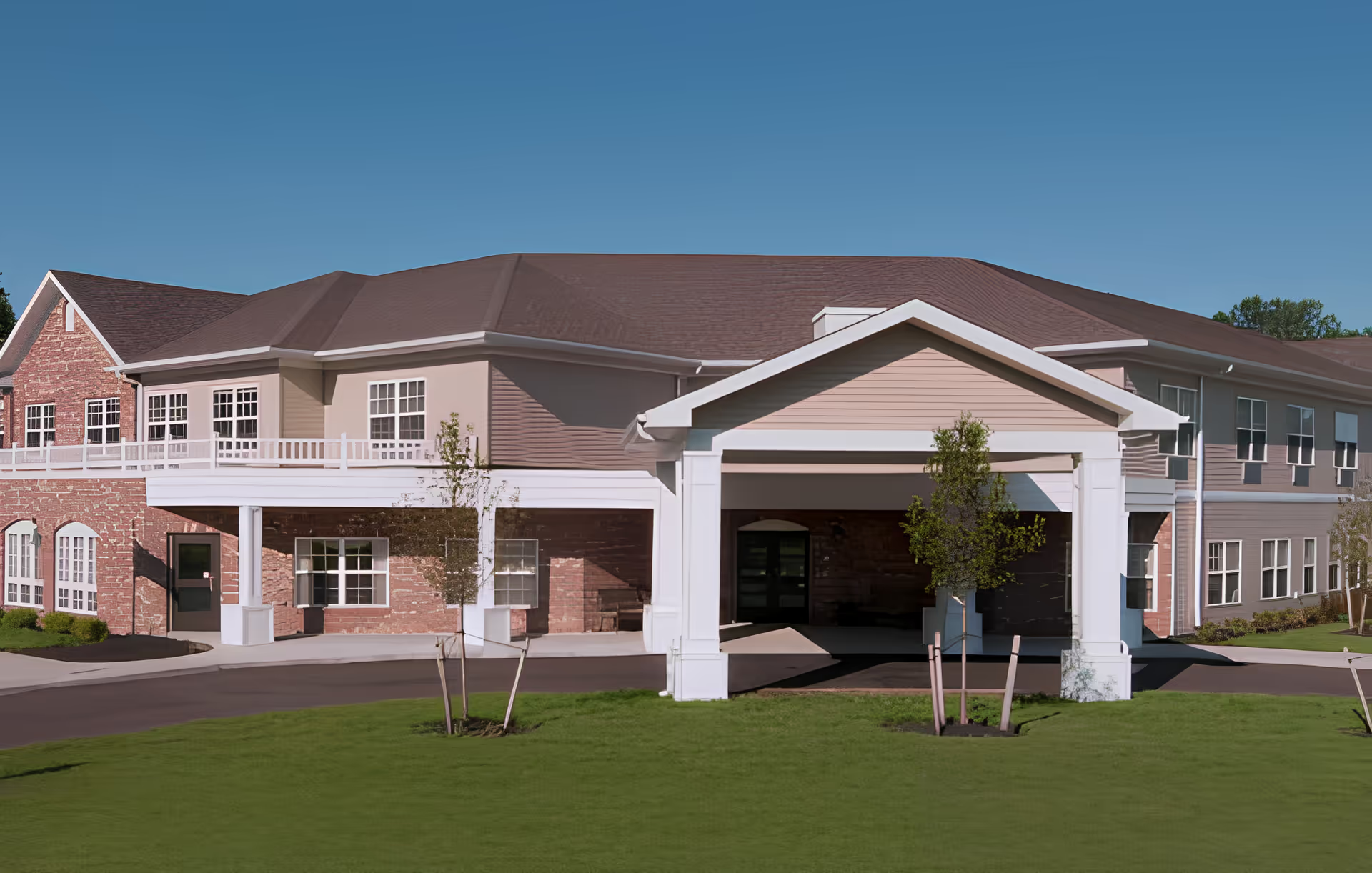
At the same time, multiple operational issues recurred across accounts. Cleanliness and environmental maintenance were inconsistent: reviewers described sanitation concerns in rooms and bathrooms, pest-control problems in personal storage areas, and general upkeep needs. The building and décor are described as dated, and some mechanical/amenity issues (for example, limited shower availability) were noted. Meal service is another area of variability, with accounts of cold or overcooked food and limited dietary accommodations or menu communication.
Staffing and operational reliability are additional areas of concern. Several descriptions point to staffing shortages that lead to long waits for assistance, inconsistent availability of therapy sessions, and delays in medication administration. There are also reports indicating variability in staff conduct and communication tone, and a few accounts raised significant safety and timeliness concerns, including delayed medication provision and confrontational interactions. Laundry and personal-item handling processes were described as inconsistent in some cases.
For prospective residents and families, the facility offers clear strengths for those seeking therapy-driven rehabilitation and compassionate frontline caregivers, and administrative assistance with financial planning is a noted benefit. At the same time, it would be prudent to evaluate operational aspects in person: tour resident rooms and common areas for cleanliness and maintenance, observe meal service and ask about dietary accommodation procedures, review staffing patterns during peak care times, confirm therapy schedules and access, and ask about medication-administration checks and laundry protocols. These targeted inquiries can help balance the facility’s clinical strengths against the operational concerns described.