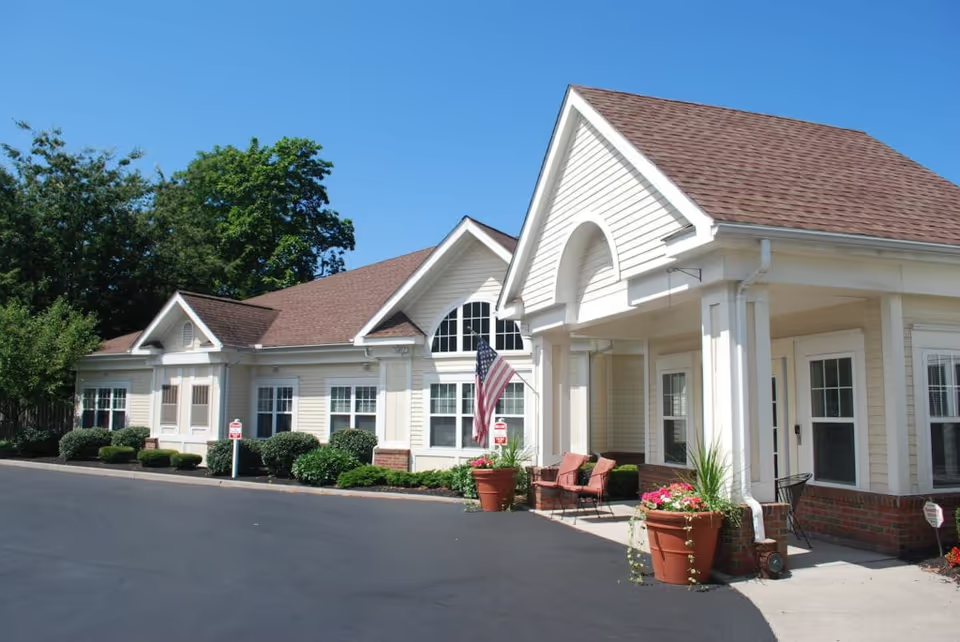
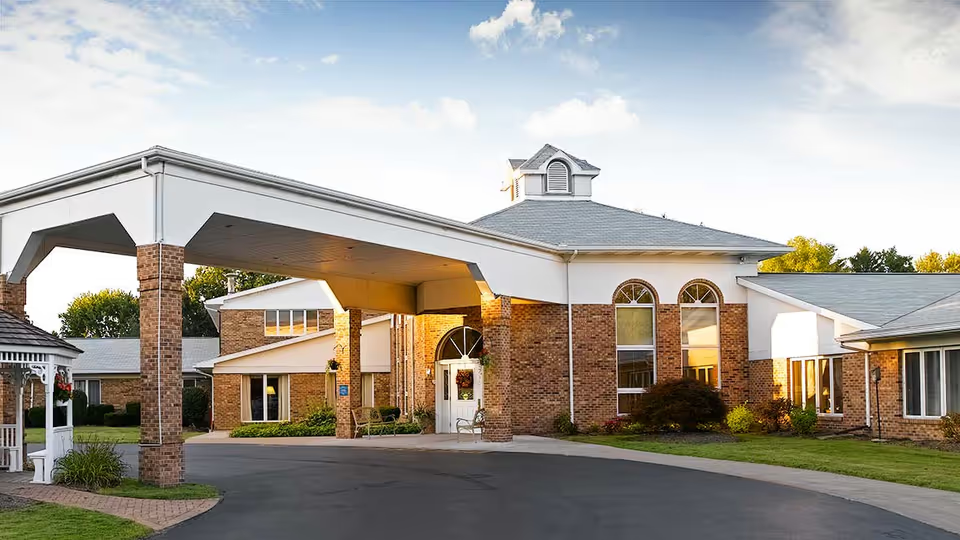
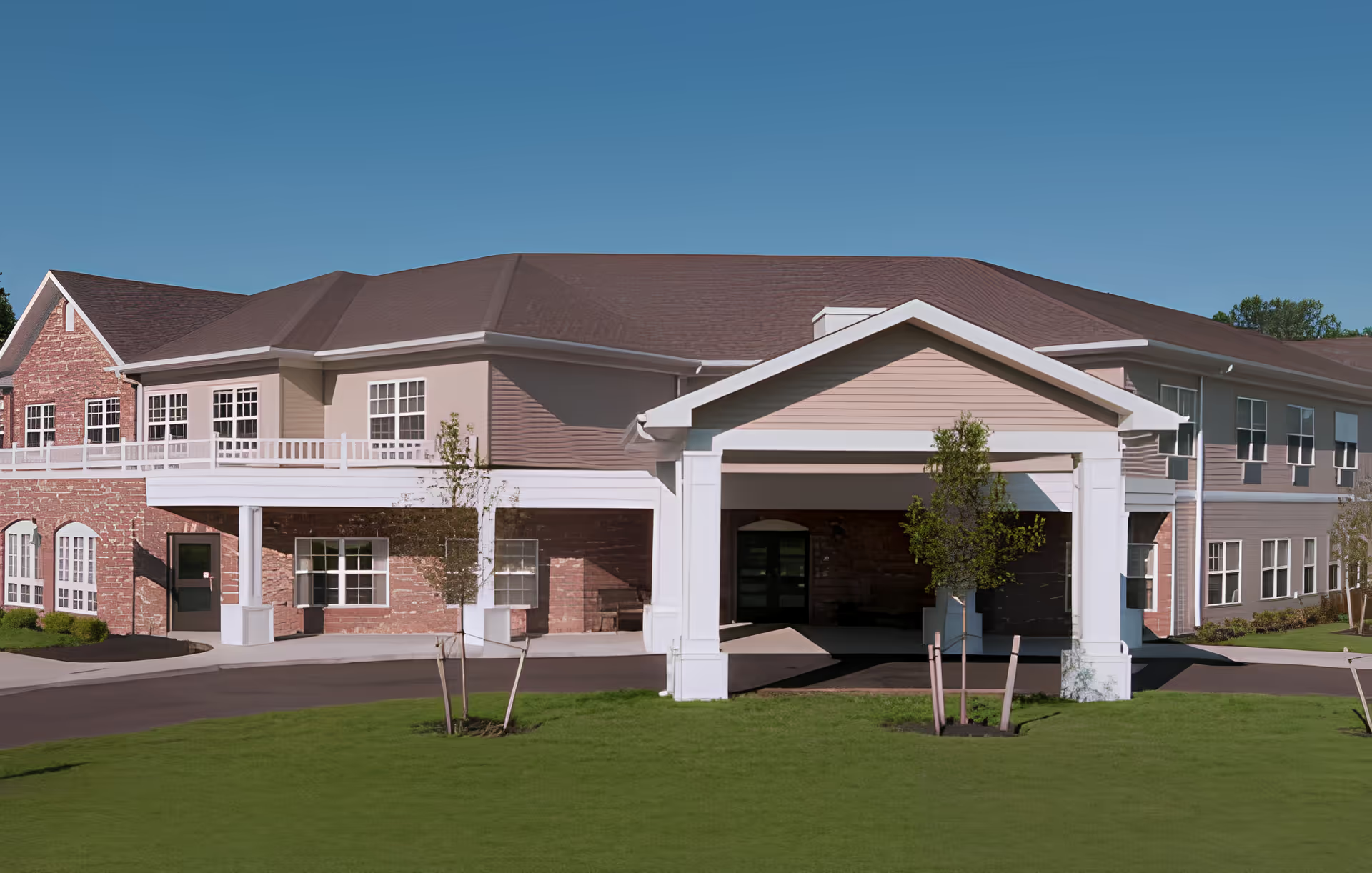
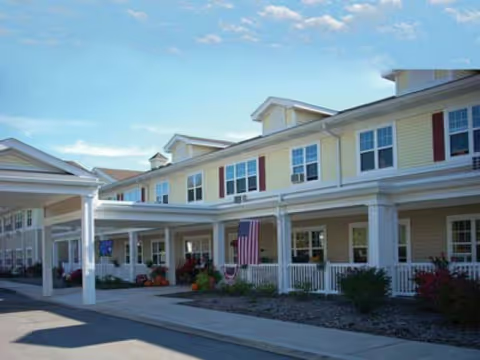
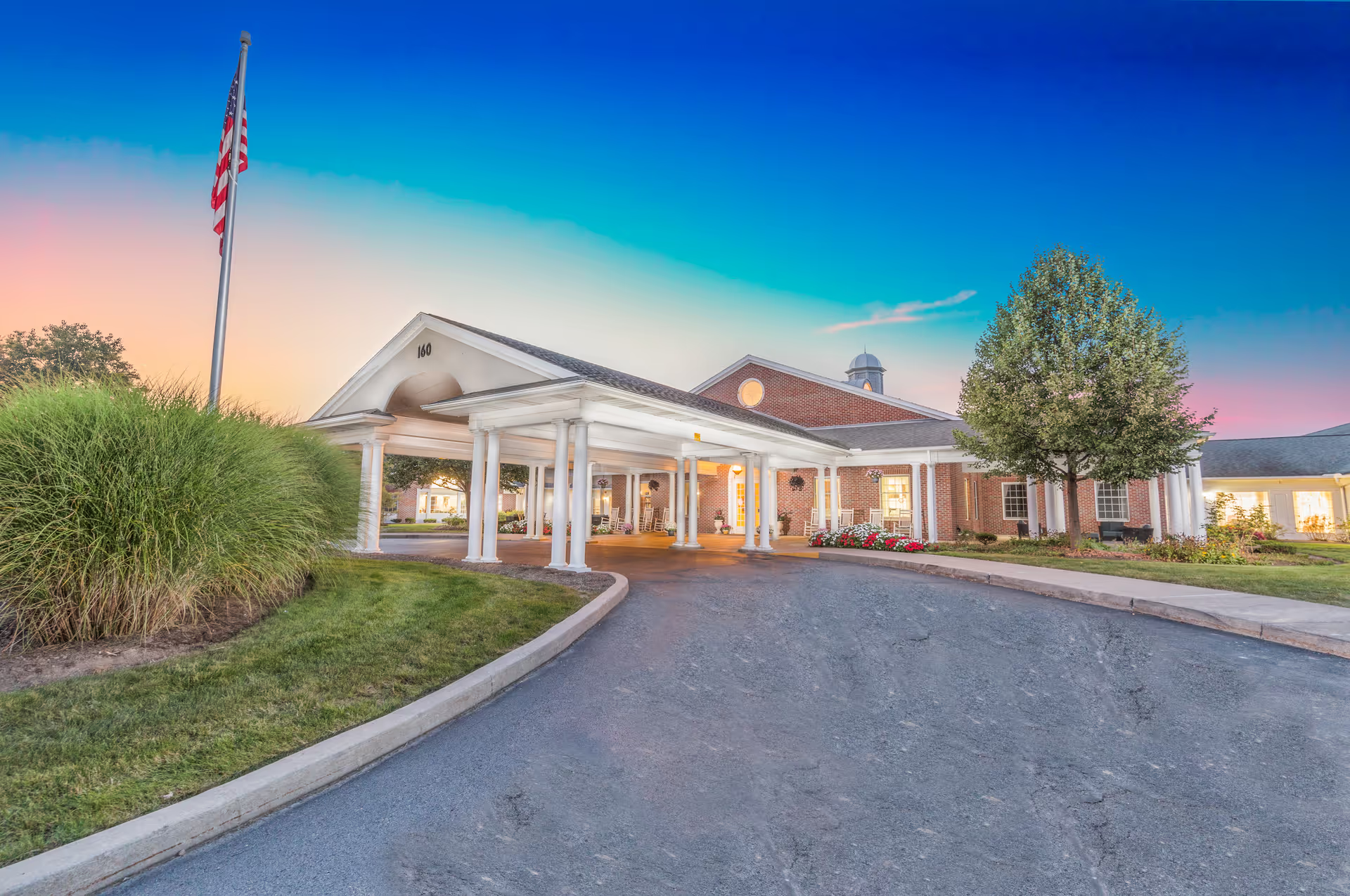
Overview: Reviews describe a facility with many visible strengths—attractive, well‑kept common spaces; varied social programming; restaurant-style dining; and staff members who are frequently called caring, personable, and attentive. Apartments (including one- and two-bedroom layouts) are generally described as spacious and bright, and maintenance and move-in coordination receive positive mentions. The community’s location and transportation offerings are also valued for keeping residents engaged with local amenities.
Care and clinical oversight: While families praise individual caregivers and some nursing staff, a recurring pattern concerns clinical consistency. Reviewers cite instances of missed or delayed vital-sign checks and treatments, nebulizer or medication administrations not completed as scheduled, and transfers to higher-level care without clear family communication. These indicate inconsistency in clinical oversight and medication-management controls rather than uniformly poor practice; some on-site clinical services and medication-delivery processes are present and work well at times. Memory-care observations are mixed: there is a secured unit and alarmed exits, but several accounts point to insufficient night supervision, variable staff training for dementia care, and safety-protocol gaps.
Staffing and responsiveness: Many reviews highlight individual staff members who go above and beyond, especially dining servers, activities staff, maintenance, and certain nurses. At the same time, chronic understaffing, frequent use of temporary or rotating personnel, and high turnover are repeatedly mentioned and tied to inconsistent day-to-day care, slow response times, and variability in service quality. Communication from management is another common theme: families describe both responsive administrators who address concerns and situations where follow-up was inadequate or billing and paperwork issues were slow to resolve.
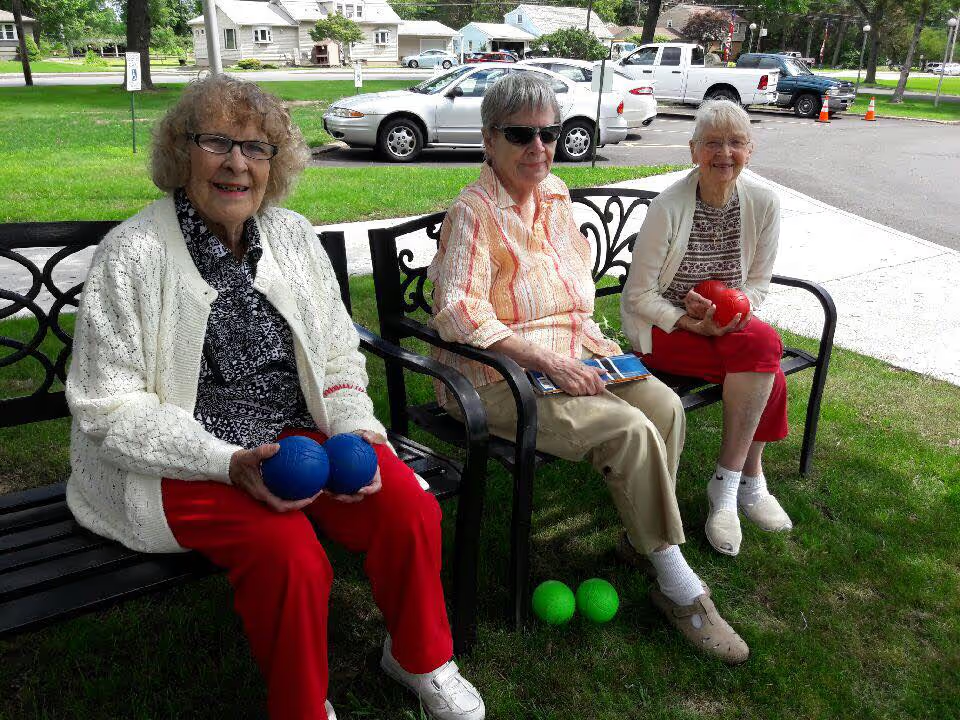
Dining and activities: Dining is a clear area of divergence. Numerous reviewers praise chef-driven meals, friendly dining staff, and special events; others cite overly starchy or processed preparations, limited portions, shortages during service, and few specialty accommodations (for example, limited gluten-free options). Activities and outings are robust on paper—ceramics, music, choir, walking clubs, and bus trips receive positive comments—but activity notification and programming variety are inconsistent for some residents, which can limit participation, particularly for those needing individualized engagement.
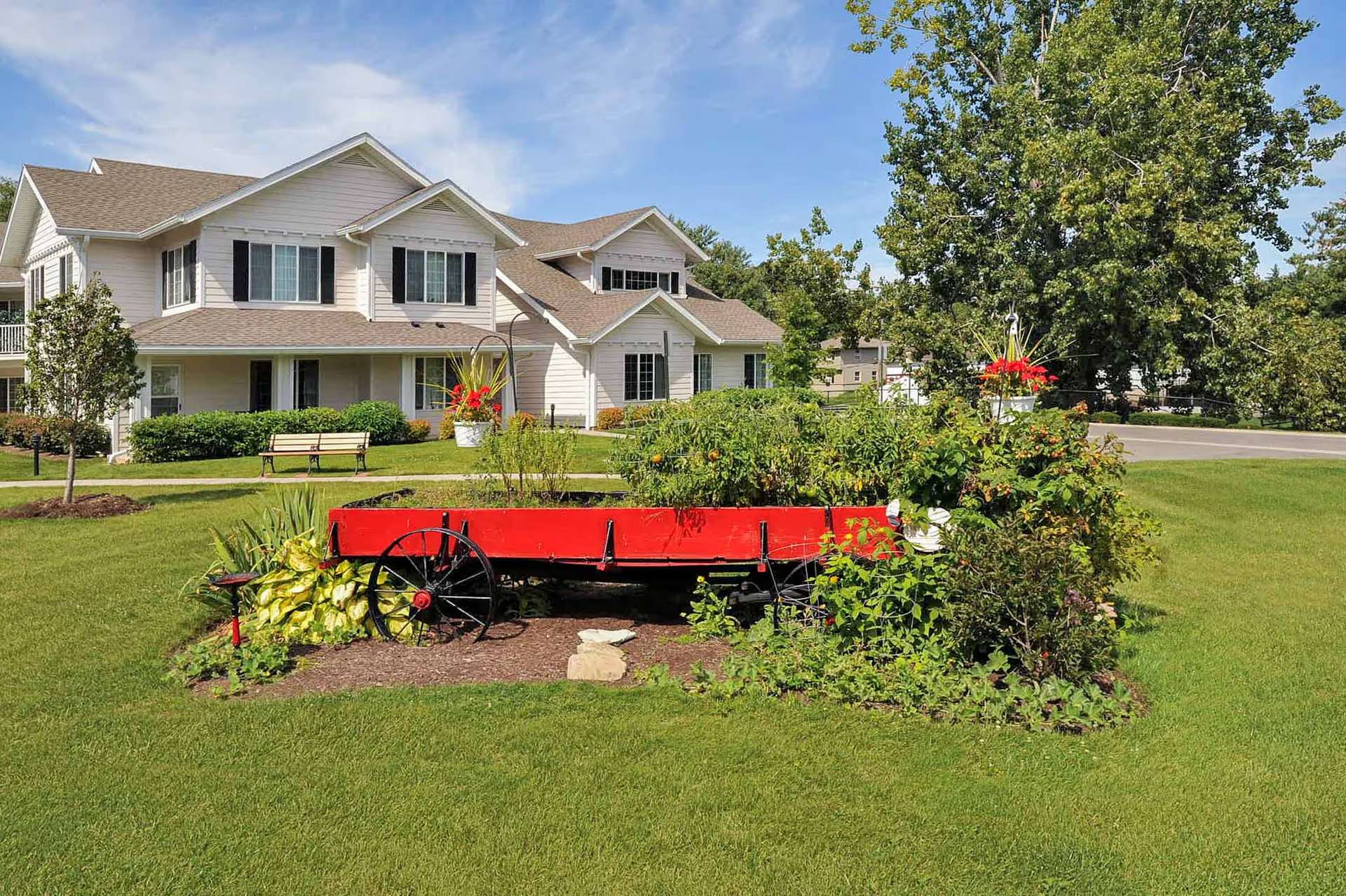
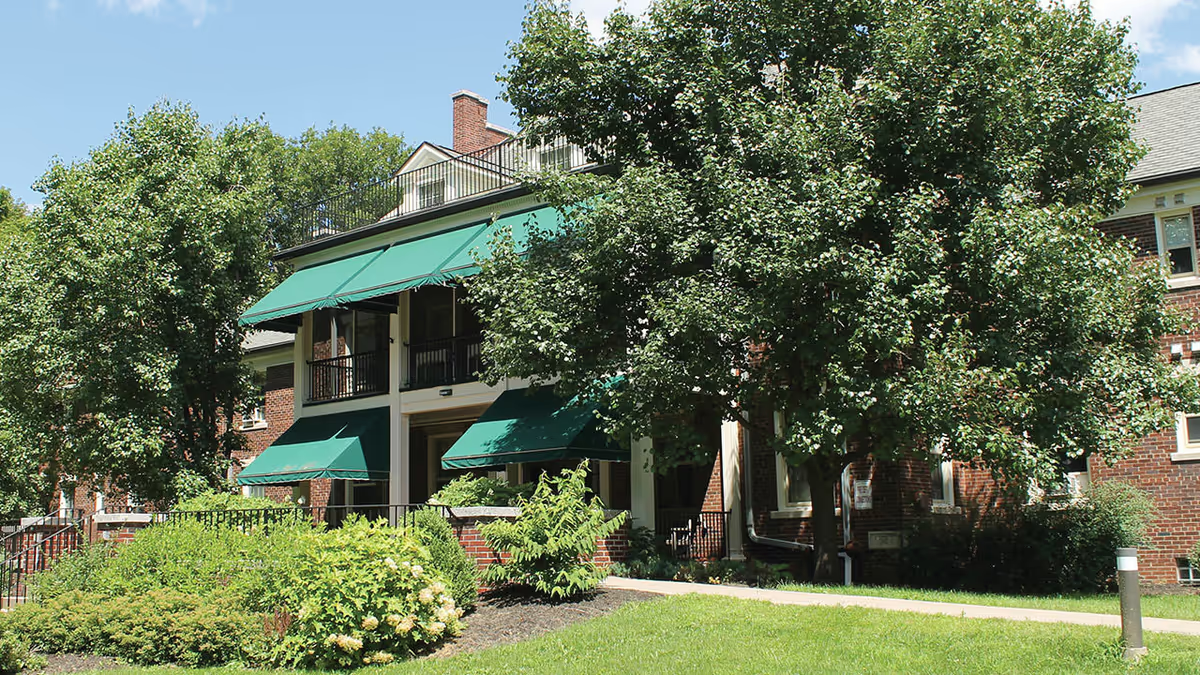
Facilities and housekeeping: The physical plant and aesthetics are frequently lauded—bright sun rooms, attractive decor, and well-kept grounds are commonly noted. However, housekeeping consistency and sanitation practices are uneven: some families report reliable room tidying and weekly laundry, while others describe lapses in cleaning frequency and sanitation follow-through. Salon and ancillary services exist but are sometimes limited by outside contractors or reduced service offerings.
Management, billing, and costs: Many reviewers appreciate helpful admissions staff and flexible move options, including respite stays. Conversely, several reviewers raise concerns about opaque billing, additional charges for services (including medication administration), and periodic rent or fee increases that affect affordability. There are also accounts of inconsistent follow-up when families raise clinical or operational concerns, creating mixed impressions of management responsiveness.
Notable patterns and recommendation guidance: Overall, Baywinde presents as a community with strong social programming, attractive facilities, and many dedicated employees who create a positive resident experience. Prospective residents and families should weigh these strengths against recurring operational themes: staffing stability, clinical consistency (especially for higher-acuity or memory-care needs), housekeeping reliability, and clarity around billing. For independent or socially active residents who value activities and a chef-driven dining program, the community may be an excellent fit. For residents requiring close clinical monitoring, more structured memory-care supports, or robust night supervision, families should conduct targeted inquiries into staffing ratios, emergency-response protocols, medication administration procedures, and recent staffing turnover before deciding.