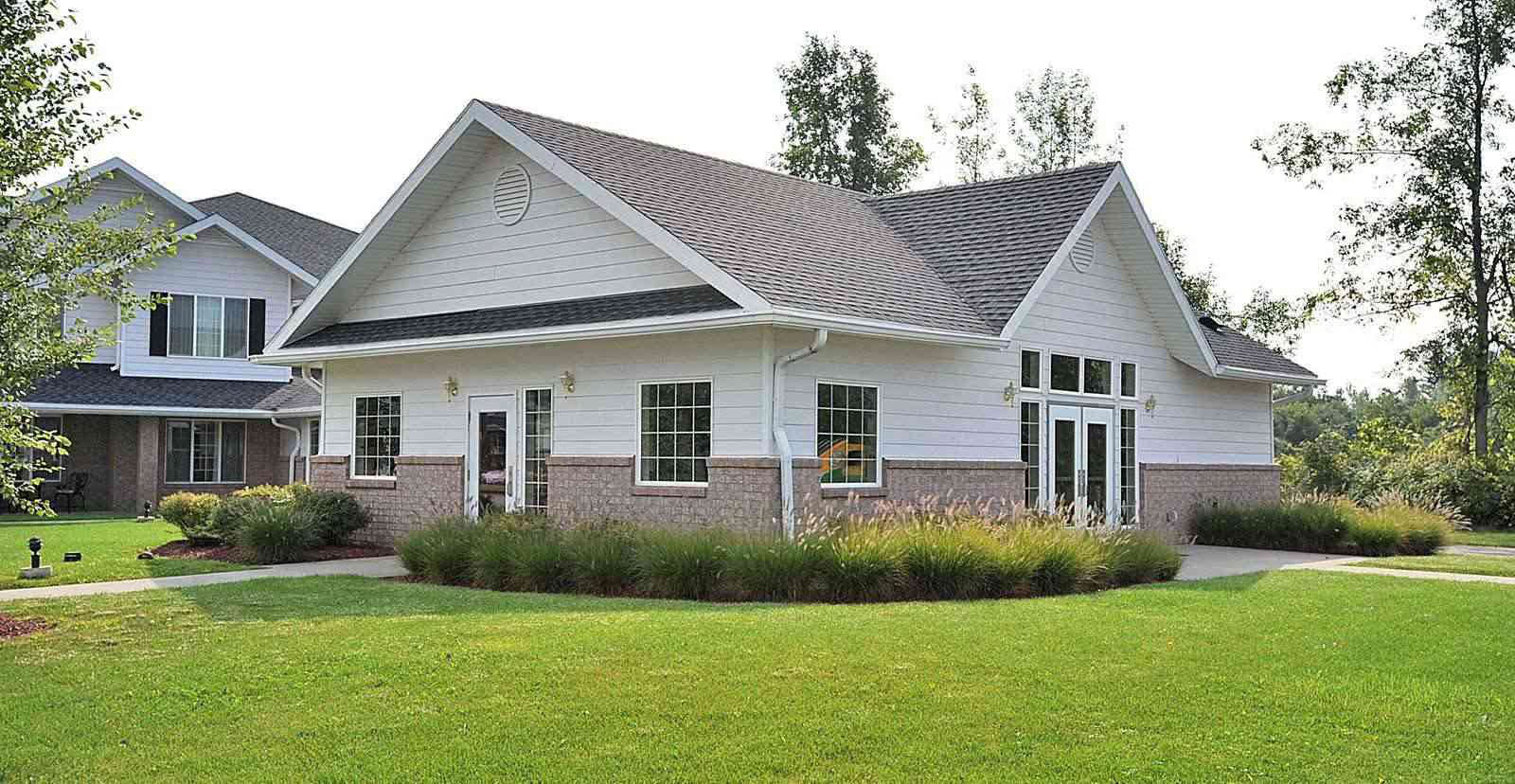
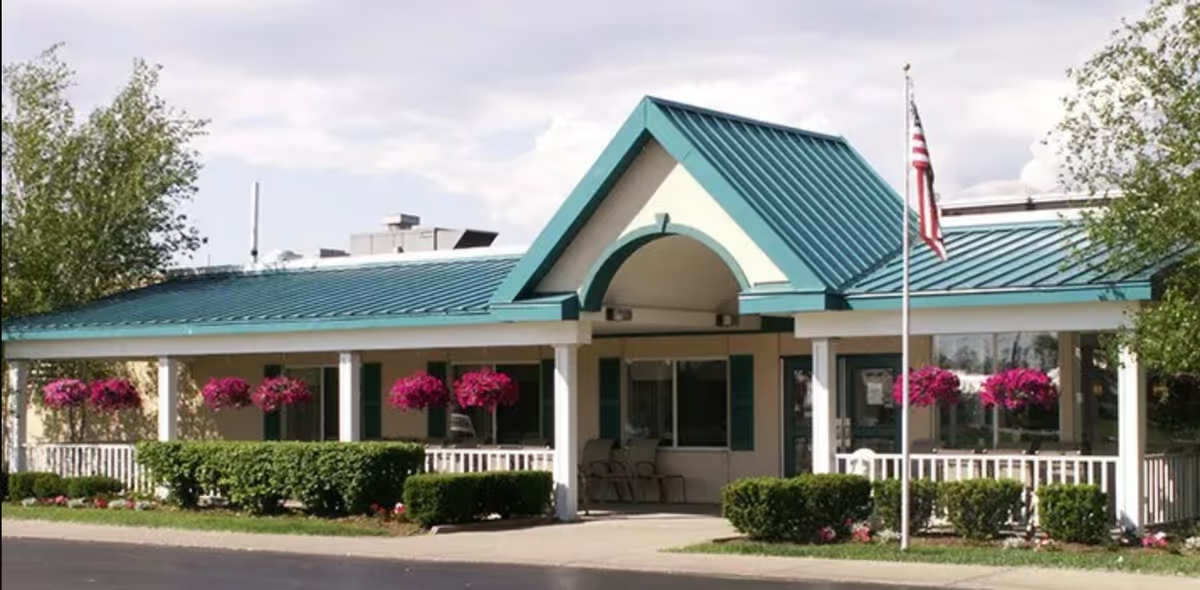
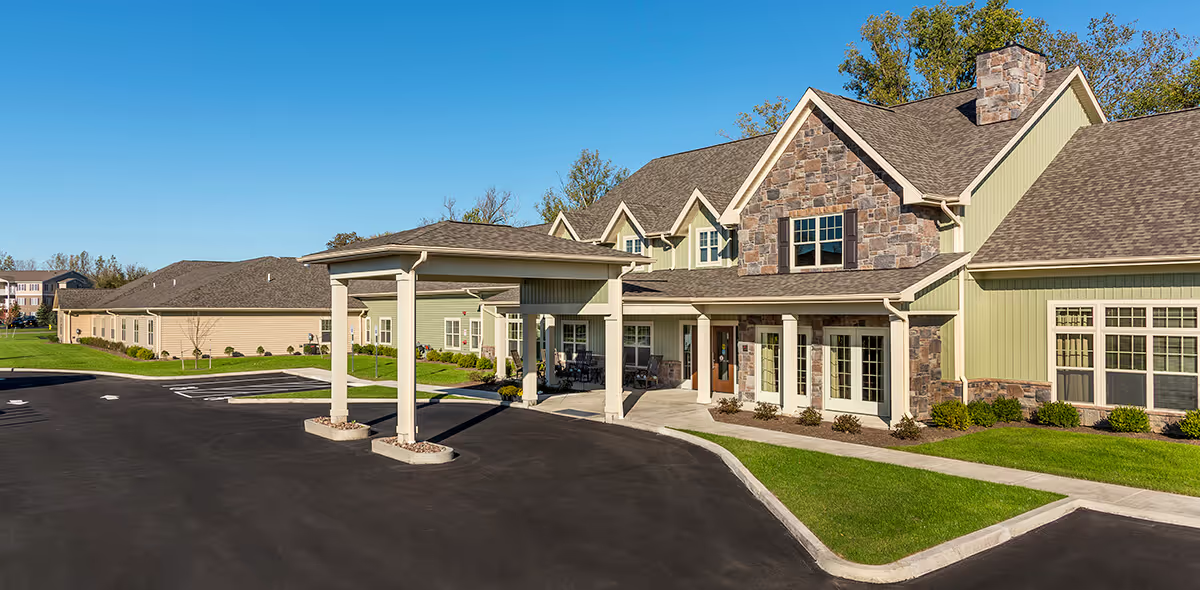
Overall impression: Brookdale Williamsville is described by many families as a warm, home-like community with numerous strengths in day-to-day resident interactions, memory-care programming, and a range of on-site services. Reviewers frequently highlight the compassionate tone of caregiving staff, a robust schedule of activities geared to cognitive engagement, and an on-site kitchen and salon that contribute to a residential experience rather than a strictly clinical one. The facility's common areas, courtyard access, and family-friendly options such as private dining are also noted as positive attributes.
Care and staff: Nursing and direct-care staff receive consistently positive comments for compassion, responsiveness, and personal attention; specific nursing staff were singled out by name for exemplary care. At the same time, reviewers indicate variability in staffing continuity and experience — a pattern attributed in part to pandemic-related turnover and new hires. Several families cited delays or gaps during night shifts and uneven responsiveness from some aides or nurses. Importantly, a few reviewers described serious clinical incidents and communication breakdowns after those events; these accounts point to gaps in incident-response procedures and family notification practices rather than uniform systemic failure. Prospective families should ask about staffing ratios, night coverage, clinical oversight, and incident-reporting protocols during a tour.
Dining and housekeeping: The community operates an on-site kitchen with a varied menu and receives praise from residents who enjoy meals prepared there. However, dining quality is described as inconsistent — with some families very satisfied and others finding the food uneven. Housekeeping and laundry services are provided regularly, but reviewers report variability in thoroughness; some describe consistently clean rooms and common areas, while others describe recurring minor sanitation concerns and inconsistently cleaned rooms. These mixed impressions suggest that operational consistency in housekeeping and food service is an area for ongoing attention.
Activities and programming: Activity programming is a clear strength, particularly for memory-care residents. Reviewers frequently mention music, singalongs, exercise, trivia, themed dinners, and cognitive games as effective and engaging. That said, several families reported that posted activity schedules were not always followed or that certain programs occurred less often than advertised, leaving some residents under-stimulated. For those seeking a high level of engagement, confirming the activity calendar and its execution is advisable.
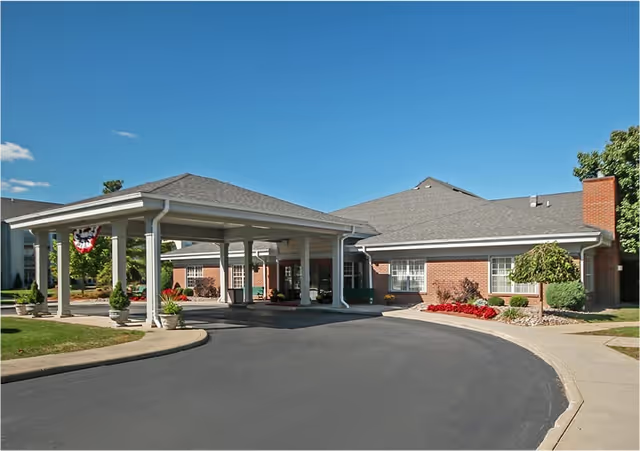
Facilities and environment: Many reviewers describe the facility as bright, clean, and comfortable with hotel-like common spaces and room options that can be made personal. Room sizes and layouts vary; some prospective residents find rooms smaller or more dated than expected. A small number of accounts mention entry-area odor concerns and point to localized cleanliness or maintenance issues. The community's positive county health rating is an important indicator of baseline regulatory compliance.
Management and administration: Families noted active leadership, with some reports of a new executive director improving communication. At the same time, several operational concerns recur: perceived lack of pricing transparency, unexpected rate increases, and administrative issues including payroll and HR communication problems. There are also isolated but serious allegations of discriminatory conduct; these are significant to prospective residents and families and warrant direct inquiry during the decision process.
Notable patterns and recommendations: Strengths cluster around personalized caregiving, memory-care activities, and an on-site services model that supports resident quality of life. Areas that deserve scrutiny during a visit include staffing stability (especially night coverage), clinical-incident response and family notification protocols, consistency of housekeeping and meal quality, activity calendar reliability, and pricing/contract clarity. Prospective families should request current staffing ratios, examples of incident-response procedures, a recent activity calendar with frequency details, sample menus, and a clear written fee schedule before committing. These steps will help reconcile the generally positive caregiver-focused reports with the operational inconsistencies some families experienced.