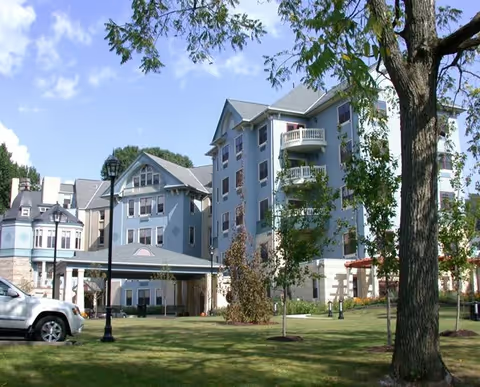
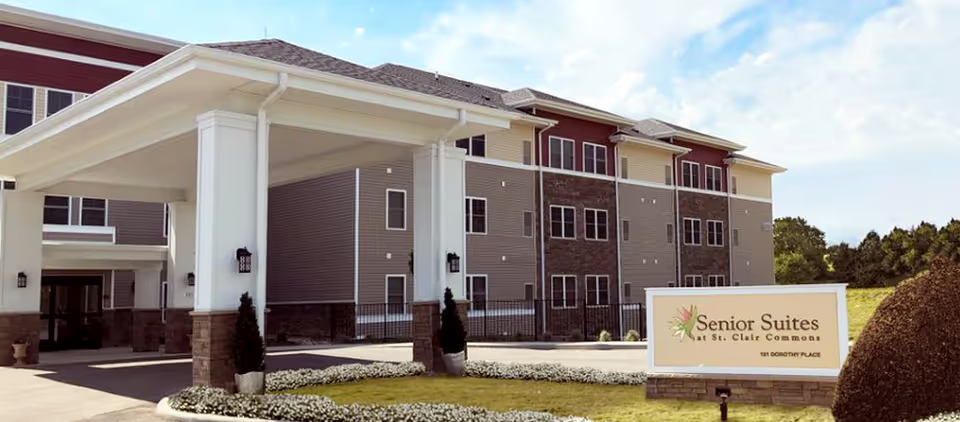
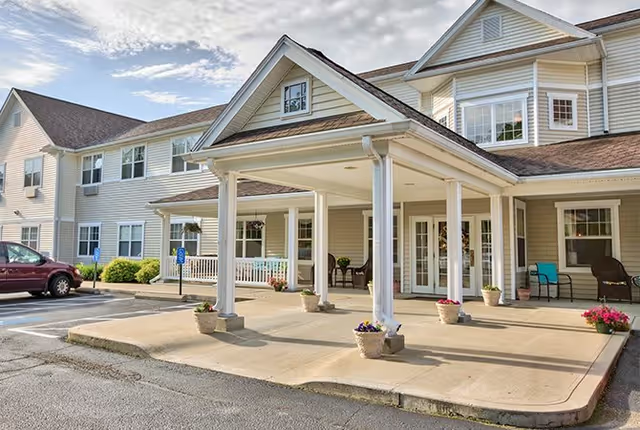
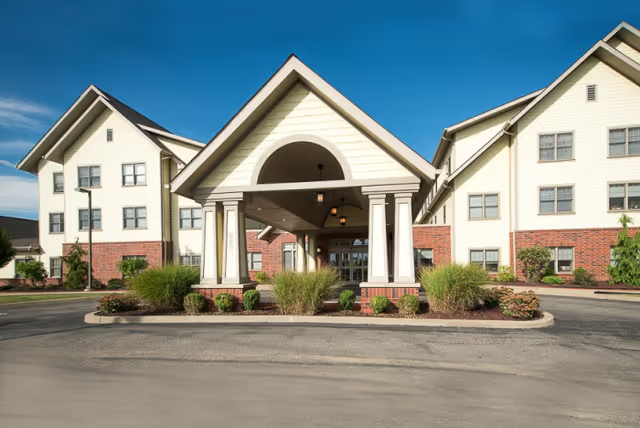
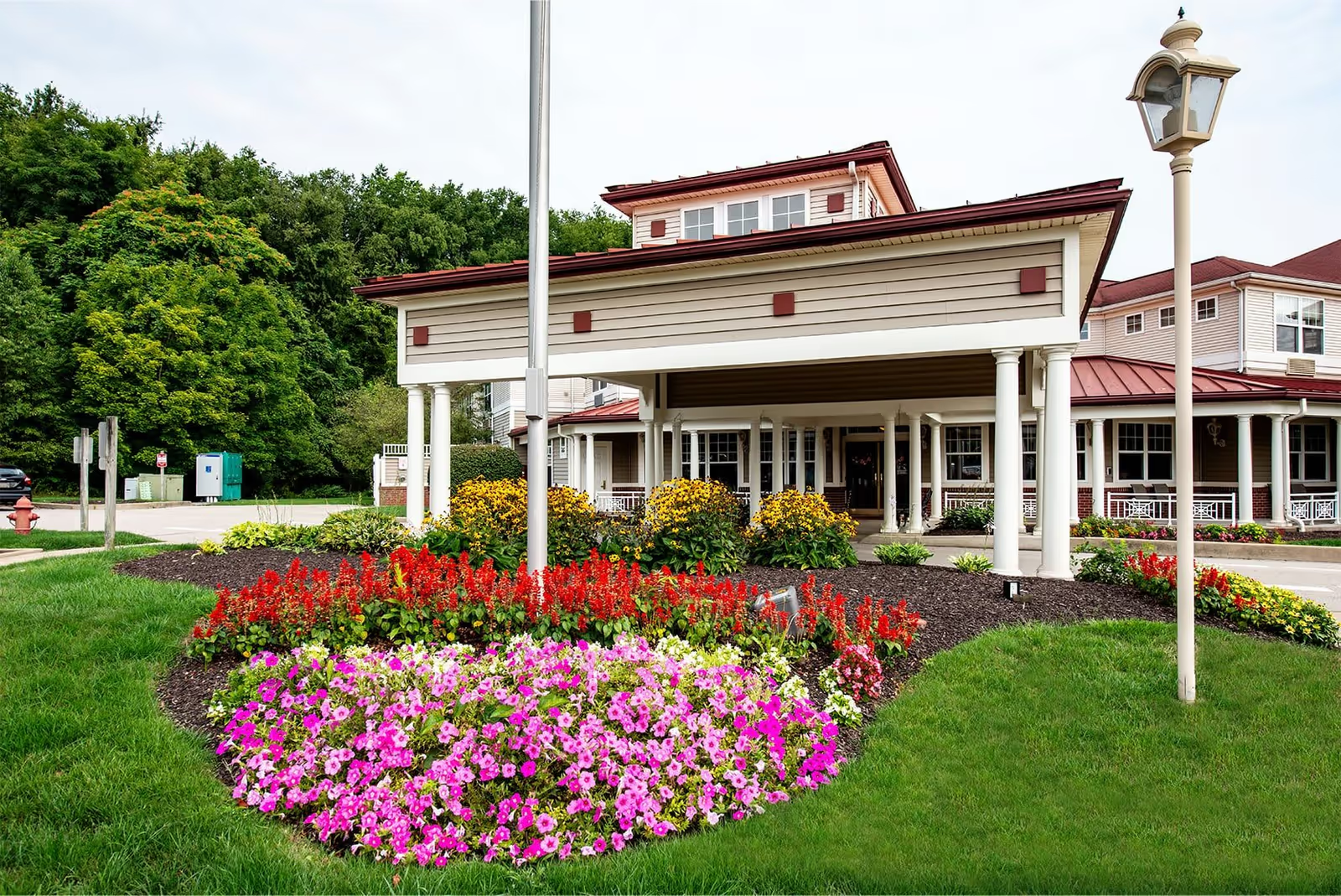
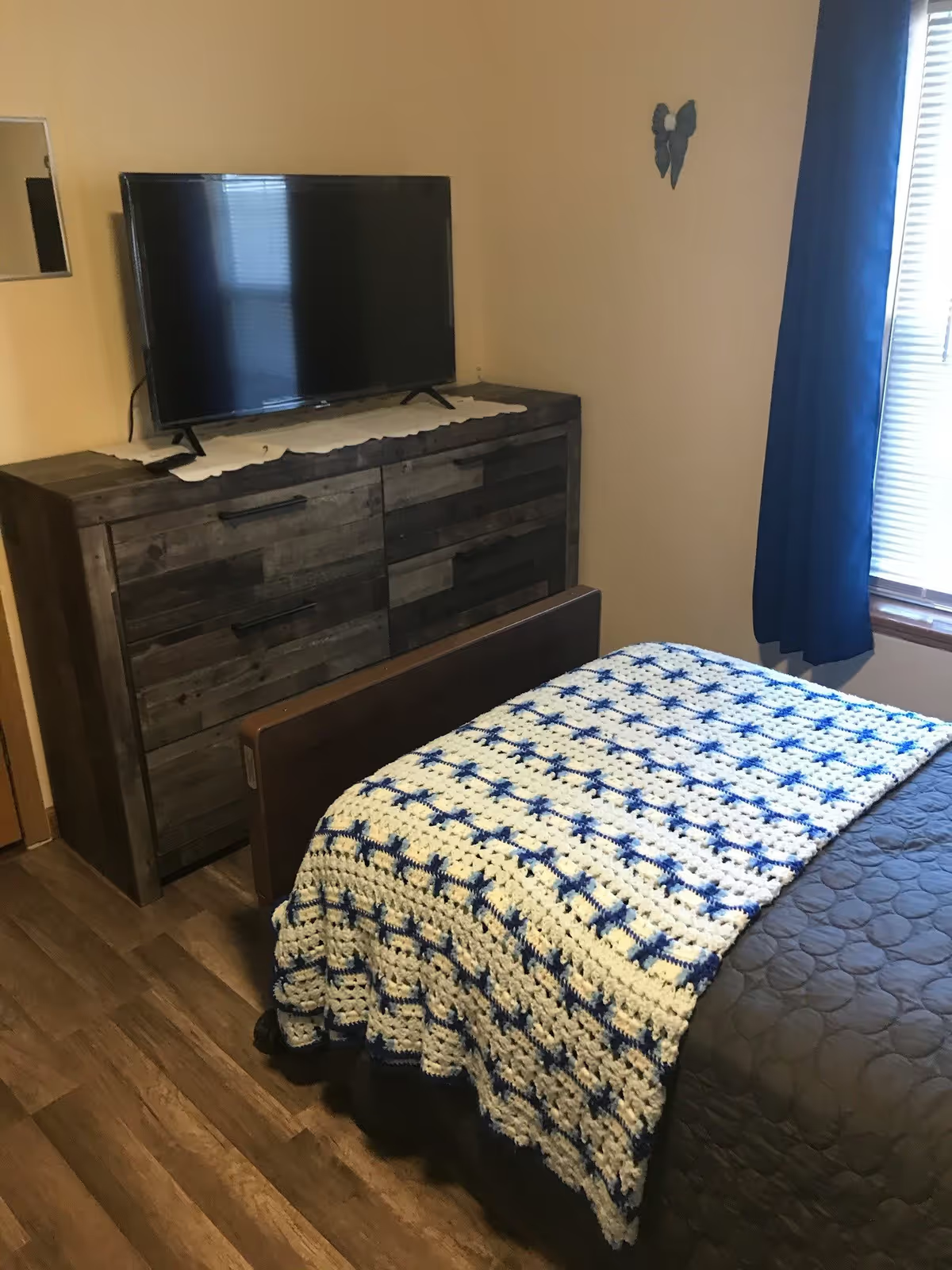
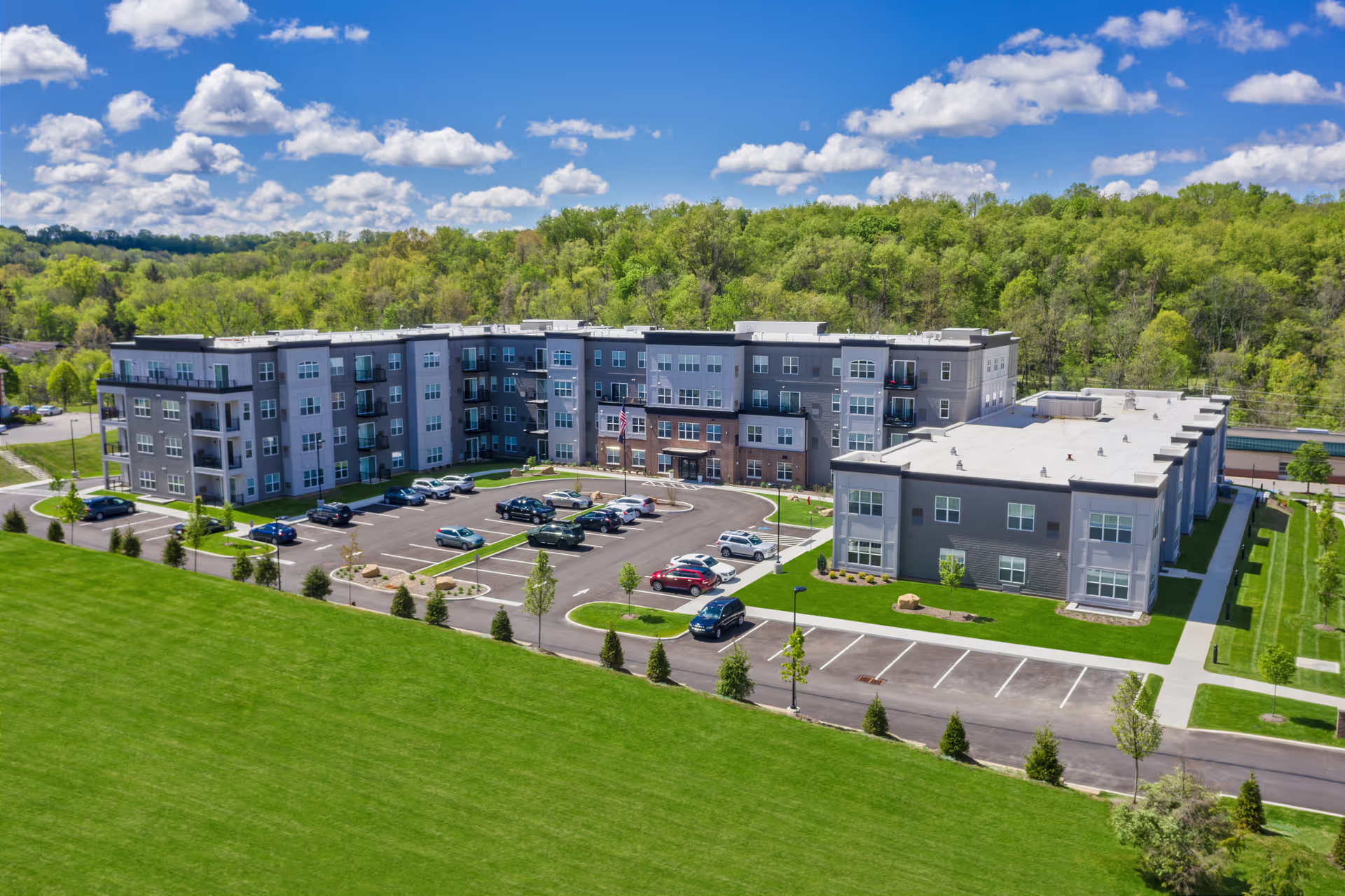
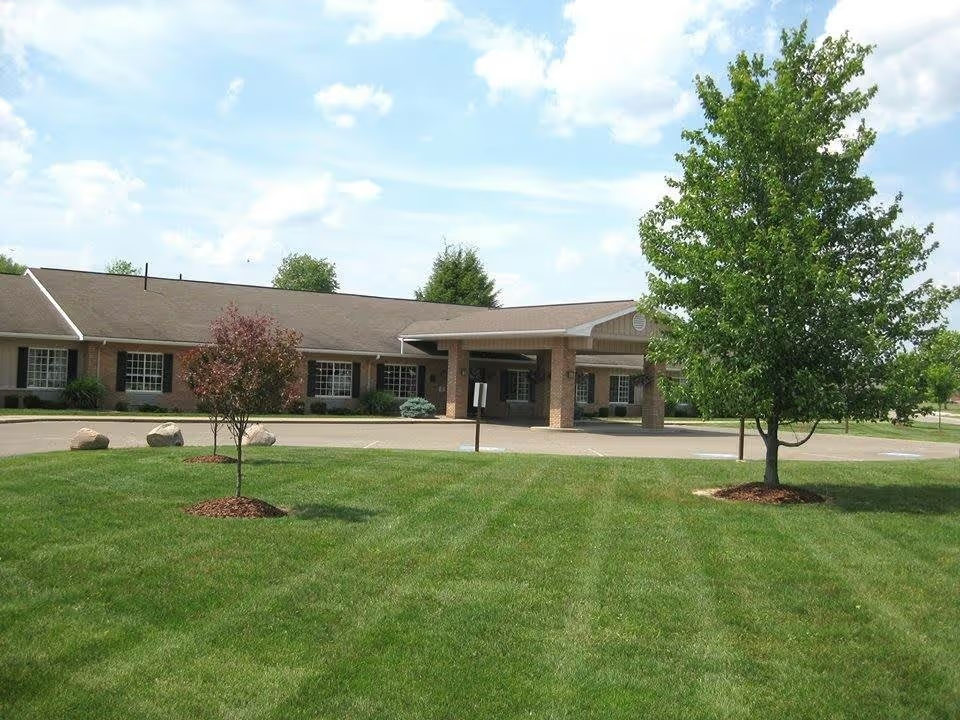
The reviews present a mixed picture of Country Club Retirement Center at Bellaire. Positive comments focus on the frontline caregiving team, the therapy environment, and the physical accommodations. Many families and residents describe staff as friendly and helpful, praise the nursing team’s competence, and note a well-equipped rehabilitation room, restaurant-like dining room, and adequate apartments. The facility’s secure campus and available social programming (for example, karaoke and other activities) are also cited as strengths that support resident engagement and safety.
At the same time, multiple operational concerns recur across the feedback. Communication between staff and families is frequently described as inconsistent, with examples of delayed responses to requests and difficulties reaching social-work or administrative personnel. These communication gaps extend into coordination with outside physicians and therapy scheduling, producing frustration for families trying to arrange or follow up on clinical care plans.
Safety and supervision-related issues emerge as a significant pattern. Reviews include descriptions that imply weaknesses in resident supervision, transfer handling, and incident escalation procedures. These operational gaps are reflected in accounts of falls, handling incidents, and instances in which residents were inadequately supervised outdoors. Together, these comments suggest the facility may have room to improve protocols for mobility assistance, supervision during high-risk periods, and rapid clinical escalation when adverse events occur.
Dining and nutrition receive mixed feedback. While the dining room environment is described positively by some, meal quality and consistency are variable; there are also mentions of inadequate nighttime snack provision. Administrative and billing practices are another recurring concern, with families citing miscommunication around charges and account handling. Property-security issues are also raised, including allegations of misplaced or missing personal items, which point to potential weaknesses in inventory controls or laundry/property procedures.
Staff availability and responsiveness appear inconsistent: many reviewers praise individual caregivers and nurses as compassionate and helpful, but others report staff being slow to respond or unavailable at critical times. Social-work availability and overall management responsiveness are noted as constraints when families attempted to resolve care concerns. These mixed impressions suggest strengths in frontline caregiving coexisting with managerial and staffing-process gaps that affect continuity of care.
Given the presence of both positive operational elements (therapy resources, friendly staff, on-site activities) and notable patterns of concern (communication breakdowns, supervision and safety protocol gaps, administrative coordination problems, and serious allegations such as property loss and safety lapses), prospective residents and families should pursue targeted questions during a visit. Useful inquiries include staffing levels and night coverage, incident-reporting and escalation protocols, how therapy and outside-provider coordination are handled, property/laundry safeguards, meal-service routines (including nighttime nutrition), and recent regulatory or quality-review history. A guided tour, reviewing recent inspection reports, and speaking with current residents and families can help clarify whether the facility’s strengths align with a prospective resident’s needs and whether management has addressed the operational weaknesses noted in reviews.