The reviews of Arbors at Carroll describe a facility with notable strengths in personalized care and rehabilitative services alongside recurring operational weaknesses. Many families and former residents praise the staff for being compassionate, attentive, and relationship-oriented; multiple accounts emphasize that staff learn residents’ names, provide personal attention, and create a family-like atmosphere. Therapy services are a consistent highlight — reviewers reference strong physical, occupational, and speech therapy, modern equipment (including an antigravity/Alter-G treadmill), and frequent successful discharges home. Social services, admissions coordination, visible leadership, and transportation for outpatient appointments are also commonly commended.
Dining and activities present a mixed picture. Several reviewers describe enjoyable meals, holiday events, field trips, live entertainment, and a broad activity schedule that supports social engagement and cognitive stimulation. At the same time, others note uneven meal delivery (temperature and timeliness) and occasional service lapses — these suggest variability in meal-service continuity. The facility’s programming and recreation staff receive positive remarks for variety and resident inclusion.
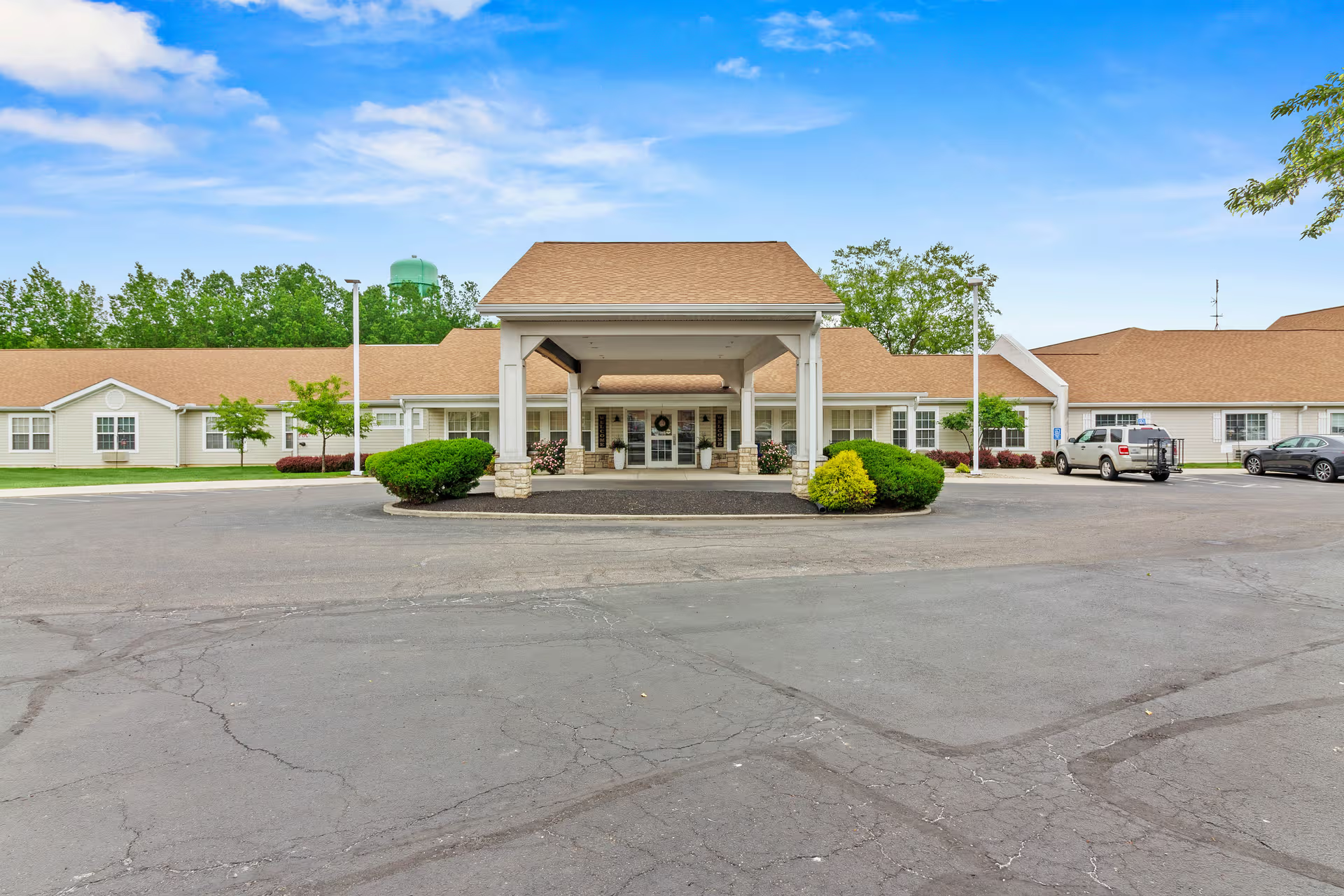
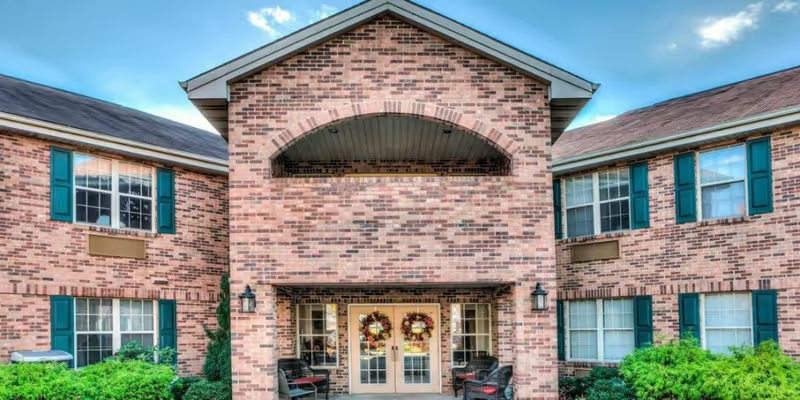
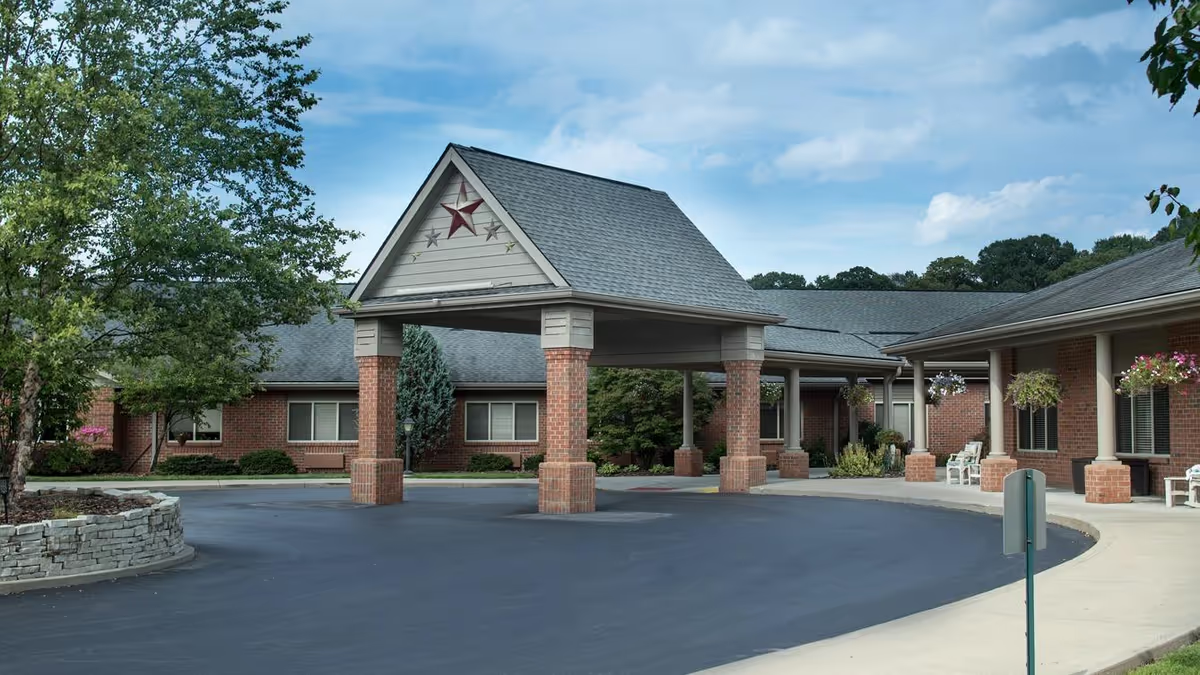
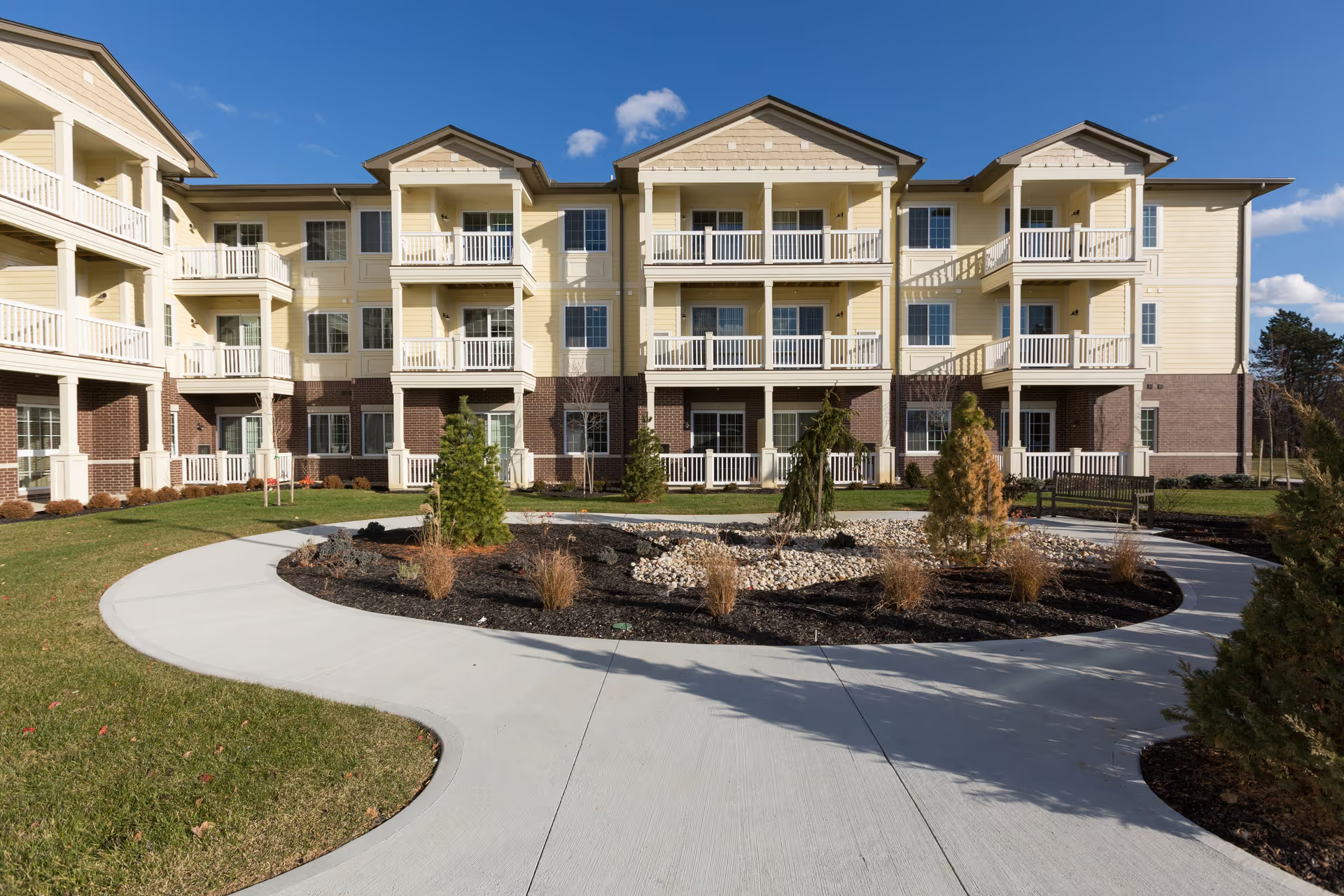
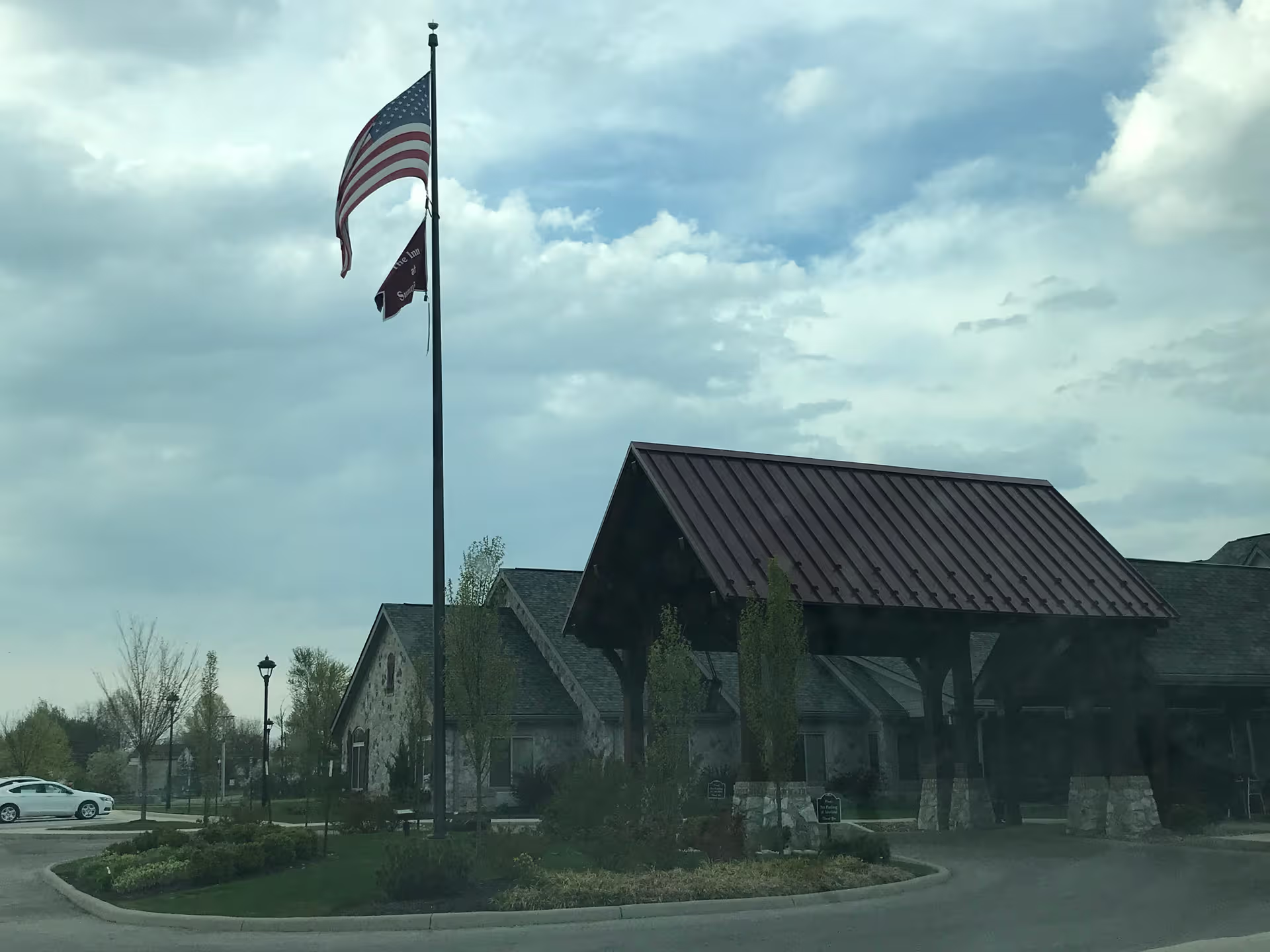
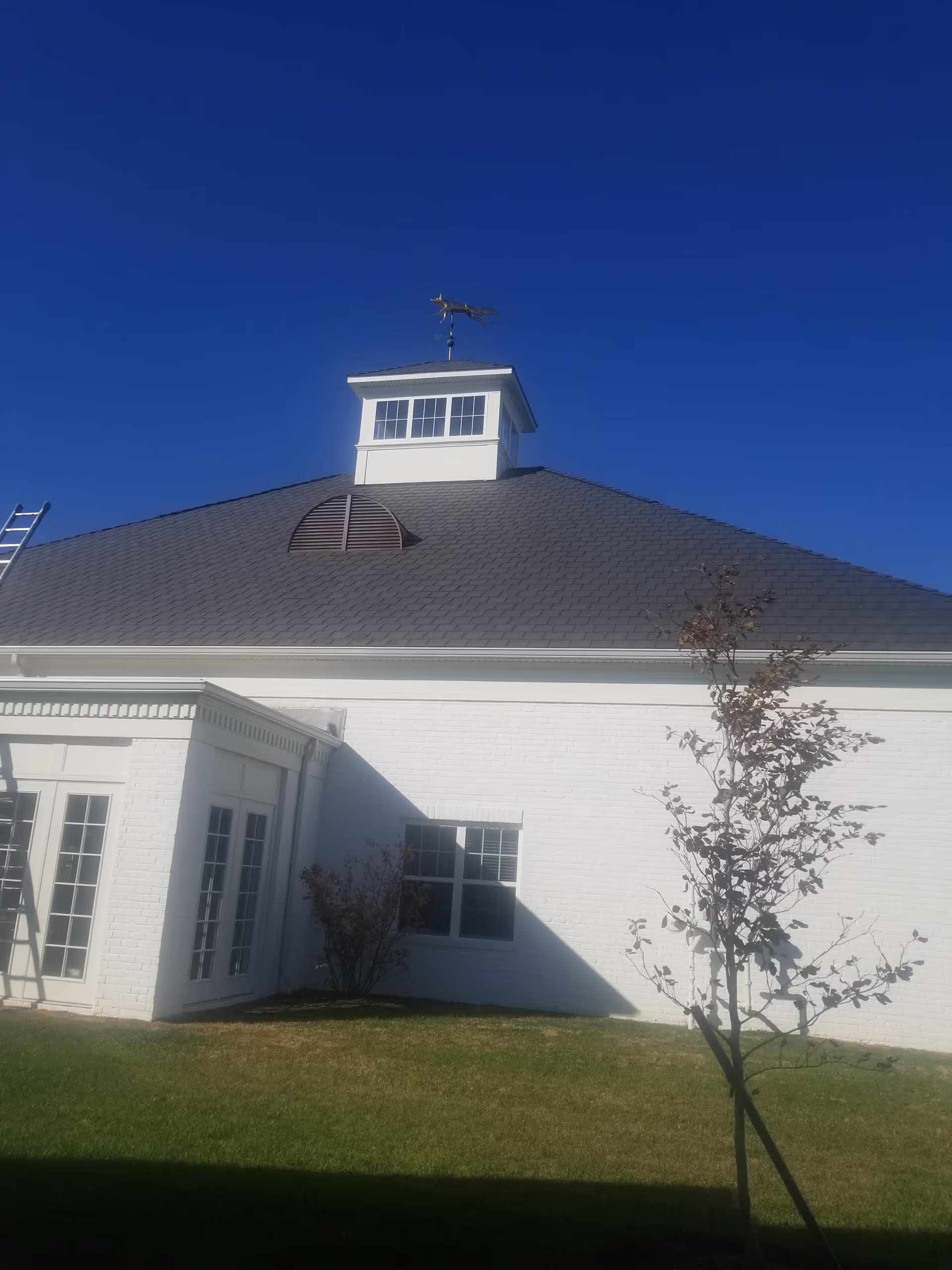
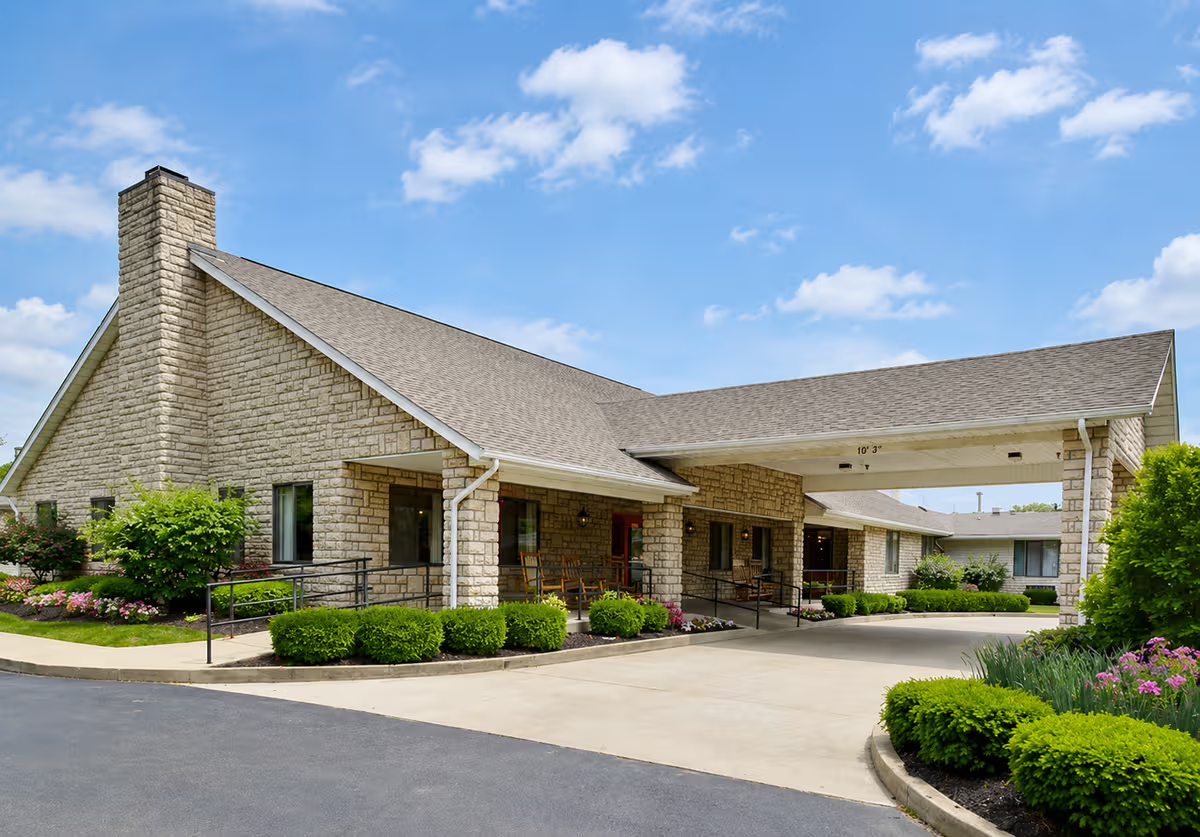
Facility condition and clinical operations show divergence in experience. Many accounts state the building and common spaces are clean, and housekeeping/linen practices meet expectations. Conversely, a number of reviewers describe an older, worn appearance in parts of the facility and maintenance issues that affect perception. Clinically, reviewers report two distinct patterns: one of reliable, experienced nursing and consistent therapy support; and another that highlights delays in basic-care tasks, concerns about medication and pressure-injury prevention practices, and instances where family preferences were not consistently followed. These latter issues appear tied in several comments to staffing shortages and uneven caregiver responsiveness.
Communication is an important theme. Positive experiences include clear care discussions, helpful social services involvement, and proactive discharge planning. However, recurring practical problems with telephone systems and call transfers, difficulty reaching patients by phone, and inconsistent responsiveness to family inquiries are noted enough times to be a clear operational weakness. A few reviewers raised serious concerns about clinical incident handling and post-incident communication; such accounts underscore the importance of confirming protocols for incident escalation, medication administration, and family notification during a tour.
In sum, Arbors at Carroll offers strong rehabilitative capabilities, personable staff, robust activities, and solid social-service support. Prospective residents and families should weigh these strengths against documented operational inconsistencies: staffing variability, communication system limitations, maintenance/appearance issues in parts of the building, and occasional lapses in basic-care routines. For decision-making, visitors should observe staffing levels on different shifts, review medication-administration and incident-response protocols, ask about recent staffing/inspection records, and evaluate meal service and room maintenance during an on-site visit.