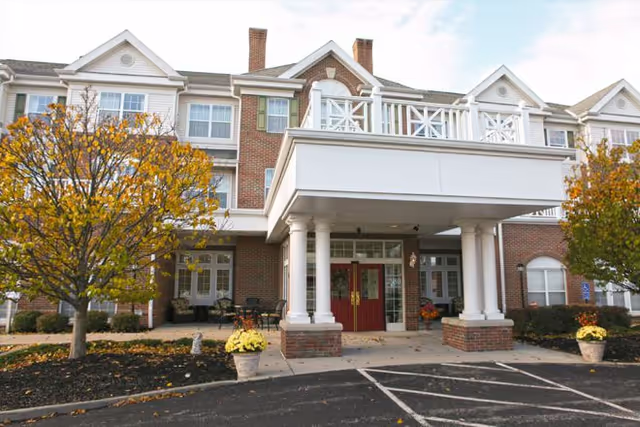
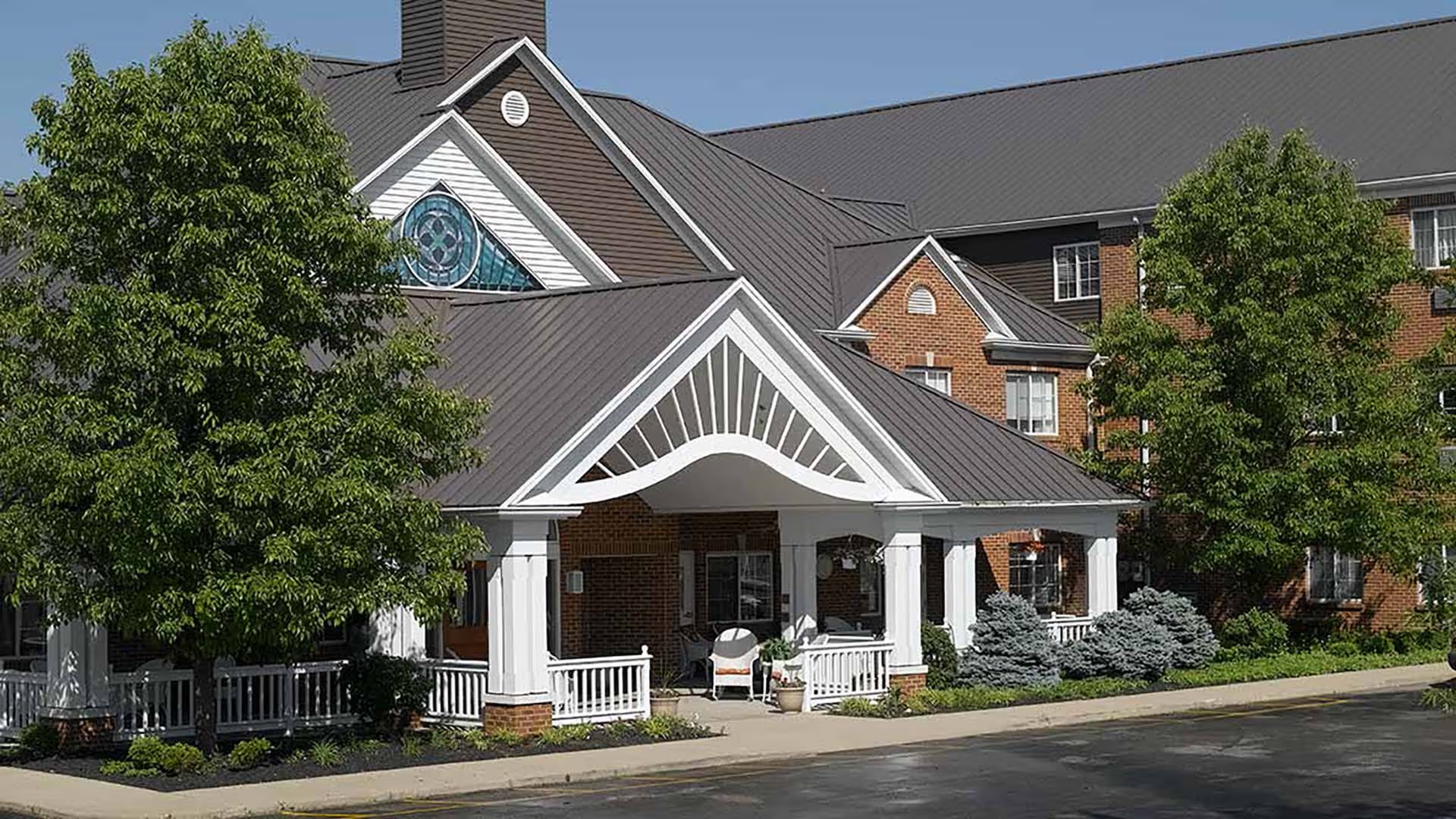
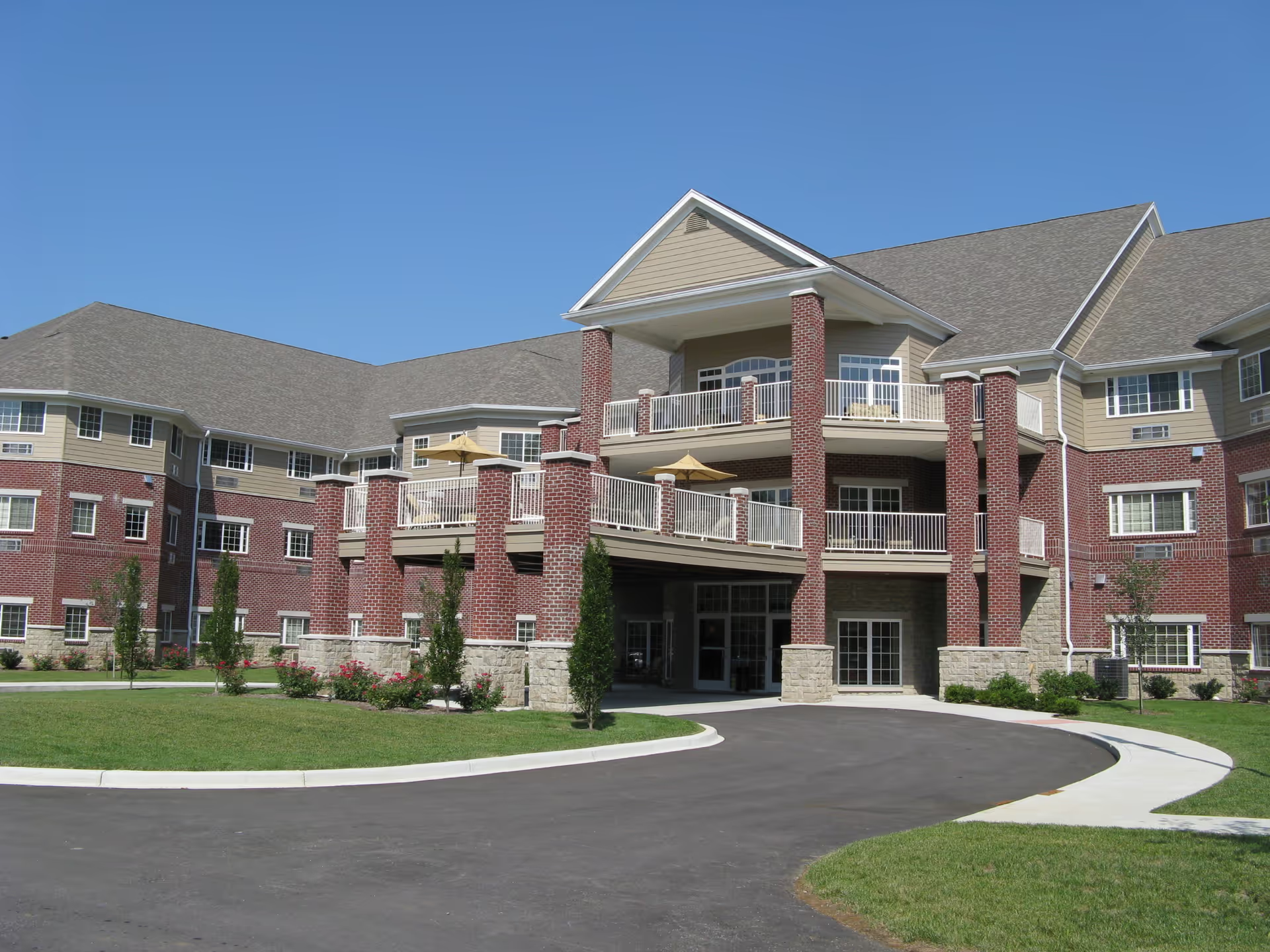
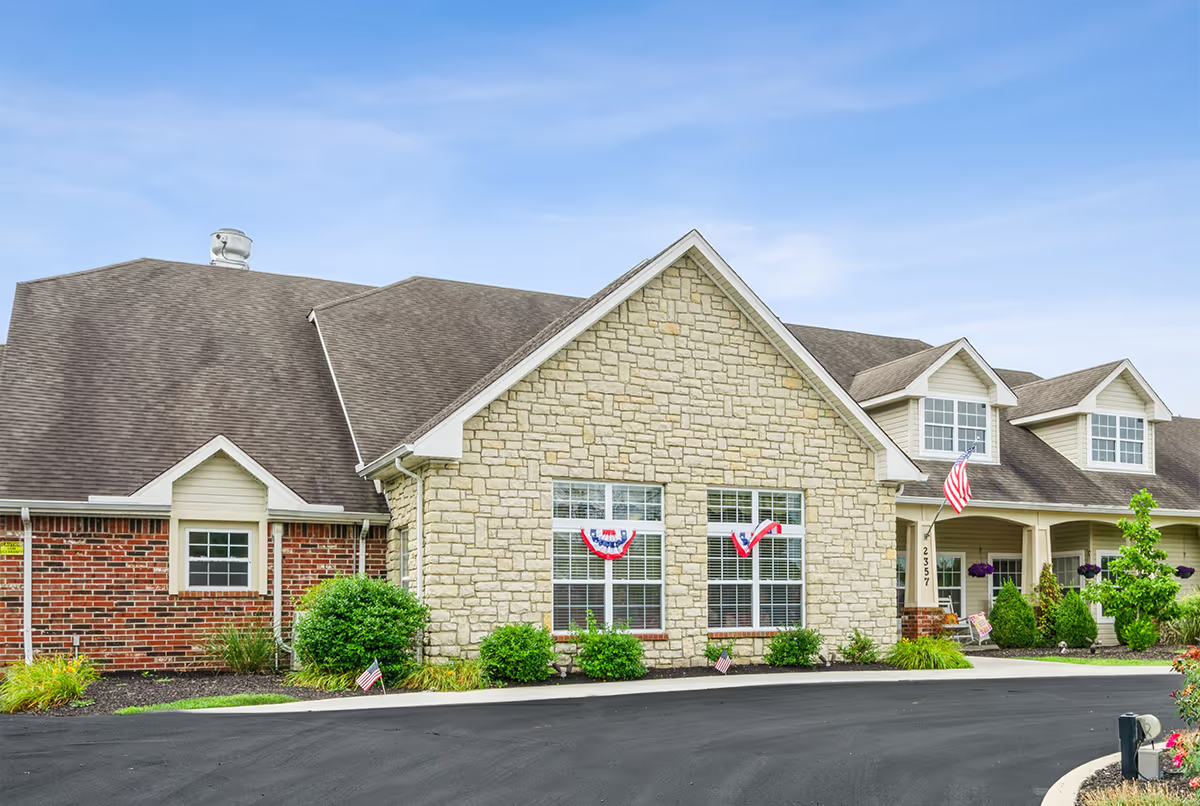
Artis Senior Living of Bridgetown is consistently described as a purpose-built memory-care community with an emphasis on small, household-style neighborhoods, private rooms with en-suite bathrooms, and family-style dining. Many families praised the facility’s physical environment — bright, new construction; well-maintained grounds; accessible outdoor areas; and thoughtfully designed common spaces — as supportive of residents’ comfort and mobility. The community’s chef-driven dining program, frequent activity calendar, live music, and variety of social and spiritual offerings are recurring strengths that families associate with resident engagement and improved quality of life.
Care quality and staff behavior are the dominant themes in the reviews. A substantial number of families emphasize compassionate, attentive caregivers who build relationships, know residents’ names, and provide predictable documentation and routine nursing oversight. The facility’s focus on dementia care, dedicated activity staff, and quarterly care conferences are noted as structural strengths that support individualized programming and clinical monitoring. Several reviewers highlighted measurable improvements in mobility, appetite, and mood after moving into the community, attributing that progress to both recreational and clinical supports.
At the same time, there are recurring operational concerns prospective families should consider. Reviewers describe variability in staffing levels and turnover, and variability in nurse and aide competency; these patterns are associated with occasional delays in responsiveness and perceived inconsistency of daily care. A number of families raised gaps in how clinical incidents are assessed and communicated to families; a small number of reviewers described serious post-incident concerns, including questions about timeliness of assessment and documentation. Leadership turnover and periods of administrative transition were also mentioned as times when care continuity felt less reliable.
Dining and activities are generally strong points: the culinary program, meal variety, and active calendar receive frequent praise, and the activities staff are credited with creative engagement, field trips, and meaningful one-to-one interaction. Nonetheless, some families noted that less-mobile residents may not participate as fully in activities and that private-room sizes are limited — representing trade-offs for those seeking larger living areas. Several reviewers expressed a desire for improved family communication tools (for example, a family portal) and more proactive updates during the initial transition period.
For families evaluating this community, recommended areas of inquiry include current staffing ratios and turnover rates, clinical-incident response protocols and documentation practices, medication-administration oversight, the frequency and format of family communications, and details about room dimensions and bathing arrangements. Also clarify contract terms and pricing relative to care level to address perceived value concerns. Overall, Artis Bridgetown shows many consistent strengths in memory-care programming, dining, and environment, paired with operational variability that prospective families should probe during a tour and admission discussion.