Overall impression: Reviews present a mixed but trackable picture. Many accounts praise the quality of personal care, the clinical leadership, and recent improvements attributed to new ownership and staff teams; those strengths coexist with persistent operational issues related to food service, building maintenance, and staffing reliability. Prospective residents and families will see both consistent examples of strong one-on-one care and several recurring system-level weaknesses to evaluate in person.
Care and staff: Positive commentary centers on compassionate, engaged caregivers and visible clinical leadership (DON/ADON) who meet with families and hold regular care conferences. Multiple reviewers described staff who are knowledgeable, empathetic, and willing to go beyond assigned duties, including rehabilitation staff credited with good outcomes and teams who visit frequently and provide follow-through. At the same time, reviews indicate inconsistent clinical continuity for some residents — for example, therapy or treatments that were delayed or not scheduled — and a small number of reviews included an allegation of a serious clinical incident. Families should ask about current care-plan processes, incident escalation policies, and how the facility documents and follows up on missed treatments.
Dining and activities: Dining feedback is highly variable. Several reviewers described repeated issues with cold or poorly timed meals and general disappointment with food quality, while others reported a fun atmosphere and active programming (including special events). Activity programming and social events appear to be strengths when present, but meal-service reliability and food temperature control were frequent negatives. Ask about sample menus, therapeutic-diet handling, meal service times, and how meal issues are escalated and resolved.
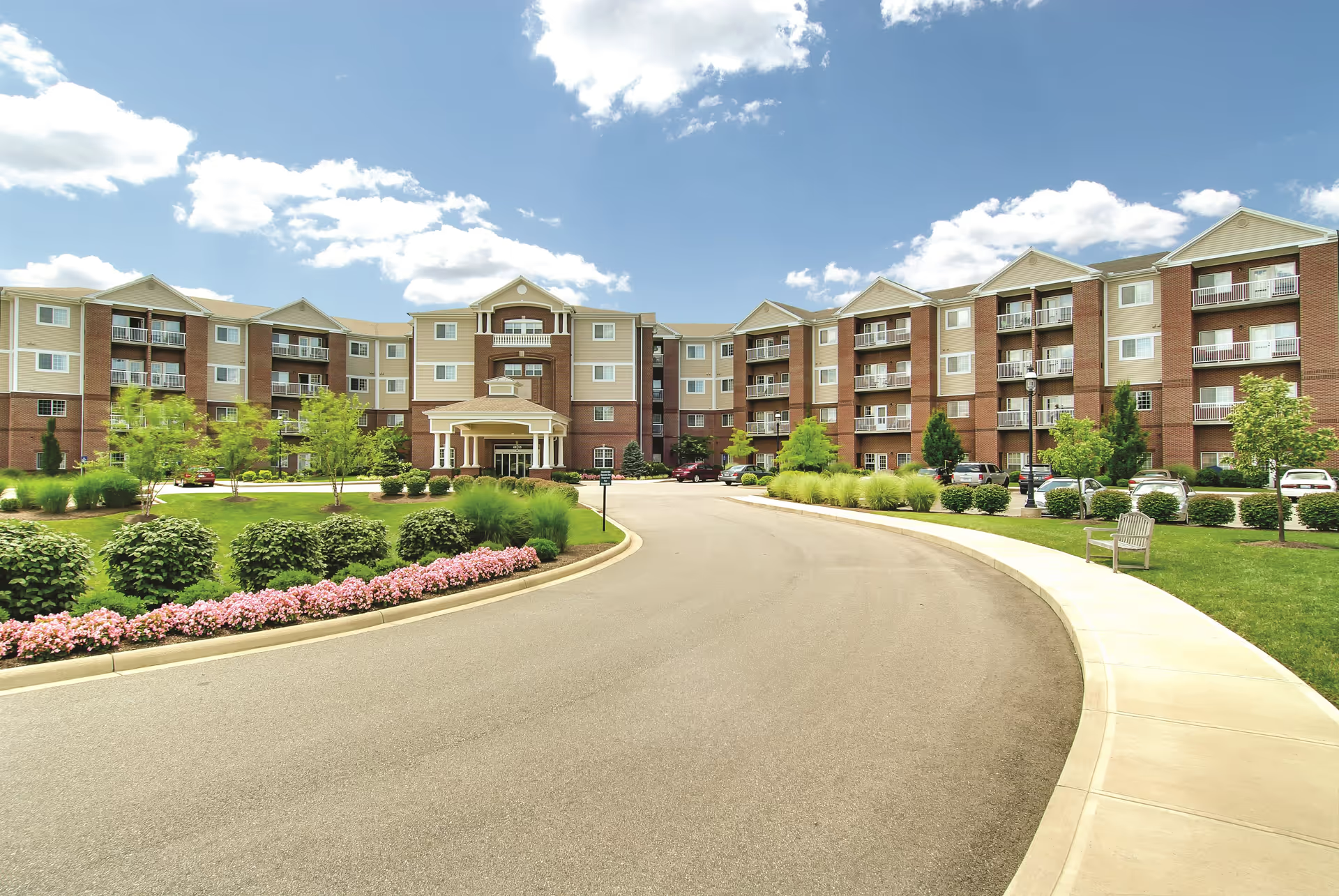
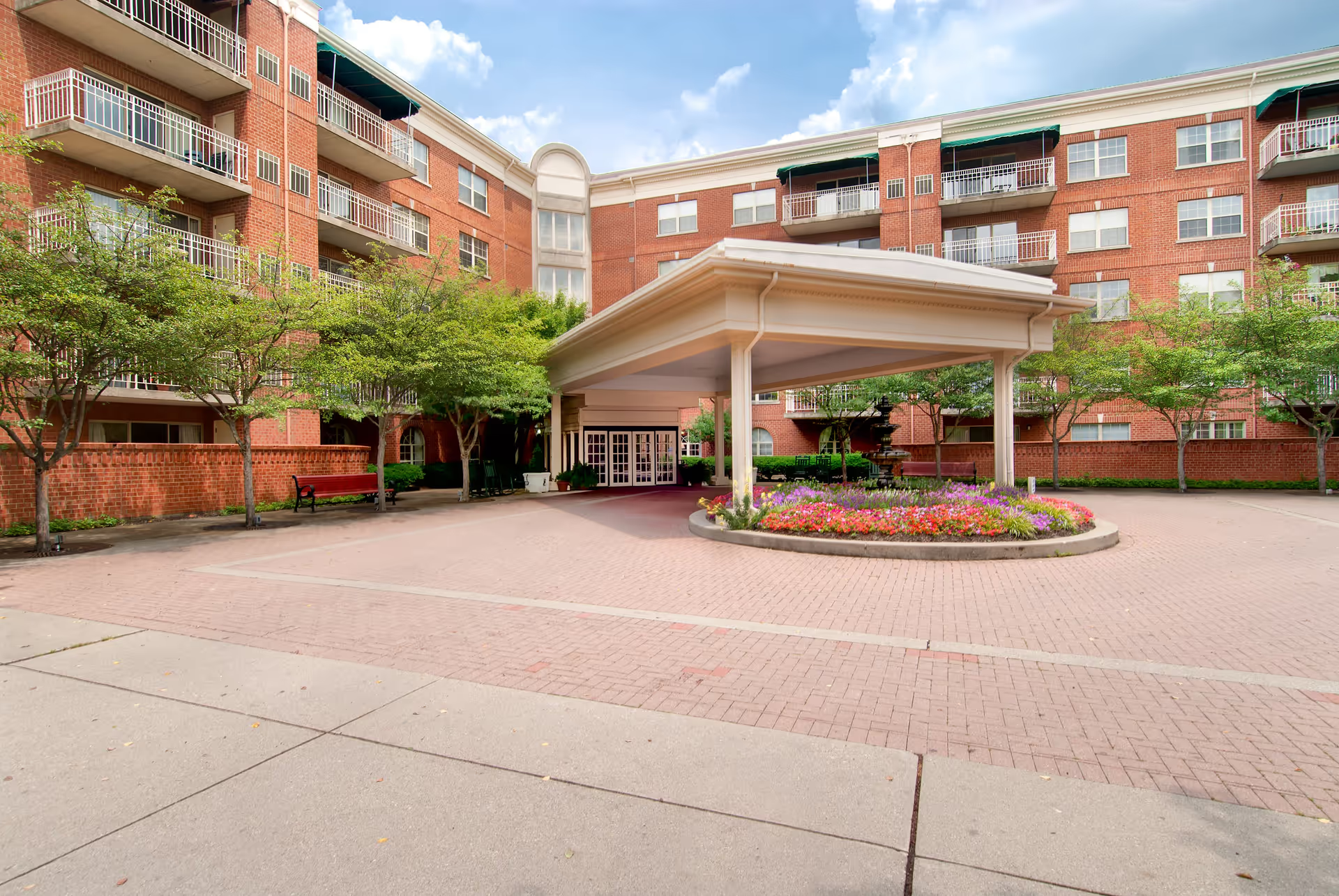
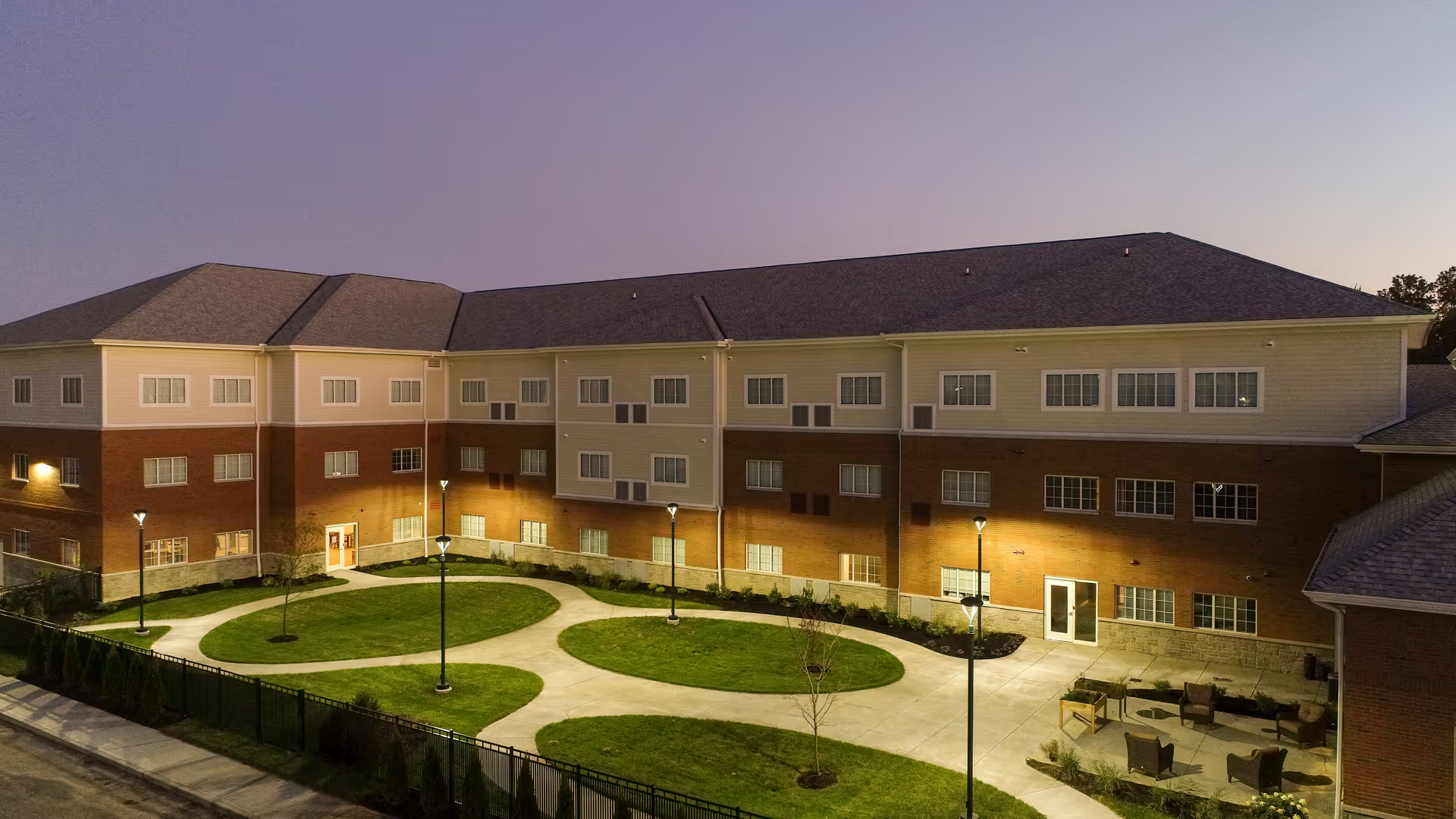
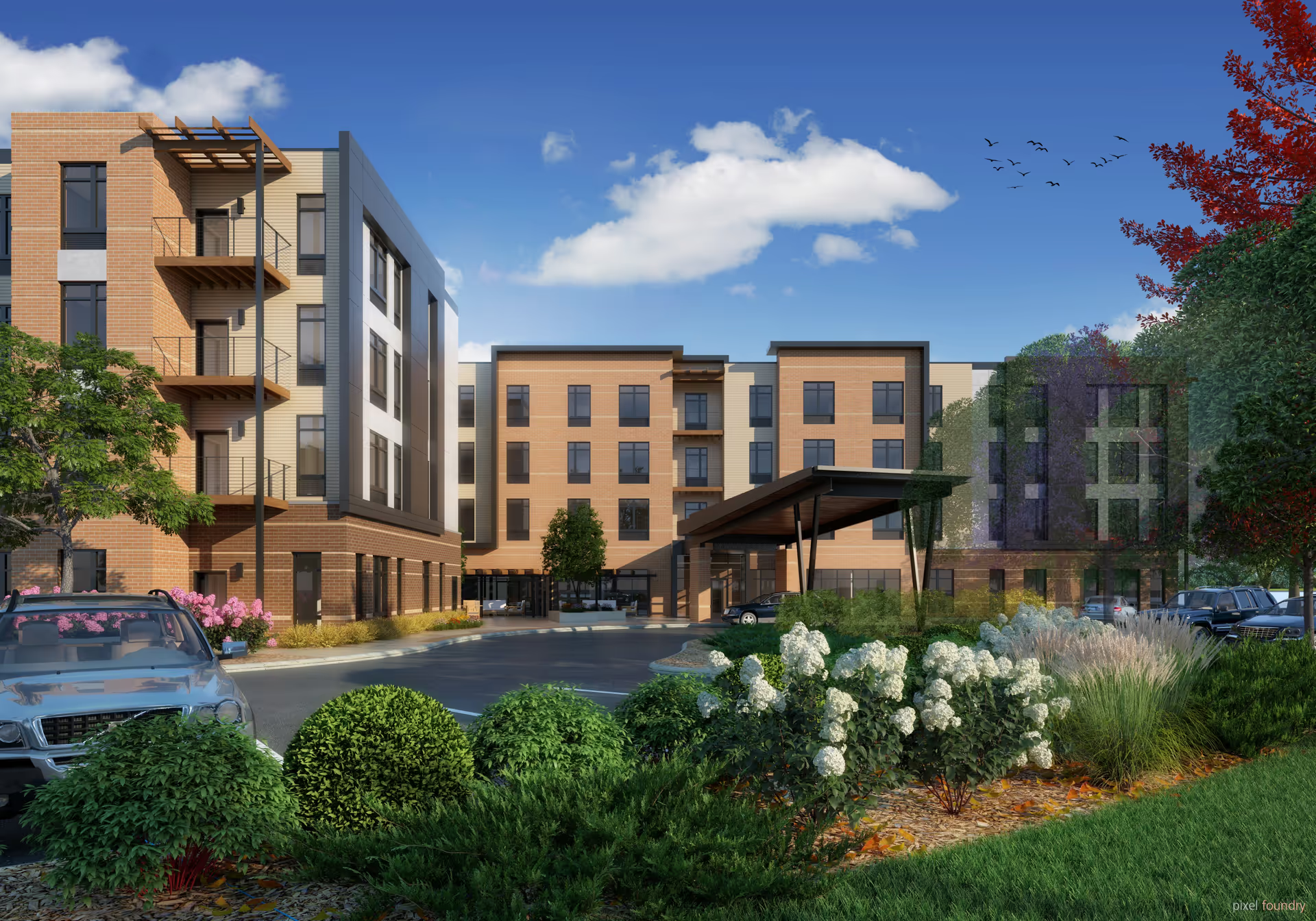
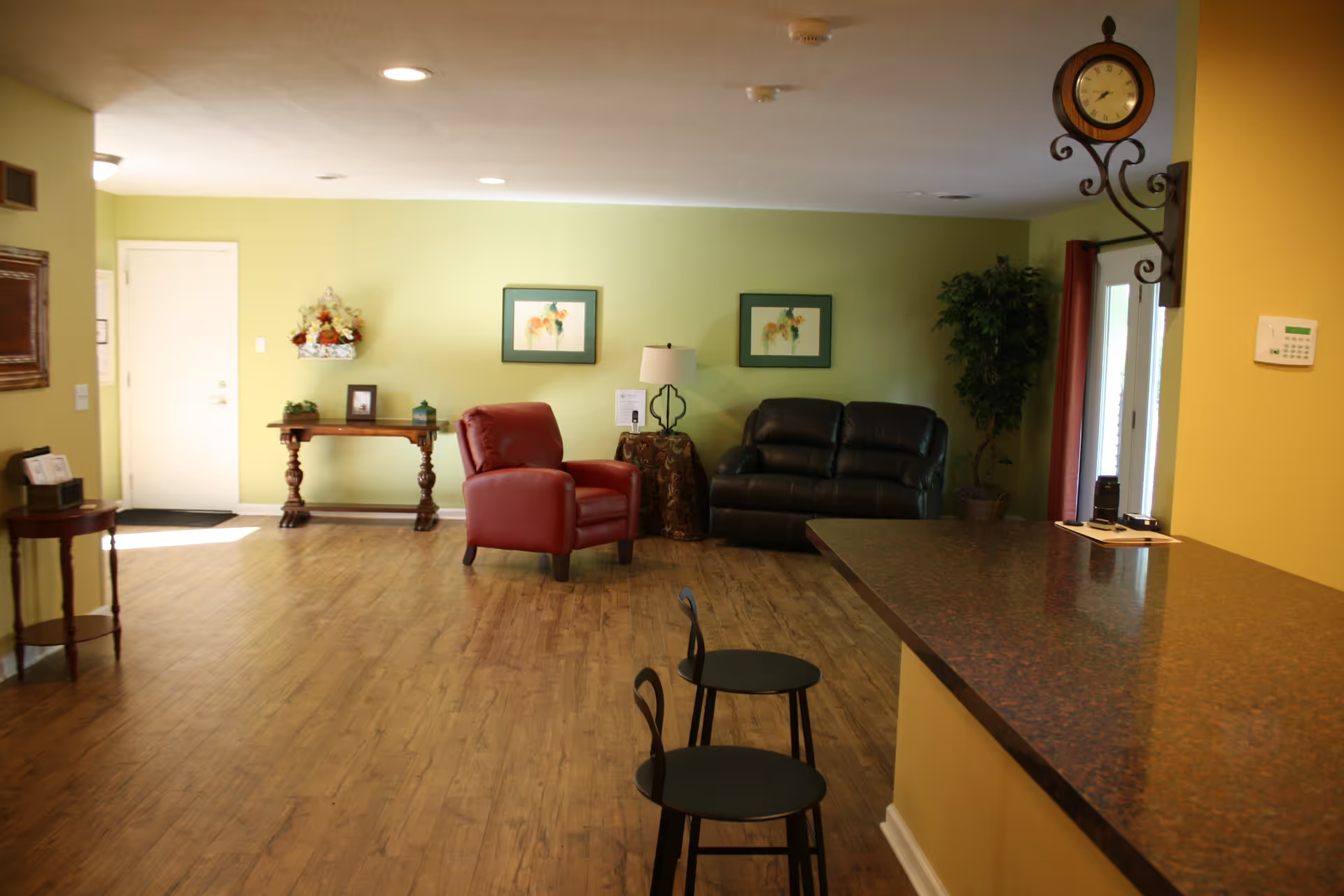
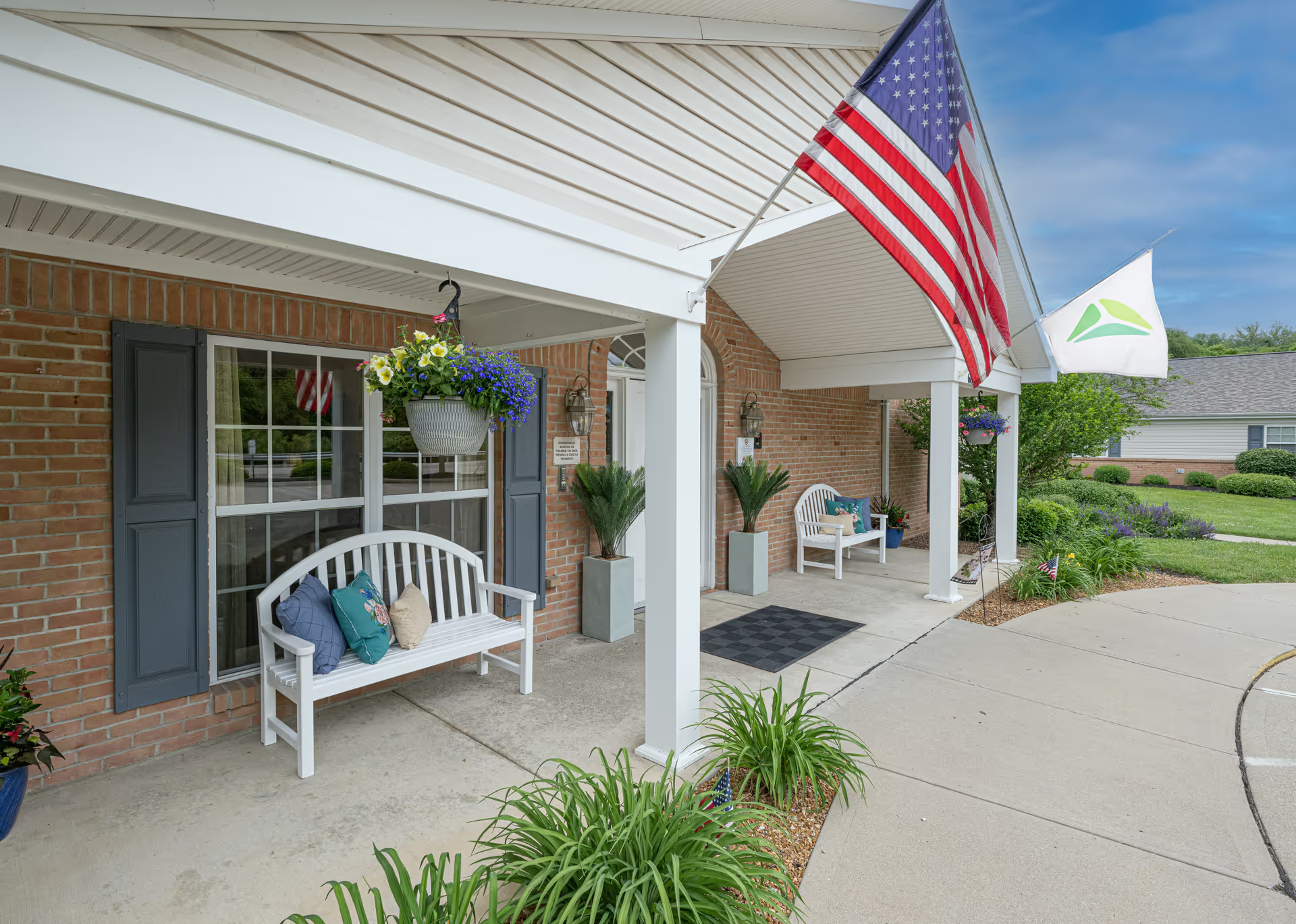
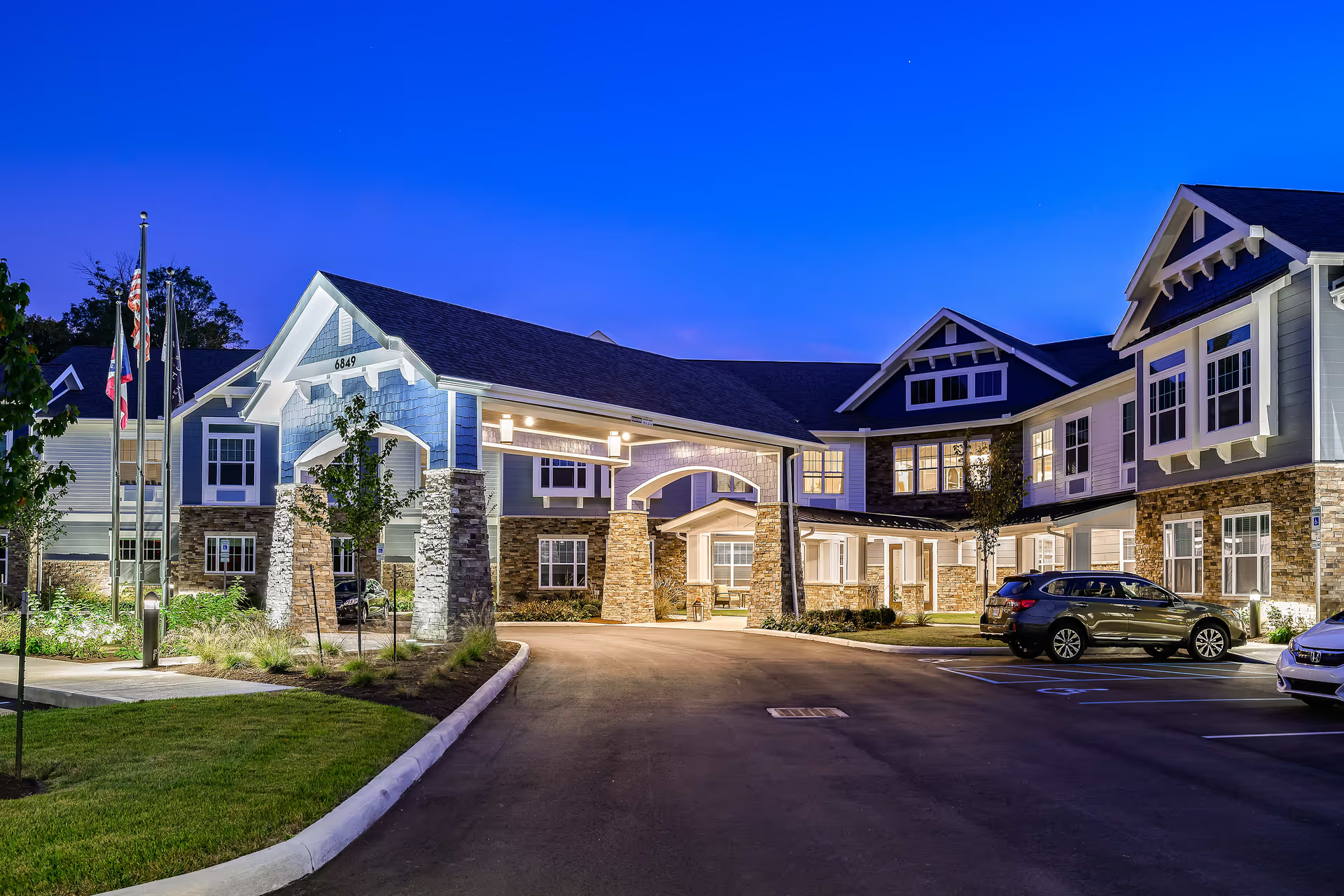
Facilities and cleanliness: The facility is described as older in places with ongoing renovations; improvements and updated common areas were noted alongside specific maintenance concerns (for example, missing fixtures and limited room temperature control). Housekeeping and room cleanliness were frequently praised by many reviewers, though sanitation and cleanliness inconsistencies were reported in some units. Security and front-desk procedures (coded access, biometric check-in, and screening) are cited as positives. During a visit, observe room climate control, current renovation progress, and housekeeping routines.
Management and operations: Recent leadership change and new ownership are credited with a substantial turnaround by several reviewers; staff morale and teamwork were often cited as improved under the new team. However, operational problems persist: short staffing or staffing instability, unresponsive case management or administrative communication, unanswered phones during peak times, and limited Wi‑Fi/service responsiveness were recurring themes. There are also concerns about pricing increases and staff-pay issues. Prospective families should request current staffing ratios, on-shift leadership presence (MOD/DON), examples of family communication practices, and details about pricing changes and what they include.
Notable patterns and recommended due diligence: The strongest, consistent asset is the caregiving team when present—compassionate, engaged staff and accessible clinical leadership. The most consistent liabilities are meal-service reliability, building maintenance and climate control, and episodic communication or staffing gaps. For decision-making, tour during a mealtime, meet the DON/ADON, ask for recent quality indicators and incident logs, review the resident activity calendar, confirm Wi‑Fi and phone procedures, and request written examples of care-plan meetings and follow-up. These steps will help families weigh the facility’s evident strengths in personal care against operational areas that appear to require continued oversight.