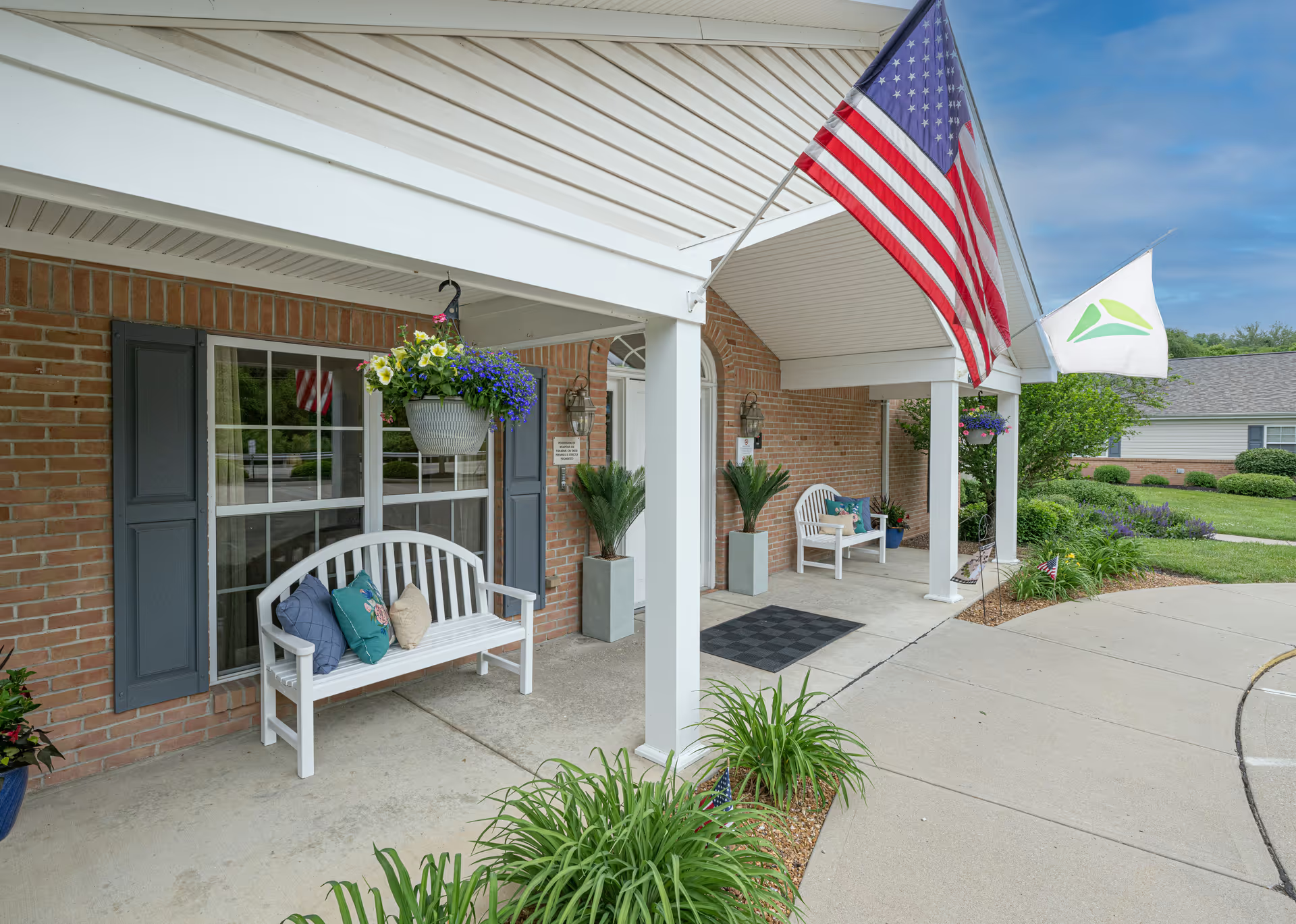
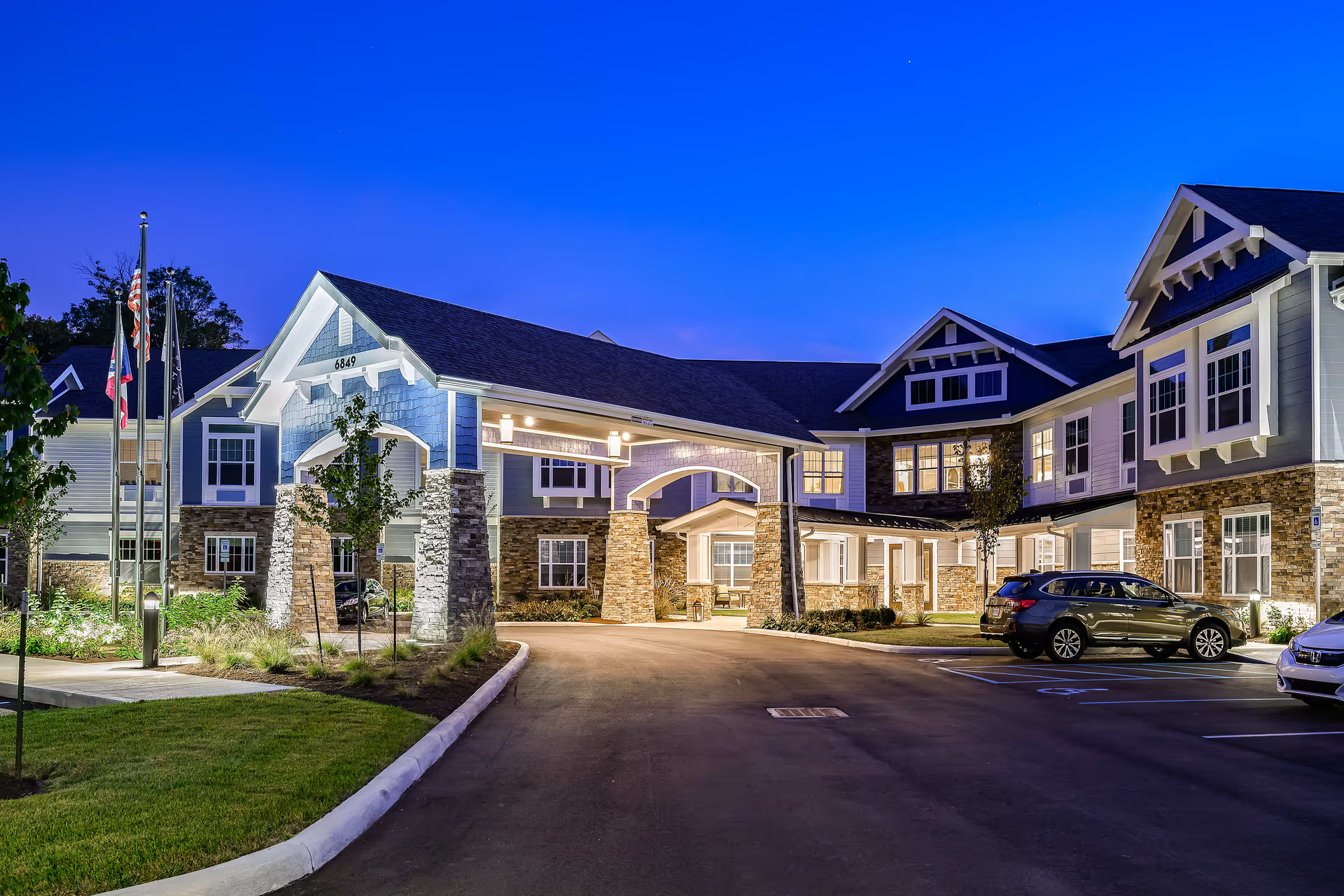
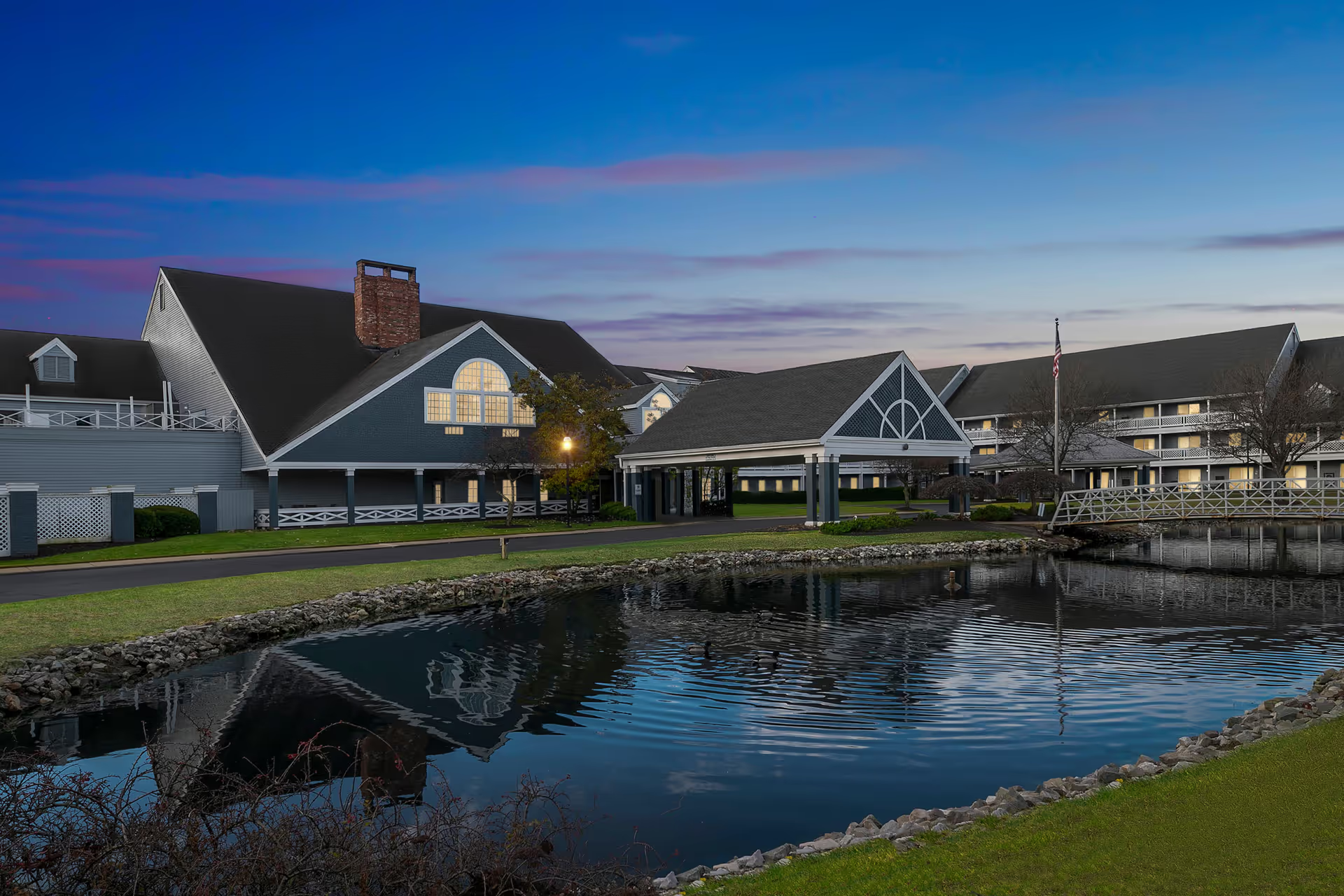
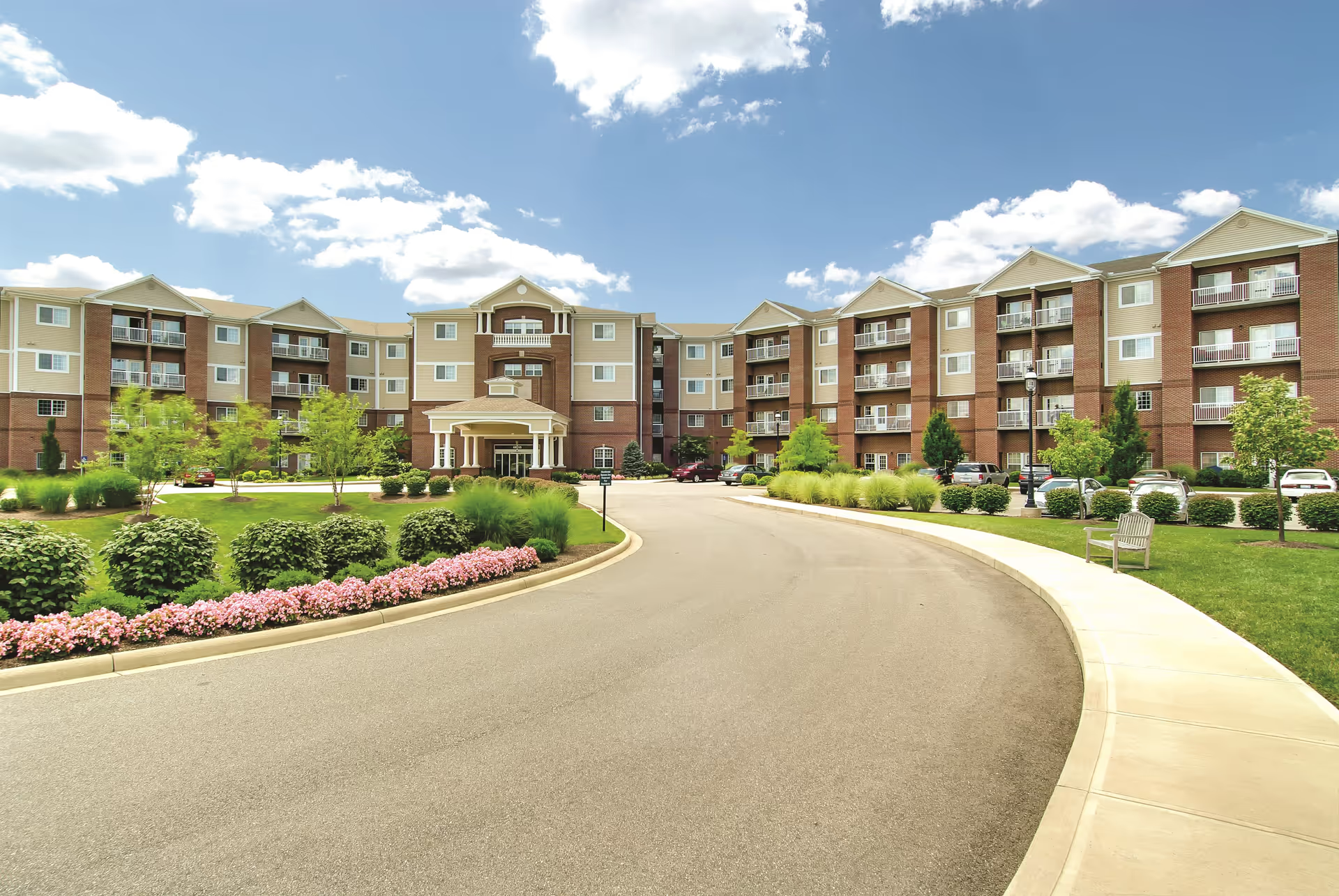
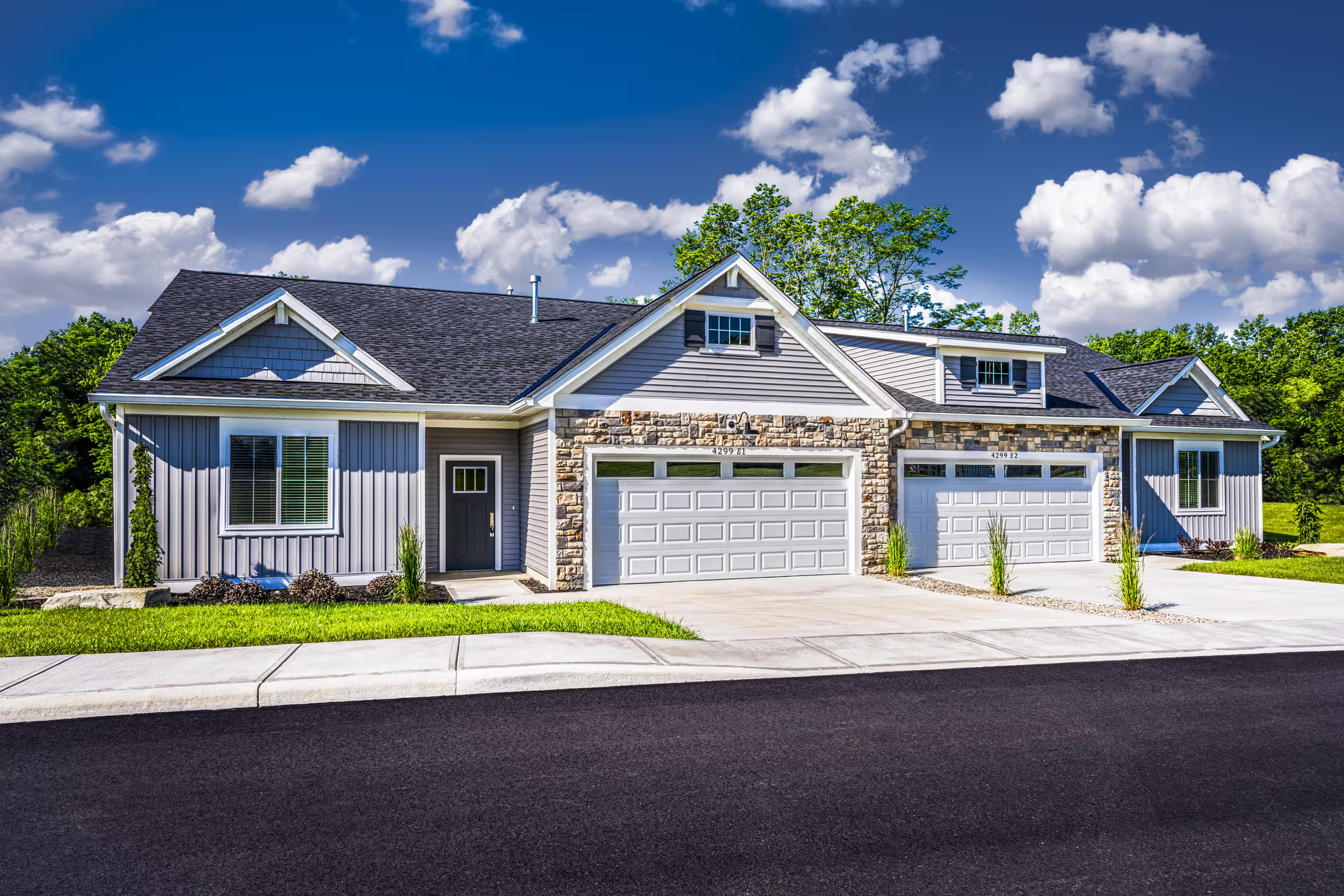
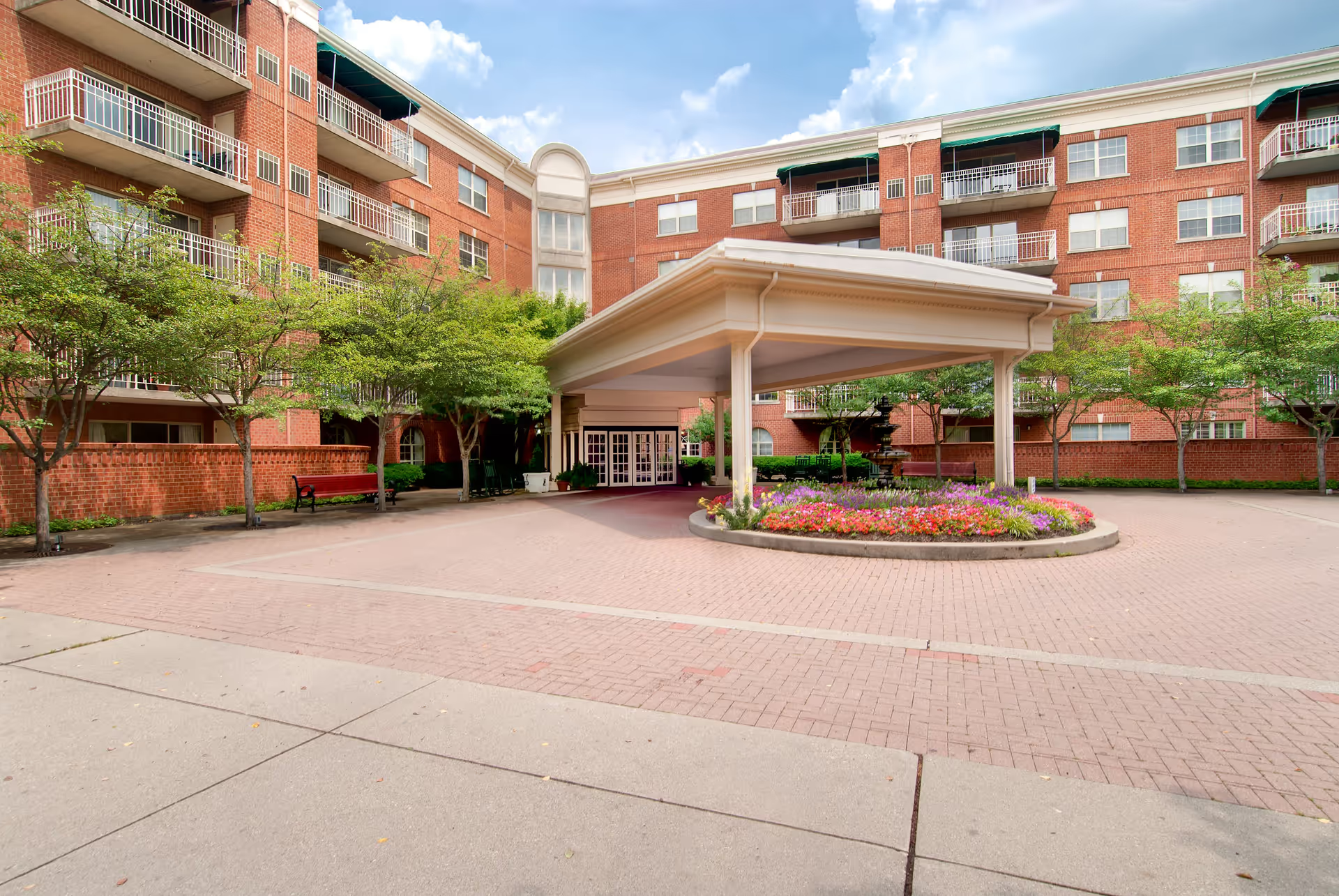
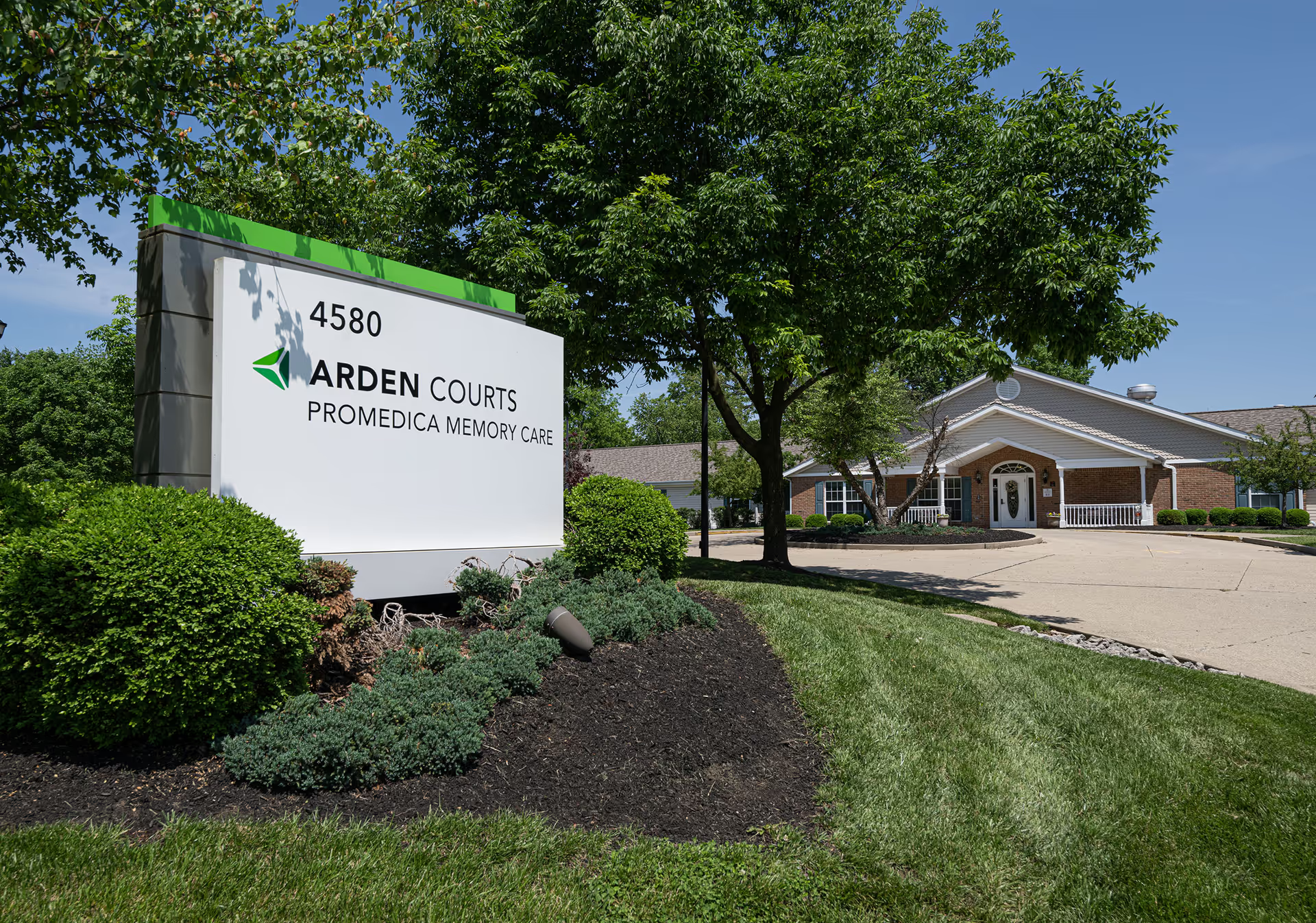
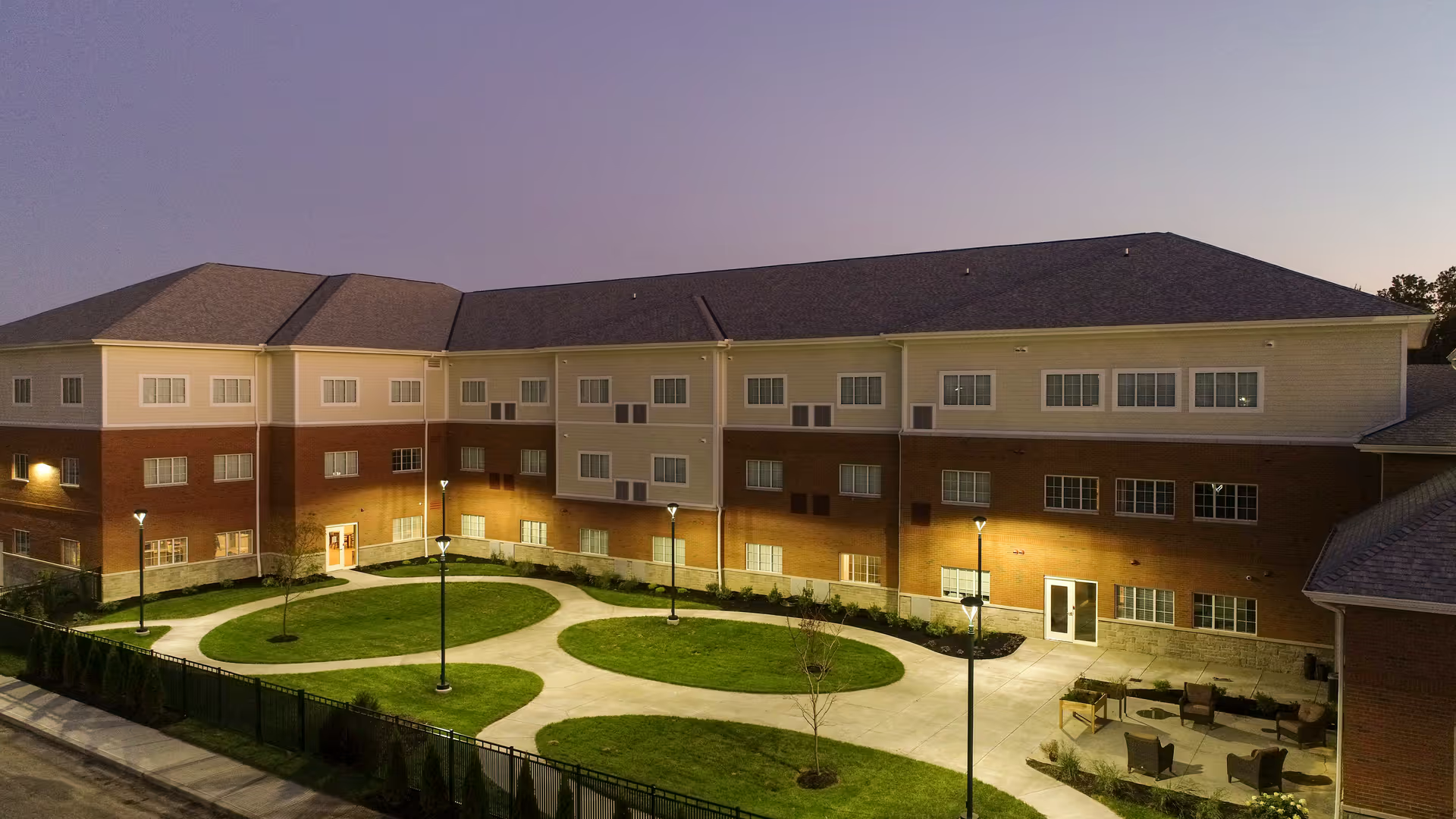
Overall impression: Harmony at Anderson presents as a modern, well-appointed senior living community with clear investment in the physical environment. Multiple reviewers describe a brand-new, clean facility with accessible design features, sizable rooms (including two-bedroom units), attractive common spaces, and an appealing dining room. The property offers dedicated memory-care outdoor space with a fenced yard and raised garden beds, plus large activity rooms that support social programming when staffed.
Care and staffing: Clinical and hands-on care quality appears mixed. Families frequently praised individual caregivers as friendly and helpful, and initial move-in interactions and marketing/tour staff receive consistent positive mention. However, a persistent pattern of staffing shortages and high turnover was reported, along with frequent leadership changes. These operational staffing issues are linked to concerns about inconsistent nursing coverage (notably after-hours), medication-administration delays or gaps, and uneven dementia-care experience among staff. Reviewers characterize some employees as doing their best under difficult conditions, which suggests that staffing levels and training are driving variability in care rather than universal procedural failures.
Management and communication: Management stability and communication are recurring concerns. Several accounts describe frequent director changes, difficulty reaching leadership, and limited follow-through on questions from families. Financial and administrative practices drew specific criticism in some cases, including unexpected charge increases and disputes over refunds; these items point to a need for clearer contract terms and billing transparency. Prospective families should prioritize asking about leadership tenure, escalation pathways, and contract/refund policies during the tour process.
Dining and activities: The dining environment is widely noted as attractive and designed to encourage social meals, with room-delivery available for those who need it. At the same time, reviewers report inconsistent meal quality and occasional delays in service. Activity programming benefits from good physical space and an outwardly social resident culture, but programming appears uneven—especially in memory care—due to staffing limitations and residents’ health variability. Several reviewers recommended observing a mealtime or activity to evaluate current service levels.
Facilities and accessibility: The community’s physical attributes are a consistent strength: modern finishes, accessible design elements (extra-wide doorways, lower cupboards), clean common areas, and outdoor secure spaces for memory care. Ongoing construction was mentioned as limiting some amenities temporarily; this is an operational consideration to confirm on a current tour.
Notable patterns and guidance: There is a clear split between the built environment and operational consistency. Families tended to view the campus, rooms, and initial sales/tour interactions positively, but expressed caution about clinical coverage, medication management, and management continuity. Before committing, prospective residents and families should verify current staffing ratios, nurse availability (including after-hours coverage), formal dementia-care training programs, medication-administration protocols, activity schedules for memory care, billing practices and refund policy, and whether Medicaid is accepted. Asking to speak with current family members or touring during a mealtime or activity period will provide additional real-time insight into daily operations.