Across the review summaries, the facility is portrayed as a small, residential-style home that emphasizes individualized, person-centered care. Care quality is characterized by empathy, patience, and close attention to residents’ daily needs; reviewers consistently describe caregivers as knowledgeable, compassionate, and attentive. The facility appears to serve memory-care needs effectively, and several descriptions point to strong bed-side skills, round-the-clock supervision, and an emphasis on residents’ comfort and dignity.
Staff is repeatedly described as warm, communicative, and engaged. Families note frequent updates, owner involvement, and a staff culture that treats residents like family. That owner-led operational model is visible in examples such as personal tours, owners attending meals, and hands-on management. The staffing model — a small team with a high caregiver-to-resident ratio — is cited as a strength because it enables personalized attention, though it also creates an operational dependency on a compact staff structure.
Dining and nutrition are highlighted as strengths: reviewers describe home-cooked meals, three daily meals plus snacks, and a dining environment that feels domestic rather than institutional. Food quality and attention to hydration and nutrition are cited alongside social dining experiences. Activities programming appears robust for the size of the home, with regular in-house activities, outings, field trips, and social events such as birthdays and celebrations that contribute to residents’ stimulation and socialization.
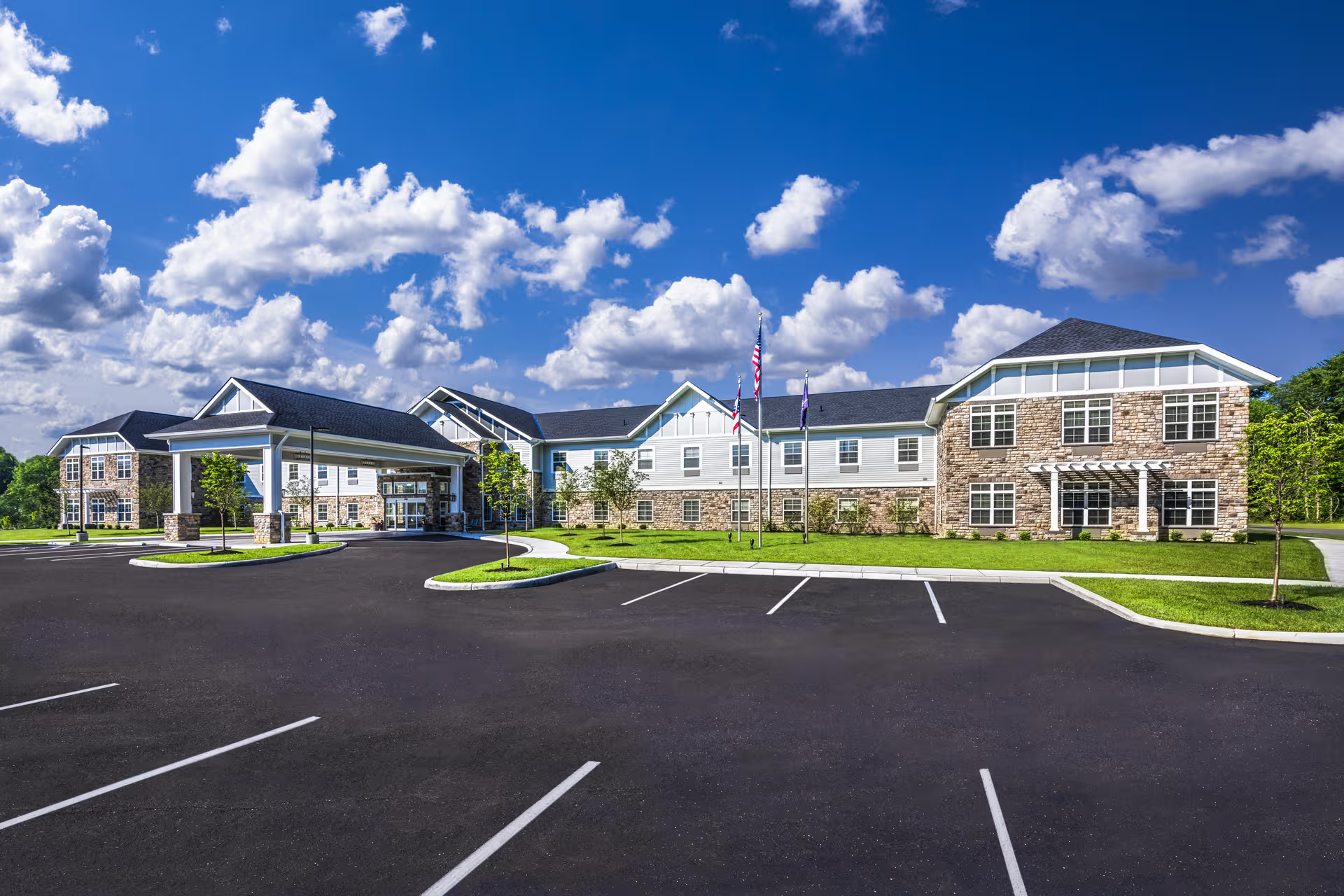
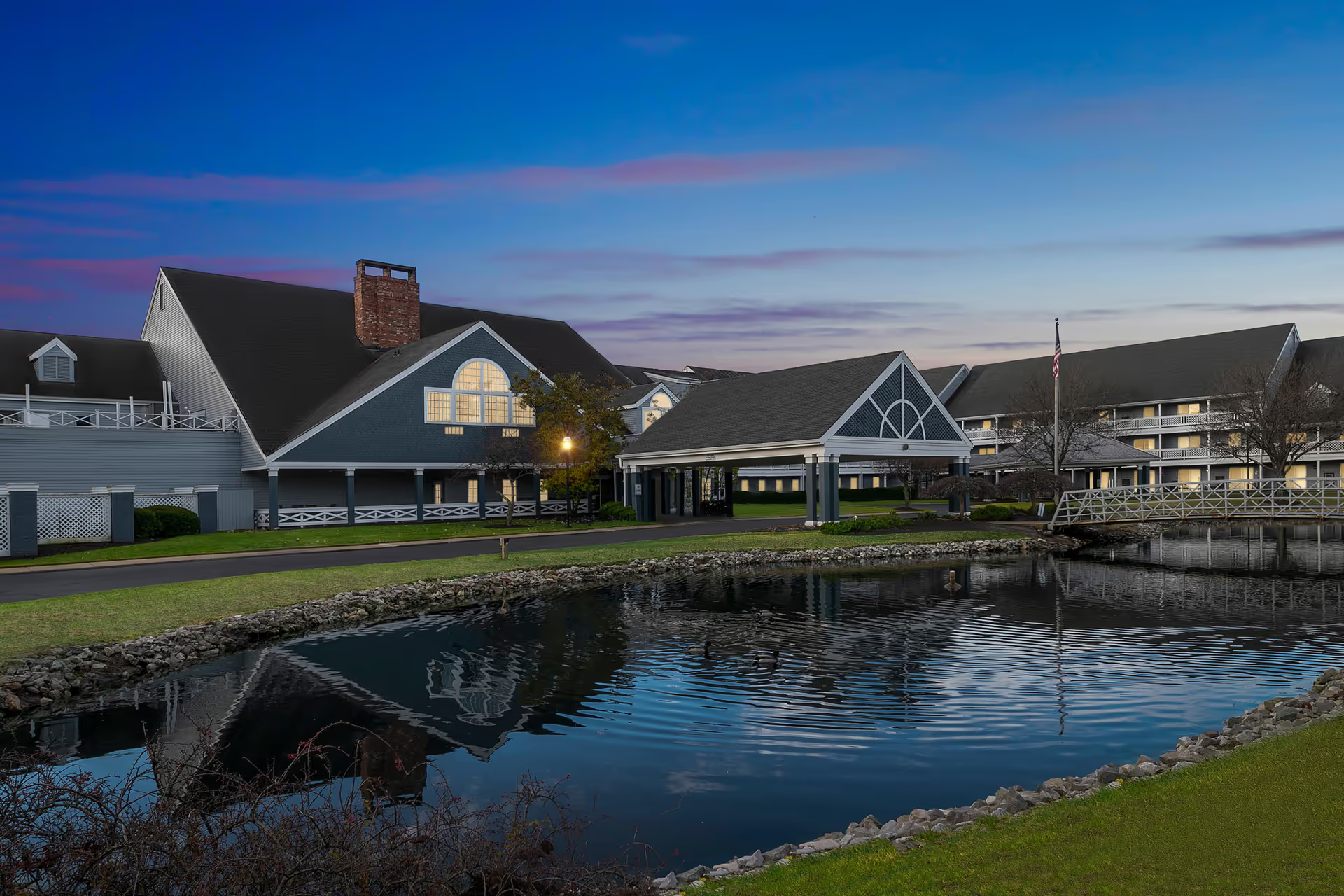
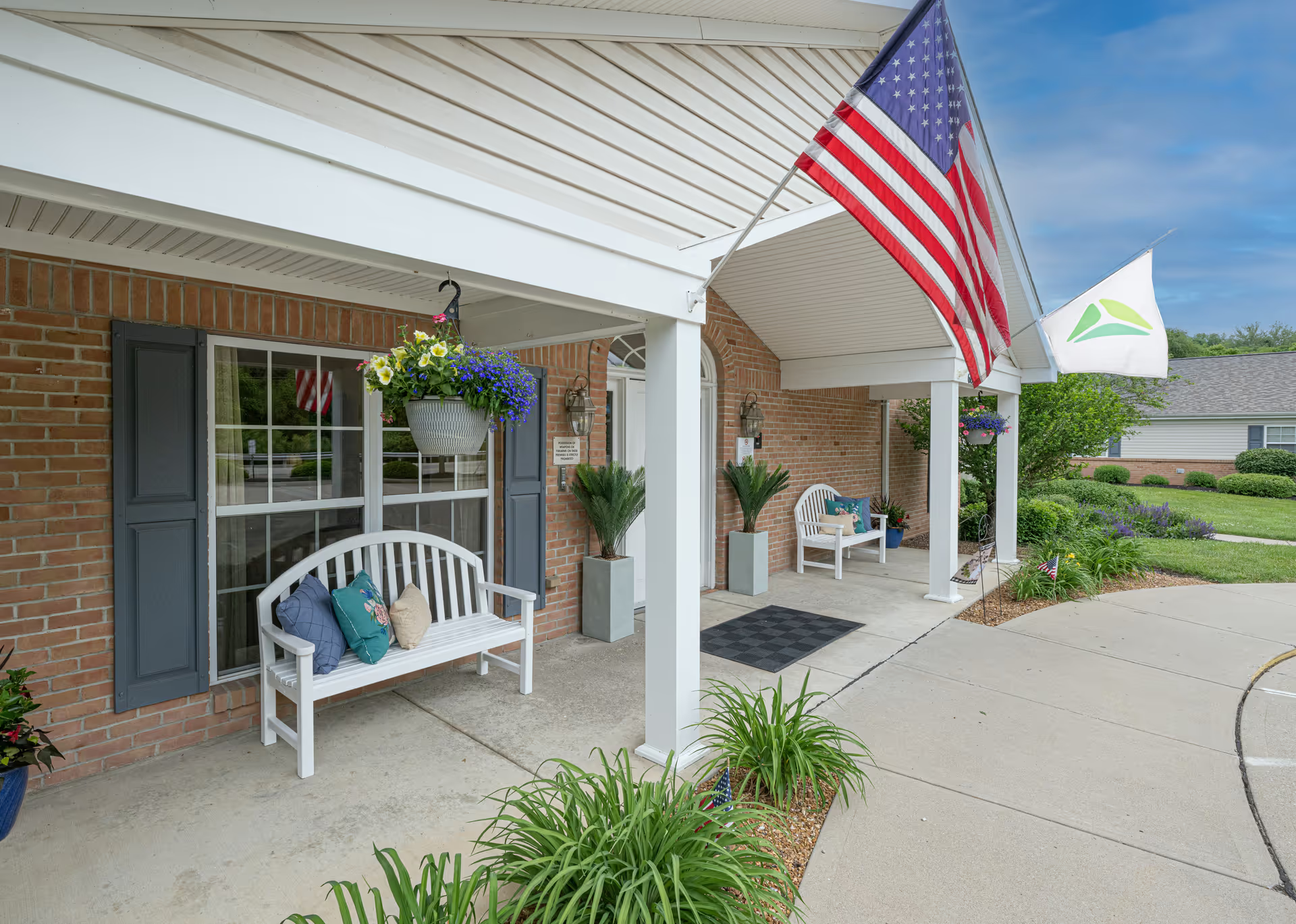
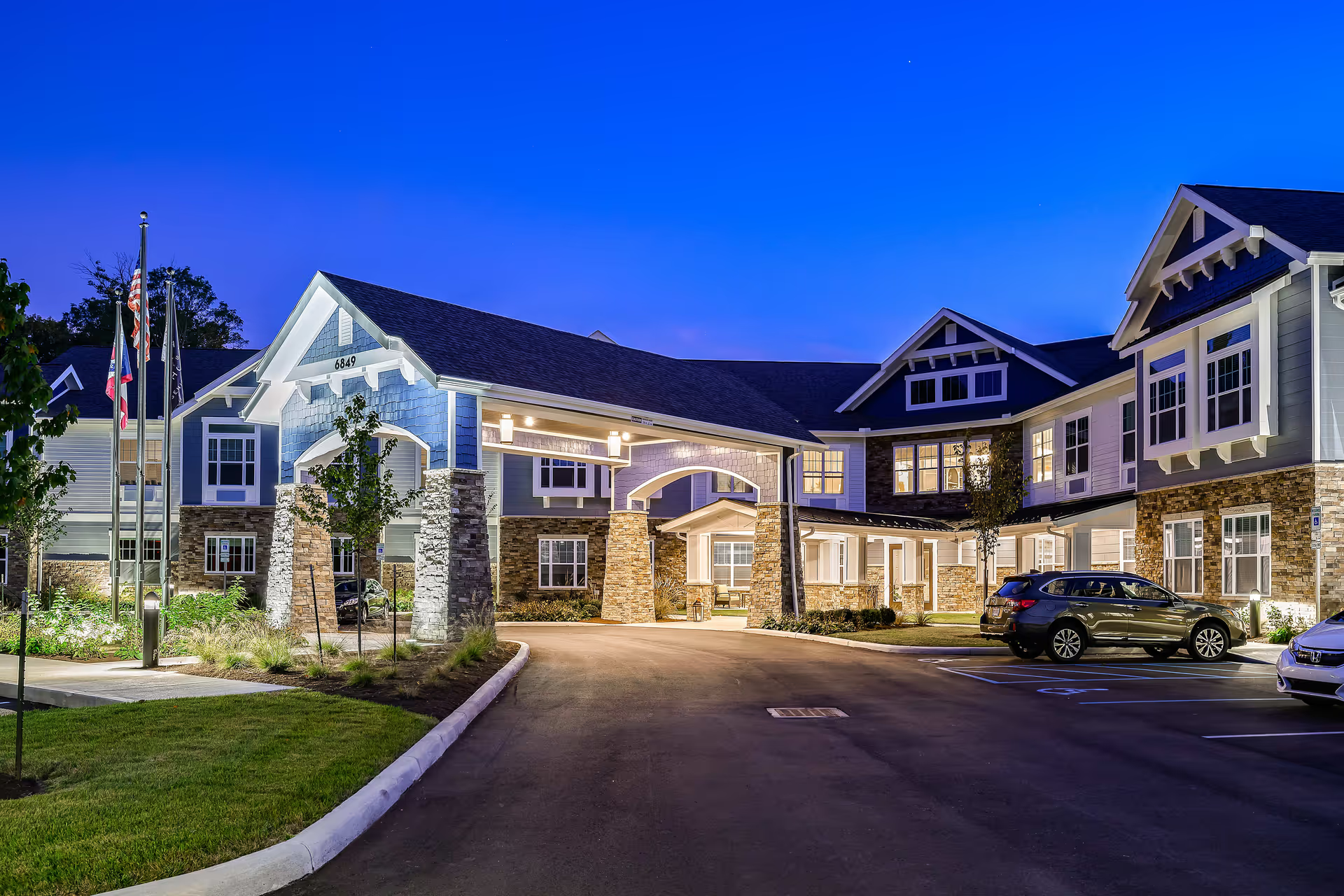
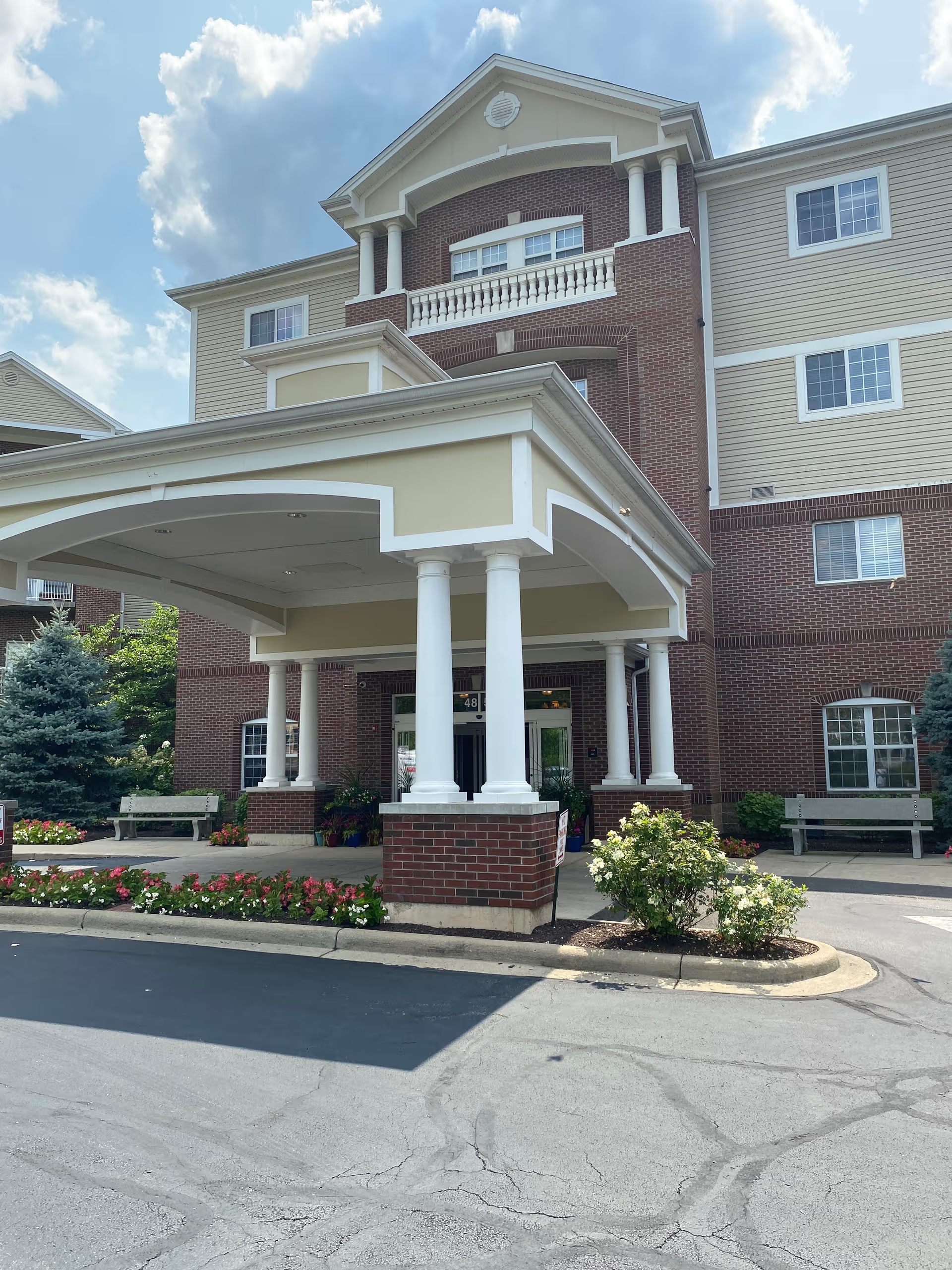
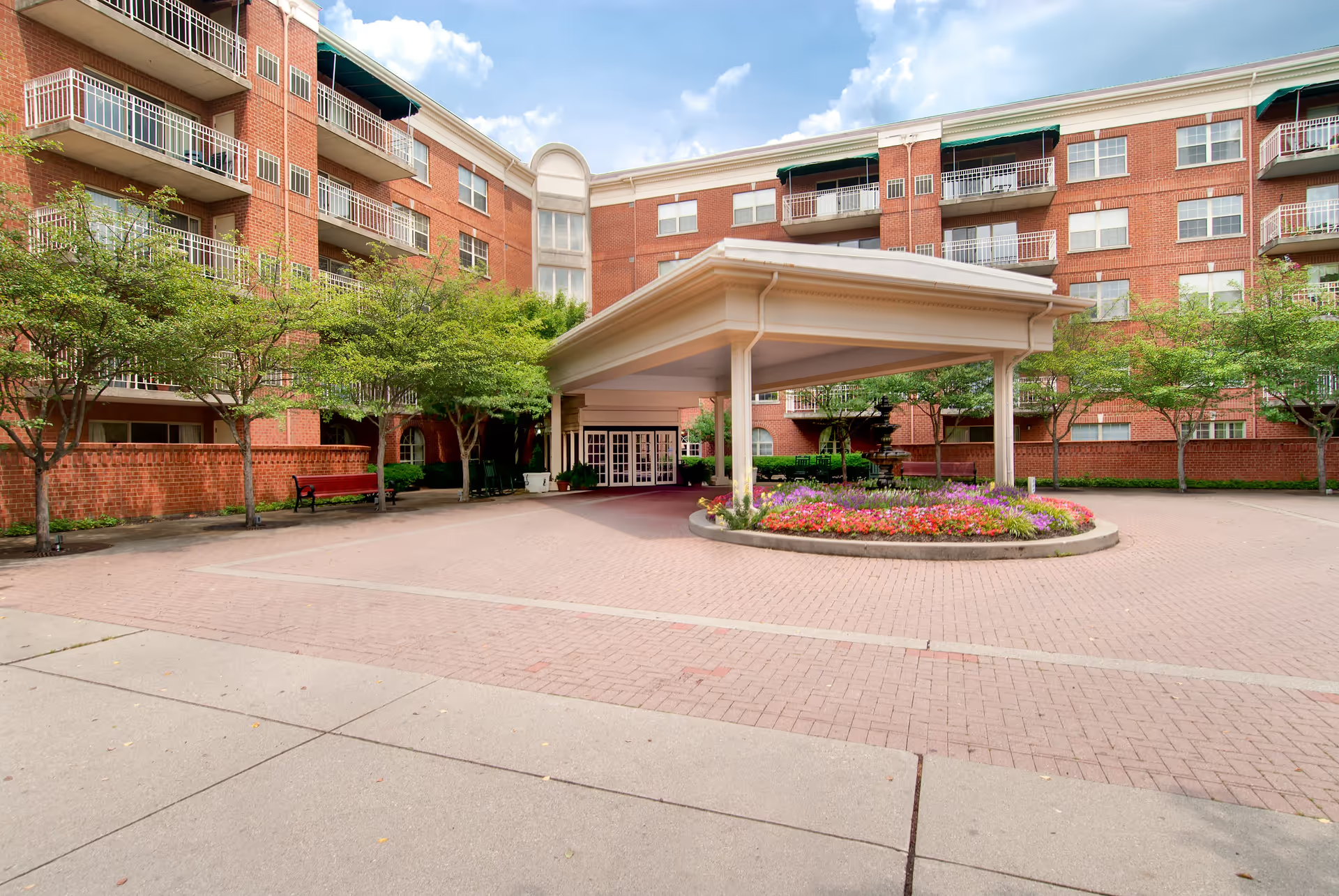
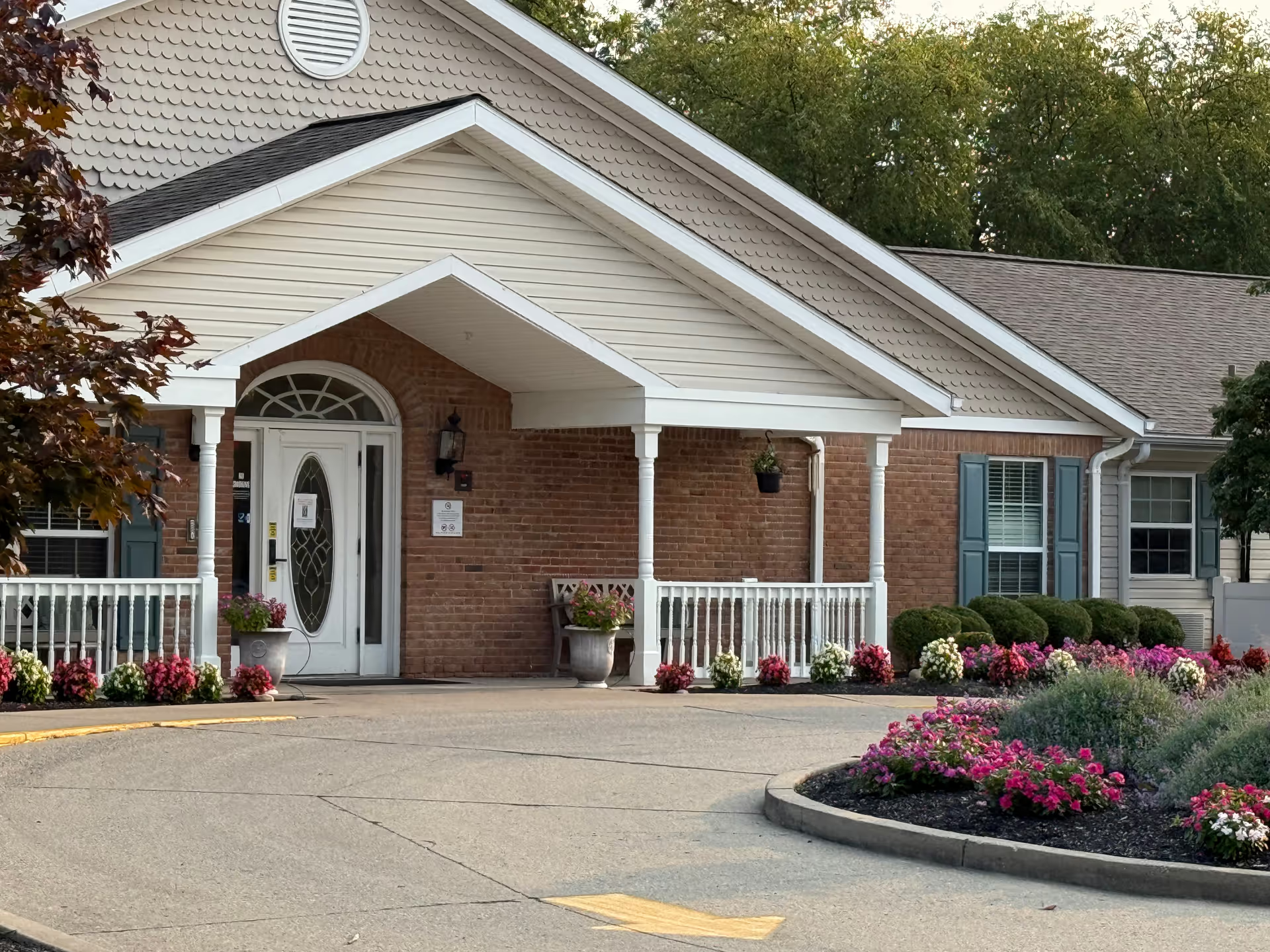
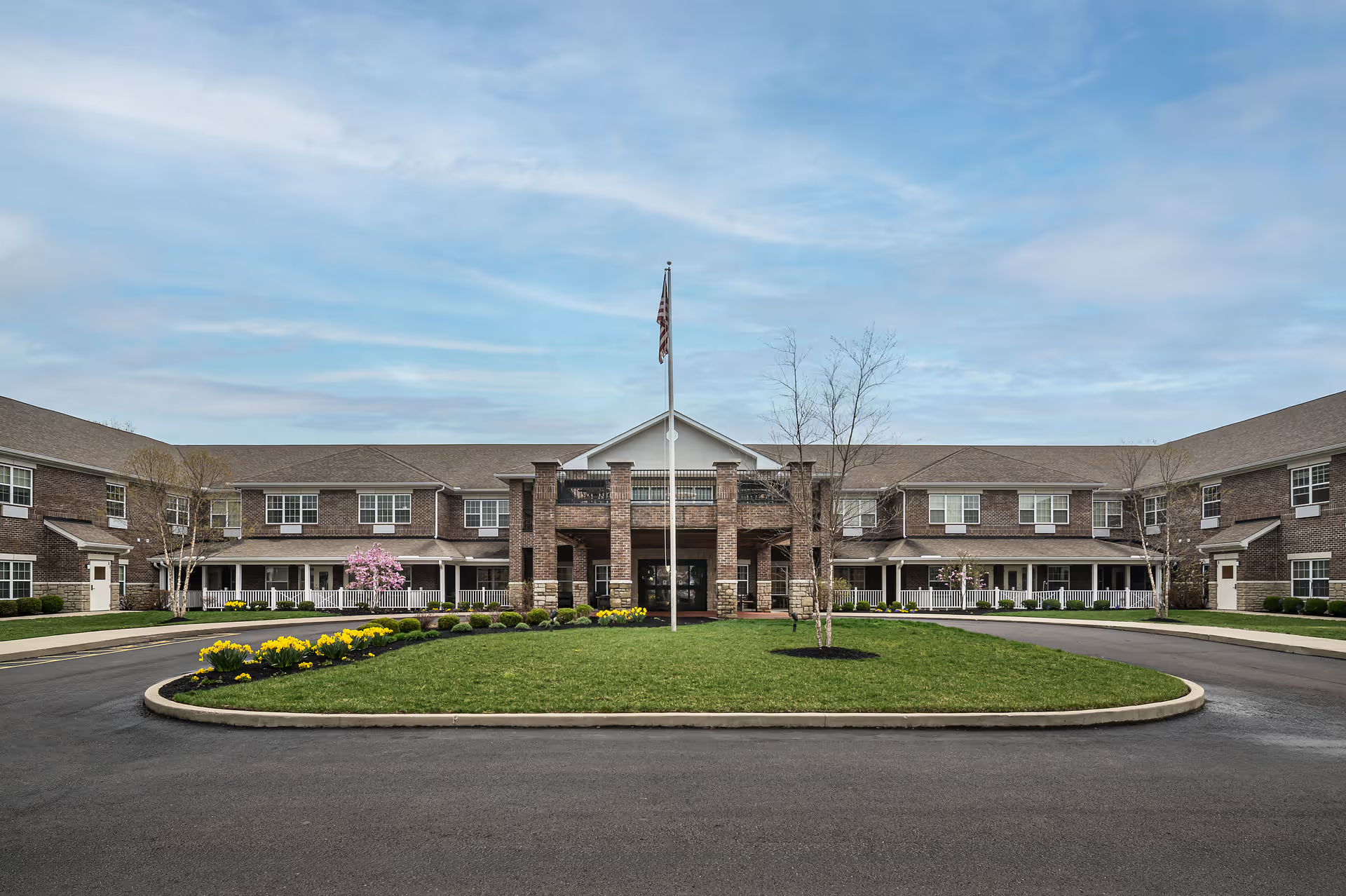
The physical environment is described as clean, neat, and warmly furnished — a private-residence feel rather than an institutional layout. Cleanliness and maintenance are recurring positive points, and the small scale is repeatedly mentioned as contributing to a comfortable, cozy atmosphere. Safety and a sense of well-being are implied by comments about residents thriving, being happy, and families feeling comfortable leaving loved ones in the home’s care.
Notable patterns include a strong reputation among families for trustworthiness and exceptional relational care, and repeated recommendations by visitors and relatives. The primary operational limitations to consider are a likely scarcity of available beds because of the small-home model, potentially limited on-site medical or rehabilitation resources compared with larger clinical facilities, and a reliance on a small, owner-driven staff team for service continuity. Prospective families seeking a highly personal, home-like setting — particularly for memory-care needs — would likely find this facility aligned with those priorities; families seeking extensive on-site clinical therapy or larger institutional resources should confirm specific clinical capabilities and current availability during their inquiry.