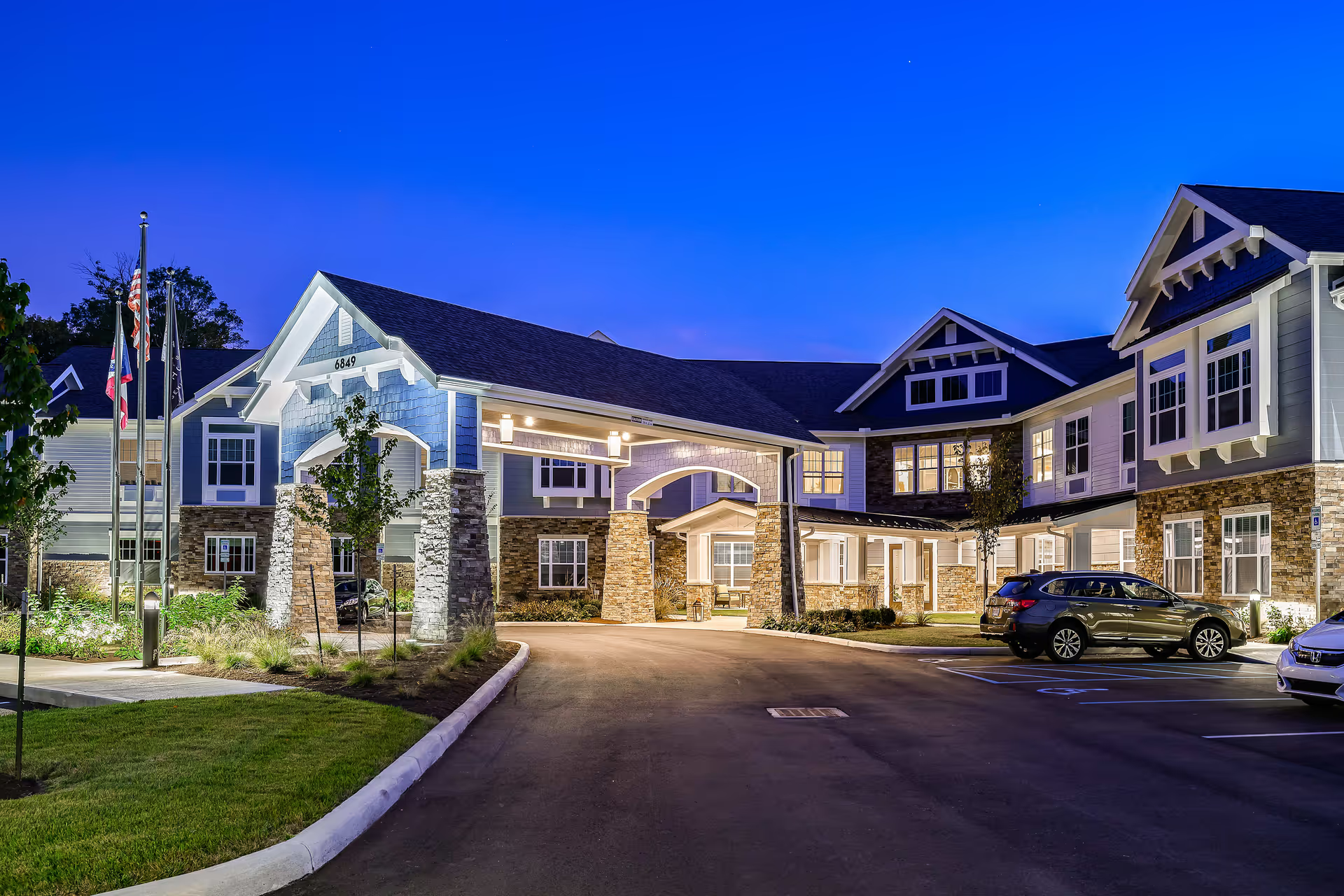
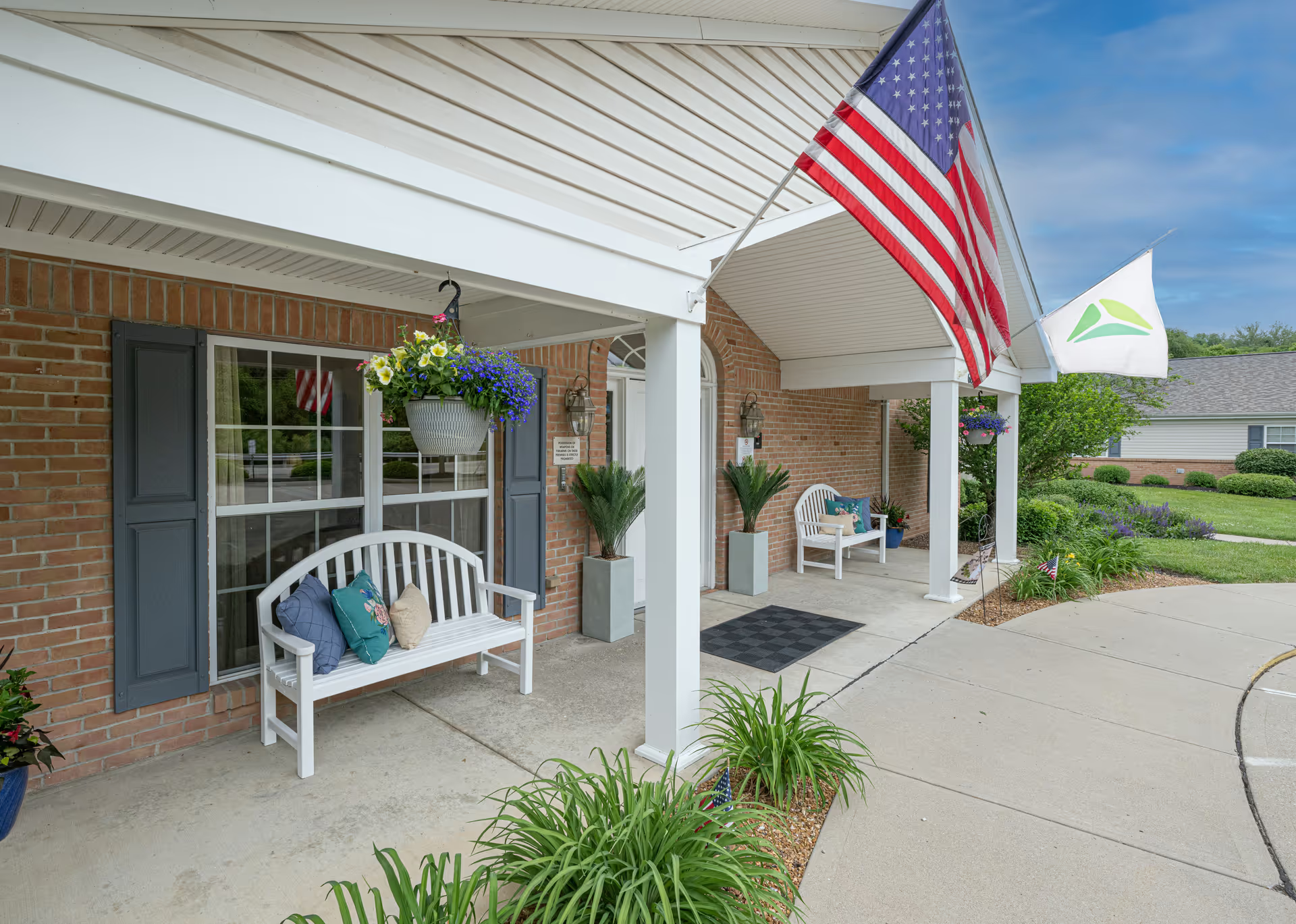
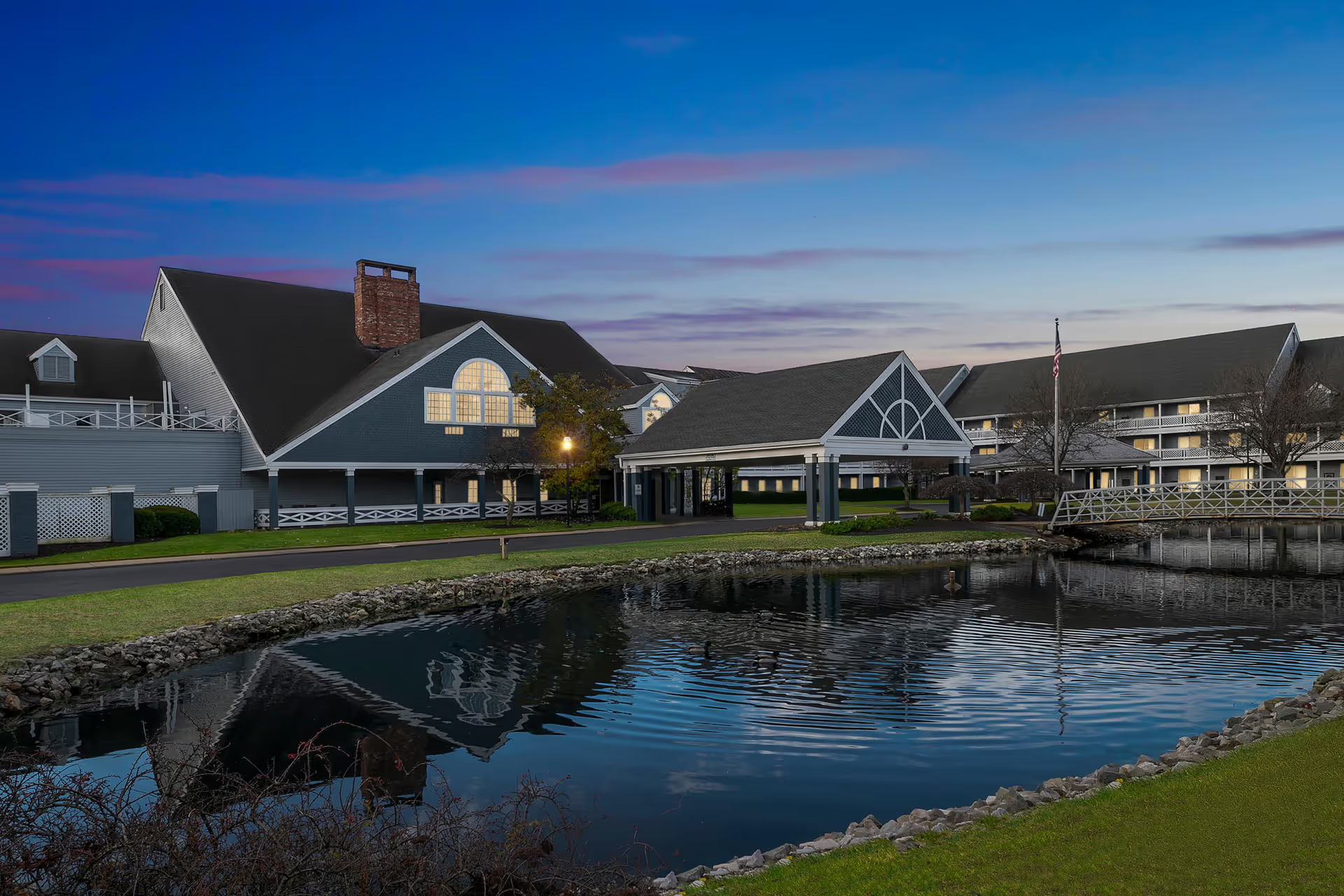
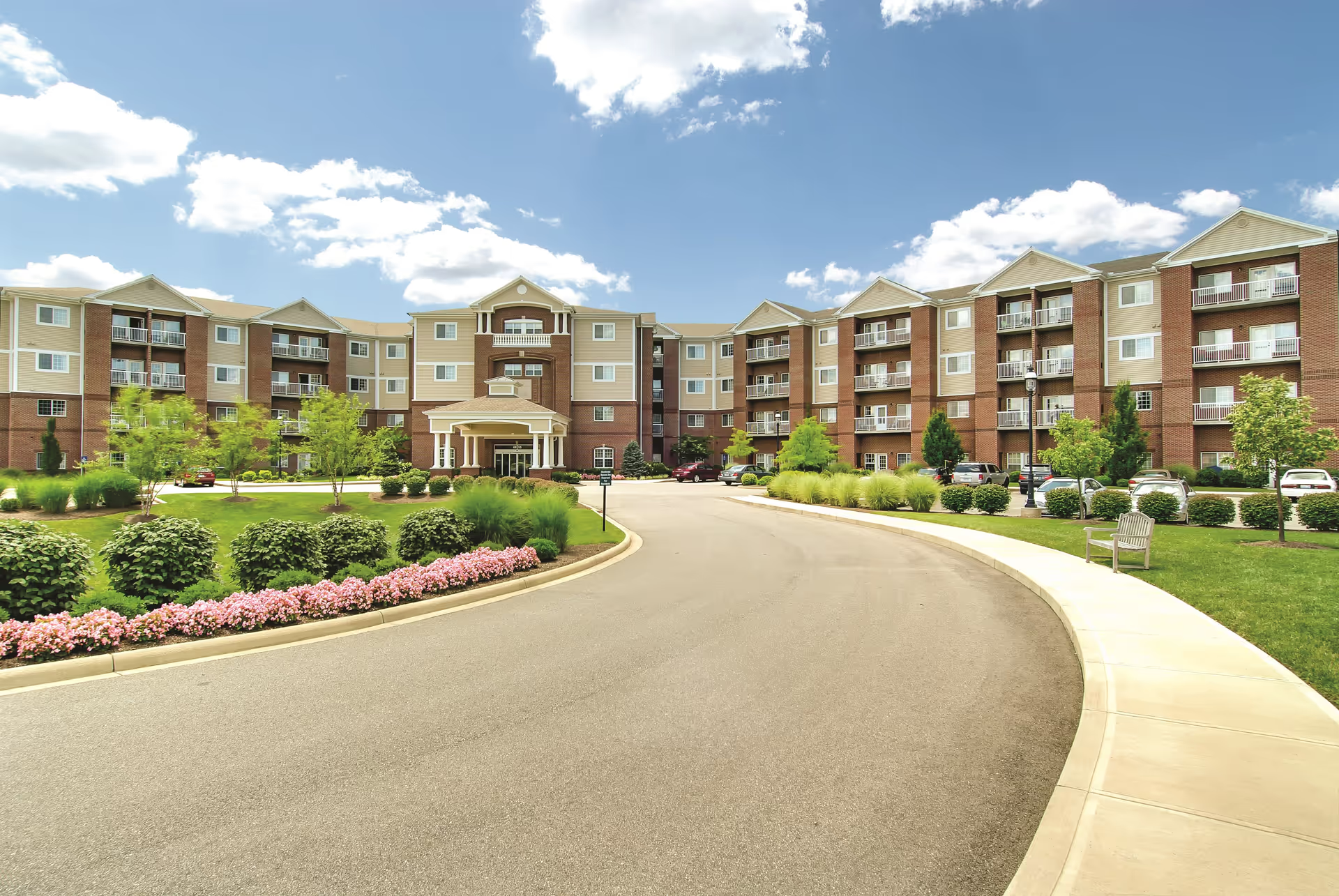
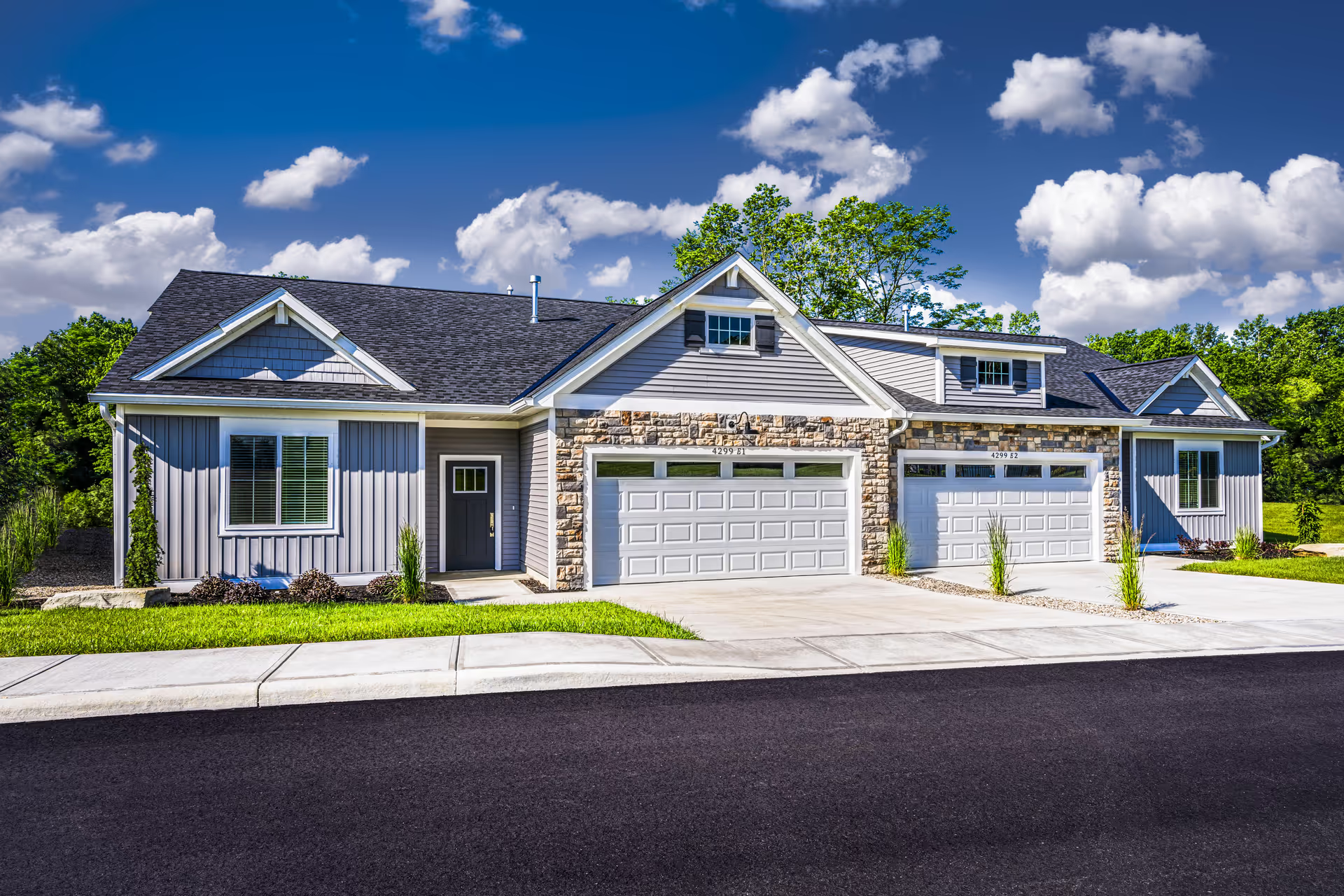
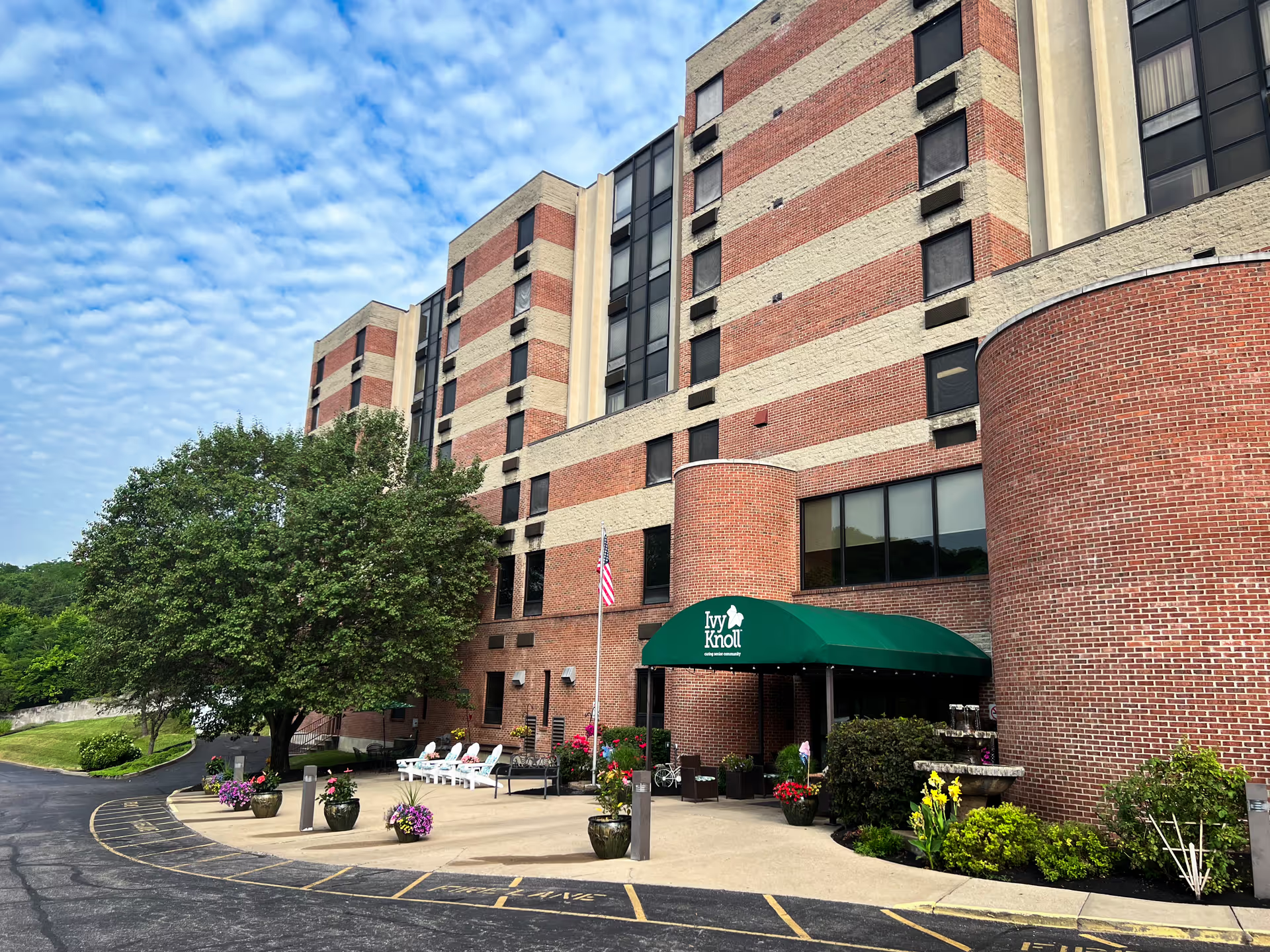
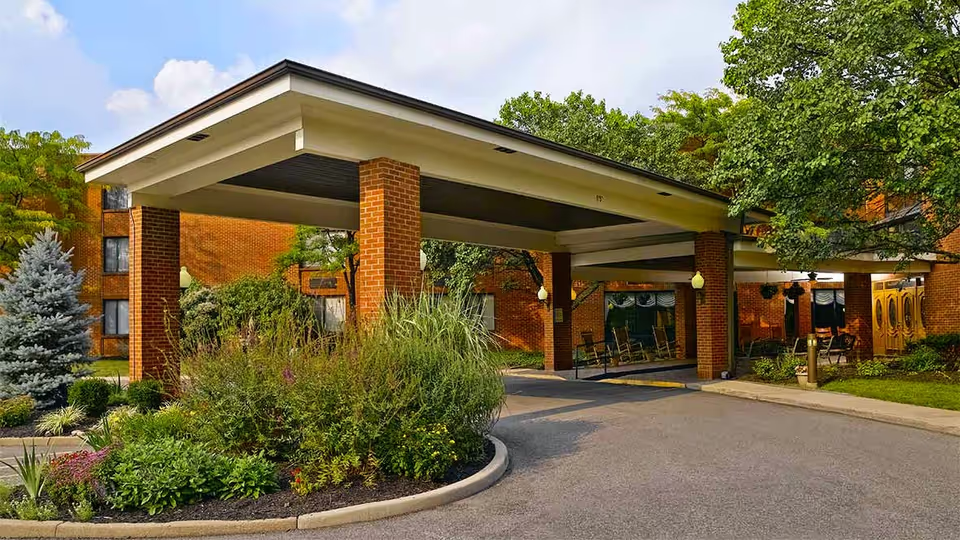
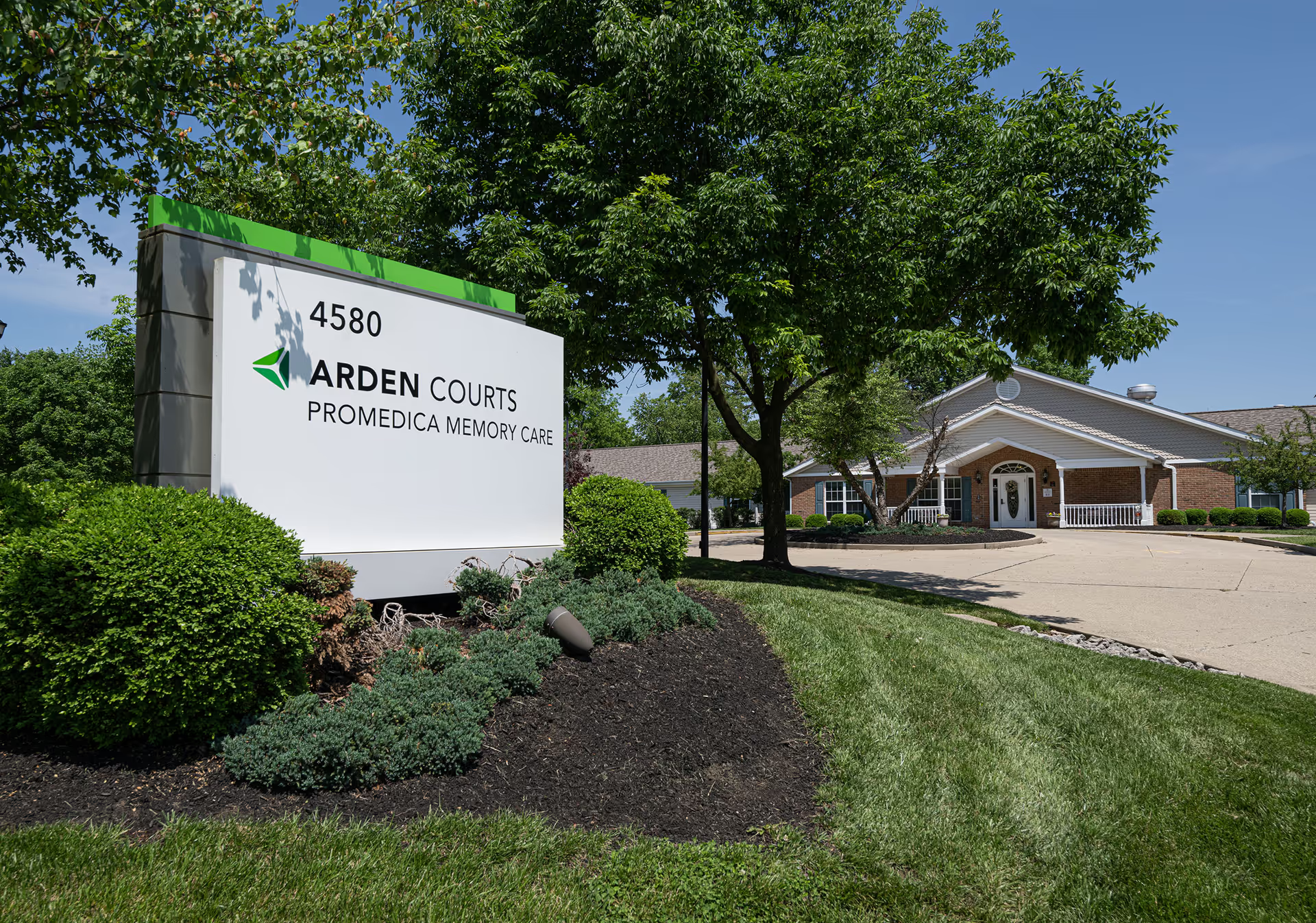
Reviews describe a facility with clear strengths in clinical rehabilitation, daily programming, and a welcoming community environment alongside recurring operational concerns. Many families praised nursing and therapy staff as compassionate and skilled, and several accounts highlight effective rehabilitation outcomes and a therapy team that aided residents' return home. Admissions and administrative staff are frequently described as helpful and informative, and leadership is often credited with creating an inviting, updated interior and an array of activities that include parties, entertainment, and regular social programming.
At the same time, there are substantive concerns about consistency of care. Multiple accounts point to uneven staffing levels and frequent use of agency personnel, which reviewers connect to variability in caregiver familiarity, routine continuity, and responsiveness to resident needs. Relatedly, reviewers describe gaps in clinical monitoring and escalation (for example, missed diagnostic follow-up and delays in addressing acute changes), which have, in some cases, led to serious health issues. These should be understood as operational patterns rather than isolated descriptions: they reflect family-reported variability in how promptly and consistently clinical conditions are identified and managed.
Dining and activities are generally viewed positively: the facility offers a varied daily menu, celebratory meals, and abundant programming from morning through evening. That said, meal-service consistency is uneven in some reports—particularly meal temperature and service continuity. The activities program and social events are repeatedly cited as community strengths that contribute to residents' quality of life.
Facility condition feedback is mixed. Many reviewers note renovated, bright, and well-maintained interiors and comfortable rooms, while others describe specific cleanliness and odor-control problems in certain areas and inconsistent housekeeping following incontinence events. Safety-related concerns — including falls, transfer-safety practices, and unit-level policy enforcement (for example, visitation logistics and privacy protocols) — appear intermittently and merit proactive discussion with management.
Management and accountability receive both praise and criticism. Several families commend visible leadership and improvements in staffing and care delivery; others report frustration with complaint resolution, staff accountability, and the investigation of clinical concerns. A few reviews reference serious clinical lapses; these accounts suggest the facility should be asked directly about its incident investigation process, staffing ratios, agency use, and clinical escalation protocols.
For prospective residents and families: the facility offers notable strengths in therapy, activities, and an engaged admissions and leadership team, but experiences appear to vary depending on unit staffing and shift coverage. Recommended questions to pose during a tour include current staffing ratios and agency use, processes for clinical monitoring and physician availability, housekeeping and incontinence-care protocols, fall-prevention and transfer practices, and how complaints are investigated and resolved. This balanced approach can help families align the facility’s strengths with a given resident’s clinical and social needs.