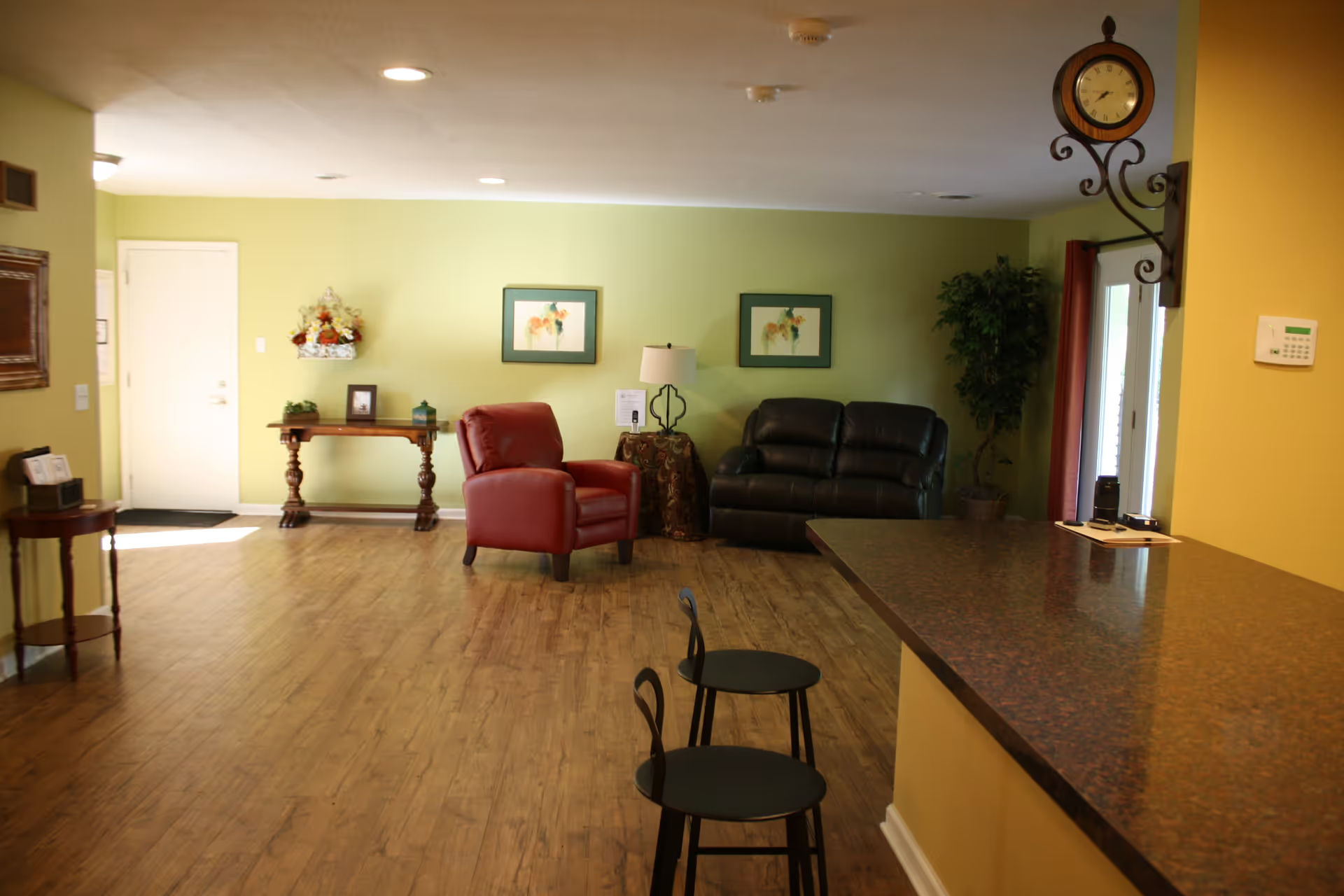
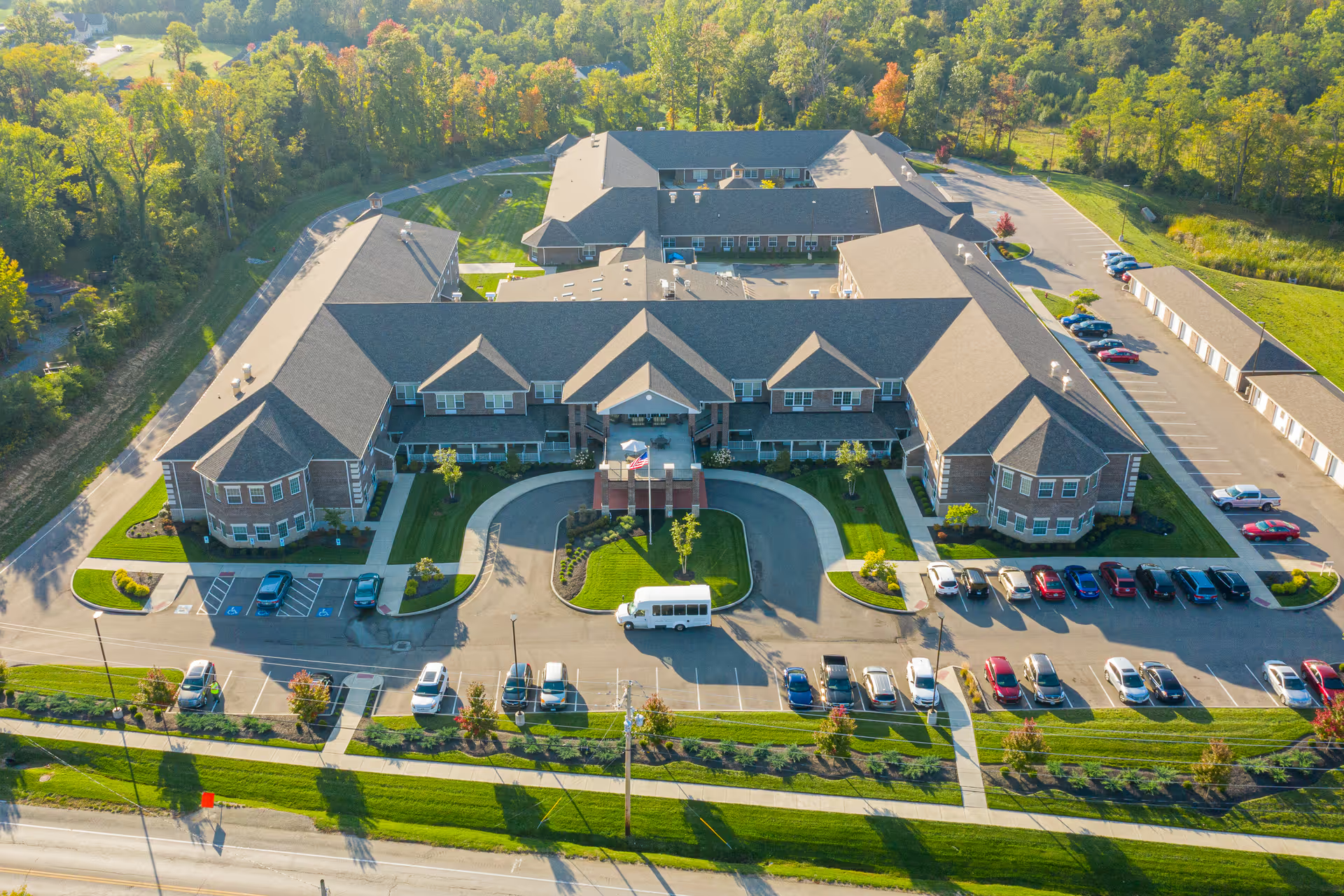
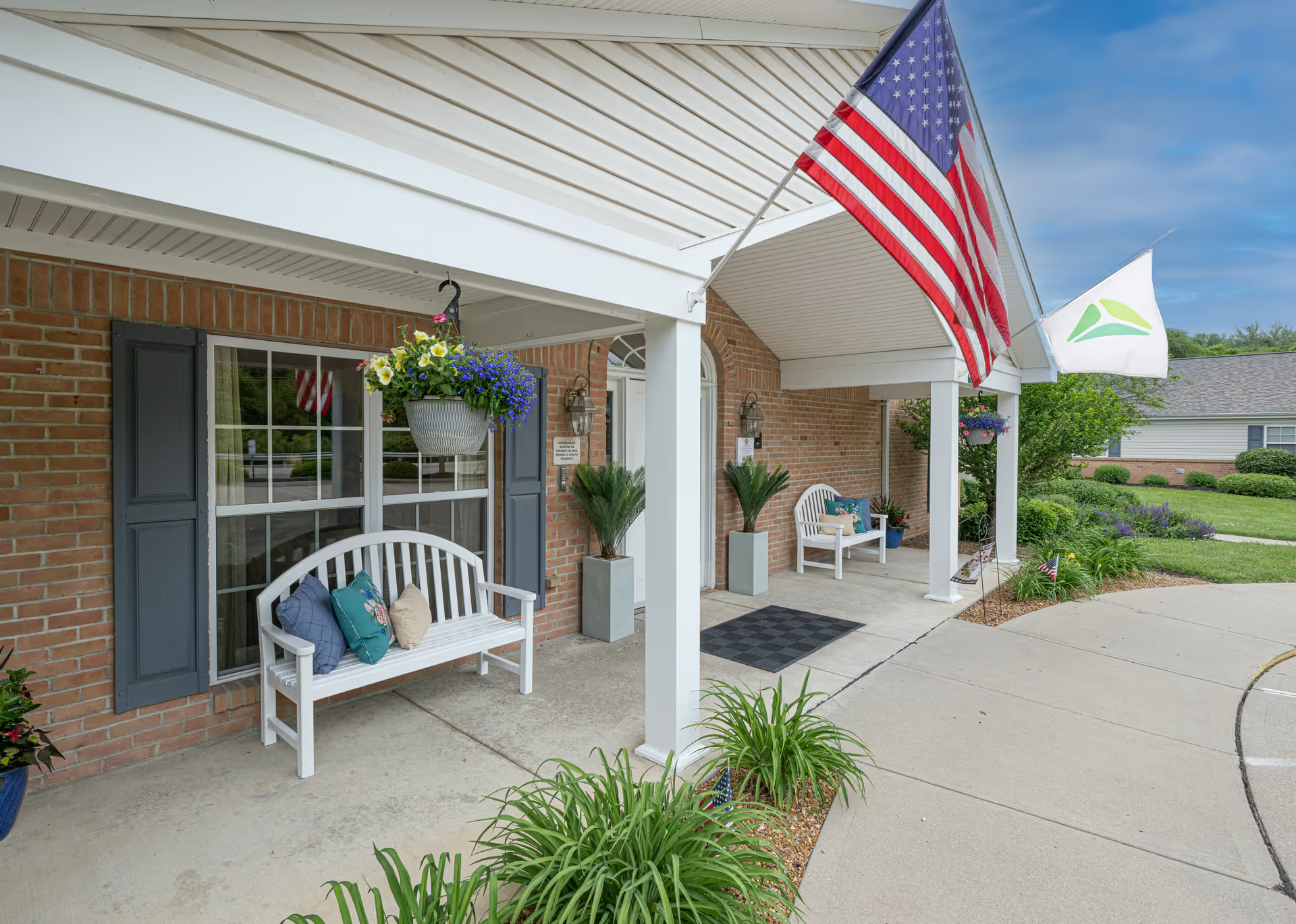
The reviews for Our Family Home present a mixed but clearer pattern when clustered by topic. Many families emphasize warm, attentive caregiving, a home-like physical environment, and a favorable caregiver-to-resident ratio that supports individualized attention. Positive mentions include an organized rotating menu, on-call nursing coverage or 24-hour care availability at times, active memory-care engagement programs, therapeutic offerings such as yoga and a therapy dog, and management described as responsive and caring. The facility's location and affordability are also commonly noted as strengths.
Care and staffing are two of the most prominent themes. On the positive side, caregivers are frequently described as compassionate, respectful of residents' preferences, and effective at creating smooth transitions for new residents. At the same time, multiple reviewers indicate operational weaknesses: staff turnover that disrupts continuity, inconsistent nurse presence and clinical oversight, and lapses that affect monitoring of complex clinical needs. These lapses are reflected in concerns about nutrition and hydration management and in at least one account of an advanced pressure injury; collectively, these points suggest the facility may have uneven clinical protocols or inconsistent implementation of those protocols.
Dining and activities receive mixed feedback. Several reviewers praise the meals as high quality, note a multi-week menu cycle, and describe residents as well fed and satisfied. Therapeutic and social programming — including yoga, a therapy dog, Bible reading, and memory-care engagement — are cited as meaningful. However, other reviewers note inconsistencies: limited snack availability, occasional subpar meal service, and activity schedules that do not always match advertised programming or resident expectations. These inconsistencies can affect daily quality of life, particularly for residents who require more frequent snacks or engagement.
Facilities and management also show a split. Many reviews describe the building as clean, spotless, and home-like, with an attentive management team that listens to families. Conversely, there are reports of sanitation lapses related to meal-service areas and dish-handling, as well as communication shortfalls between staff and families about resident status and care plans. A few reviewers raised concerns about marketing accuracy and the tone of end-of-life discussions; these items include allegations of misrepresentation and perceptions of pressure to pursue hospice, which prospective families will want to explore directly with leadership.
For prospective residents and families: the facility demonstrates clear strengths in culture, individualized attention, and certain clinical supports, but also exhibits operational inconsistencies that merit direct inquiry. Recommended steps before placement include: touring multiple parts of the building at different times of day, asking for current staffing ratios and nurse-coverage schedules, reviewing clinical protocols for nutrition, hydration, and wound care, requesting examples of activity calendars versus recent execution, and seeking references from current families. Those measures will help determine whether the facility’s positive attributes are the dominant experience and whether the operational gaps align with acceptable risk for your loved one.