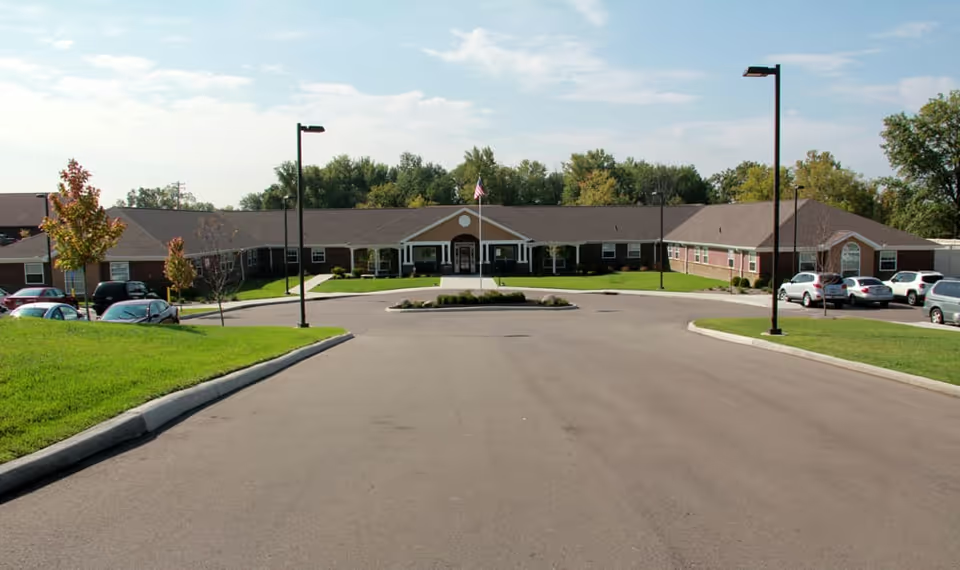
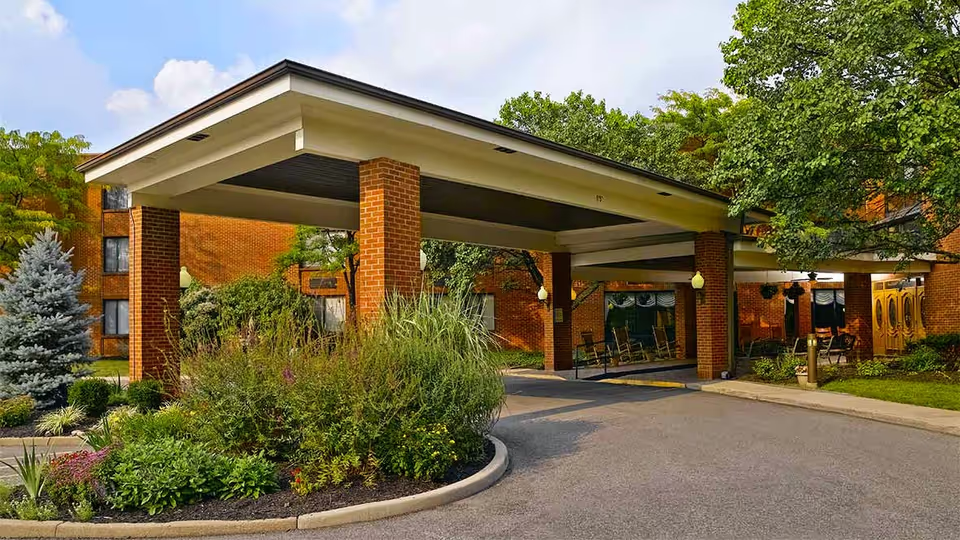
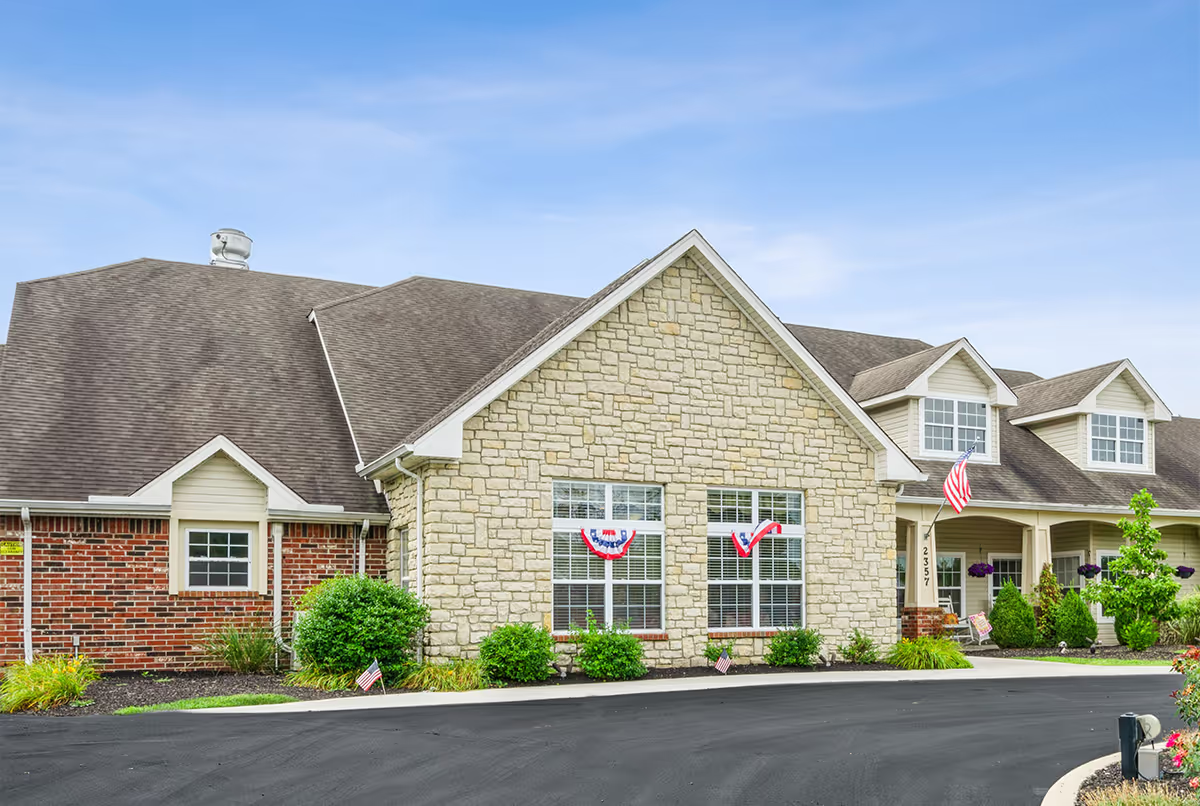
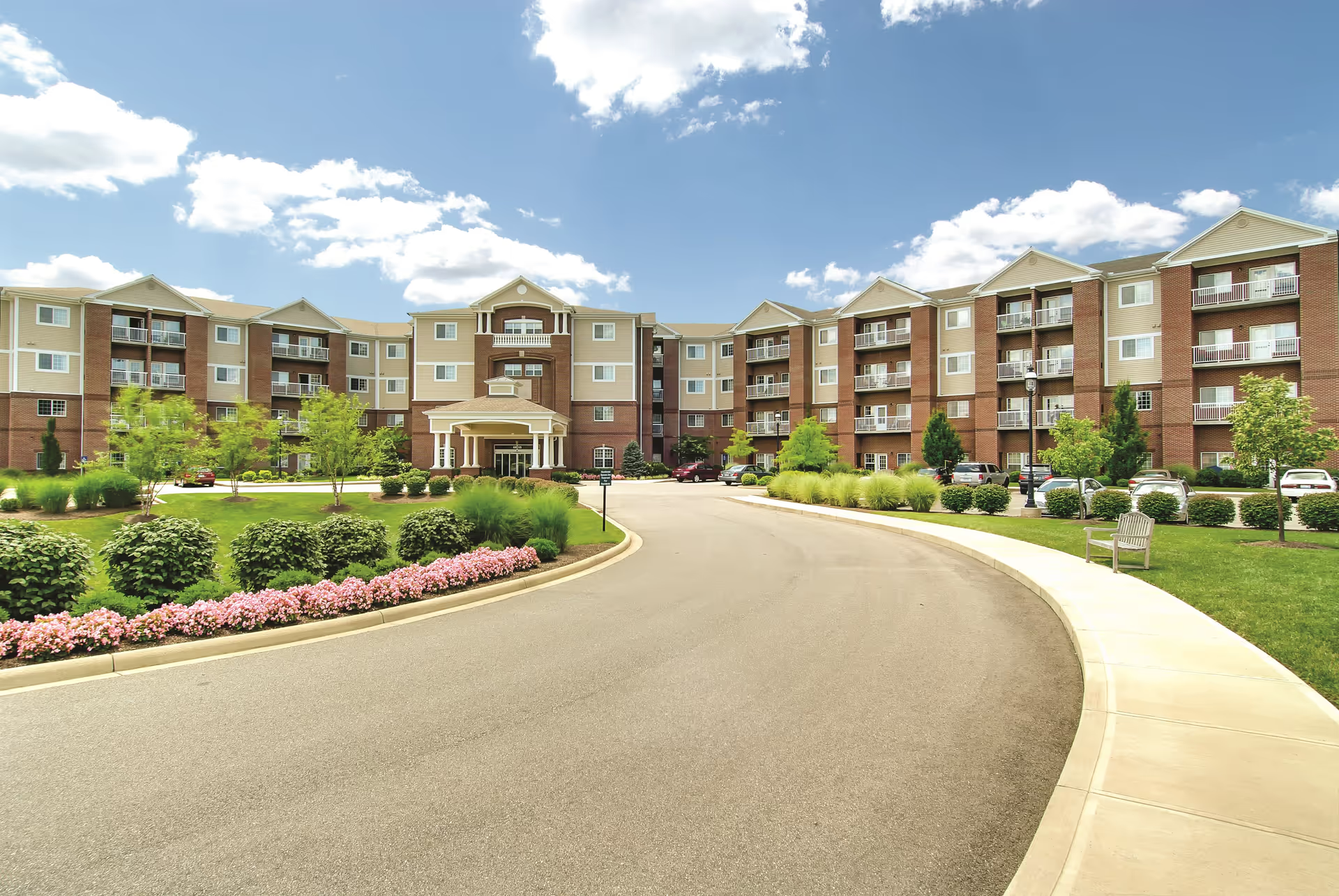
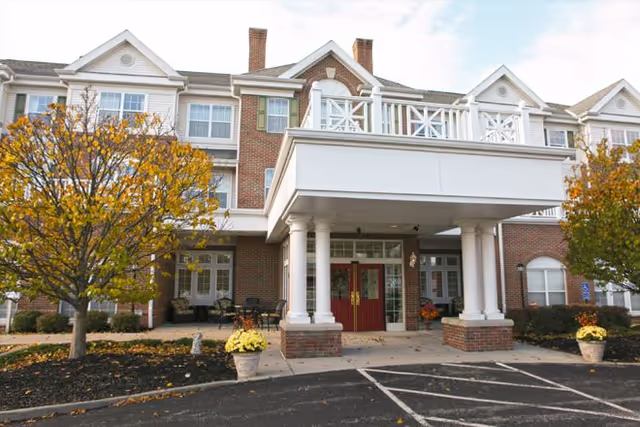
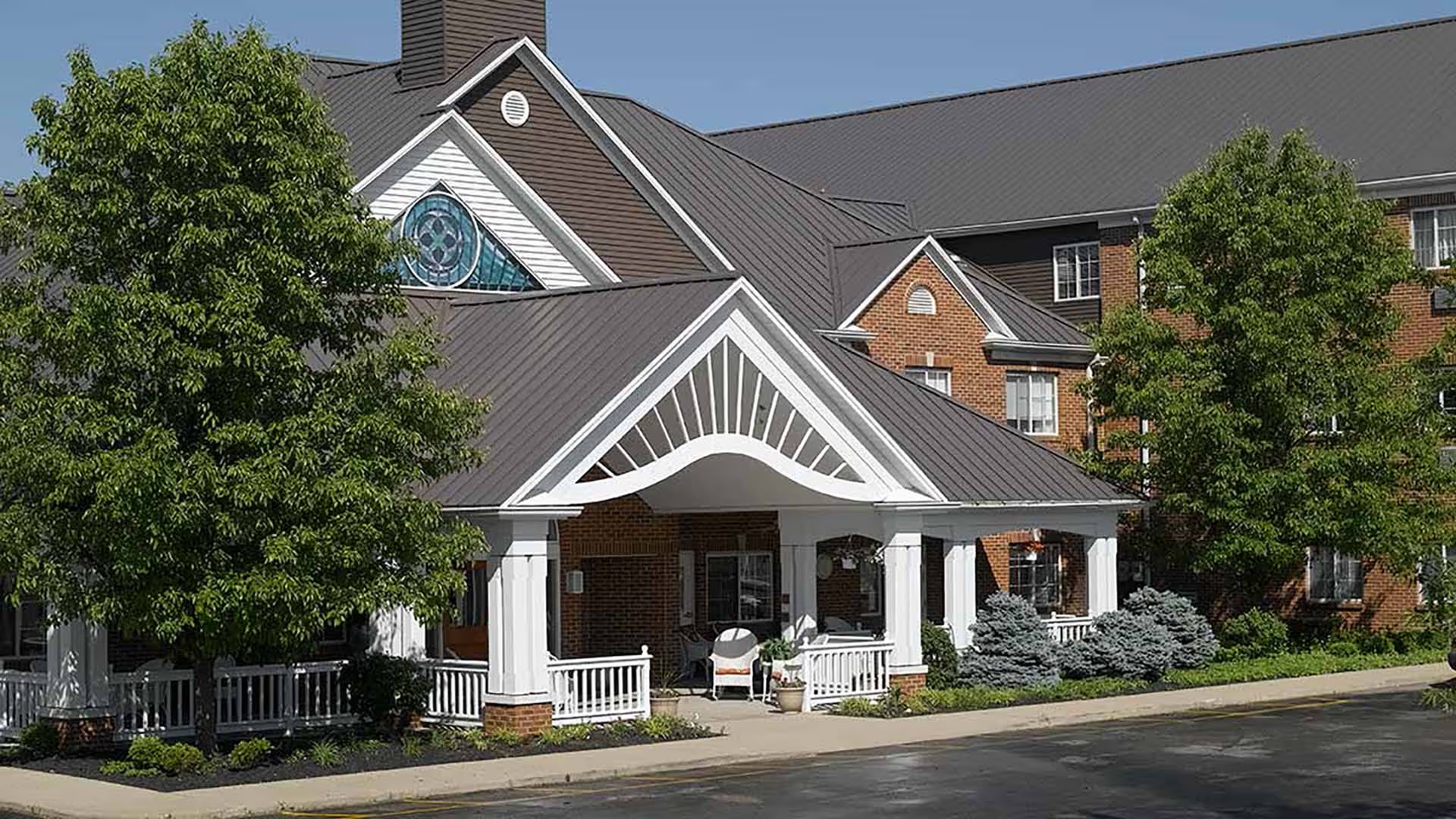
Traditions at North Bend presents a mixed but clear pattern: the facility's physical plant and many front-line staff are frequently praised, while operational and clinical consistency appear uneven. Reviewers consistently note a modern, well-maintained building with spacious, accessible studio apartments and hotel-like common areas. The community offers a broad set of on-site amenities — salon, chapel, exercise room, library, pub — and provides on-site physical and occupational therapy, an active activities program, and scheduled transportation for outings. Admissions and concierge staff receive strong positive feedback for being welcoming and helpful during move-in.
Care quality and staffing assessments vary by level of need. Many families describe compassionate, attentive aides and an engaged activities team; some residents experienced rapid functional improvements under therapy and rehabilitation services. However, there are repeated operational concerns tied to nursing and clinical oversight: inconsistent medication administration, missed or delayed clinical checks, and perceived gaps in care for residents with higher medical or memory-care needs. Several reviewers contrasted positive assisted-living experiences with insufficient in-house nursing capacity for more complex clinical requirements.
Dining, housekeeping, and daily-service execution are areas of notable variability. The dining program is described positively in some accounts — chef-run meals and table service — while others report frequent problems: cold or burned meals, insufficient wait staff, meal delays, and limited menu items. Housekeeping and linen services are generally provided (weekly housekeeping and on-site laundry are available), but reviewers describe lapses in trash removal, linen changes, and room-cleaning frequency in practice. These service-delivery inconsistencies appear linked to staffing levels and training shortfalls.
Management and administrative patterns show strengths and weaknesses. Admissions and some administrative leaders are praised for responsiveness and for easing transitions. At the same time, families note inconsistent follow-up on concerns, unexpected billing changes or rent increases, and uneven communication from the medical director and nursing leadership. Turnover and weekend/evening staffing shortages are recurring themes and are implicated in both service gaps and variable resident experiences. There are also serious individual claims — including allegations of theft and concerns following a resident's death — that reviewers raise; these are not part of routine service feedback but are important to inquire about directly with management.
For prospective residents and families: the community offers many tangible advantages (modern facilities, amenities, therapy services, active social programming, and several highly regarded staff members). These strengths make it a strong option for independent living and assisted-living residents with low-to-moderate medical needs. Those considering placement for higher-acuity care or memory-support should evaluate clinical staffing levels, medication-management protocols, and documented incident-response practices. Ask management for specifics on staffing ratios by shift, medication-administration procedures, recent staffing turnover, housekeeping schedules, dining staffing plans, and examples of how the community has addressed any serious past incidents. Obtaining written guarantees about promised services and clarifying billing practices will help align expectations with day-to-day operations.