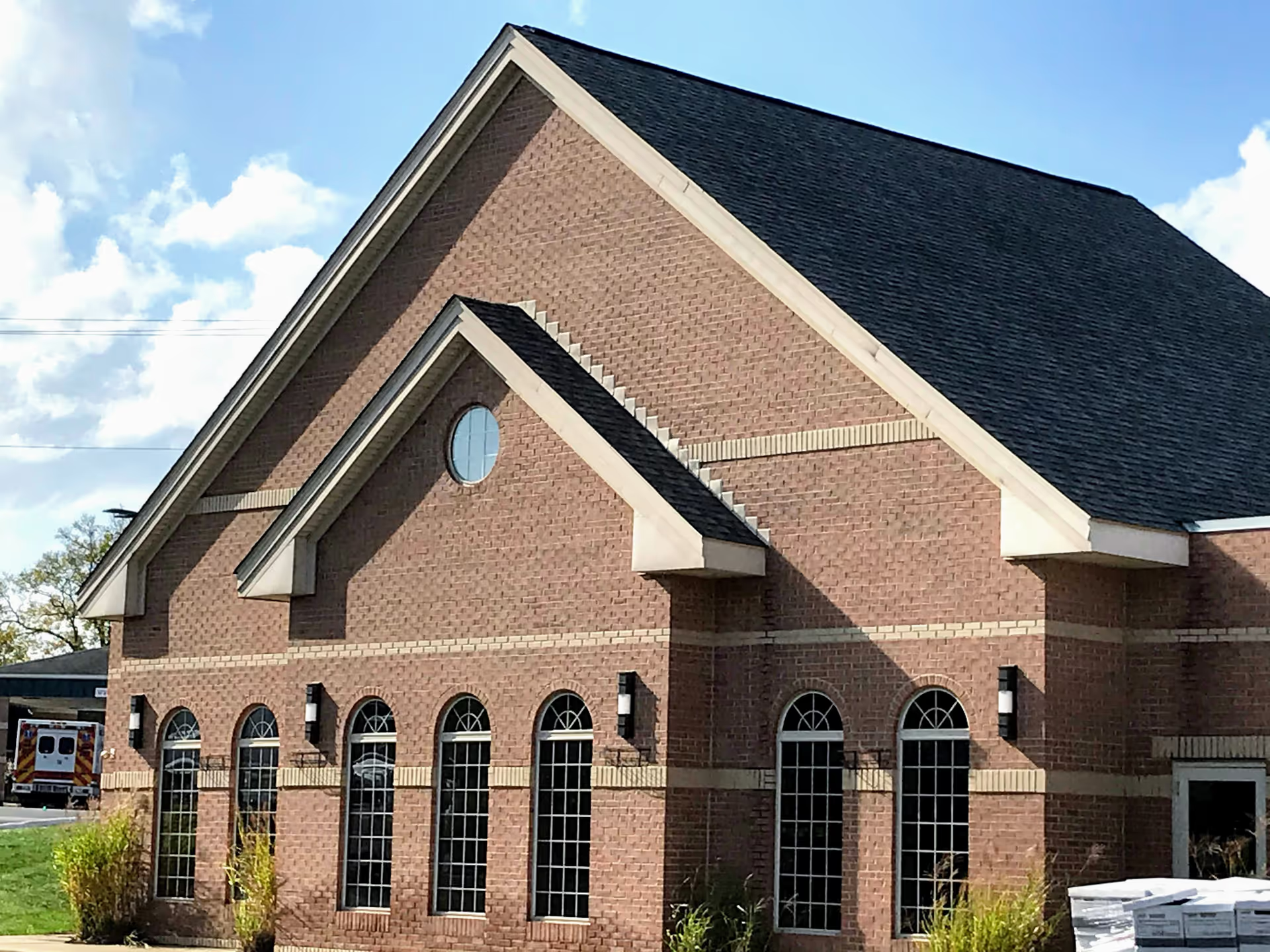
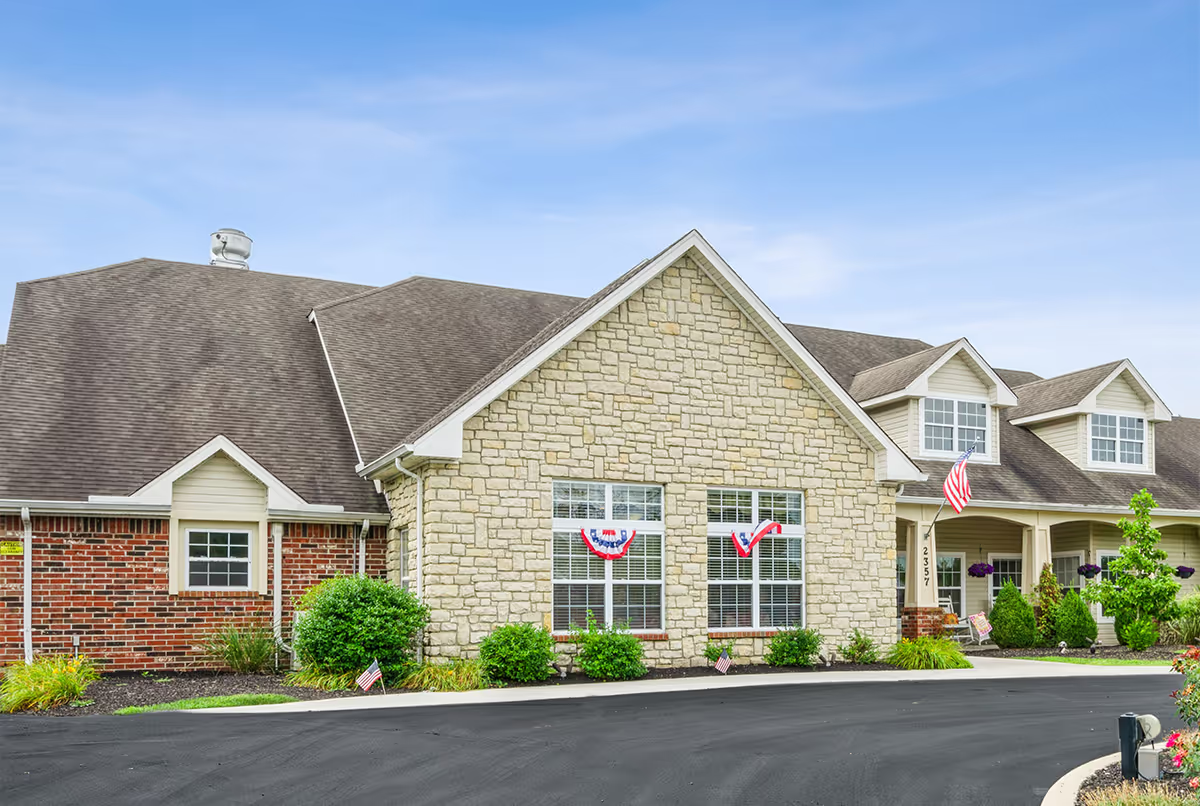
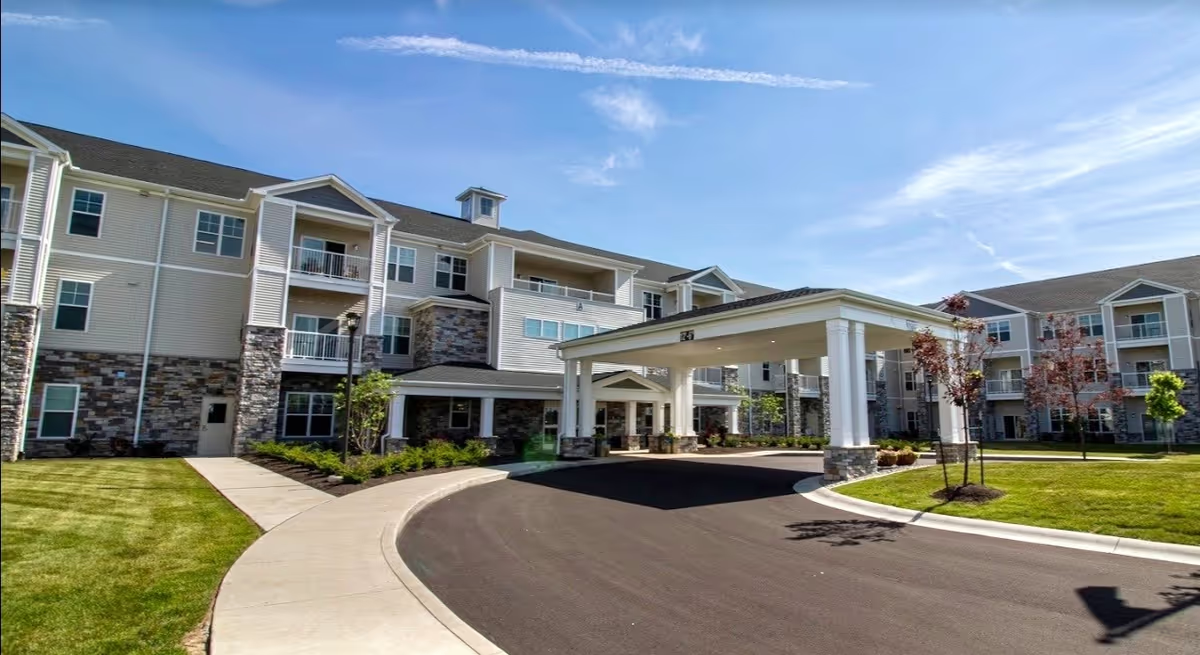
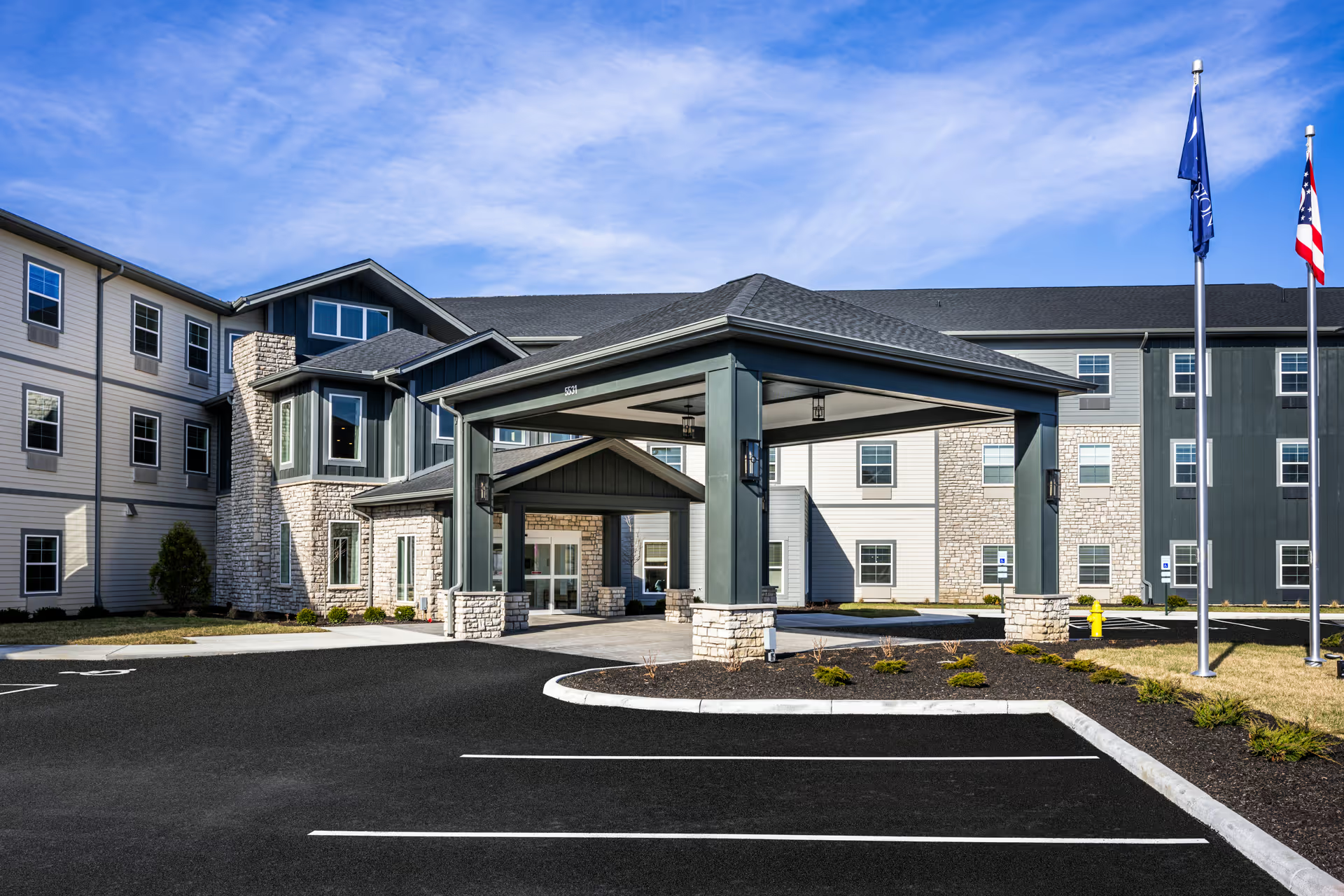
The Waterford at Fairfield presents as an updated, well‑kept independent living community with a strong set of physical amenities and an active social program. Review content consistently highlights renovated interiors, attractive landscaping, bright common areas, and a range of on-site amenities (library, salon, exercise room, activity and cooking spaces). Apartment options often include full kitchens and generous floor plans; weekly housekeeping, laundry services, and a pet-friendly policy are other recurring positives. The location adjacent to community resources (library, arts center, grocery, and parks) and regular transportation for outings add to the convenience profile.
Staff and care-related feedback is mixed but leans positive in many accounts: front‑line staff are frequently described as warm, helpful, and family‑oriented, with specific praise for individual caregivers and activity staff. The community appears to provide basic clinical supports appropriate for independent living, such as medication reminders and connections to therapy. However, there is a pattern of variability in staffing and clinical coverage: reviewers described periods of turnover, differences in responsiveness, and uncertainty about after‑hours licensed nursing coverage. Prospective residents should confirm current staffing models, licensure, and on-call clinical arrangements if ongoing clinical oversight is a priority.
Dining and programming are prominent features. Many reviewers praise restaurant-style service, attractive dining areas, and special events; several also note recent chef or menu changes that improved offerings. At the same time, dining quality is inconsistent across reports: some residents describe high-quality meals while others report repetitive side dishes, limited dietary accommodations (for example, diabetic menu limitations), inconsistent portioning, and a common pattern of only two daily meals (lunch and dinner) in certain plans. Activities are generally robust — bingo, Wii/bowling, exercise classes, crafting, outings, and community events — but programming has occasionally been reduced or disrupted following activity‑director turnover, and some common spaces were described as limited for larger social gatherings.
Operational and management themes are important to note. Positive comments describe responsive, compassionate managers and helpful front‑desk staff; conversely, there are recurring concerns about management communication related to billing, deposits, and contract terms. A subset of reviews cites unresolved billing disputes, withheld refunds, and dissatisfaction with contract enforcement; there are also serious single‑case allegations including theft and mishandled refunds. Additionally, some reviewers raised concerns about pest control in specific units and common areas. These issues point to the importance of reviewing contractual language, asking for documentation of pest‑control history, and clarifying complaint and remediation procedures during a tour.
Accessibility and long‑term suitability are mixed considerations. The building has accessible features such as handrails and walk‑in showers in many units, but reviewers noted practical mobility barriers (heavy doors, limited lift availability on shuttle vehicles) and variability in apartment sizes that can make furnishing difficult. The Waterford primarily functions as independent living; several families described needing a different level of care later and noted limited on‑site assisted‑living or skilled‑nursing transition options — an important planning factor for those anticipating progressive care needs.
In summary, The Waterford at Fairfield offers many strengths for independent-living residents: updated facilities, active social programming, convenient location, and generally compassionate staff. Notable patterns of concern include inconsistent dining and activity continuity, management and billing communication gaps, variability in staffing and clinical coverage, pest‑control concerns in some reports, and accessibility limitations for certain mobility devices. Prospective residents and families should tour the community, request current staffing and licensure details, review contract and refund policies, ask about recent pest‑control and chef/activity‑director changes, and verify transportation accessibility to ensure the community’s operational practices match their care and lifestyle priorities.