Shepherd of the Valley - Liberty elicits strongly mixed feedback. Many reviewers praise the facility’s physical environment, activity program, and specific staff members who provide compassionate hands-on care. At the same time, recurring operational concerns—particularly around staffing, responsiveness, and care coordination—create variability in resident experiences. Prospective residents and families are likely to encounter both notable strengths and meaningful service gaps.
Care quality is described unevenly. Numerous accounts commend nurses, aides, and certain therapists for staying late, providing attentive care, and offering comforting support; respiratory services and some nursing teams receive explicit praise. Conversely, other families describe delayed responses to resident needs, inconsistent bathing schedules, and incontinence-care delays. Medication access and the communication of medication changes are also cited as problem areas, with examples of overdue dosing and difficulty getting medications home at discharge.
Therapy and rehabilitation services are available on-site and are a frequently cited reason families consider the facility; activities such as physical and occupational therapy are offered. However, several reviewers raised concerns that therapy sessions were shorter or delivered differently than expected (for example, in-room rather than in a dedicated therapy gym), and that appointment timing and readiness were frequently delayed. These accounts suggest variability in therapy delivery and in measurable rehabilitation outcomes.
Safety and clinical-practice issues are a recurrent theme. Reviewers describe instances suggesting inconsistent adherence to lift-assist and transfer protocols and gaps in monitoring during higher-risk situations (for example, choking-watch responsiveness). Such patterns point to potential weaknesses in transfer-safety practices and bedside surveillance when residents have elevated needs. Families should specifically evaluate how the facility implements transfer protocols and high-risk monitoring.
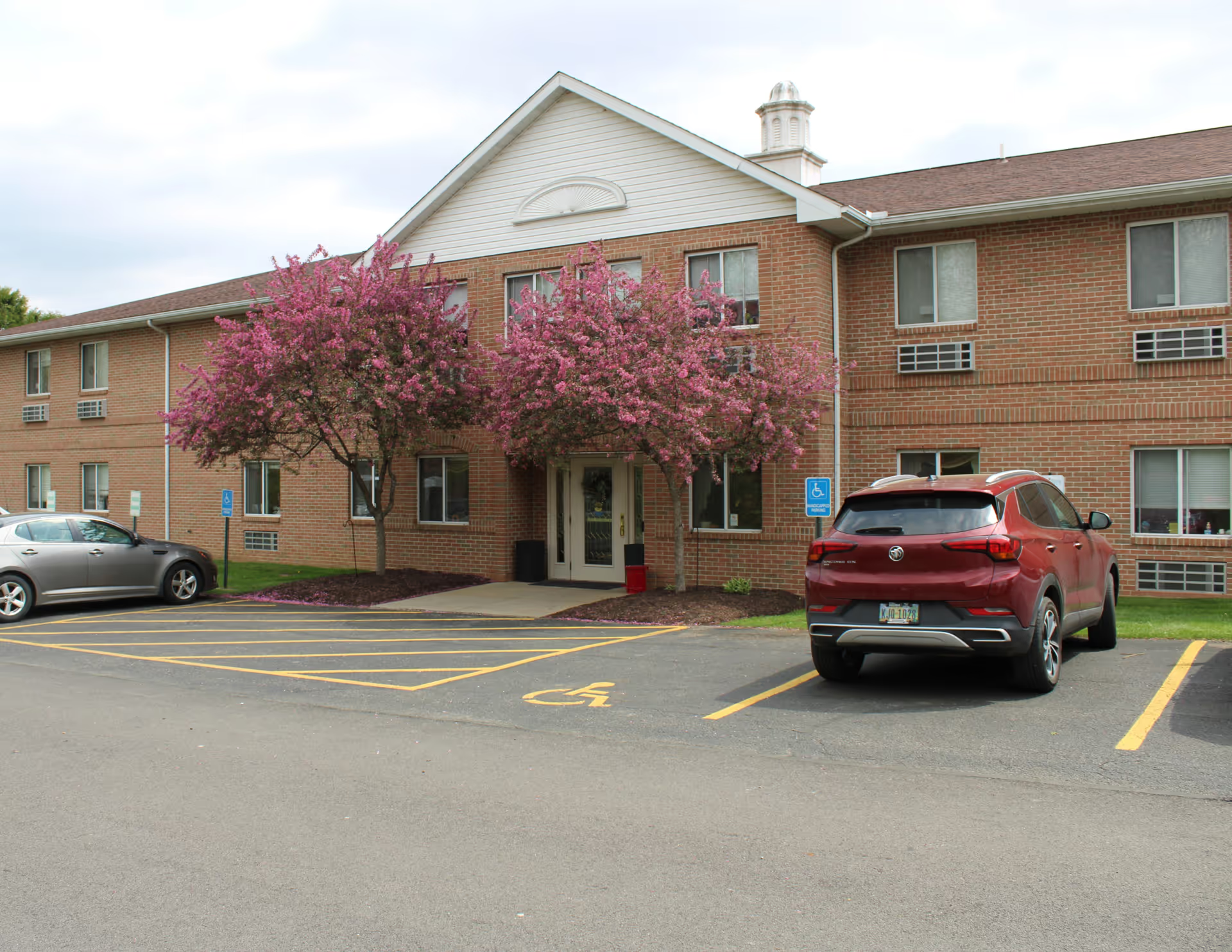
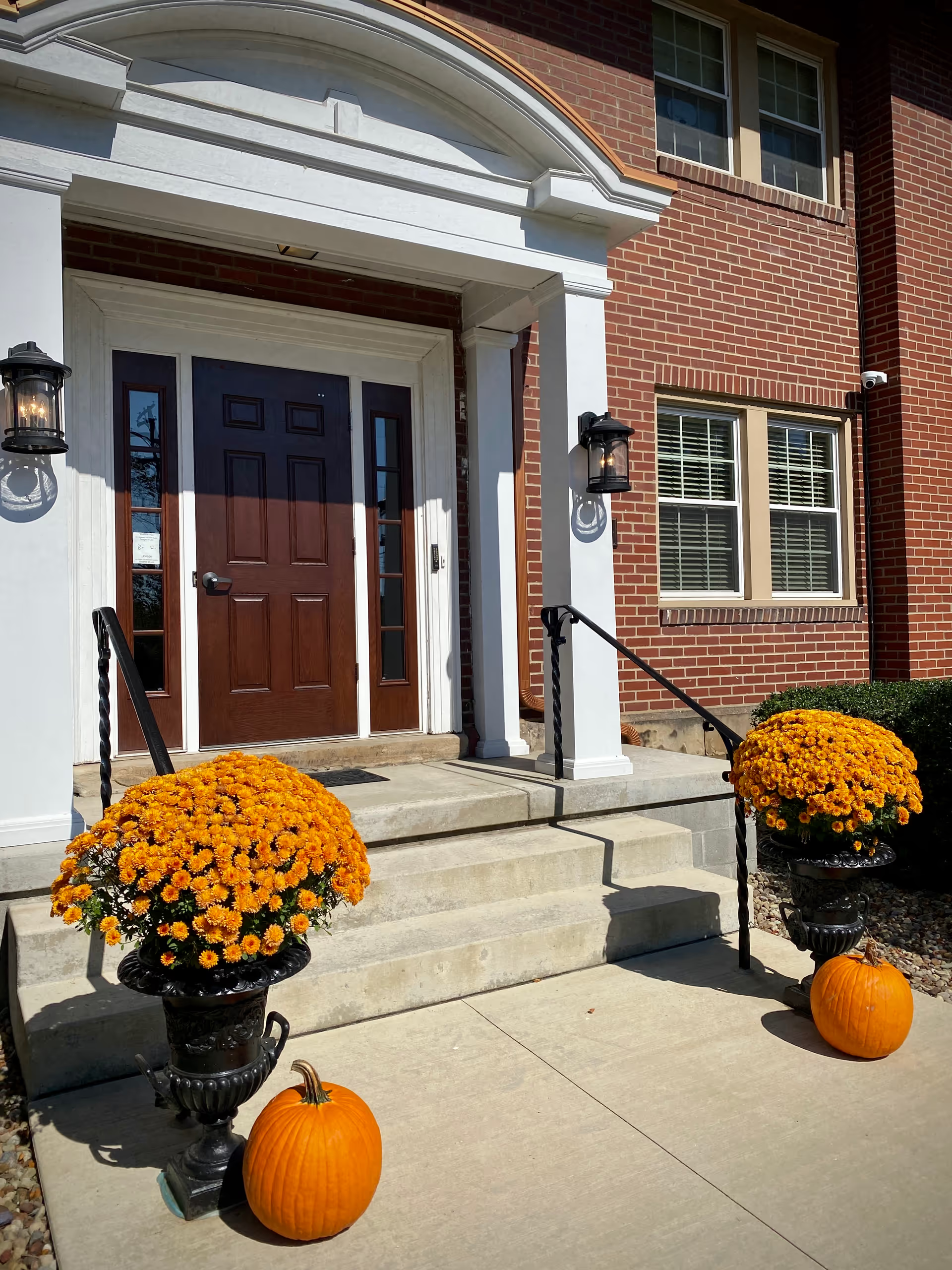
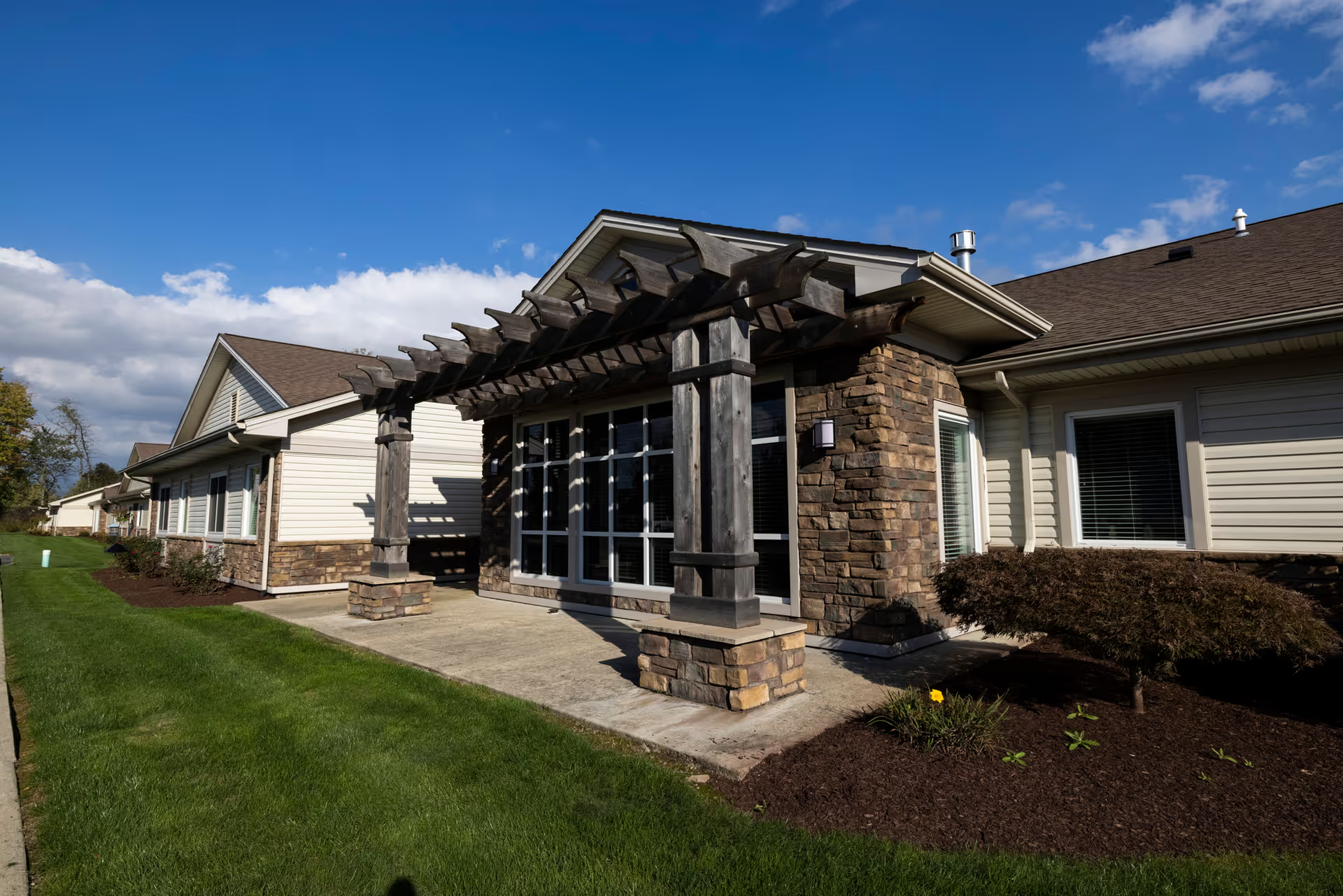
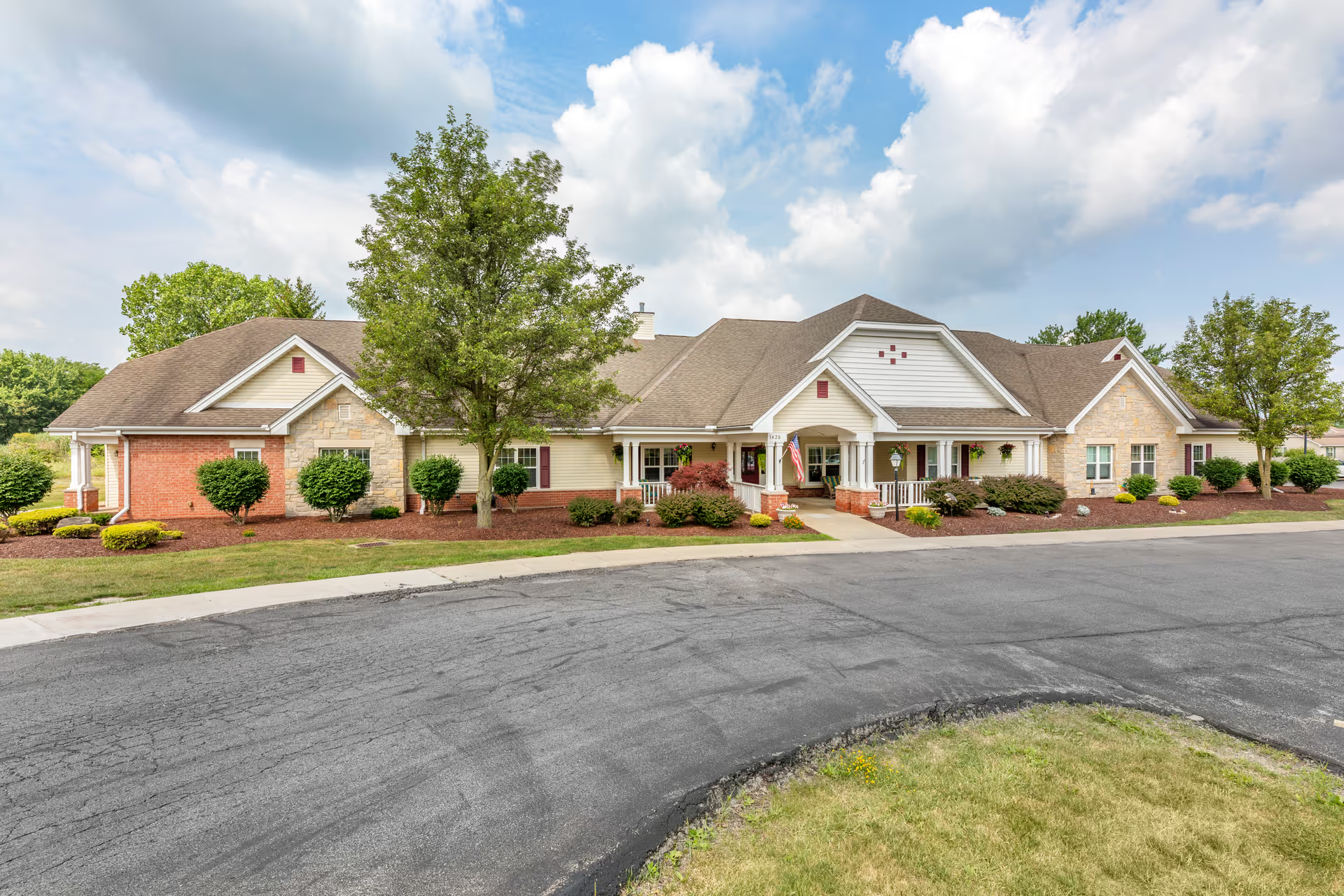
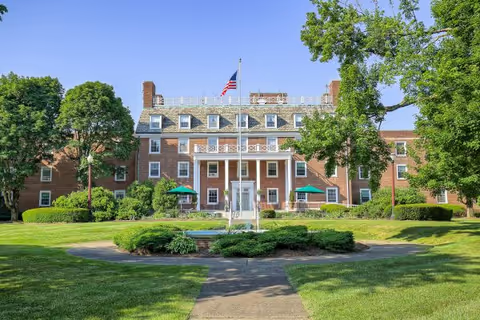
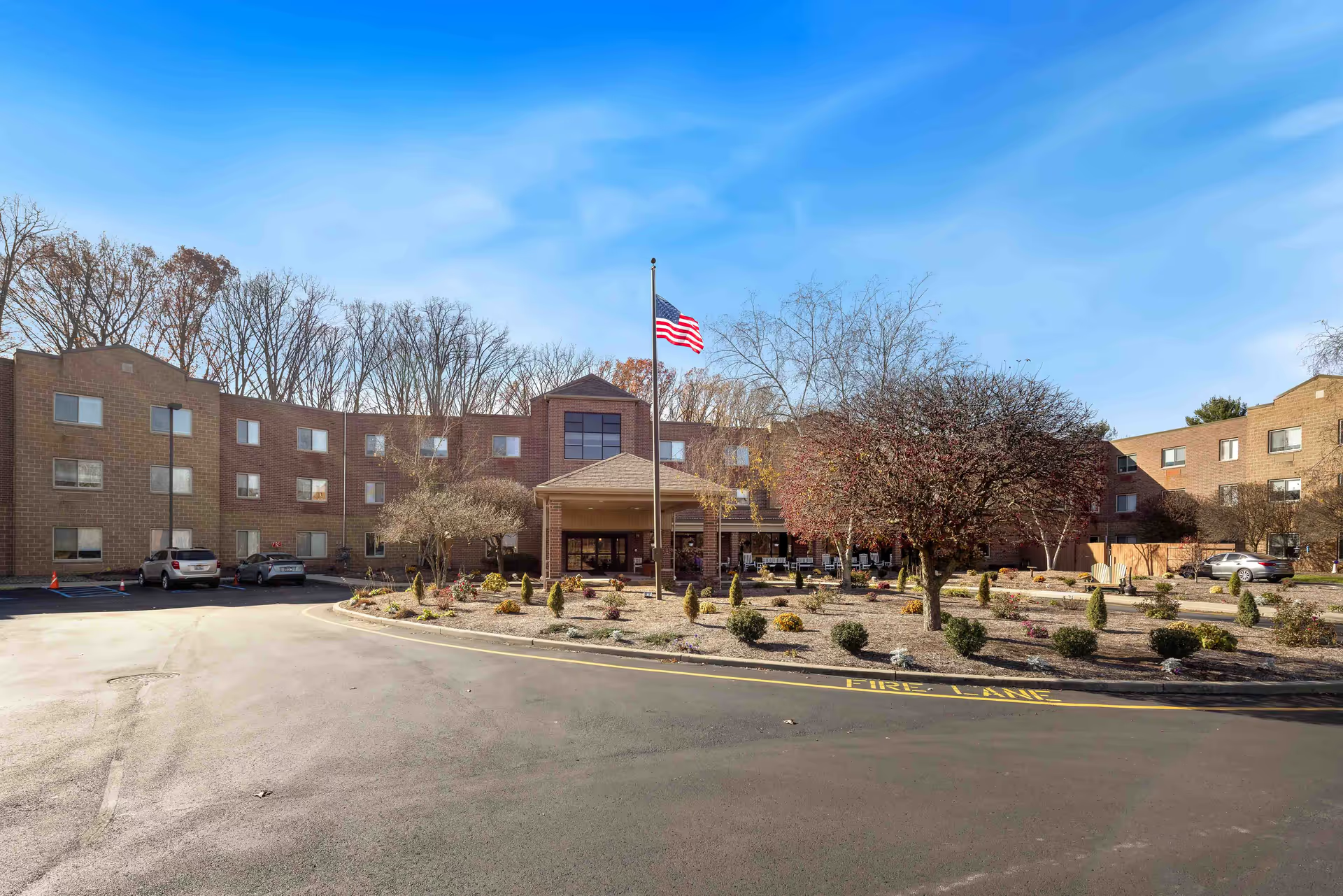
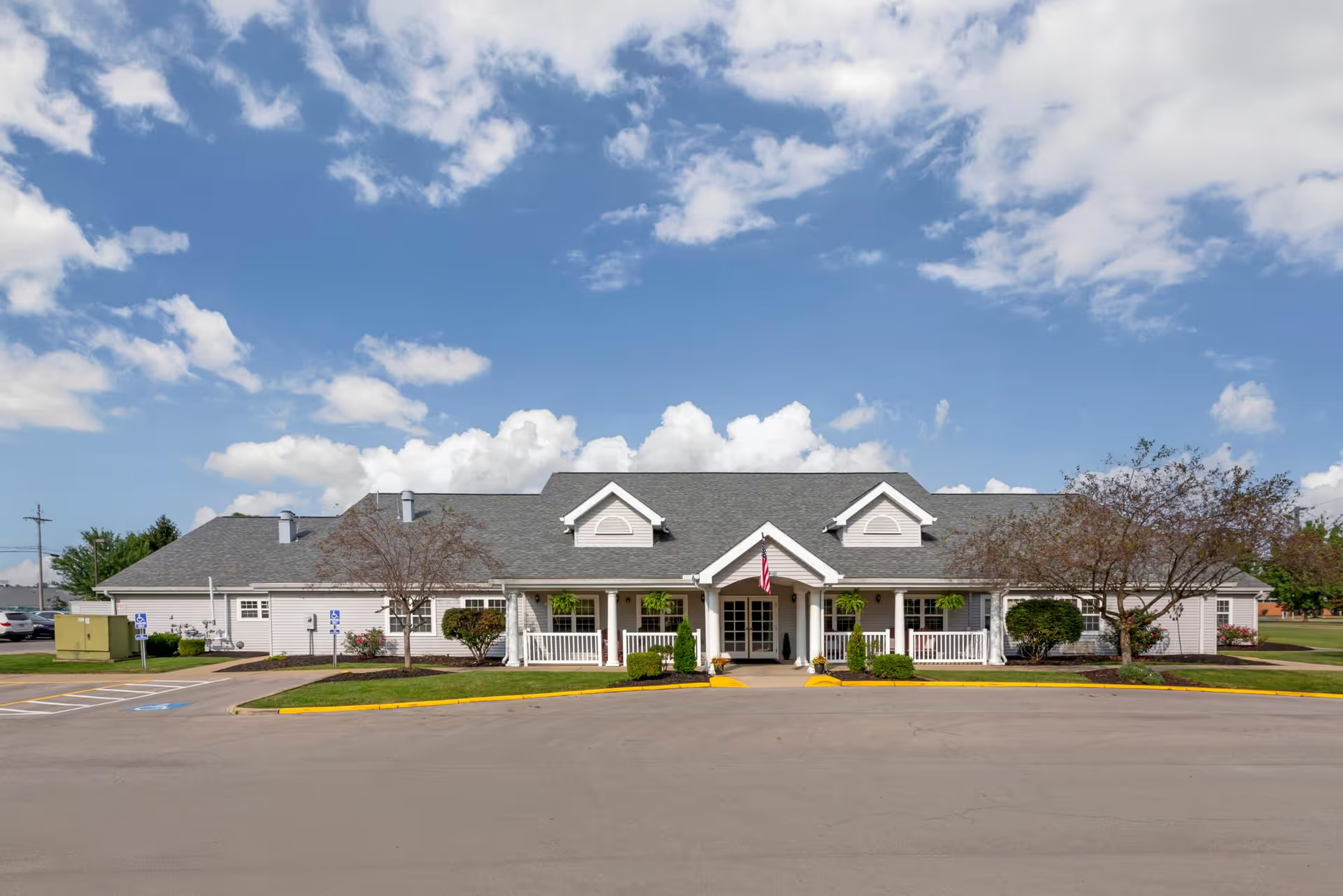
The facility’s physical plant and programming are clear strengths. Multiple reviewers highlight an aesthetically pleasing campus, well-appointed rooms, a pleasant library and common spaces, outdoor seating with a pond and gazebo, and a robust schedule of social and spiritual activities (bingo, game nights, music, church services, outings). Food-service staff receive positive mentions for friendliness; entertainment and outside-performance accommodations are described as excellent.
Management, administration, and cost generate divided impressions. Several families report positive admission and tour experiences and praise administrative responsiveness in some cases. Other reviewers describe challenging discharge coordination, difficulty obtaining timely physician access, privacy concerns, and perceptions that billing and insurance considerations influence care decisions. The facility is described as relatively expensive, and some families recommended careful review of financial and insurance arrangements before admission.
In summary, Shepherd of the Valley - Liberty presents a largely attractive, activity-rich environment with many staff members who deliver compassionate care. However, consistent themes—staffing shortages, slow responsiveness, variability in therapy and personal-care delivery, medication-communication issues, and concerns about care-coordination and billing—indicate uneven operational performance. Families considering this facility should arrange an in-person visit, ask targeted questions about staffing ratios and call-light response times, review care and transfer protocols, confirm therapy schedules and settings, and clarify billing and discharge procedures to ensure the facility’s operational practices align with the resident’s clinical and personal needs.