Reviews present a sharply mixed picture of care quality at this facility. Several families describe attentive, compassionate caregiving and a team that treats residents in a family-like manner; those accounts highlight engaging activity programming, regular personal-care routines (including daily bathing and medication administration), and proactive communication with families. Other accounts describe inconsistent clinical performance: delays in meeting resident needs, concerns about medication administration, and safety gaps associated with equipment availability and transfer practice. Overall, care quality appears variable with meaningful differences between individual staff and shifts.
Staff strengths and weaknesses are both prominent themes. Positive comments emphasize compassionate, committed staff and a supportive work culture in some units. However, staffing shortages and inconsistent training are recurrent operational issues, producing slower response times, supply shortfalls, and variability in staff conduct and competence. Families also described difficulties getting timely responses from administrative staff or front-desk personnel and noted instances in which communication tone and follow-up were unsatisfactory.
Dining and daily care descriptions are mixed. Some reviewers praised routines that keep residents engaged and cared for, while others raised sanitation and meal-service continuity concerns—examples include spilled meals on walls and general cleanliness issues in dining and common areas. Linen and supply management problems were also mentioned, which can affect personal comfort and hygienic presentation.
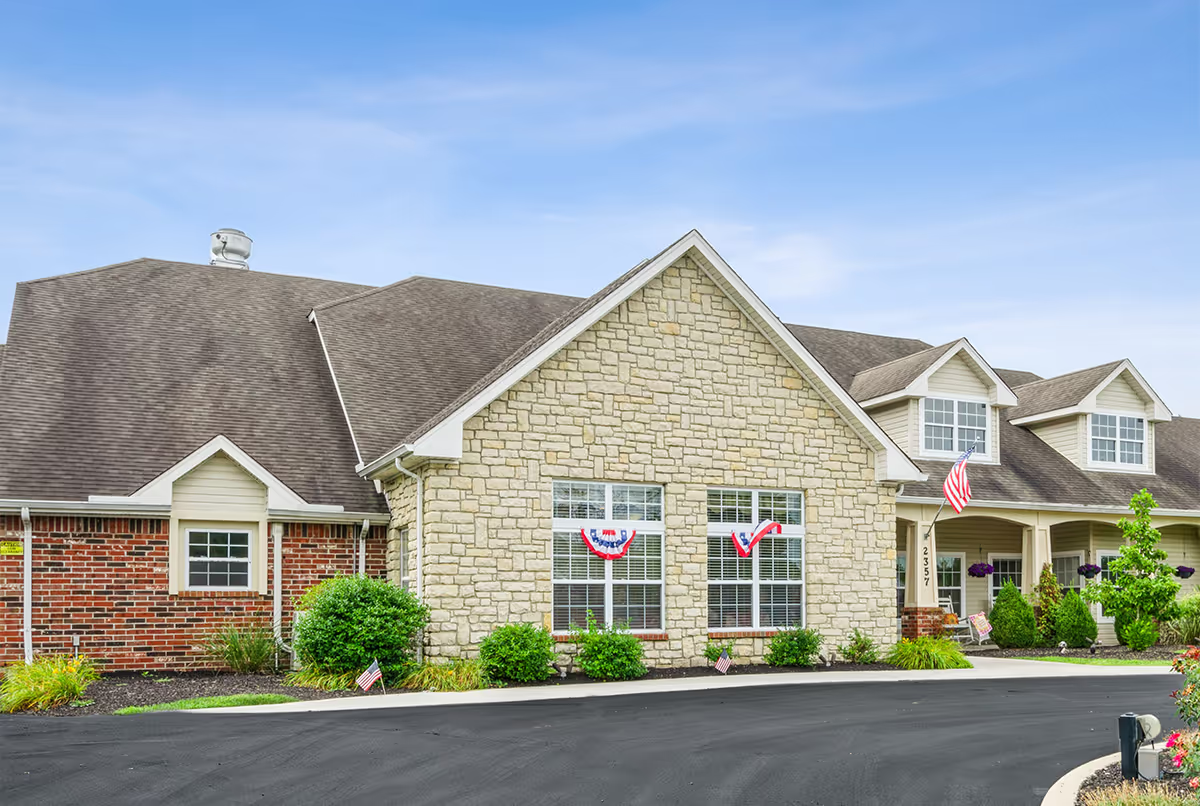
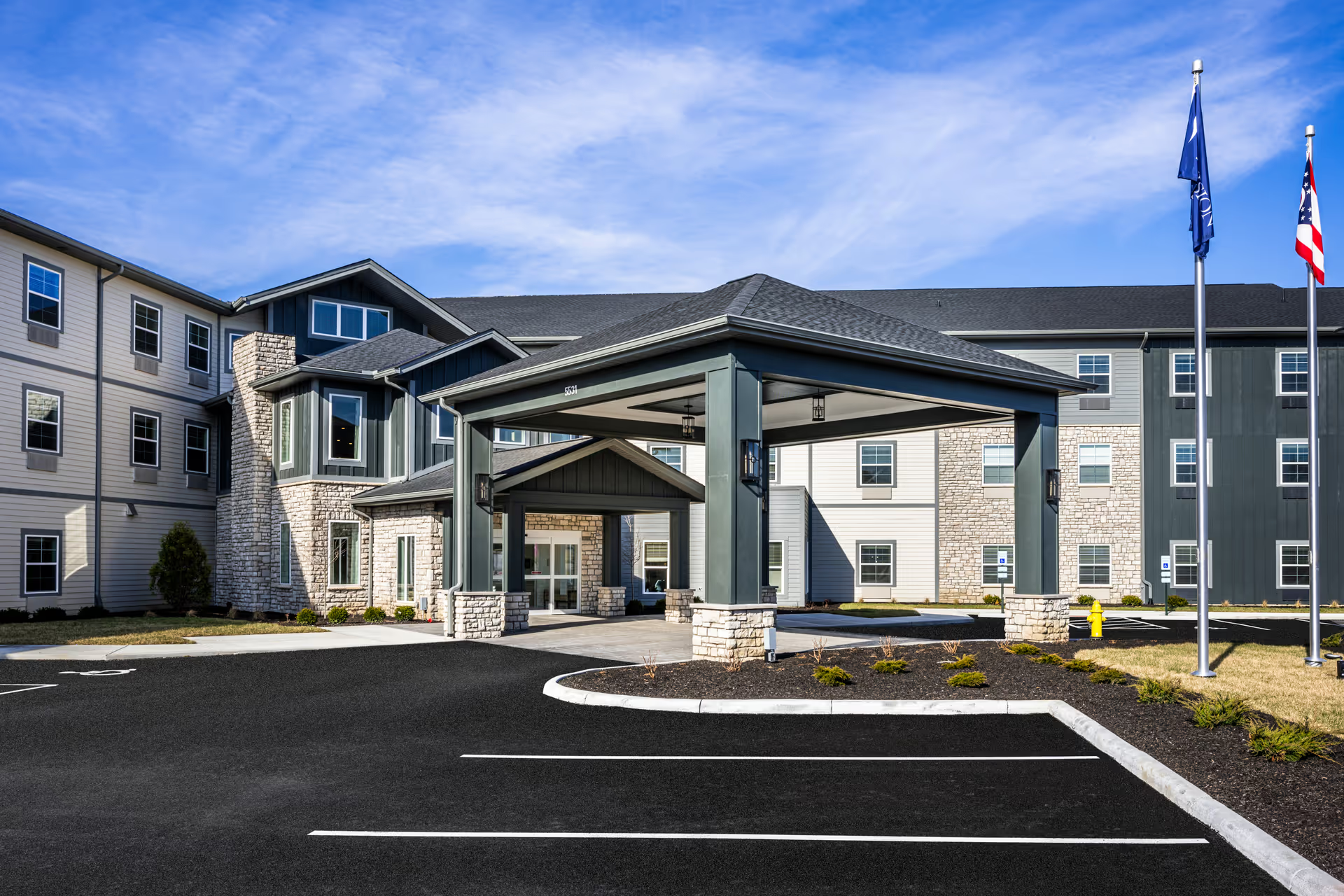
Activities and social programming are among the more consistent positives: several accounts describe an active schedule that keeps residents busy and engaged. Facilities-related feedback is more divided. A portion of reviewers praised renovated or updated areas, but others described an aging building with deferred maintenance, cramped rooms with limited privacy, noticeable odor concerns in common areas, and an overall worn appearance in some units. These contrasting impressions suggest the physical condition may vary across wings or floors.
Management and policy concerns recur across reviews. Families reported unresponsive or inconsistent administrative communication, frustration with discharge or placement decisions, and perceptions that ownership and leadership could be more engaged. There are specific mentions of residents being discharged rather than issues being resolved, indicating potential gaps in grievance resolution and placement policy consistency. One review referenced concerns following a resident's death; that account contributes to heightened family scrutiny of communication and end-of-life processes.
Notable patterns: experiences are highly polarized—some families characterize the facility as a preferred skilled-nursing option because of compassionate staff and good programming, while others left quickly due to cleanliness, safety, staffing, and communication problems. For prospective residents and families this suggests the importance of an on-site visit that inspects room size and privacy, observes staffing levels at various times of day, asks about medication and transfer-safety protocols, and reviews housekeeping and maintenance procedures. Documentation of staffing patterns, incident-response processes, and family-communication practices may help clarify whether the facility’s strengths align with an individual resident's needs.