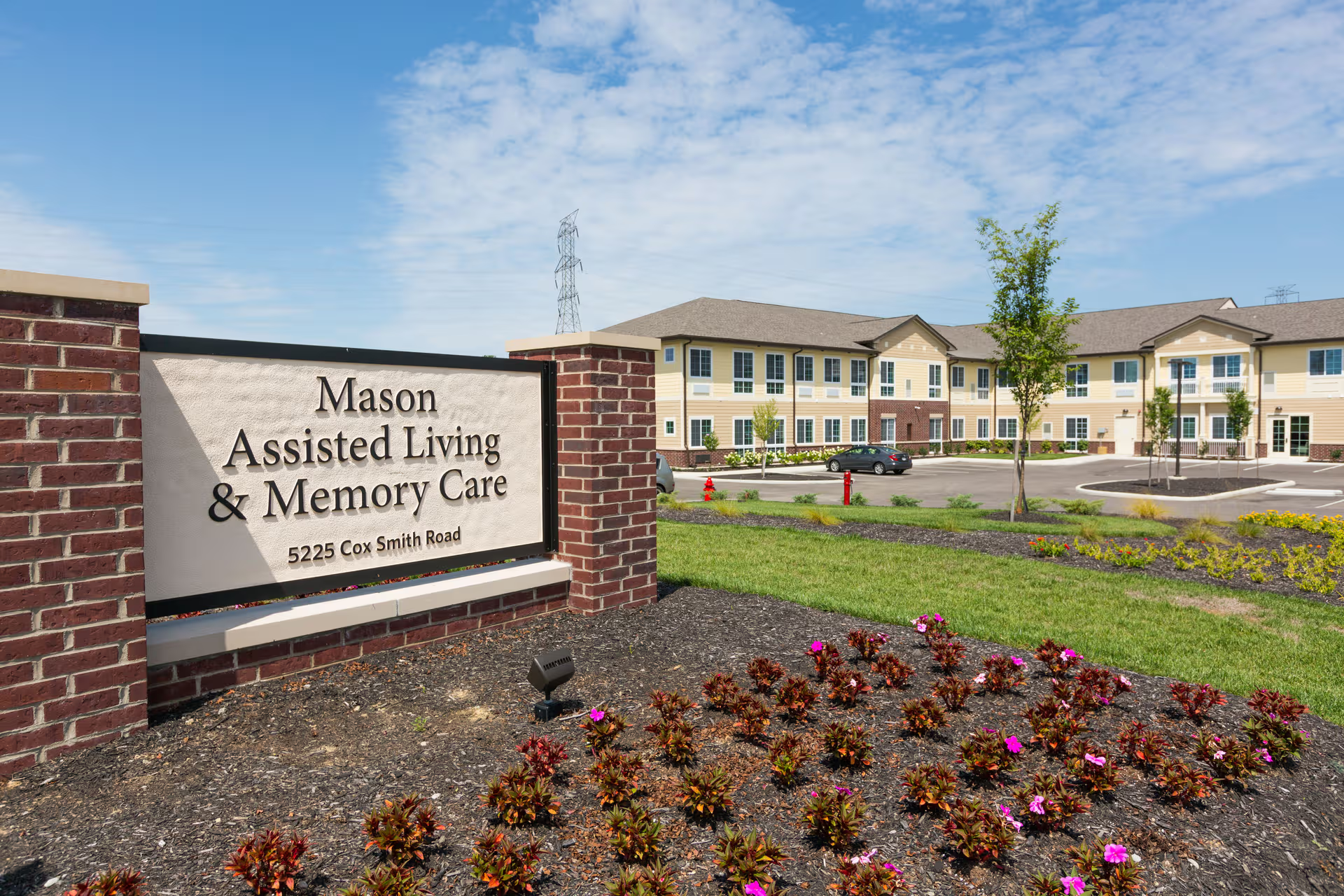
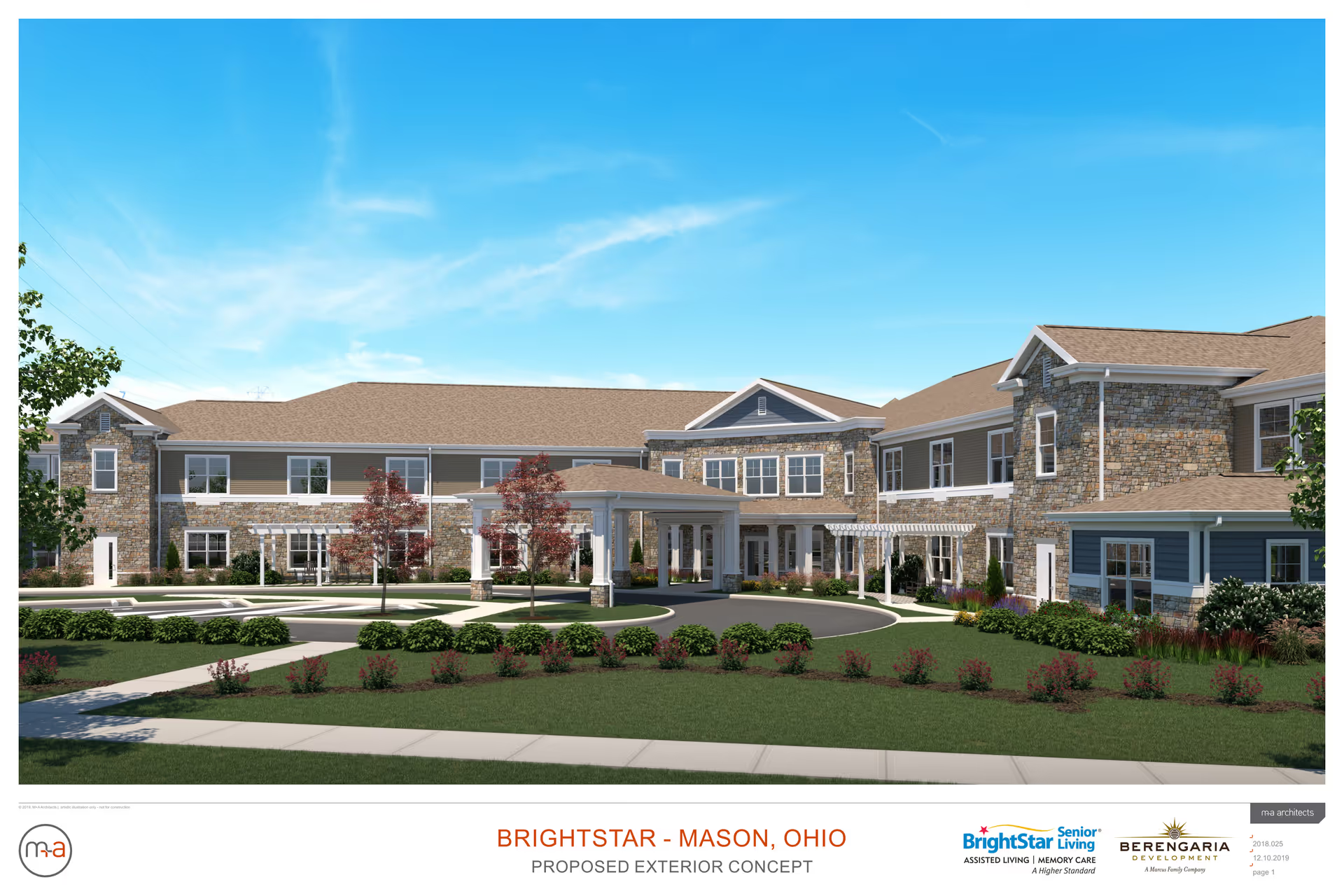
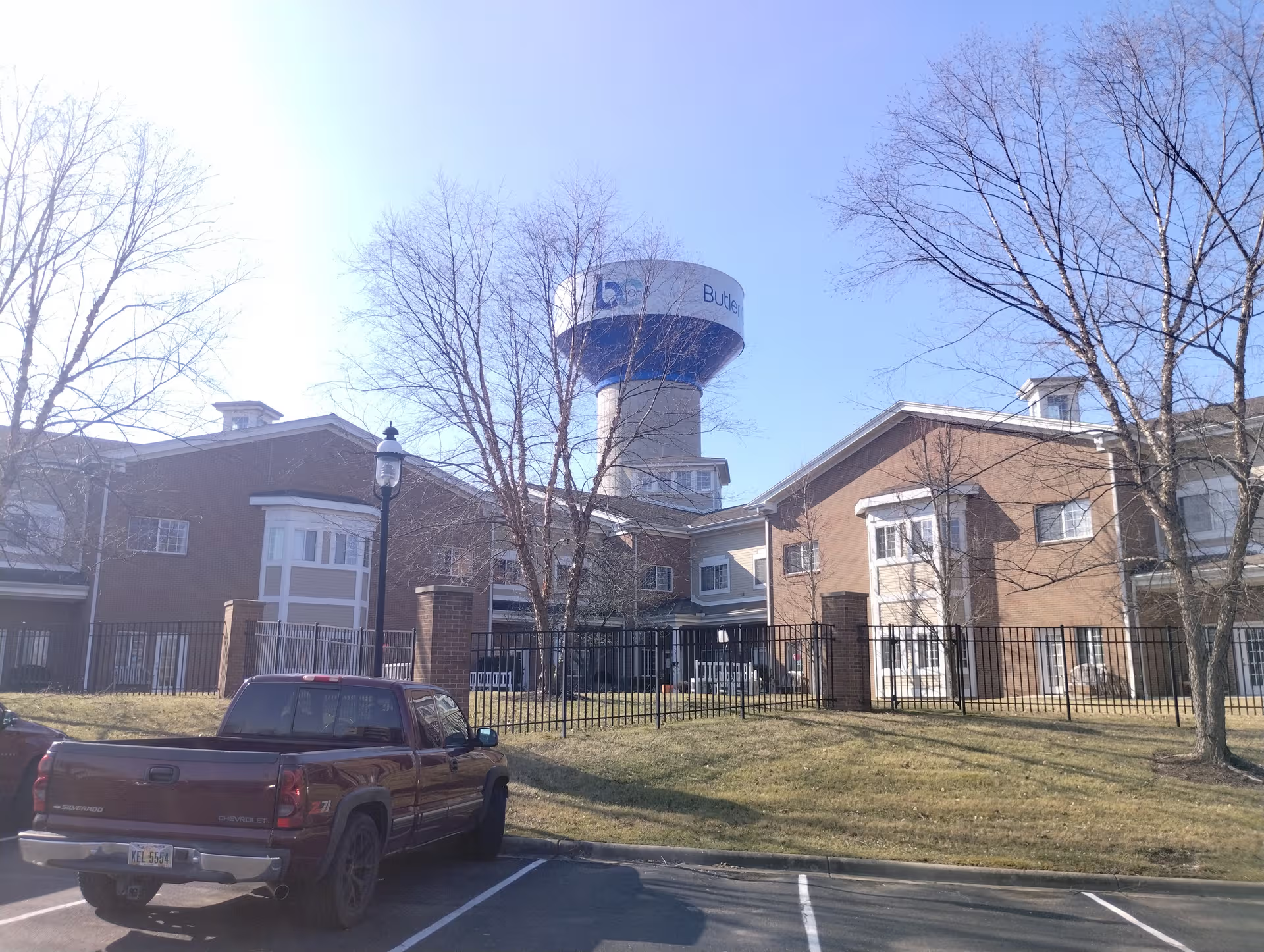
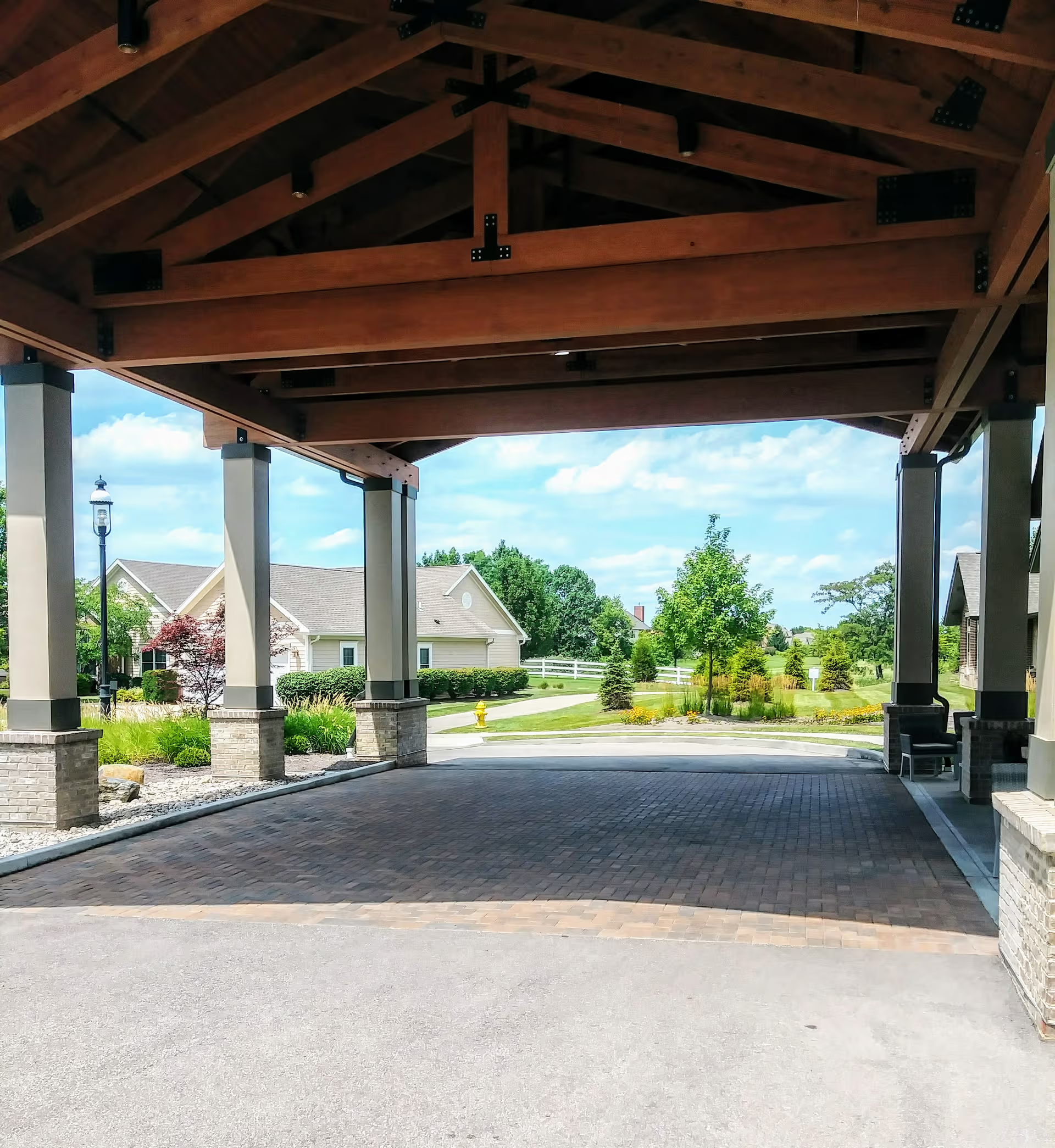
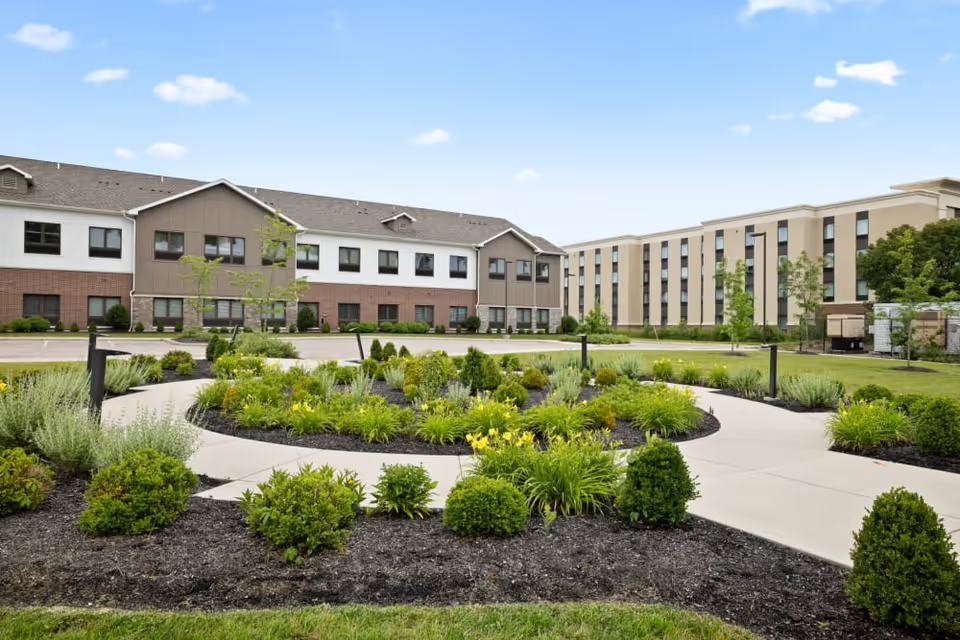
The reviews present a mixed but coherent picture: many families and residents praise Mason Health Care Center for its compassionate staff, robust rehabilitation services, and a clean, community-oriented environment, while a subset of experiences point to operational weaknesses that can affect clinical reliability and day-to-day comfort. The facility is repeatedly described as a small, nonprofit center close to the community with strengths in admissions/discharge processes, therapy, housekeeping, and activity programming. These strengths appear particularly pronounced for short-term rehab stays and for families who prioritize a homelike, intimate setting.
Care quality shows a dual pattern. Numerous comments highlight attentive bedside nursing, effective therapy teams, and personalized dementia support that helped residents return home after rehab. At the same time, multiple accounts indicate gaps in clinical monitoring and timely response: delays in recognition or treatment of infections, concerns about pressure-injury prevention, and complaints about emergency-response timeliness. Reviewers also describe variability in the competency and continuity of direct-care staff, frequently linked to reliance on agency personnel. These patterns suggest solid baseline clinical capability but uneven performance during periods of high demand or when staffing depends on temporary hires.
Staff and management receive generally positive feedback for professionalism, empathy, and teamwork; administrative personnel and specific staff members are singled out as helpful for insurance coordination and discharge planning. However, families note inconsistent responsiveness to call lights and requests—especially overnight—and uneven follow-through on tasks such as arranging outside medical appointments. Several reviews describe property-management issues (missing personal items) and odor or sanitation concerns in parts of the building, indicating areas where operational controls and environmental maintenance may be inconsistent.
Dining and direct-care assistance also show variability. Many reviewers describe adequate or improving meals and supportive dining staff, while others report mediocre food quality and insufficient assistance with feeding for residents who require spoon-feeding or additional support. For prospective residents who need significant mealtime help, this variability is an important consideration.
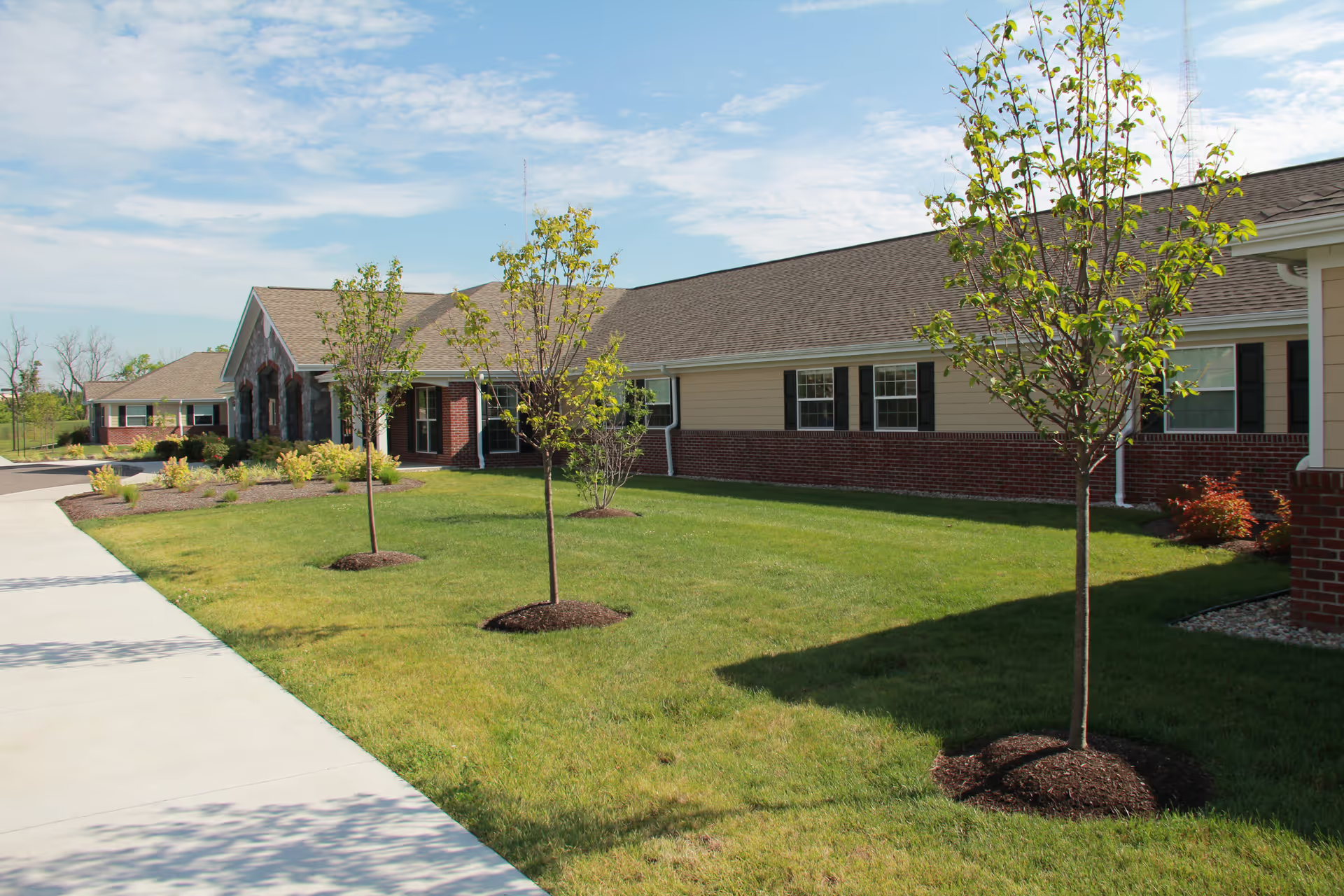
Activities and facilities are frequent positives: the center is described as clean, bright, and well-maintained with an engaging activities program, private showers, large rehab rooms, and a park-like neighborhood setting. The therapy gym and rehabilitation spaces receive consistent praise, as do housekeeping and the overall homelike atmosphere. At the same time, some families observed reduced access to in-room amenities during isolation periods and variable night coverage, which can affect resident comfort and engagement.
Notable patterns for prospective residents and families: the facility provides strong rehabilitation, a caring culture among regular staff, and effective administrative support for short-term stays. Conversely, there are recurring operational concerns—chiefly staffing shortages, variability tied to agency nurse use, inconsistent responsiveness (particularly at night), and gaps in clinical monitoring and infection management. There are also isolated but serious allegations of clinical incidents and subsequent legal action that indicate the need for careful due diligence. Families considering Mason Health Care Center should confirm current staffing levels and agency use, ask about infection-control and isolation procedures, observe call-response practices, and clarify personal-property safeguards and night-shift coverage before placement.