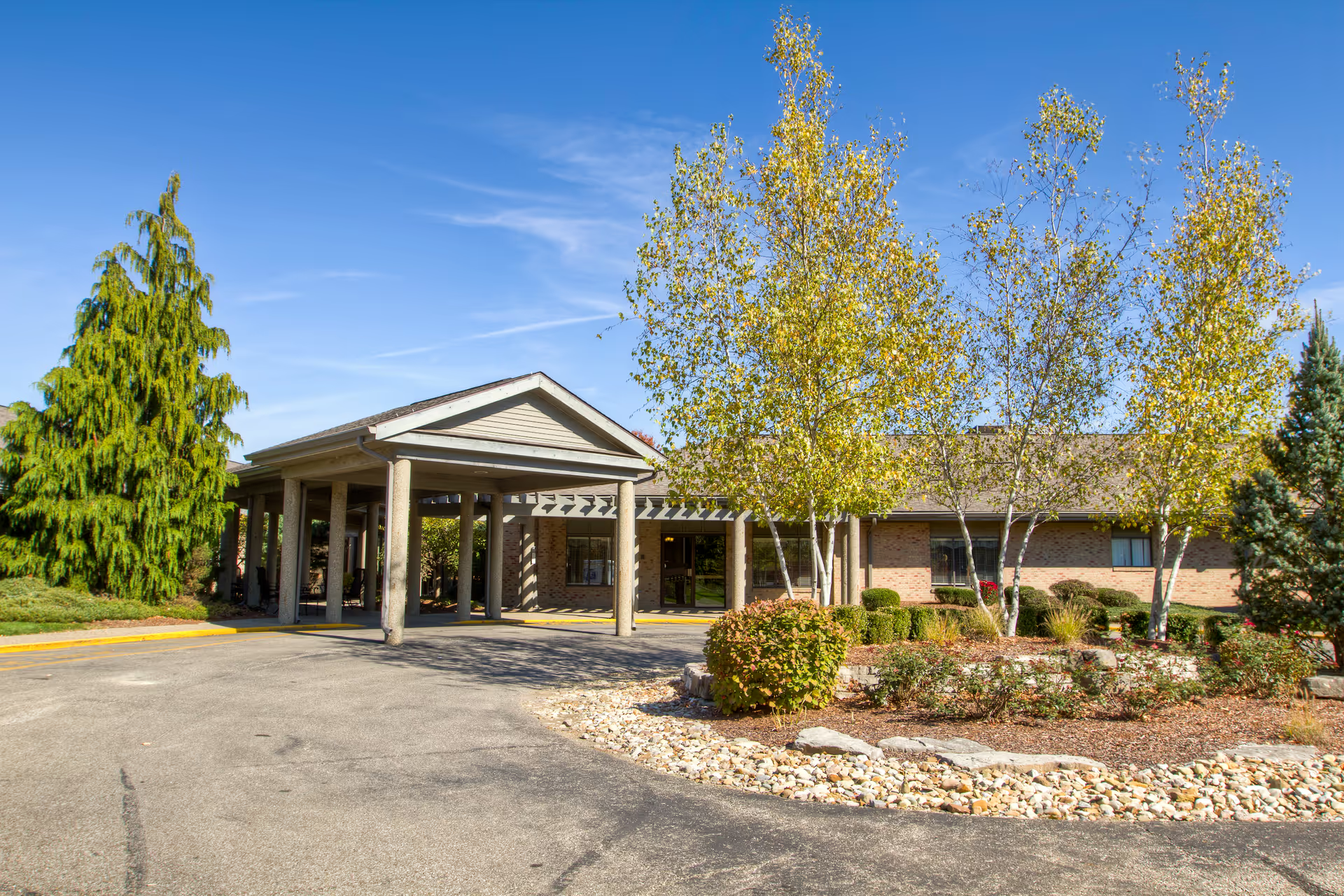
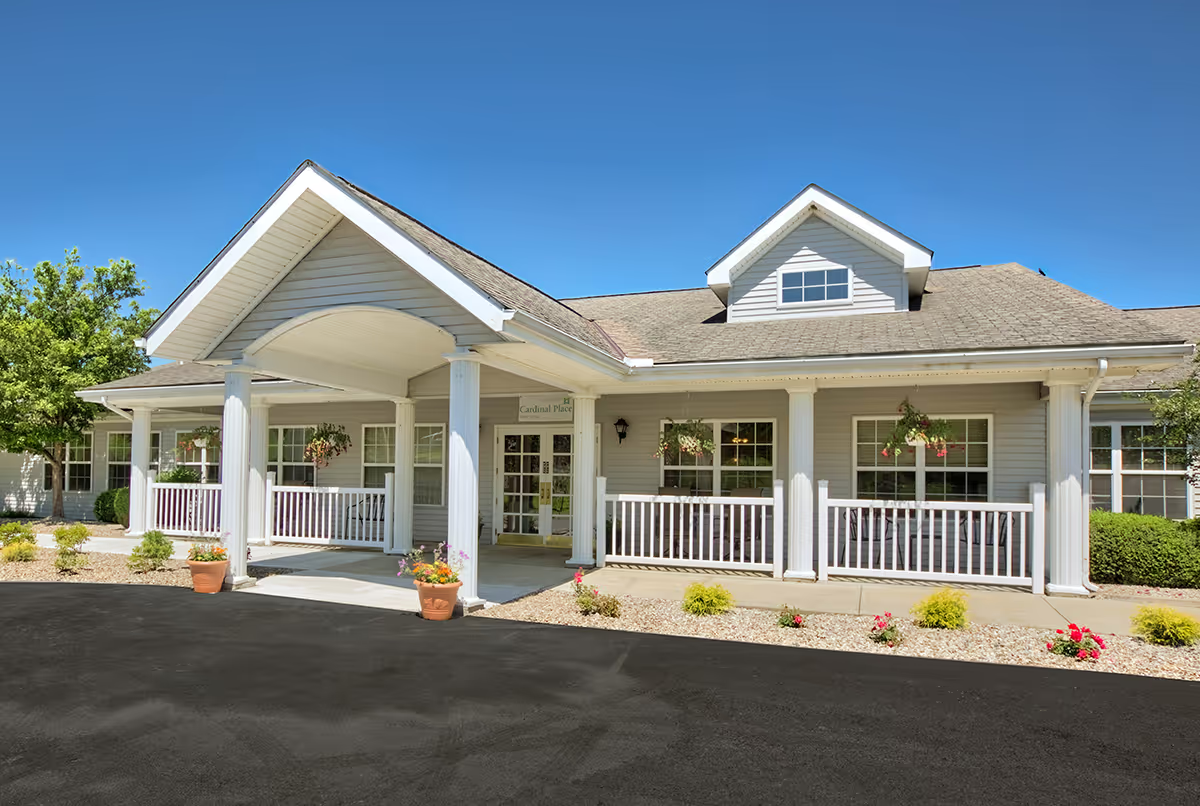
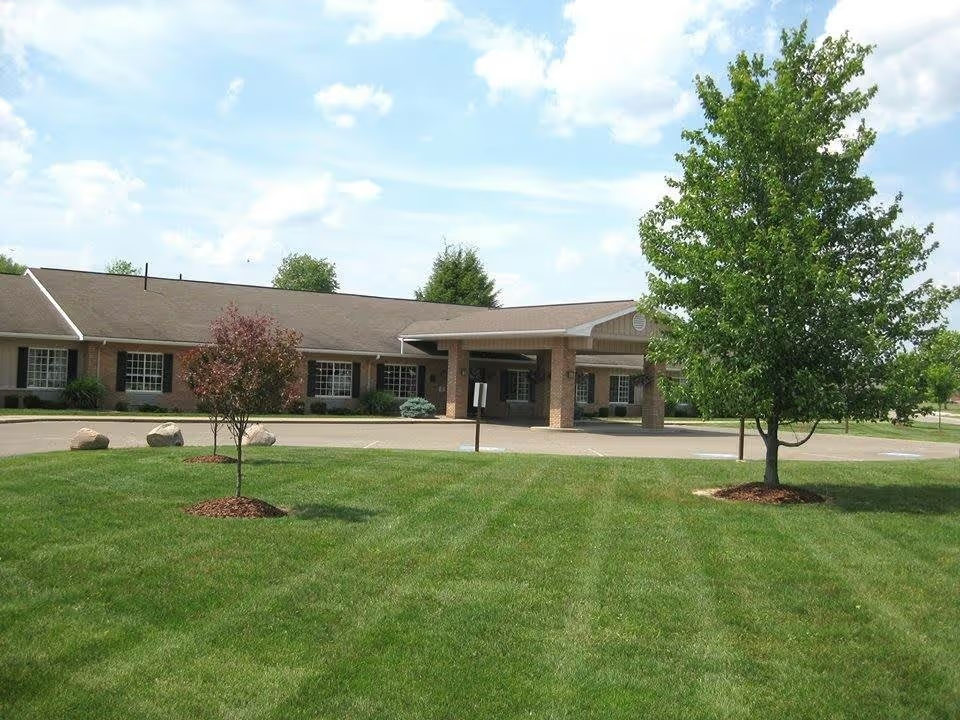
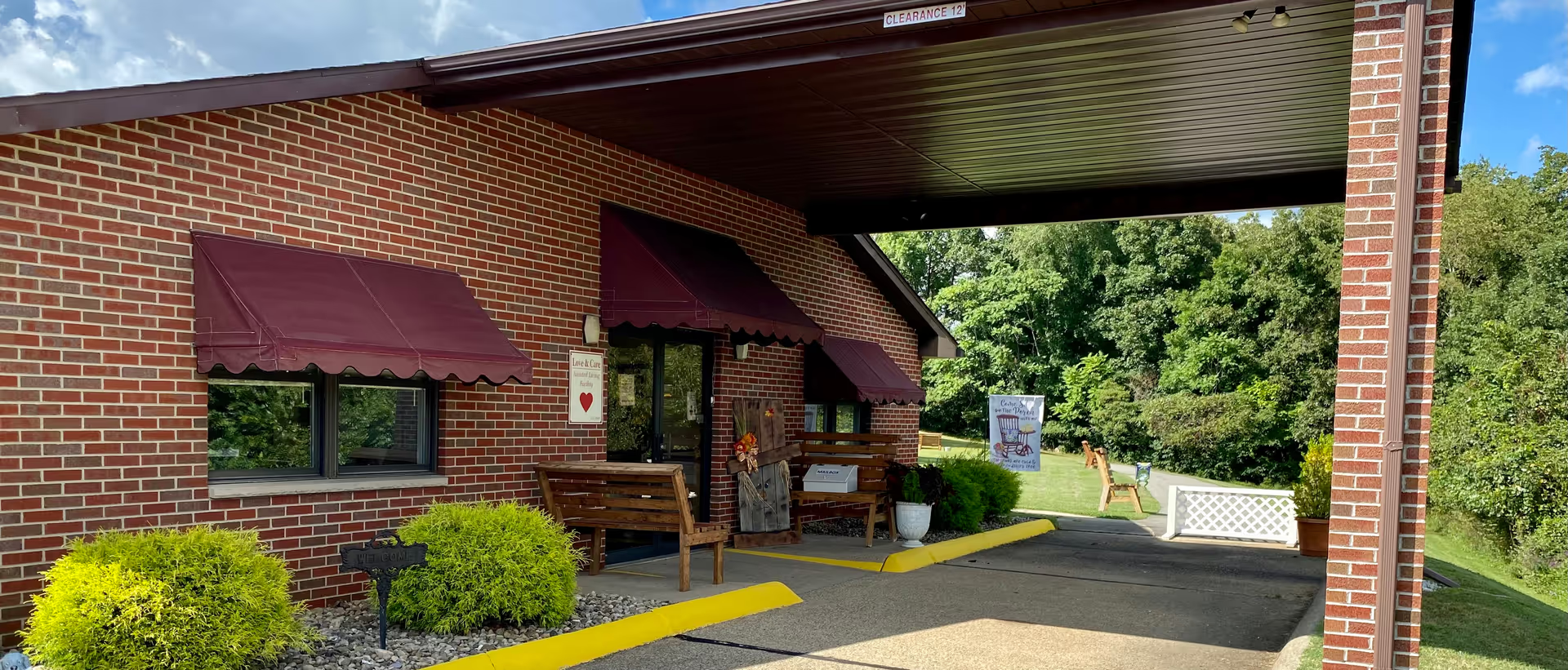
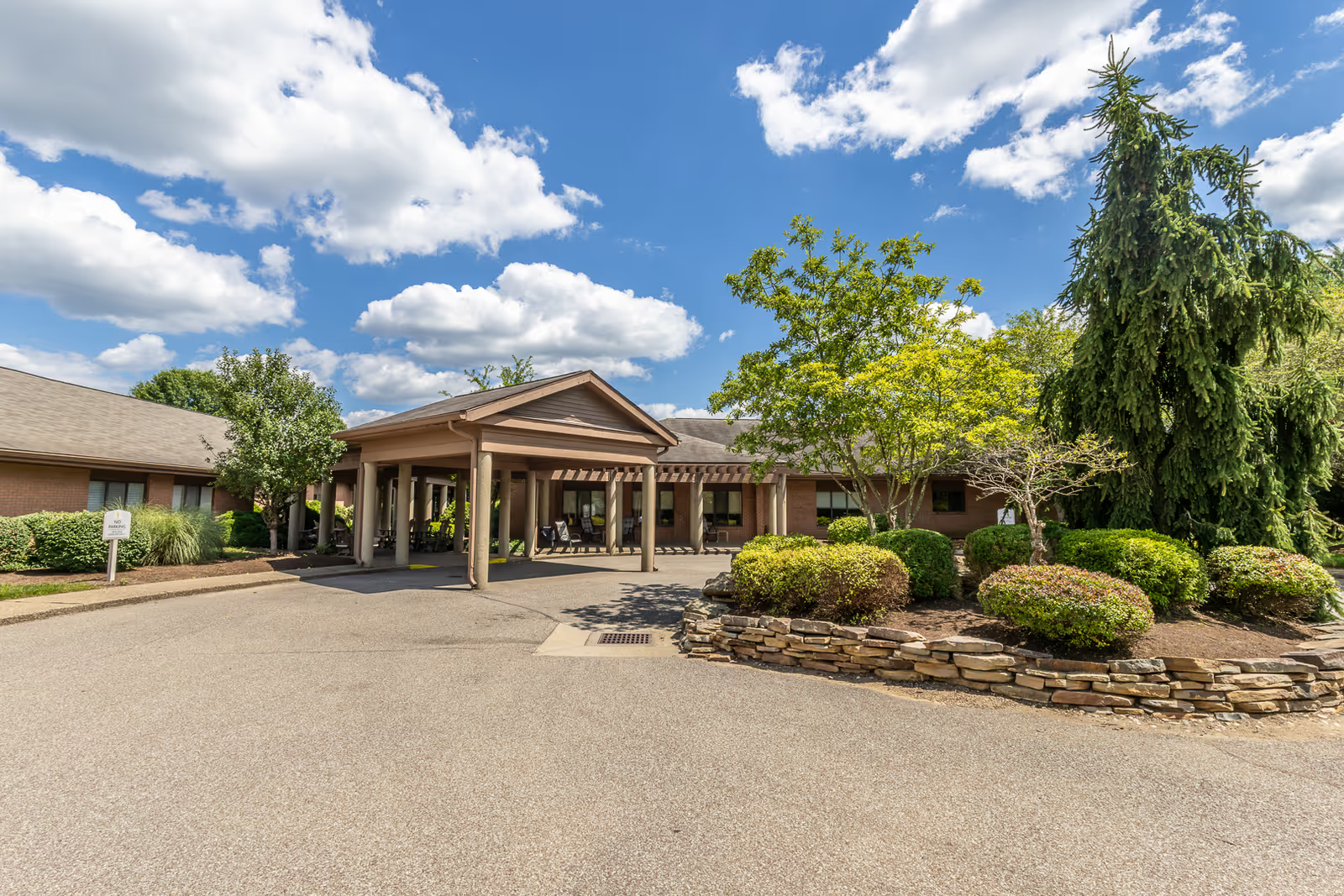
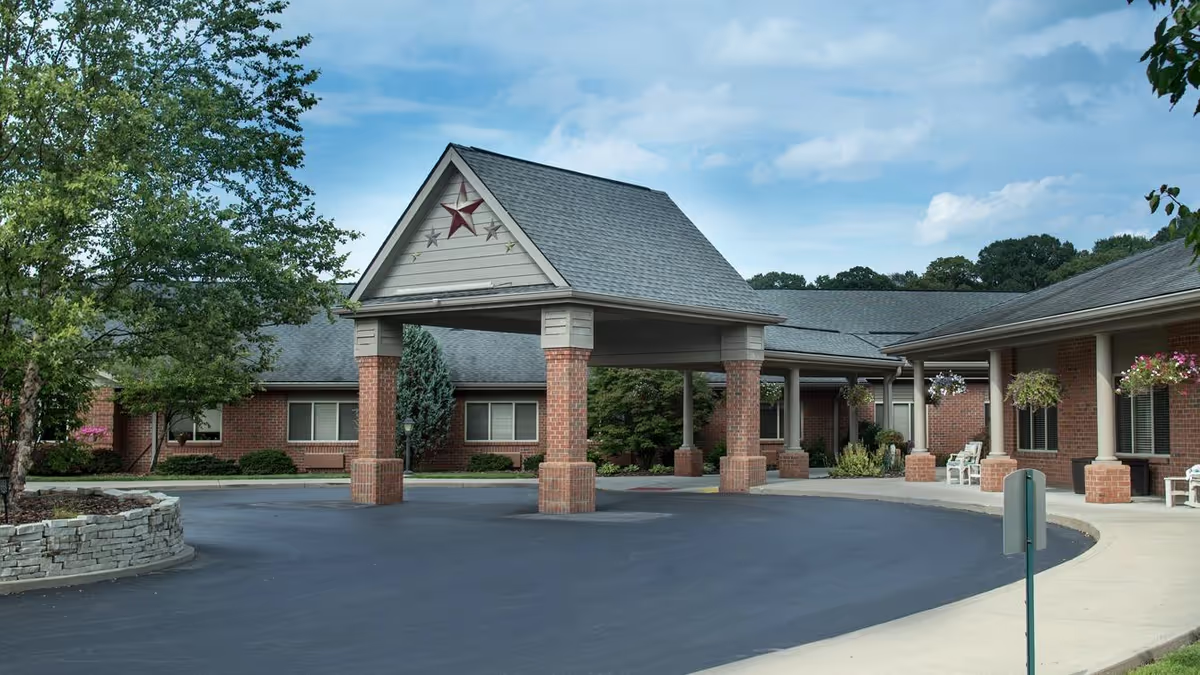
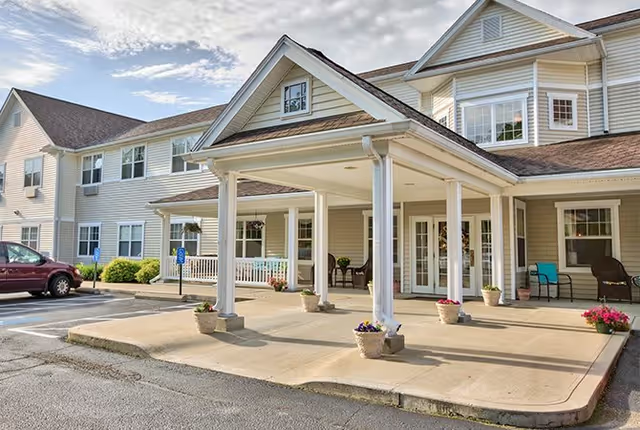
The reviews for Highland Oaks Health Center present a mixed picture: many families praise the facility for compassionate caregivers, active programming, and a welcoming, family-like atmosphere, while others raise operational and safety concerns that merit attention. Positive comments consistently highlight warm, attentive staff — from front-desk and intake personnel to nurses, aides, therapists, and dietary teams — and several reviewers describe strong rehabilitation support, effective hospice services, and staff who make extra efforts for residents. The facility’s activity programing and memory-care offerings are frequently noted as engaging, and communal areas such as a private lounge and dining hall receive favorable remarks.
Care quality appears to vary by shift and unit. Numerous accounts praise the clinical and rehabilitative teams as supportive and patient-focused, and many families report good overall care, cleanliness in much of the building, and an environment that gives them peace of mind. At the same time, there are recurring concerns about inconsistent staffing levels, particularly overnight, which reviewers link to delays in assistance and supervision gaps. Several reviews describe instances that suggest weaknesses in the facility’s clinical-incident response and family notification processes; improving handoff procedures and nighttime staffing could address these patterns.
Dining and activity offerings are polarizing. Multiple reviewers compliment the daily menu, portion sizes, and the dietary team’s willingness to accommodate requests, with some specific meals earning strong praise. Conversely, other reviewers describe intermittent shortages, inconsistent food quality, and an overall poor dining experience; this points to variability in kitchen operations or supply-chain management rather than an absence of capacity for good meals. Activity programming and social engagement are overall strengths, contributing to a sense of community for many residents.
Facility and sanitation feedback is similarly mixed. Many families describe a clean, well-maintained facility and attractive recent renovations, but others report odor concerns in certain common areas and cite incontinence-care and laundry/process issues. These localized sanitation concerns and room-size constraints for shared occupancy suggest operational gaps in housekeeping, laundry logistics, and room allocation policies that could be addressed through targeted quality-control measures.
Management and administrative areas show strengths in admissions, social work, and finance interactions: reviewers frequently commend helpful intake staff and a supportive social-worker presence. However, there are notable concerns about privacy and confidentiality processes, including an allegation of a privacy breach and negative staff remarks about a resident, as well as an allegation of missing resident funds. These serious claims, alongside patterns of inconsistent communication with families and occasional staff unavailability, indicate a need for strengthened privacy protocols, financial safeguards, and clearer family-notification procedures.
Overall, Highland Oaks demonstrates clear strengths in staff compassion, community-building, therapy services, and parts of its dining and activities programs. At the same time, recurring themes — inconsistent staffing, gaps in nighttime supervision, privacy/confidentiality vulnerabilities, sanitation and incontinence-care issues in some areas, and variability in meal-service quality — point to operational areas for improvement. Prospective residents and families should weigh the facility’s strong interpersonal culture and rehabilitative resources against these operational concerns and consider asking administrators about staffing ratios (especially overnight), privacy and valuables policies, incident-notification procedures, housekeeping and laundry protocols, and recent actions taken to address the specific issues noted by families.