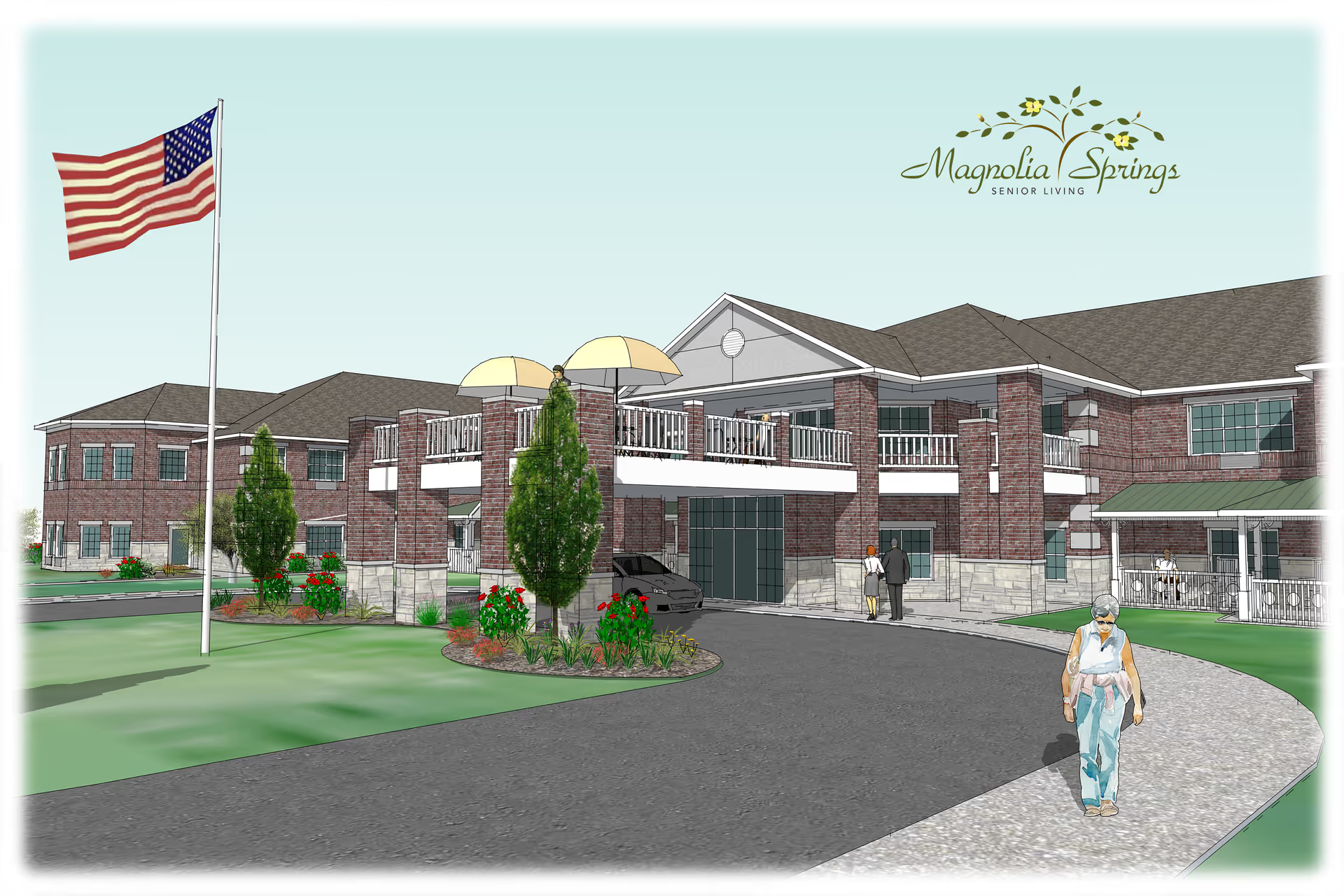
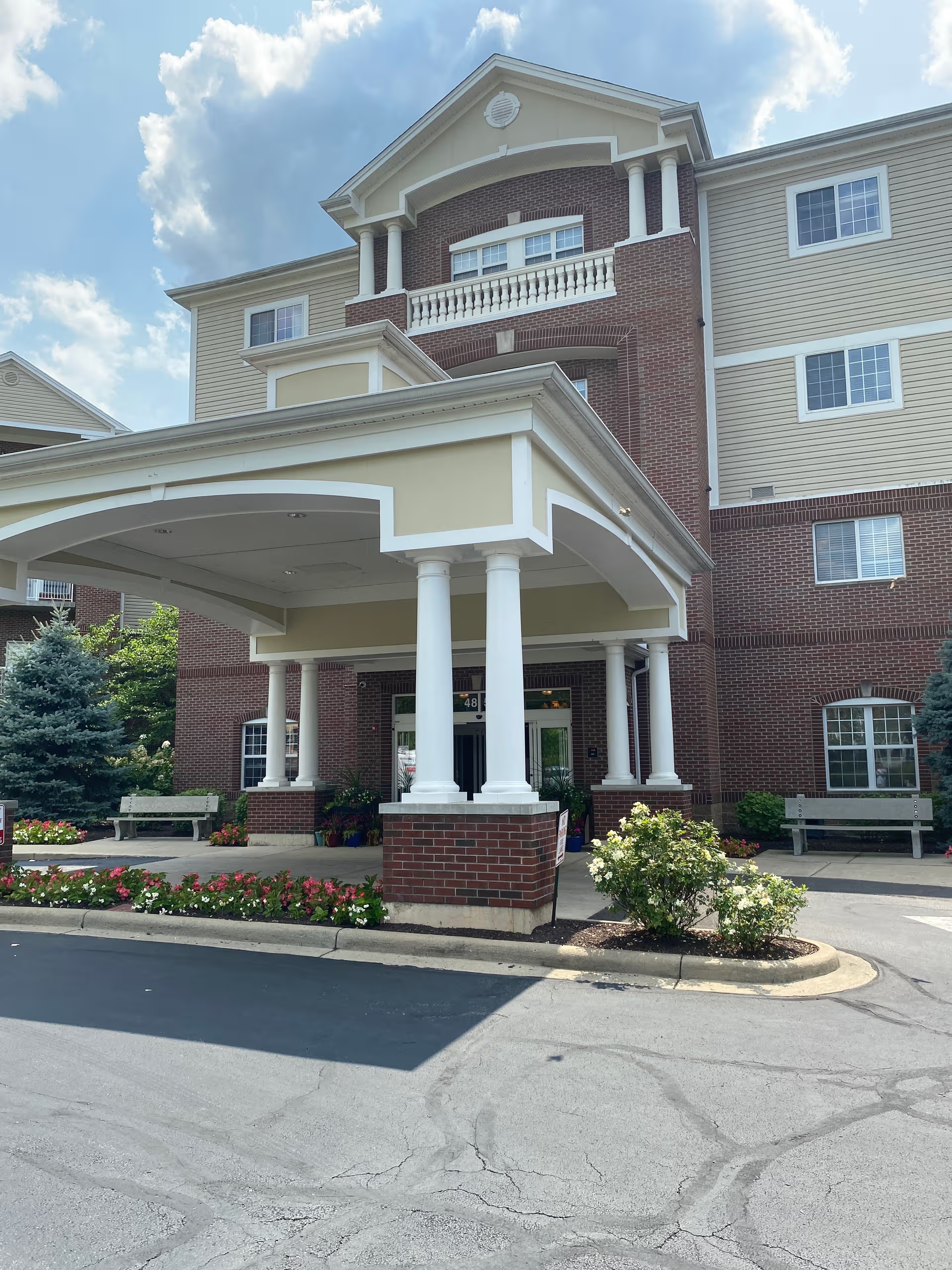
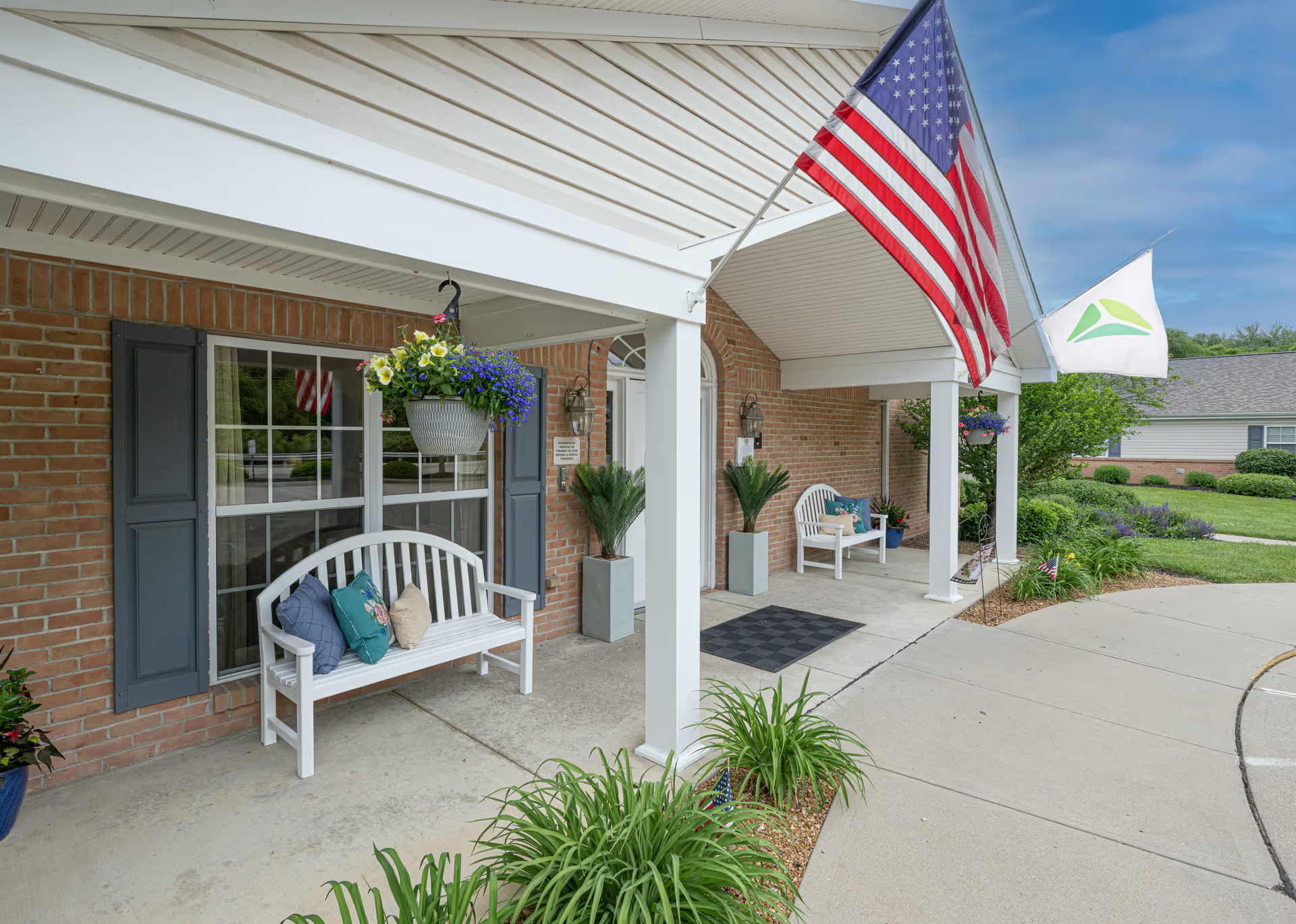
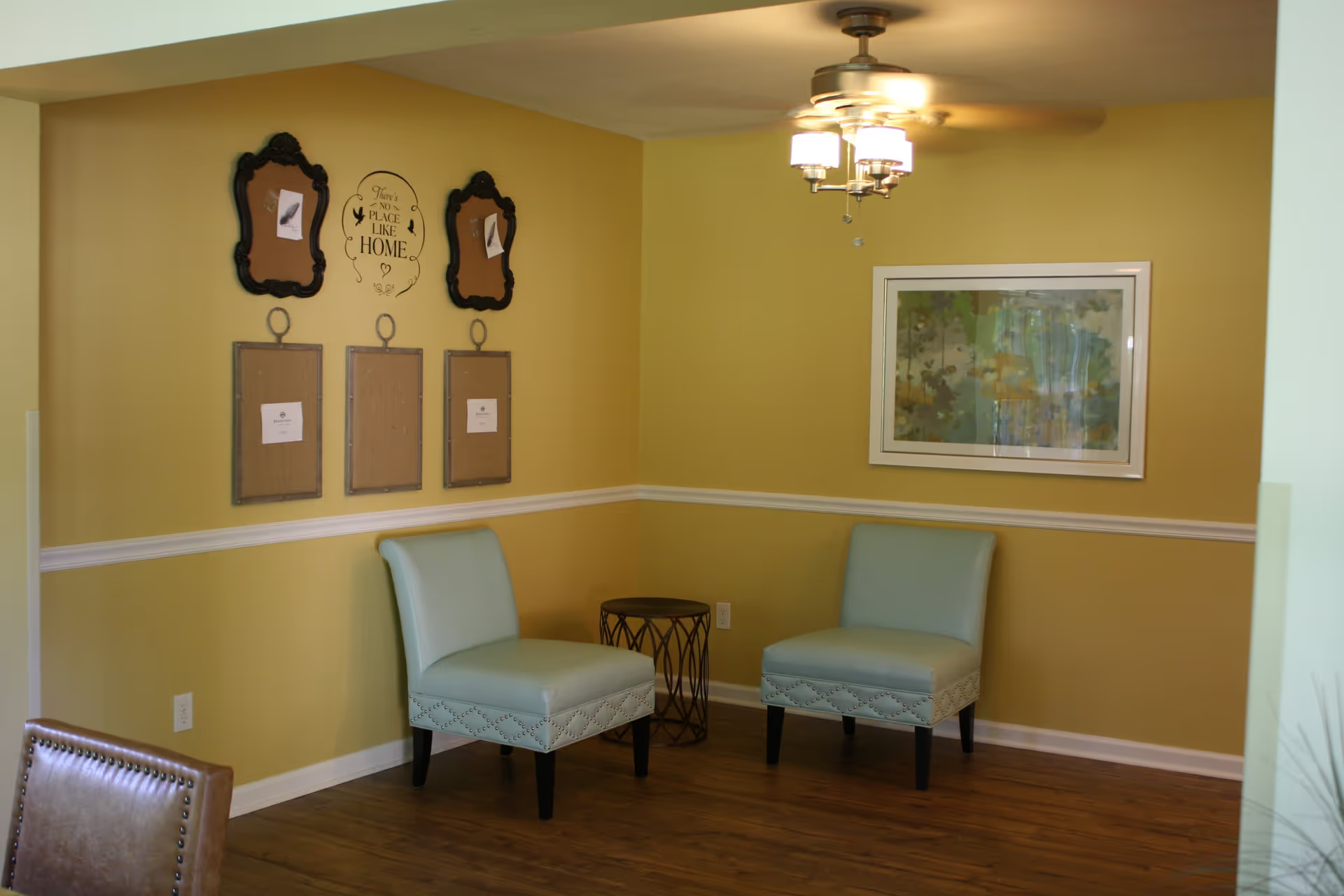
Overall impression: SEM Haven presents as a rehab-oriented senior living community with several clearly articulated strengths alongside recurring operational concerns. Many accounts praise the facility's rehabilitation services, private-room design, pleasant common areas, and an engaged activities program. Families and residents frequently describe nursing and therapy staff as clinically capable and compassionate, and they highlight proactive discharge planning and useful home-visit therapy follow-up. The campus amenities — screened porch, fenced yard, cafe, gym, and social layout — support interaction and small-group programming; the presence of resident animals is noted as a positive element for community atmosphere.
Care and clinical services: Rehabilitation and therapy emerge as a core strength. Reviewers note a well-equipped therapy program, encouraging therapists, and successful outcomes in physical recovery. Nursing staff receive mixed but often favorable comments for clinical knowledge and responsiveness; individual caregivers and therapists are singled out for positive attention. However, there are recurring concerns about clinical oversight in specific instances, including medication-management practices and timeliness of responses for some residents. Prospective families should ask about current staffing ratios, oversight protocols, and medication-safety procedures when evaluating clinical reliability.
Staffing and management: Staffing reliability and staff conduct are a recurring theme. Many reviews describe attentive, compassionate, and skilled staff, while others describe inconsistent professionalism, variable customer-service tone, and coverage gaps that can produce delayed responses to call lights or needs. There are also comments implying uneven supervision and follow-up in certain units. Management strength is reflected in examples of proactive family communication and individualized discharge planning, but reviewers also cite communication shortfalls at times; clear answers about escalation pathways, staff supervision, and turnover trends are advisable during a visit.
Dining and activities: Dining is generally described positively, with accommodating menus and pleasant meal experiences for many residents; some reviewers, however, report inconsistent food quality depending on shift or timeframe. Activities programming appears robust, with card games, puzzles, walking groups, concerts, family nights, and outings frequently mentioned. The facility's physical layout and communal spaces support socialization and small-group engagement, and on-site amenities such as a cafe and gym add to quality-of-life offerings.
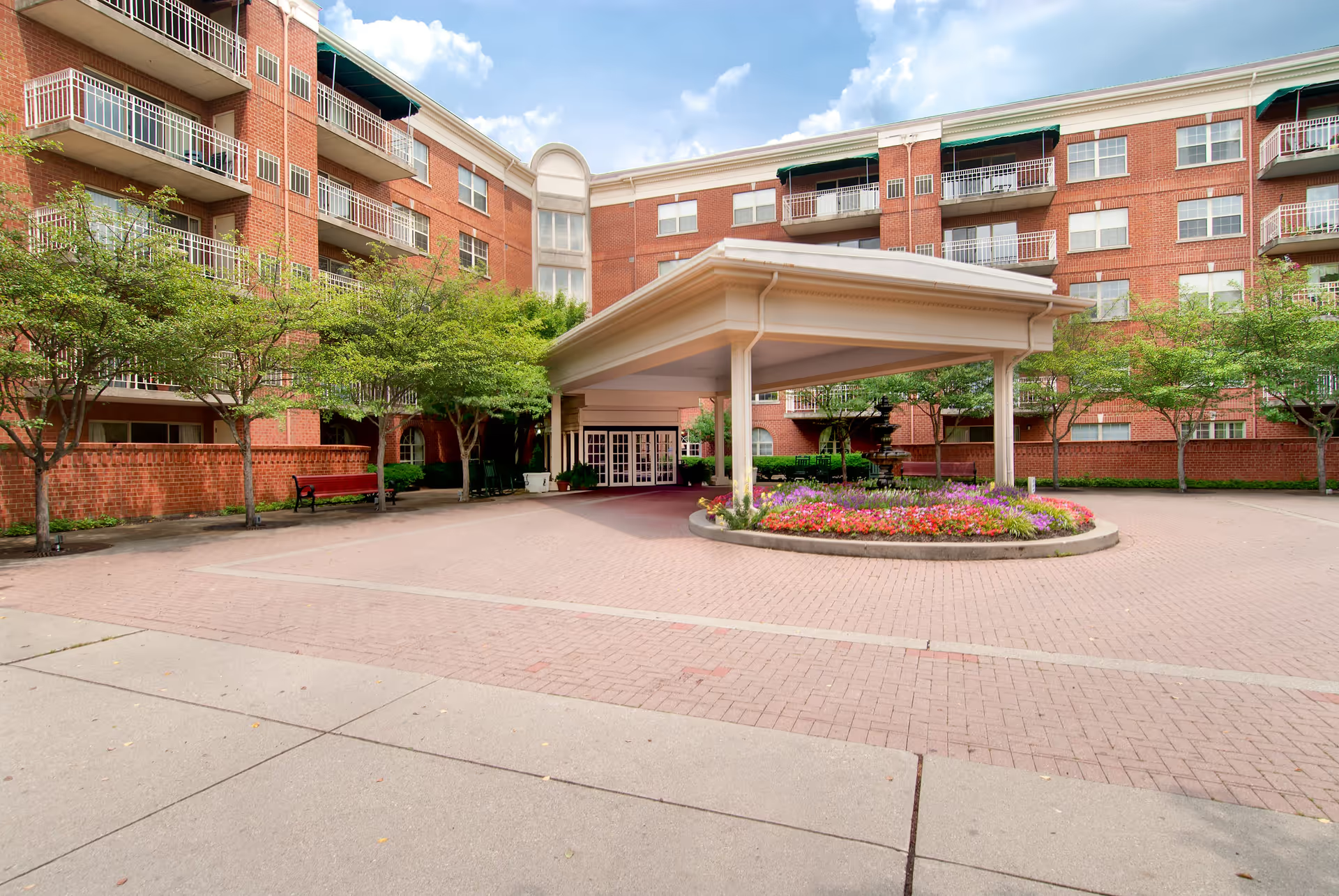
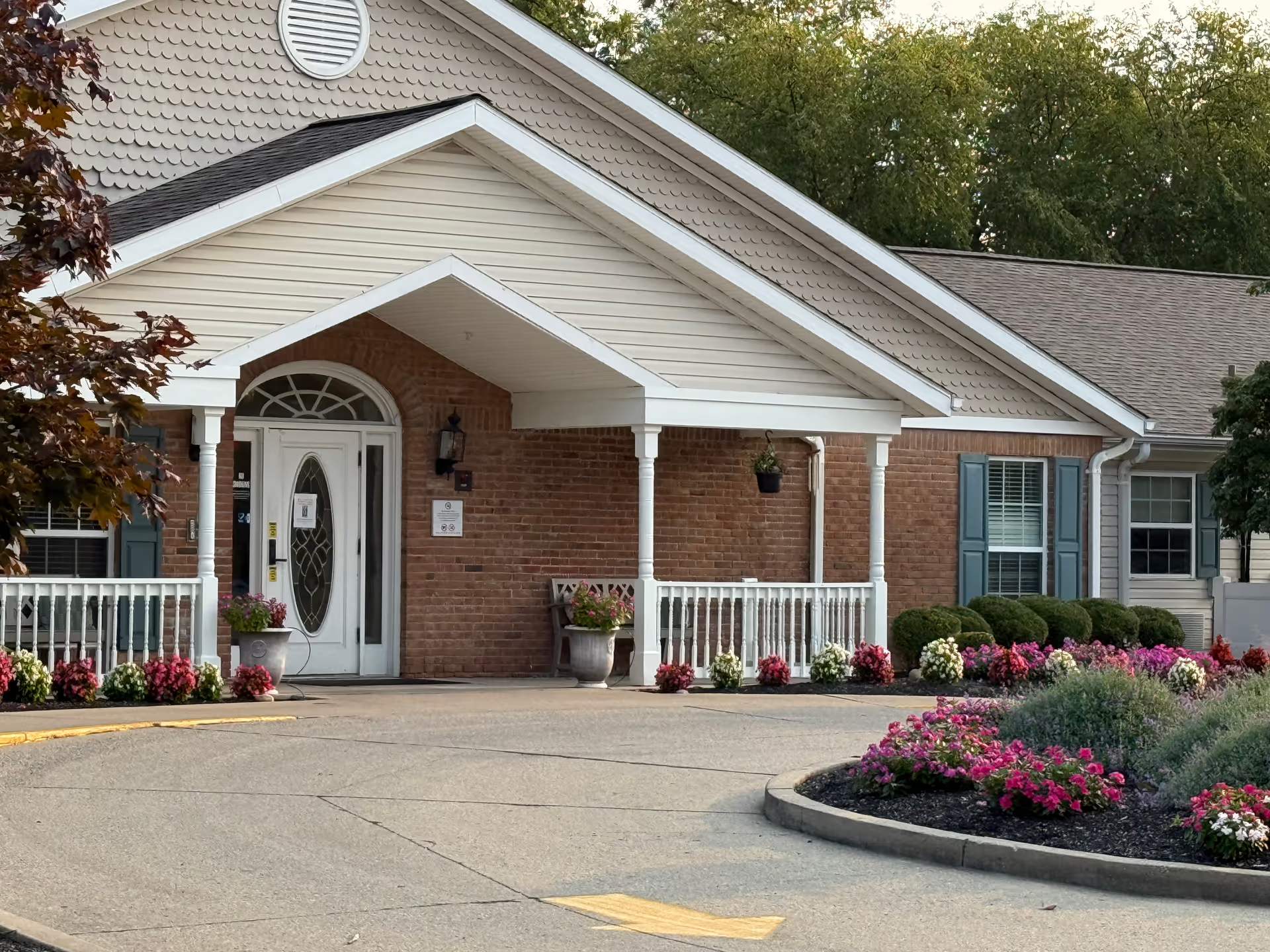
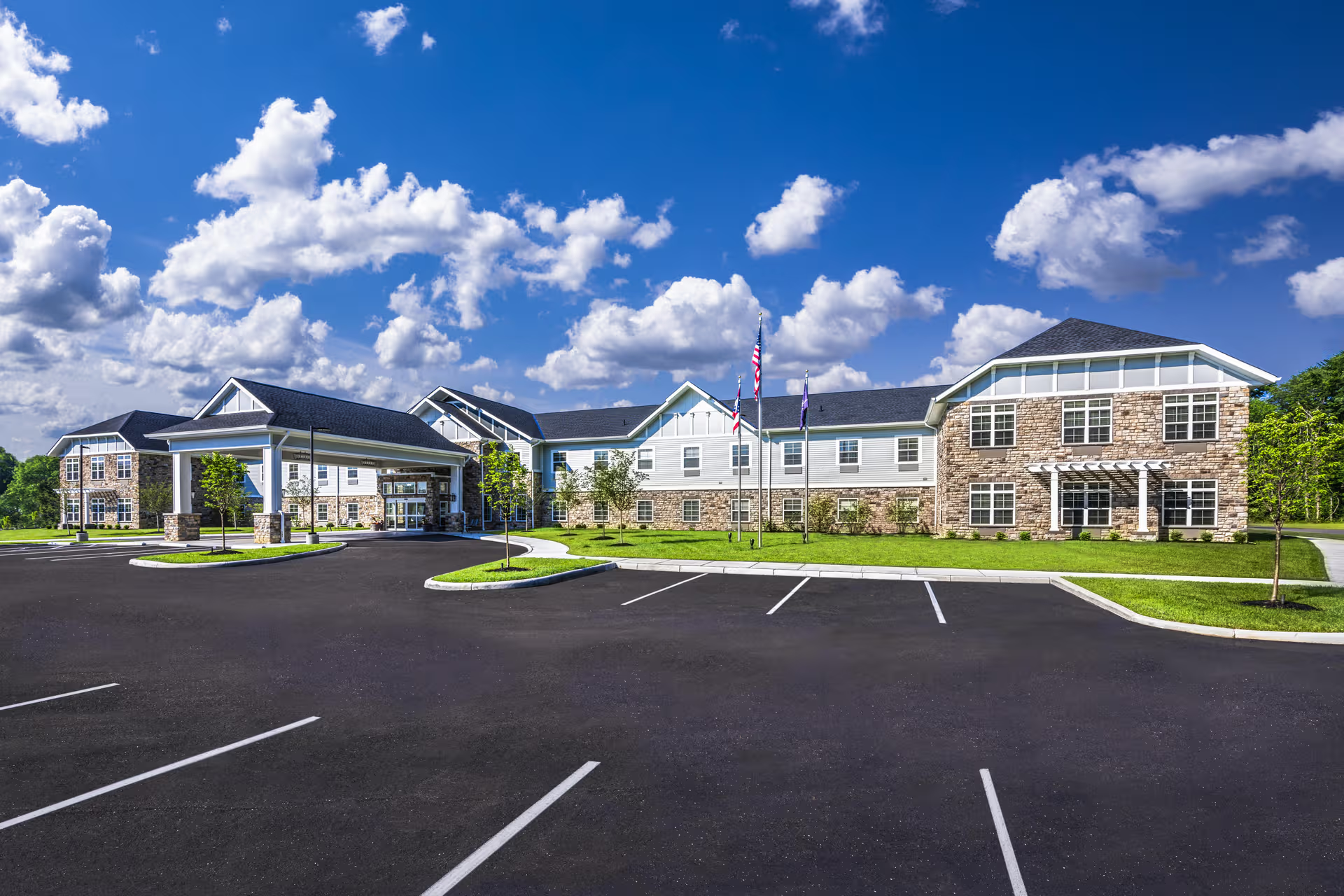
Facilities and environmental concerns: The physical plant and grounds are often described as clean, well-kept, and attractive, with private rooms and spacious bathrooms noted repeatedly. Conversely, there are isolated but notable sanitation and odor concerns in certain common areas and bathrooms cited by other accounts. Safety-system reliability questions have been raised concerning access-control devices and alarm/bracelet technologies; these are operational issues worth clarifying with administration.
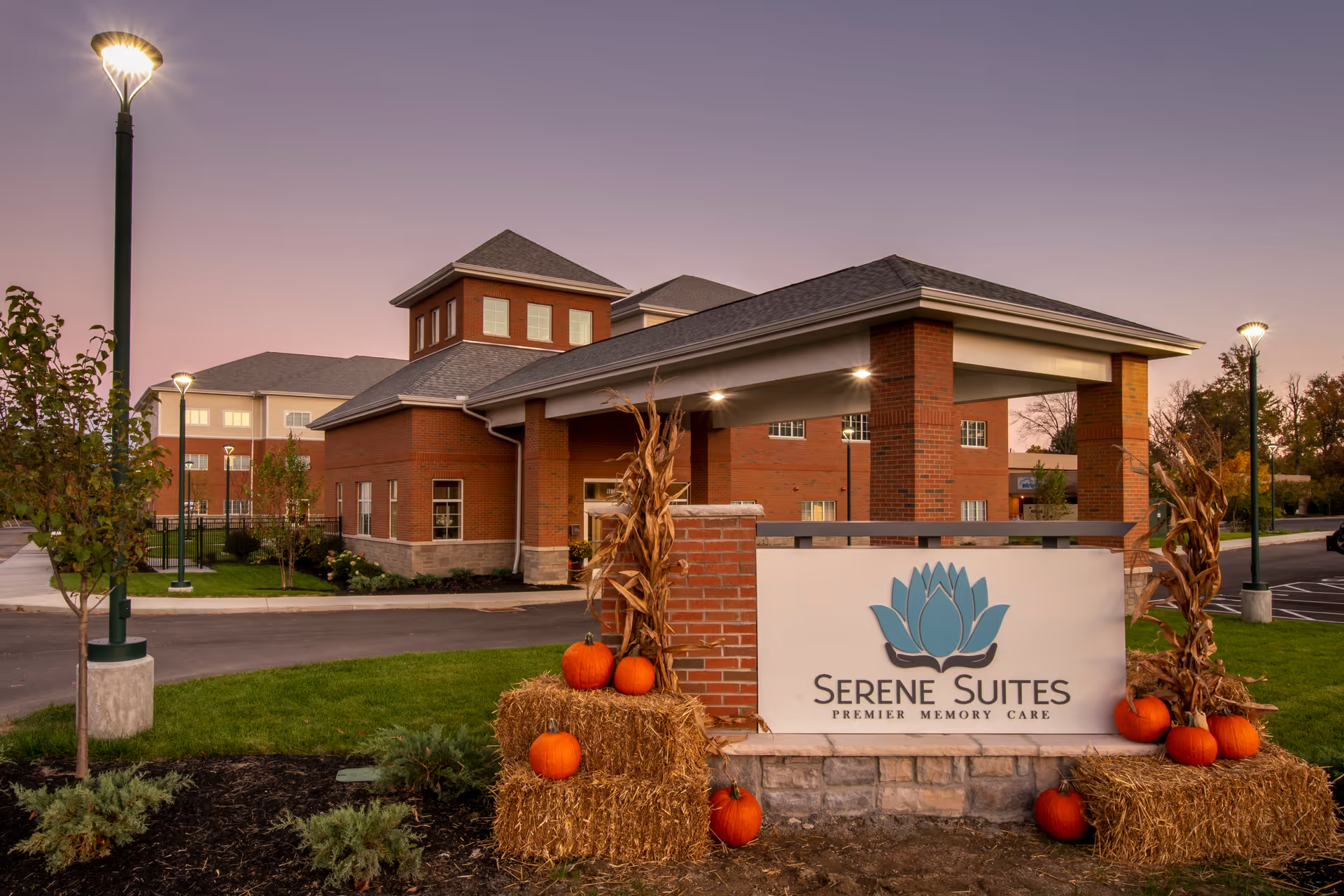
Memory care and vulnerability patterns: The memory-care unit is described as small and potentially conducive to camaraderie, but there are several concerning accounts about routine assistance, missed meals, and timeliness of basic care in that unit. These descriptions suggest variability in how memory-care routines are implemented and supervised. Families considering memory care should inquire about staffing models, supervision of routine care tasks, hygiene and meal-assistance protocols, and incident-reporting practices.
Notable patterns and recommendations: Reviews are polarized — many highly positive experiences coexist with a cluster of strong negative accounts. The most consistent praise centers on rehabilitation services, individual caregivers, and communal amenities; the most consistent concerns relate to staffing consistency, sanitation/odor control in specific areas, communication lapses, food-quality variability, and operational reliability of safety systems. Prospective residents and families should tour during a meal and activity period, observe cleanliness and odors, ask for current staffing ratios and turnover data, review medication-safety and incident-escalation protocols, and inquire specifically about memory-care supervision and recent quality-improvement measures. Doing so will help clarify whether the facility’s operational practices align with the individual’s care priorities.