Vista Veranda is characterized across reviews by a strong caregiving culture and a home-like community environment. Reviewers repeatedly emphasize compassionate, attentive staff who learn residents' names and preferences; families describe staff interactions as warm, personalized, and often family-like. Nursing, aides, dining staff, and therapy personnel are frequently singled out for positive attention, and several accounts note long staff tenures and continuity of caregivers as contributors to residents' comfort and stability.
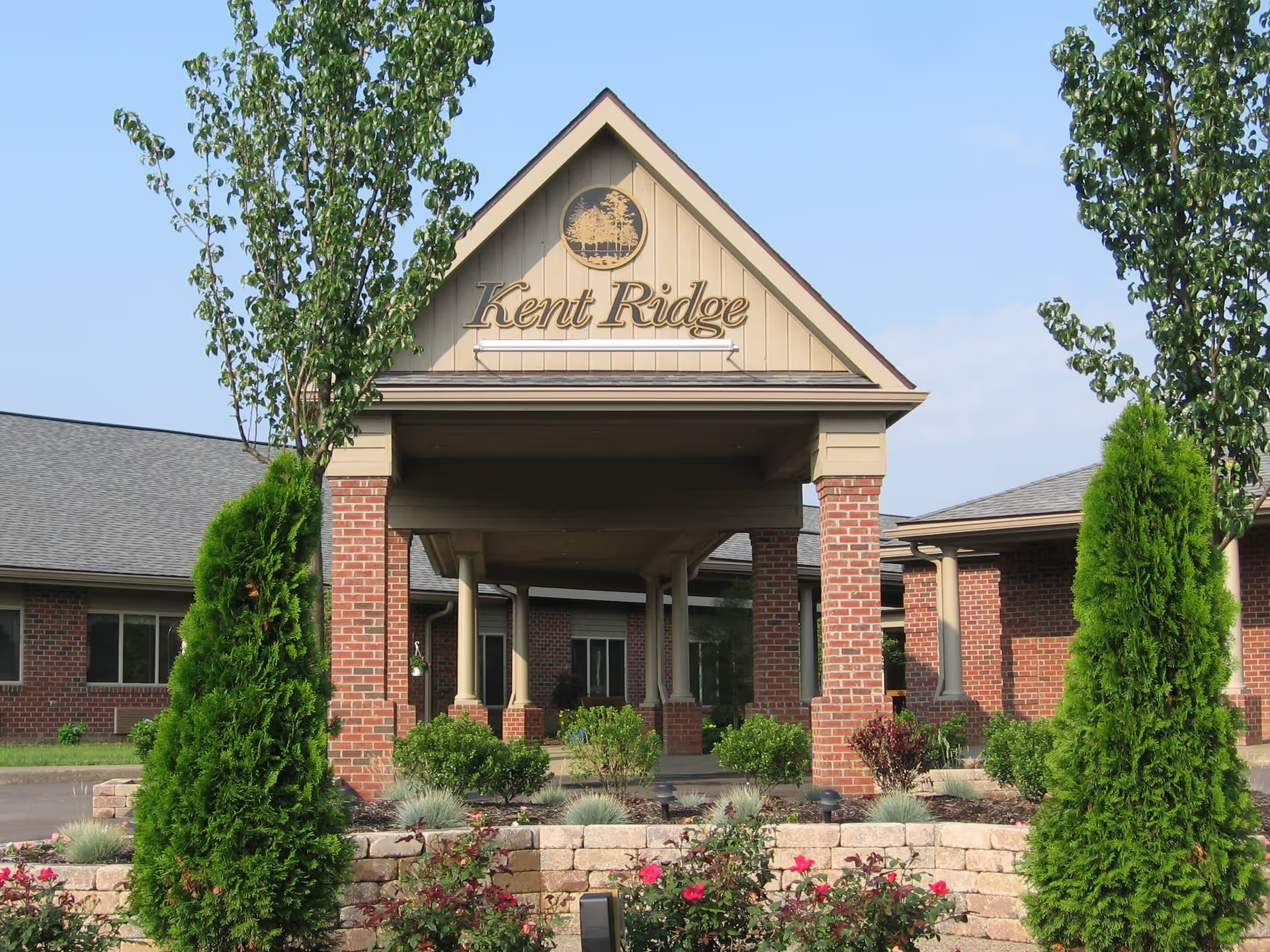
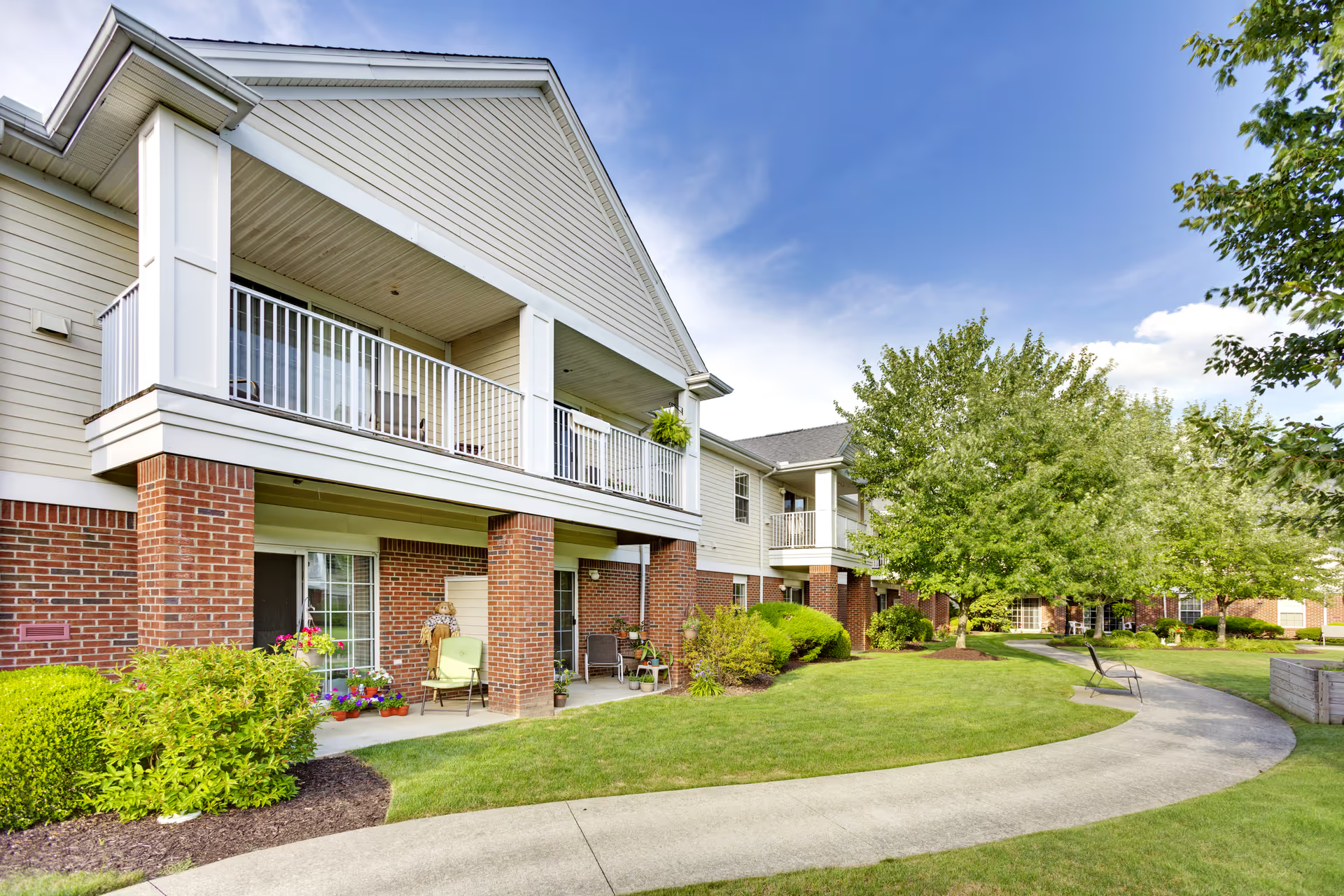
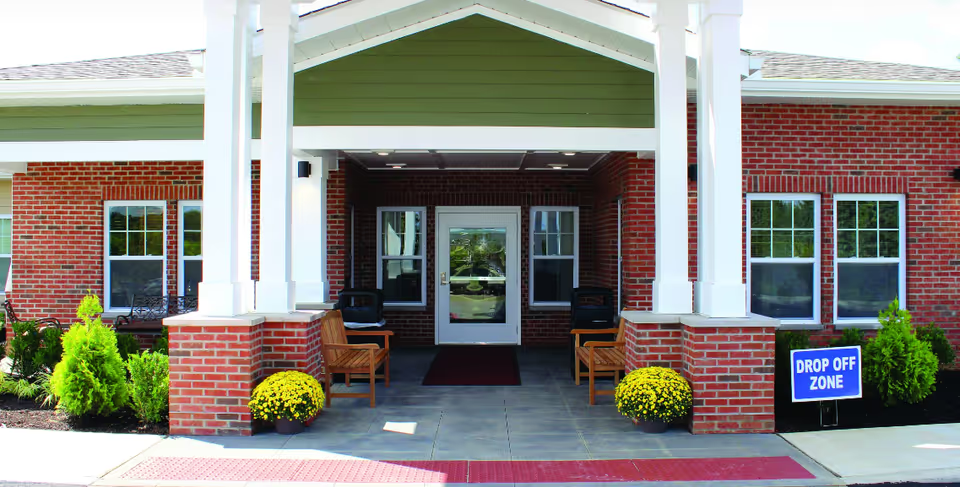
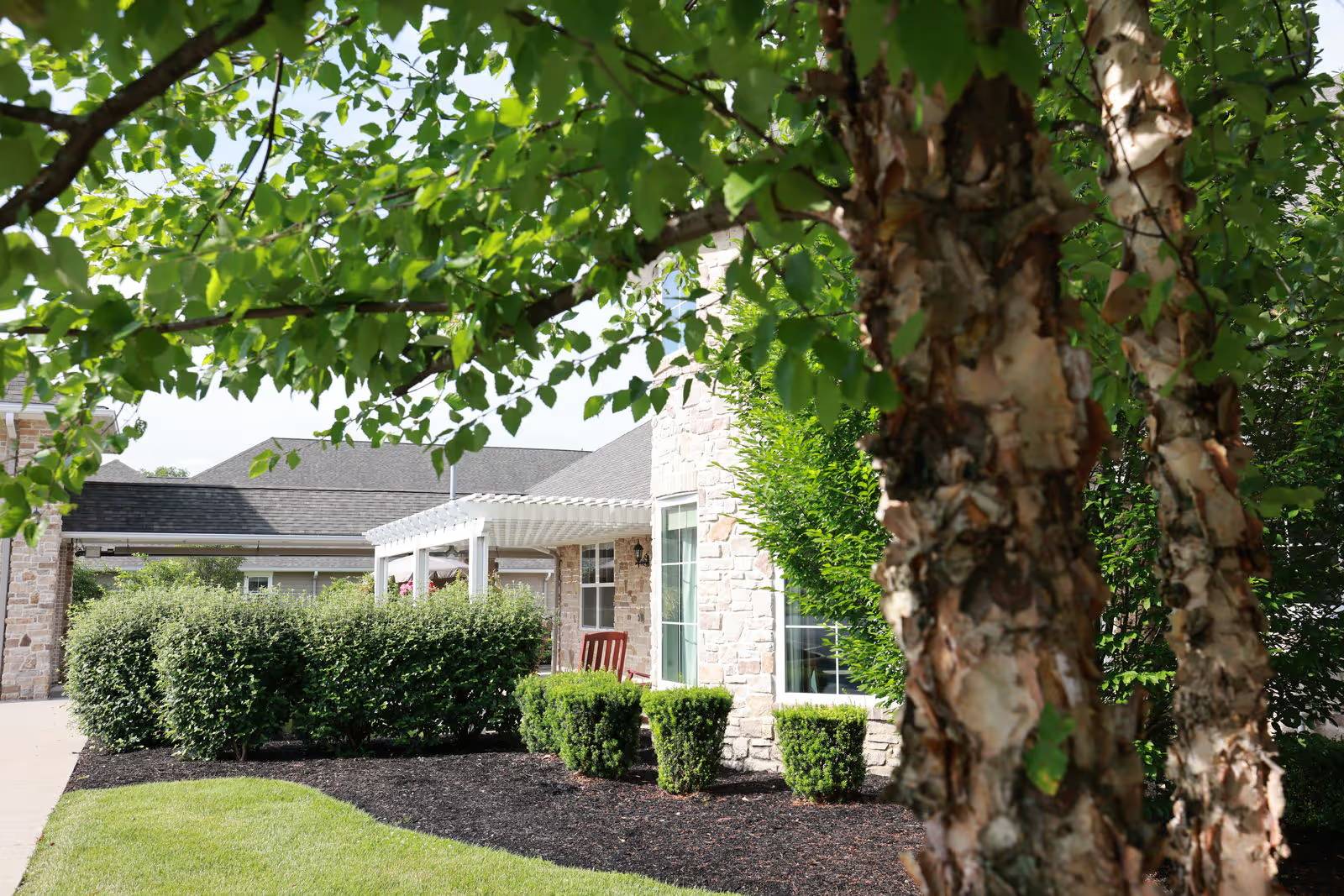
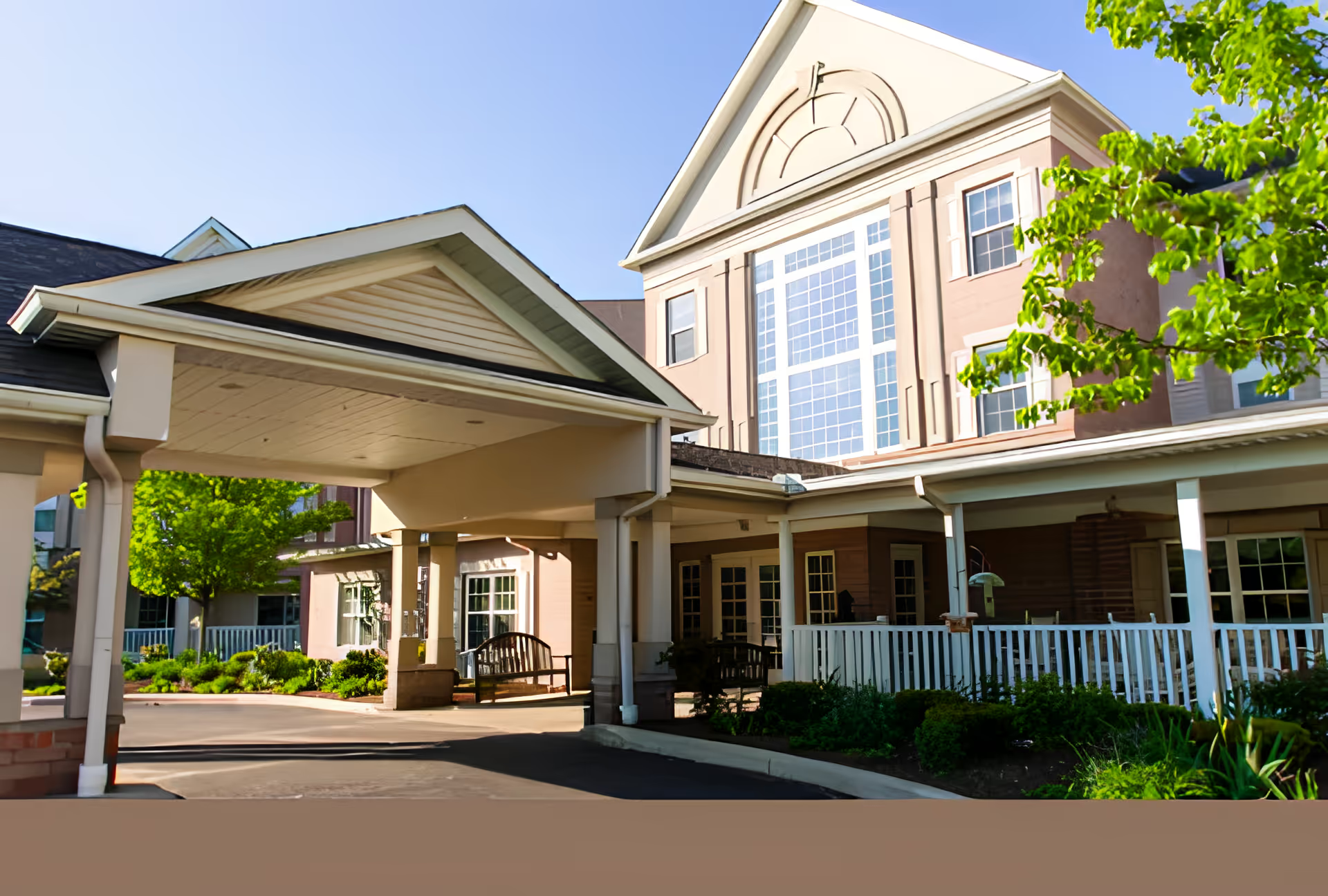
Clinical and rehabilitative services are available on-site, with physical therapy, salon services, and a range of supportive offerings that many families found convenient. The facility provides accessible apartment features—walk-in showers, bathroom grab bars, in-room climate control—and private and shared room configurations. Grounds and outdoor amenity areas are generally praised as attractive and usable, with patios, front-porch seating, and garden opportunities that support resident engagement and family visits.
Dining and programmatic life are strengths for many residents: restaurant-style dining, menu choices including half-portion options, inclusive basic service packages (meals, laundry, weekly cleaning), and an active calendar of events (bingo, themed evenings, trips, family nights) are commonly mentioned. Activity programming extends to outings and paid field trips, arts and crafts, exercise and social games; families report that participation often improves resident mood and socialization.
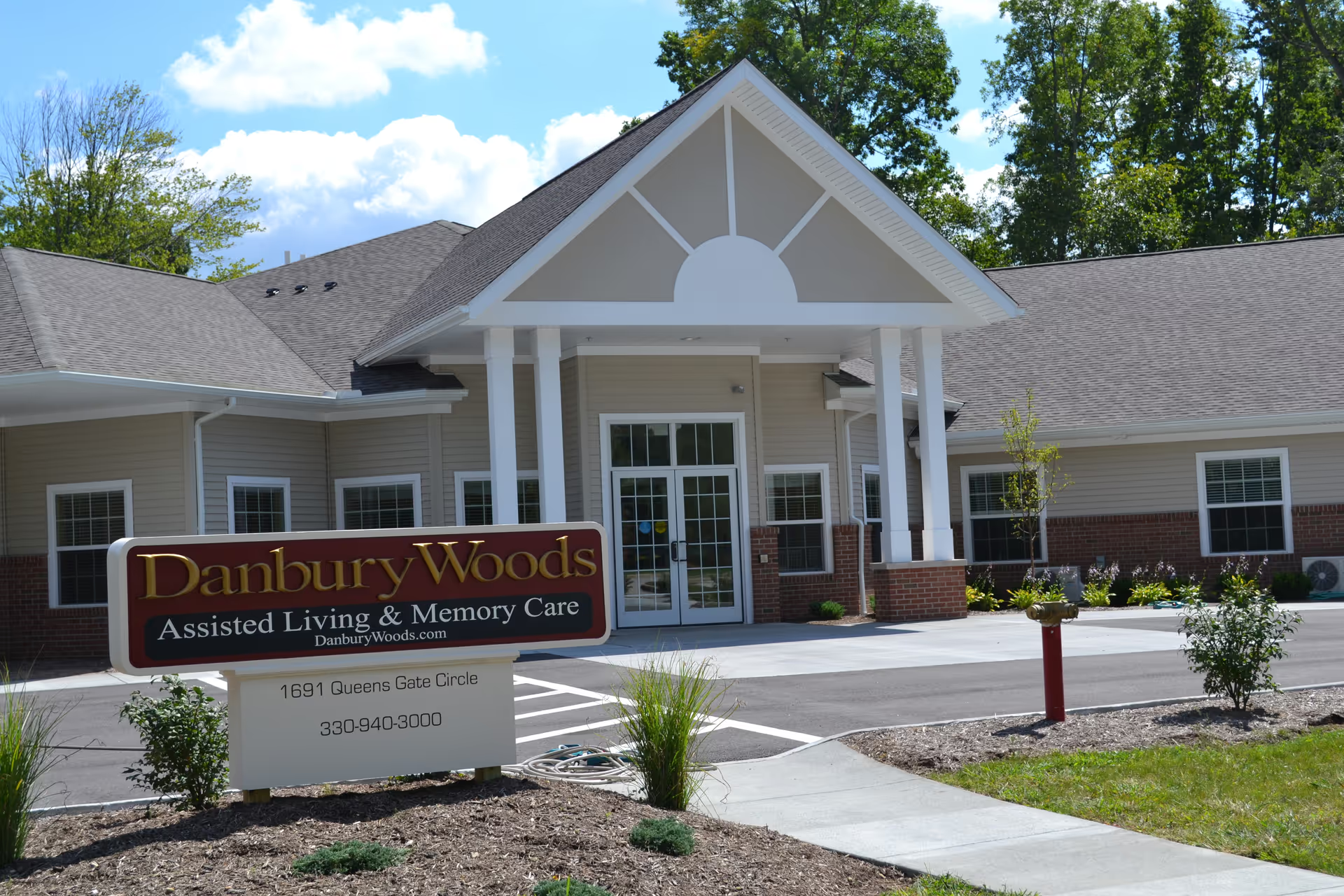
Notwithstanding these positive themes, reviews also surface operational limitations that prospective residents and families should consider. Food quality and menu variety are described inconsistently—some praise the meals while others find offerings repetitive or uneven in nutrition. Room sizes vary noticeably; several units are described as compact, which can affect comfort for couples or those with larger furnishings. Memory-care areas are secure but in some cases were described as converted spaces with constrained common areas that serve both dining and activities, which may limit program flexibility for that unit.
Staffing and clinical-practice patterns show mostly favorable remarks but also some variability. While many note responsive management and helpful communication, there are intermittent comments about slower call-response times, limited on-floor supervision during certain shifts, and uneven staff training for complex behavioral-health situations. These observations suggest the facility generally performs well but may have occasional gaps in staffing deployment or specialty training. Administrative communication is usually described as clear and supportive—marketing and transition staff are often praised—but a few reviews cite delays or distance-related communication challenges.
Overall, Vista Veranda appears to offer a warm, well-maintained community with strong relational care, active programming, and useful on-site services. Families valuing a small-community, relationship-driven setting with accessible therapy and social programming are likely to find the facility aligned with those priorities. Prospective residents and their families should, however, assess unit size and layout, discuss menu variety and nutrition plans, and review staffing patterns and behavioral-health supports to ensure the facility’s operational fit with specific care needs and expectations.