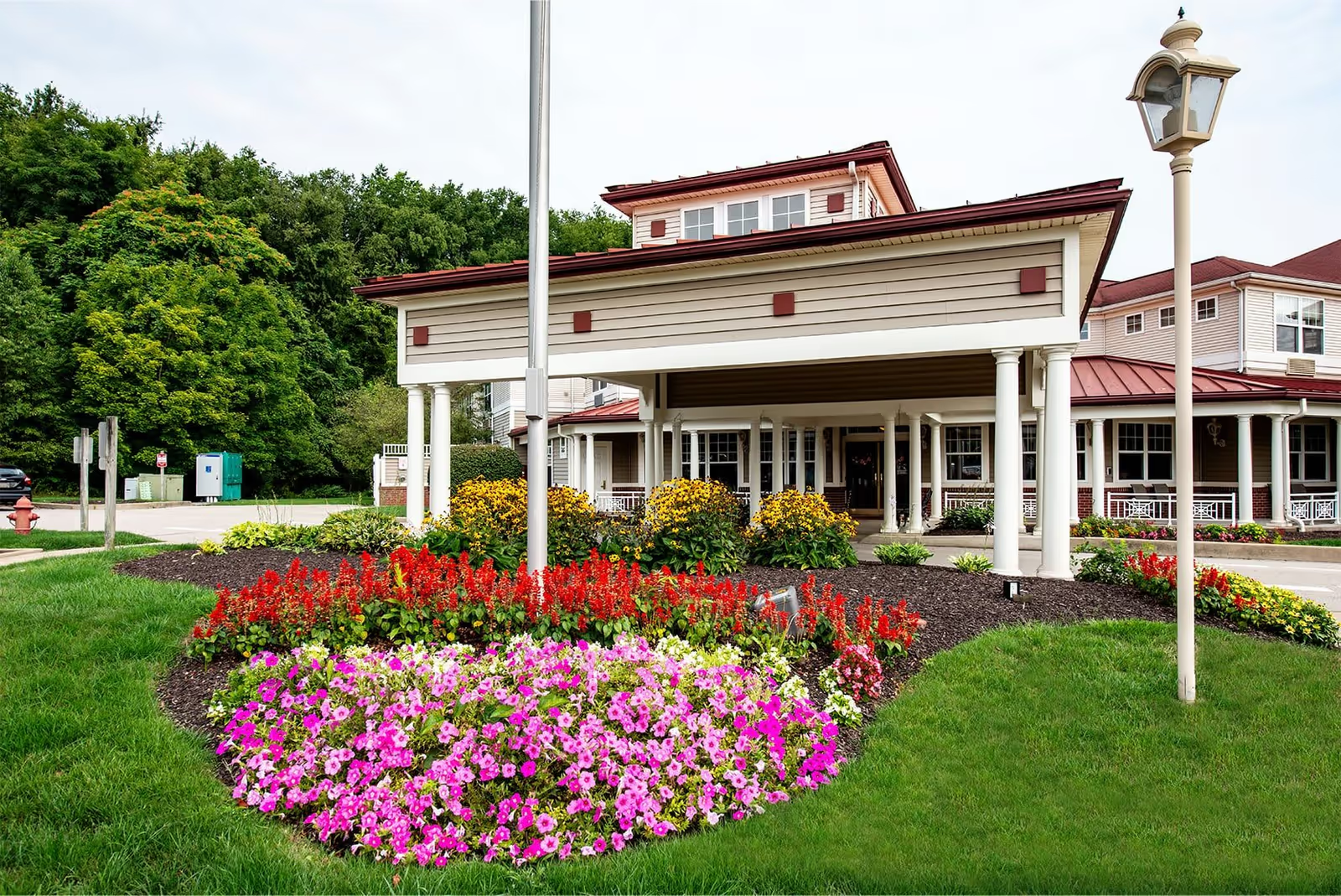
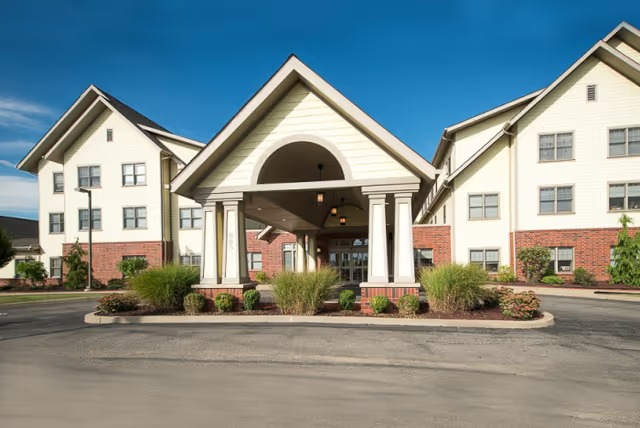
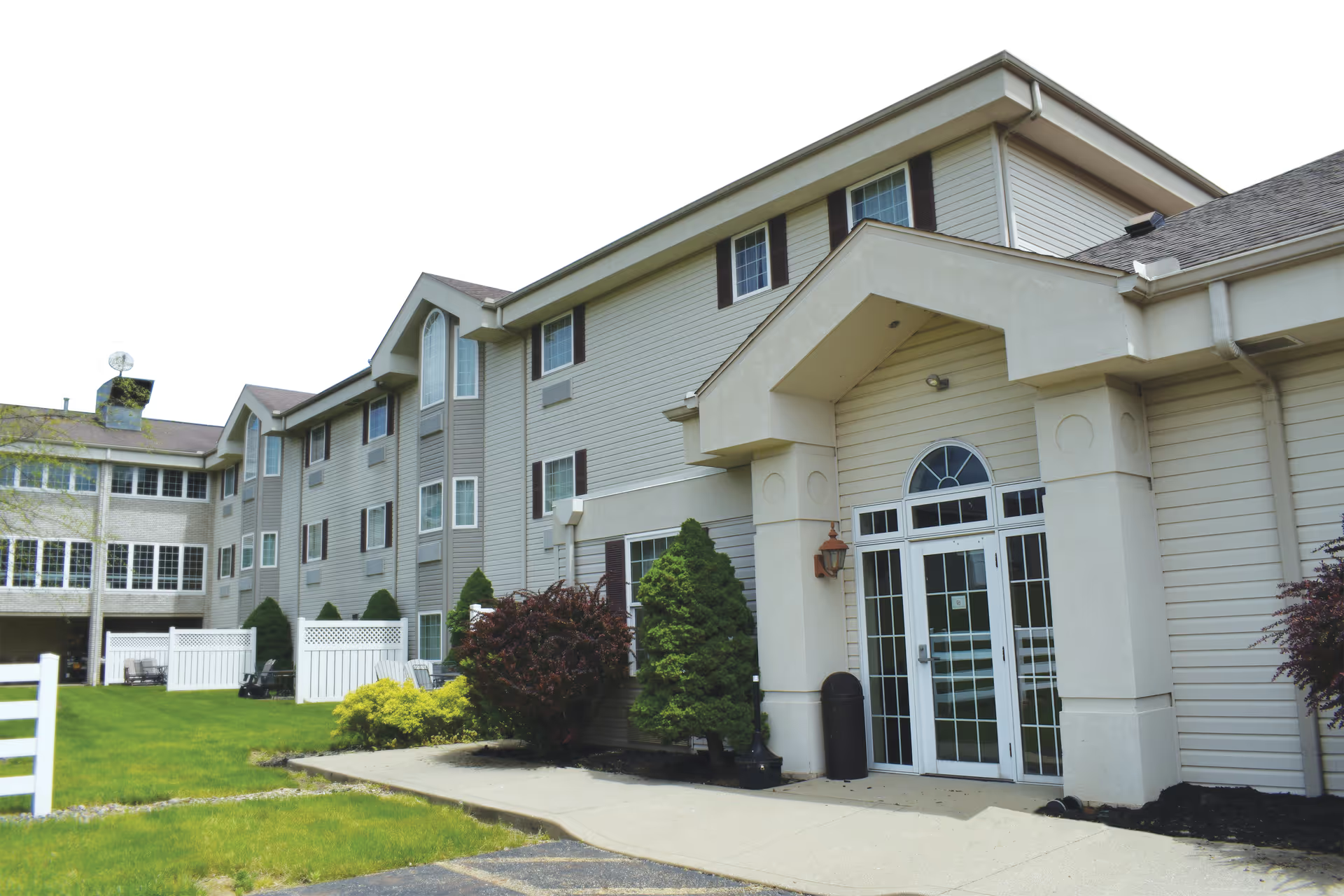
Reviews of The Laurels of Steubenville show a pronounced split between experiences that describe high-quality rehabilitation and daily care and others that identify operational shortcomings. On the positive side, the facility receives consistent praise for its rehabilitation services — physical and occupational therapy are frequently described as effective and outcome-oriented. Many families note compassionate nursing and caregiver staff, a clean and welcoming lobby and common areas, varied activity programming that promotes social interaction, and a homelike presentation with seasonal decorations. Several accounts highlight responsive maintenance, thoughtful family gestures by leadership, and active community involvement that contribute to a positive atmosphere for residents.
Counterbalancing those strengths are recurring operational concerns that prospective families should evaluate. Multiple reviews describe inconsistent staffing levels (with particular strain on weekends), slow response times to call bells and resident requests, and variability in medication administration and post-discharge coordination. There are also repeatedly mentioned gaps in wound prevention and incontinence-care practices, and instances where room-level housekeeping and bathing schedules appeared inconsistent with the cleanliness of common areas. These issues point to uneven implementation of basic nursing and personal-care processes across shifts and units.
Communication and staff conduct emerge as another area of variability. Many families commend individual staff members and administrators for being attentive and communicative, yet other accounts describe dismissive or unprofessional interactions, delayed clinician notification, and at least one allegation involving a privacy violation. A small number of reports document serious clinical outcomes following transfers or discharge, including hospital readmissions and concerns about medication handling; these characterize potential gaps in clinical-incident response, family notification, and discharge planning.
Dining and activities are generally viewed positively: reviewers describe enjoyable meals, an active calendar of tailored activities, and opportunities for social engagement that benefit residents’ mental well-being. Facility-level impressions are often favorable — clean common spaces, friendly front-line staff, and visible programing. However, reviewers note inconsistencies in meal portions or variety at times, and some indicate limits on mobility encouragement outside of formal therapy sessions.
Management and leadership receive mixed feedback as well. Several accounts praise administrators who go above and beyond, coordinate family communications, and lead community events. Other families describe difficulty getting timely administrative responses when clinical issues arise. Cost is another factor to consider: at least one review cited a relatively high monthly fee, which, combined with the operational concerns noted above, suggests families should carefully review pricing relative to the level of clinical oversight they require.
Overall, The Laurels of Steubenville appears to offer strong rehabilitation services, engaging activities, and many compassionate staff members, but it also shows persistent variability in staffing consistency, clinical processes (medication reconciliation, wound and incontinence care), discharge coordination, and room-level housekeeping. Prospective residents and their families would be advised to tour the facility, speak directly with therapy and nursing leadership about staffing ratios and clinical protocols, inquire about dementia-specific programming and discharge procedures, and observe response times and room cleanliness during different shifts before making a placement decision.