Champion Estates Assisted Living is portrayed primarily as a warm, family-oriented community with a strong caregiving focus. Many accounts emphasize an attentive, compassionate staff and a broad interdisciplinary team that includes nursing, aides, dietary, housekeeping, maintenance and laundry — factors families cite as contributing to residents’ comfort and dignity. Long-tenured, dedicated employees and transparent communication with families are recurring positives that support continuity of care and a welcoming environment for new residents.
Care quality and staffing receive largely favorable descriptions. Several families noted patient, kind interactions and a sense that residents are treated with respect; the facility’s approach is frequently characterized as empathetic and family-like. The staffing complement appears to cover clinical and nonclinical needs, and families describe staff who address questions and participate in community events, which supports resident engagement and family confidence in day-to-day care.
Dining emerges as a mixed area. While a number of comments praise the food and dining experience, there are also clear operational concerns about meal consistency — specifically meal temperature and limited menu variety. These mixed impressions suggest that the dining program can meet expectations but may suffer from occasional lapses in service or menu flexibility, which can significantly affect resident satisfaction.
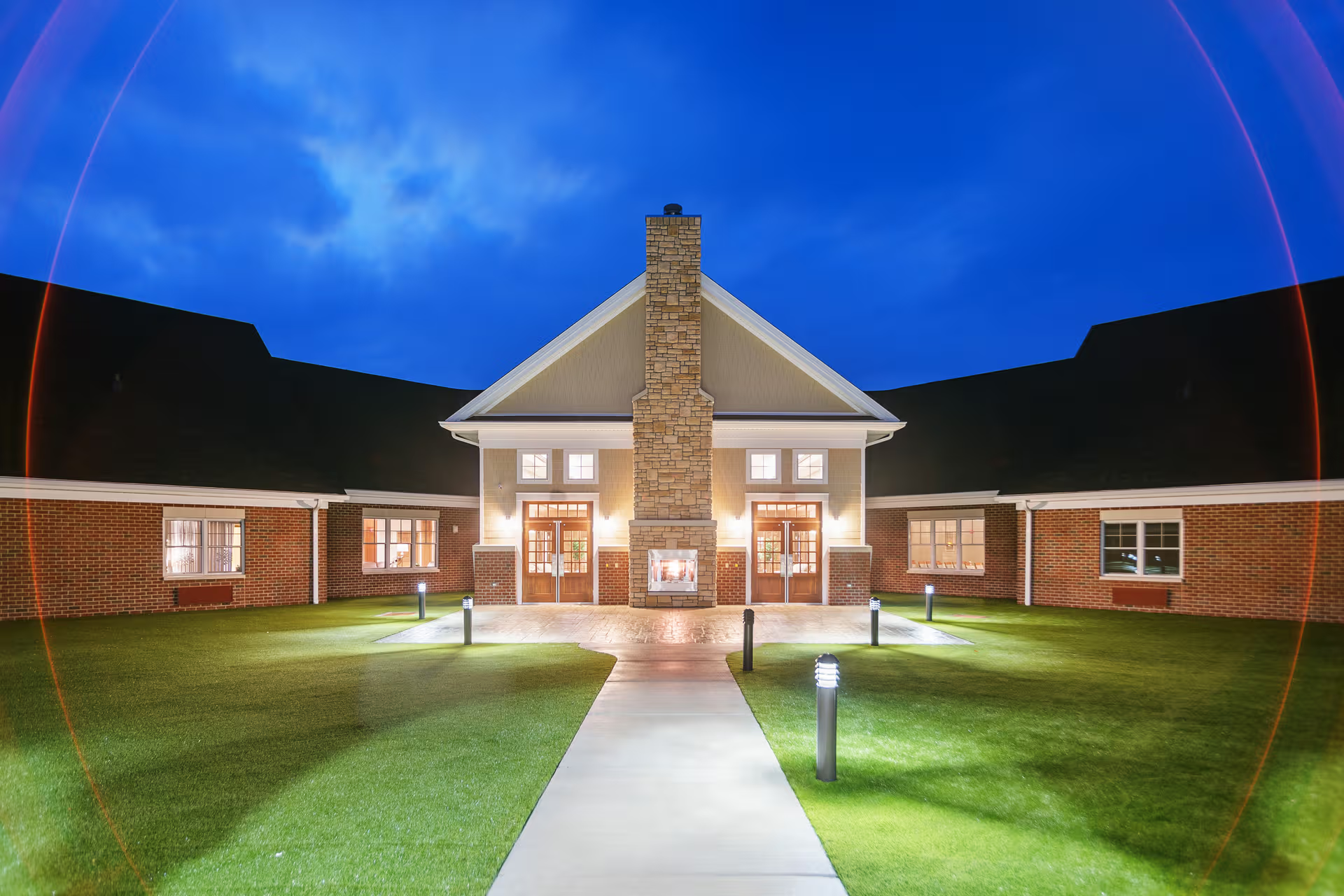
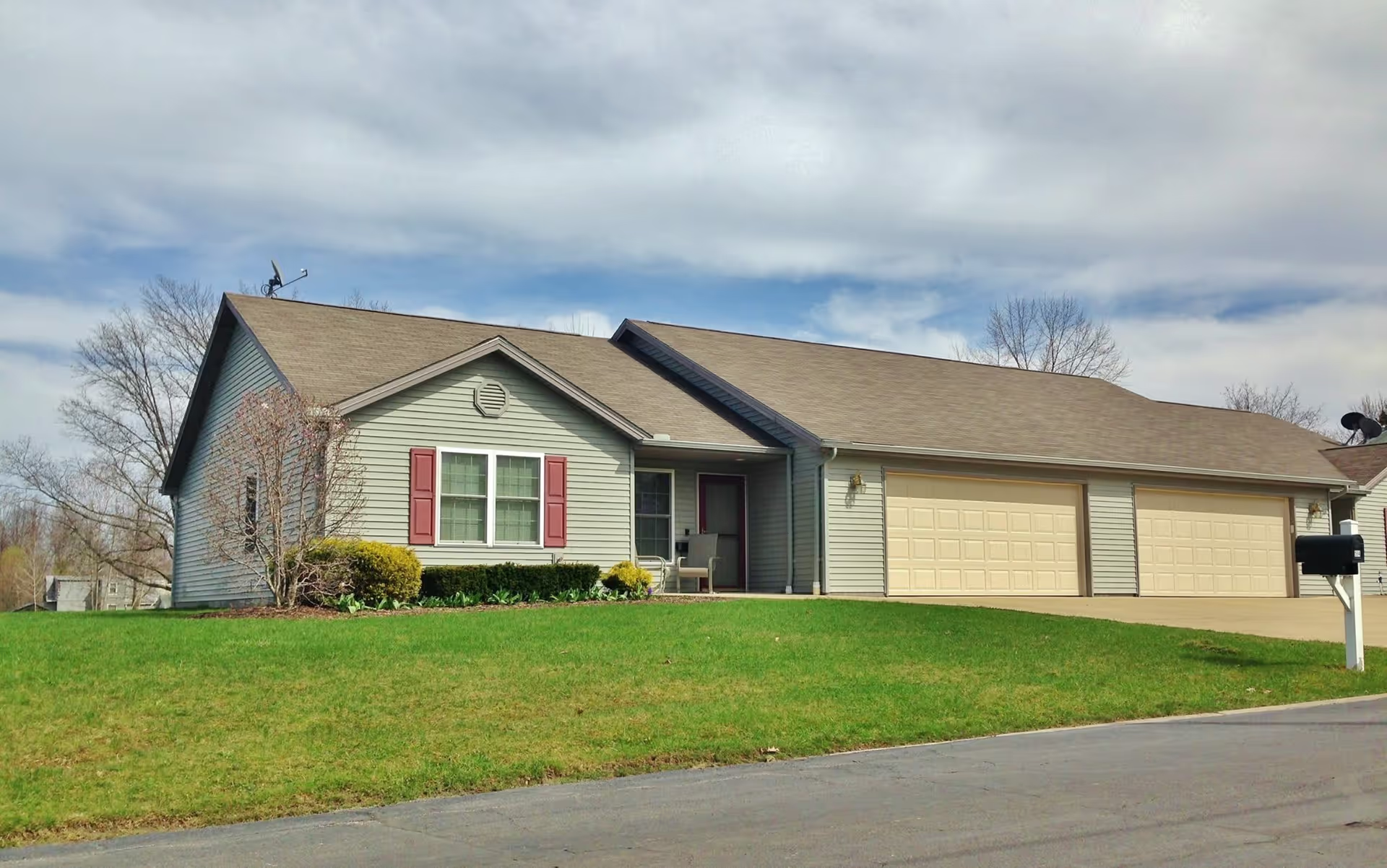
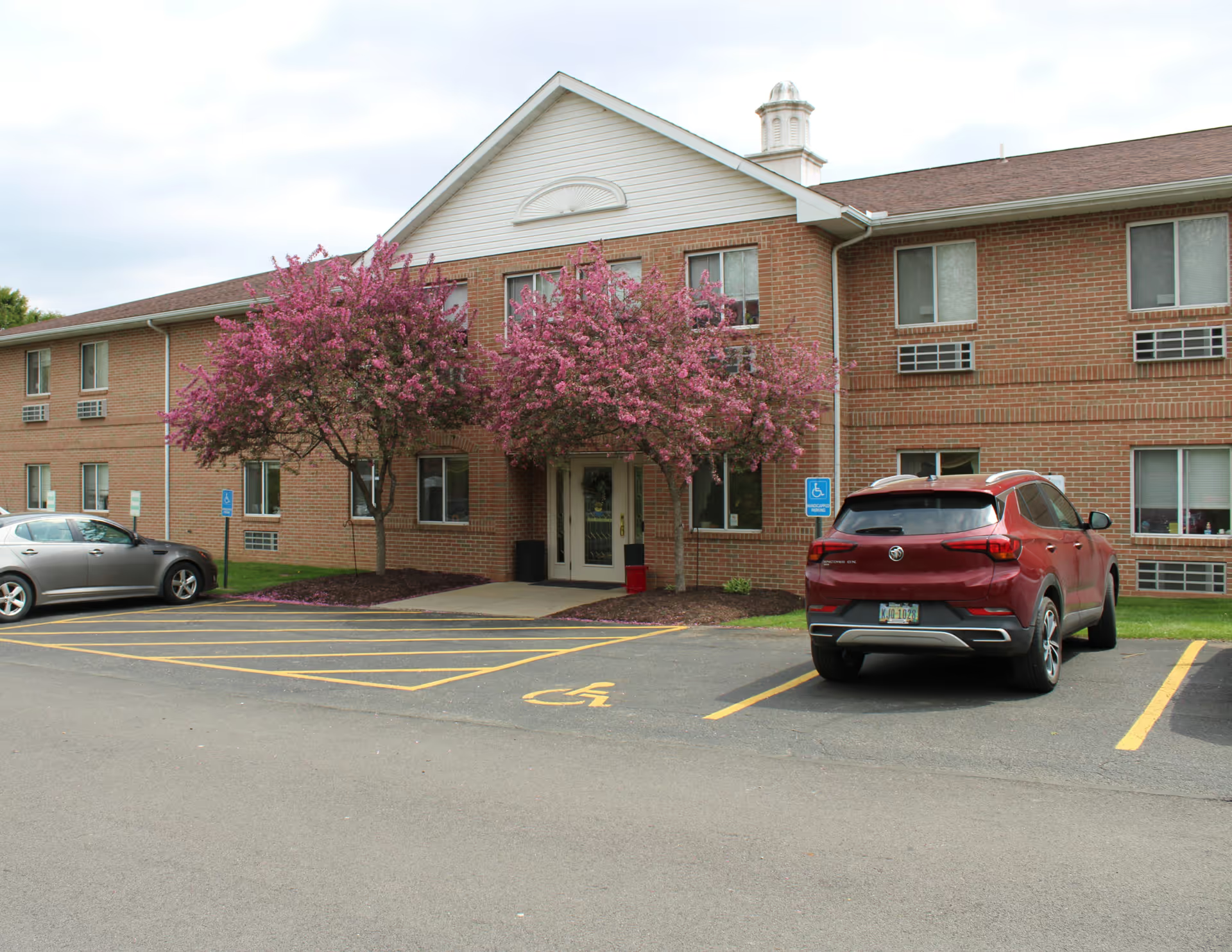
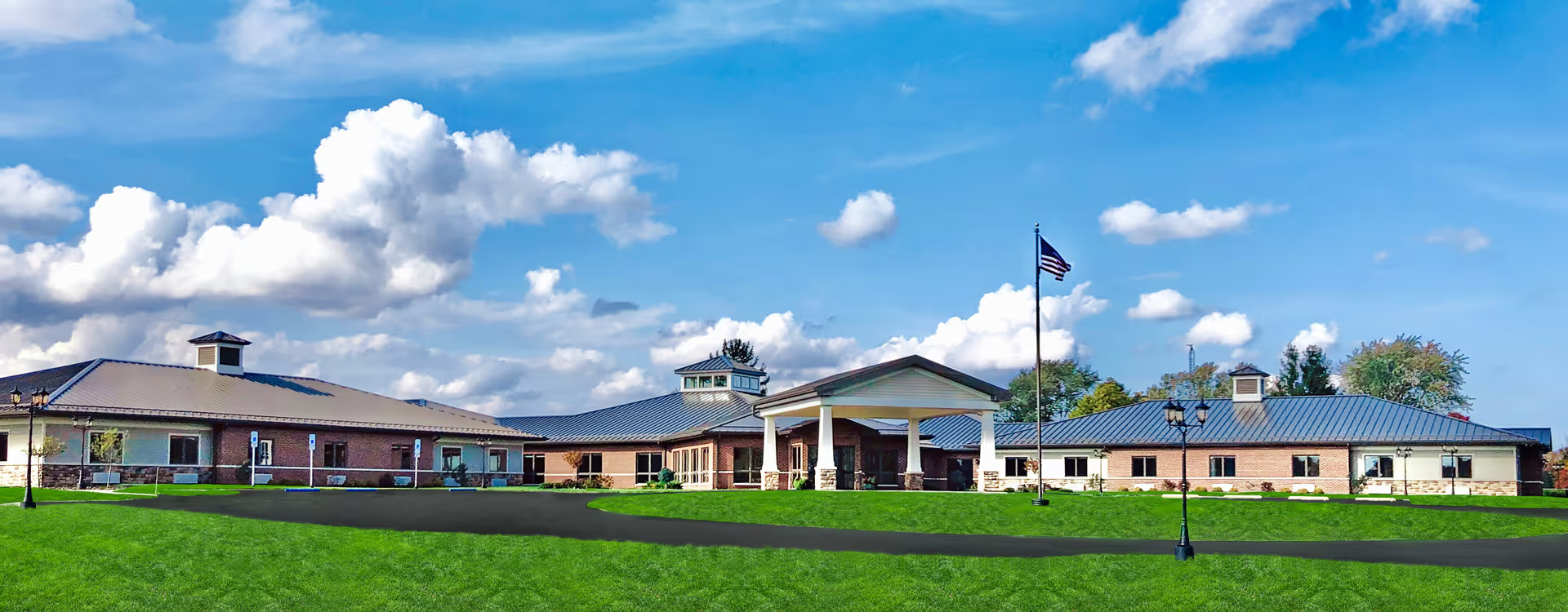
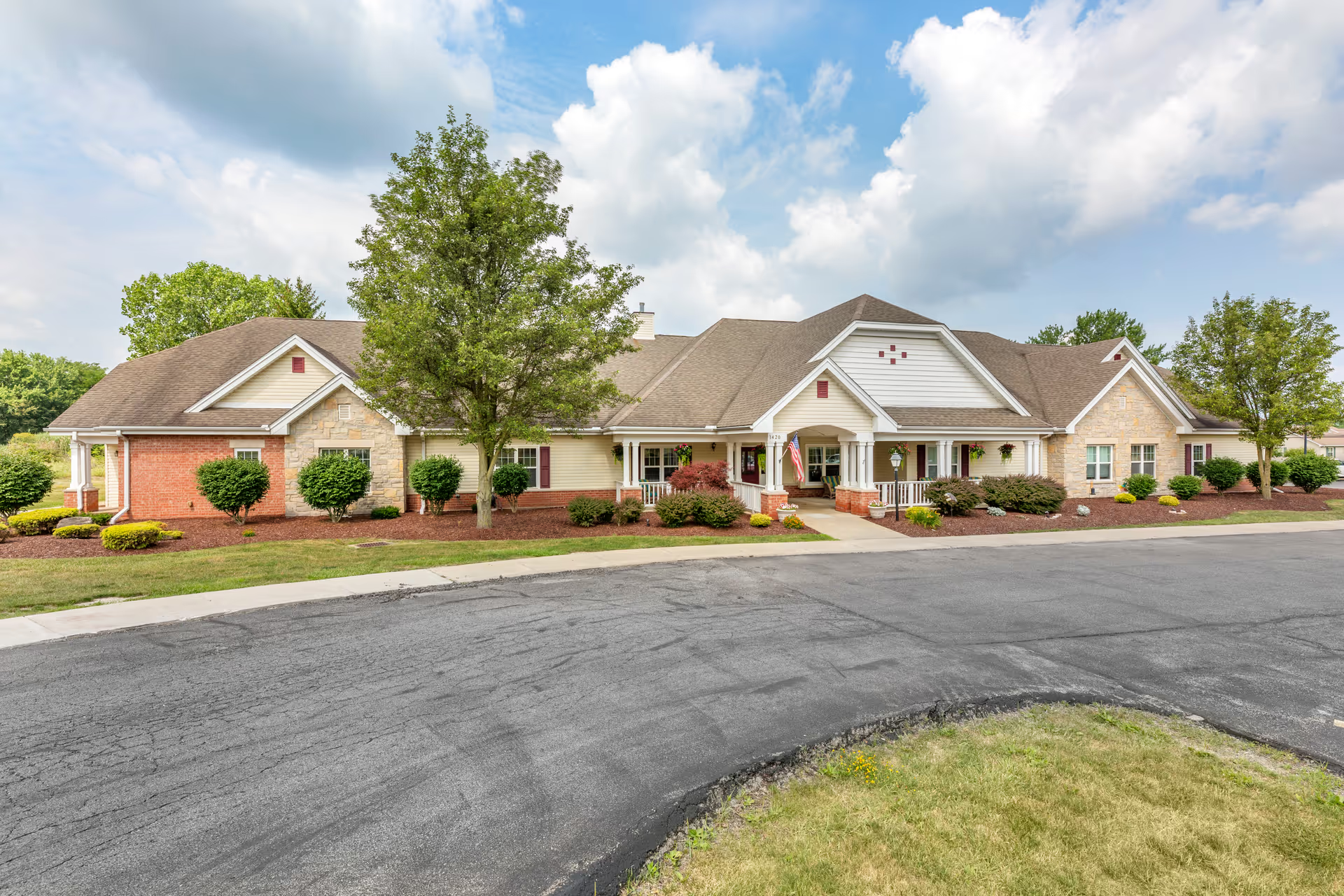
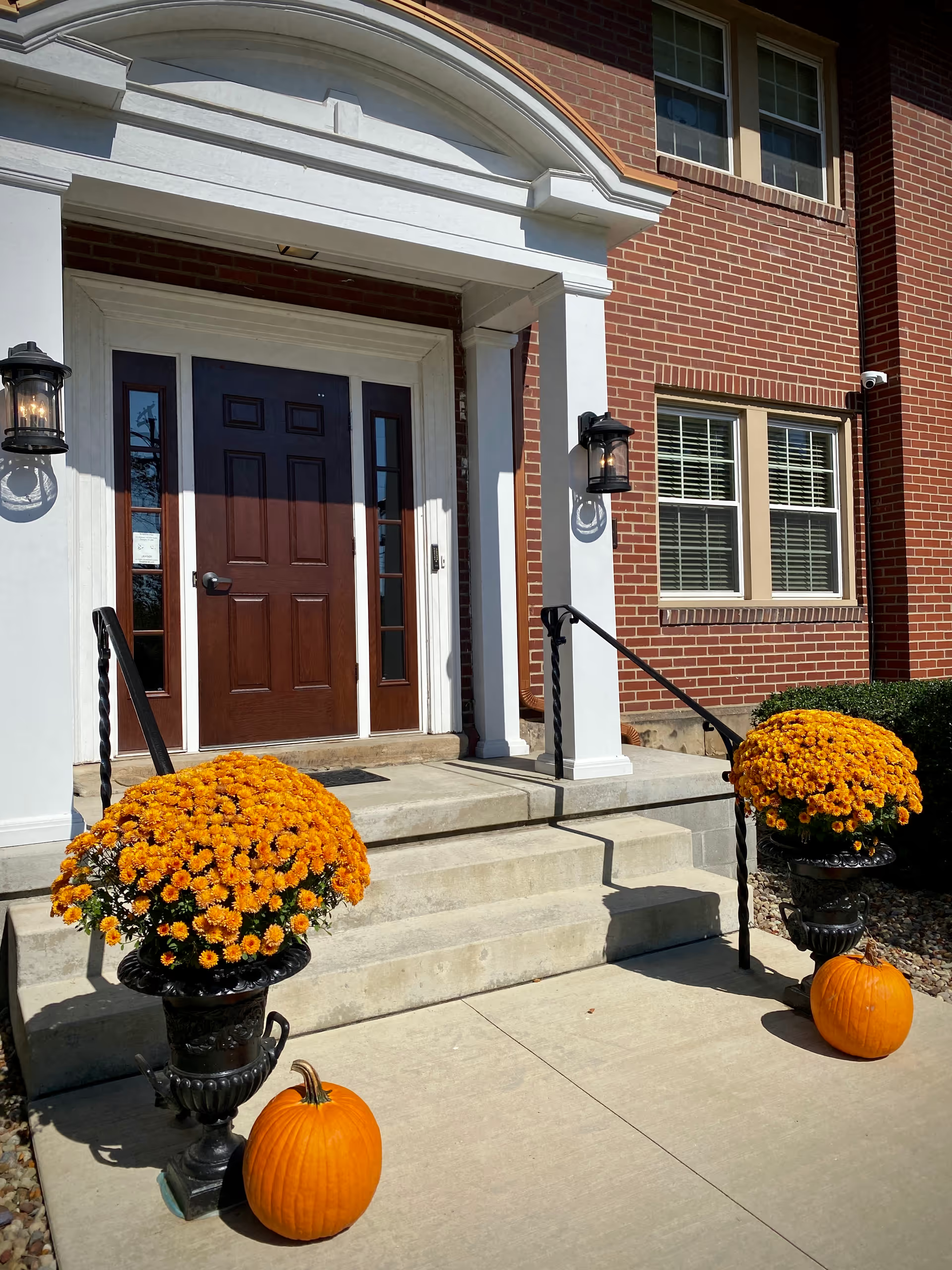
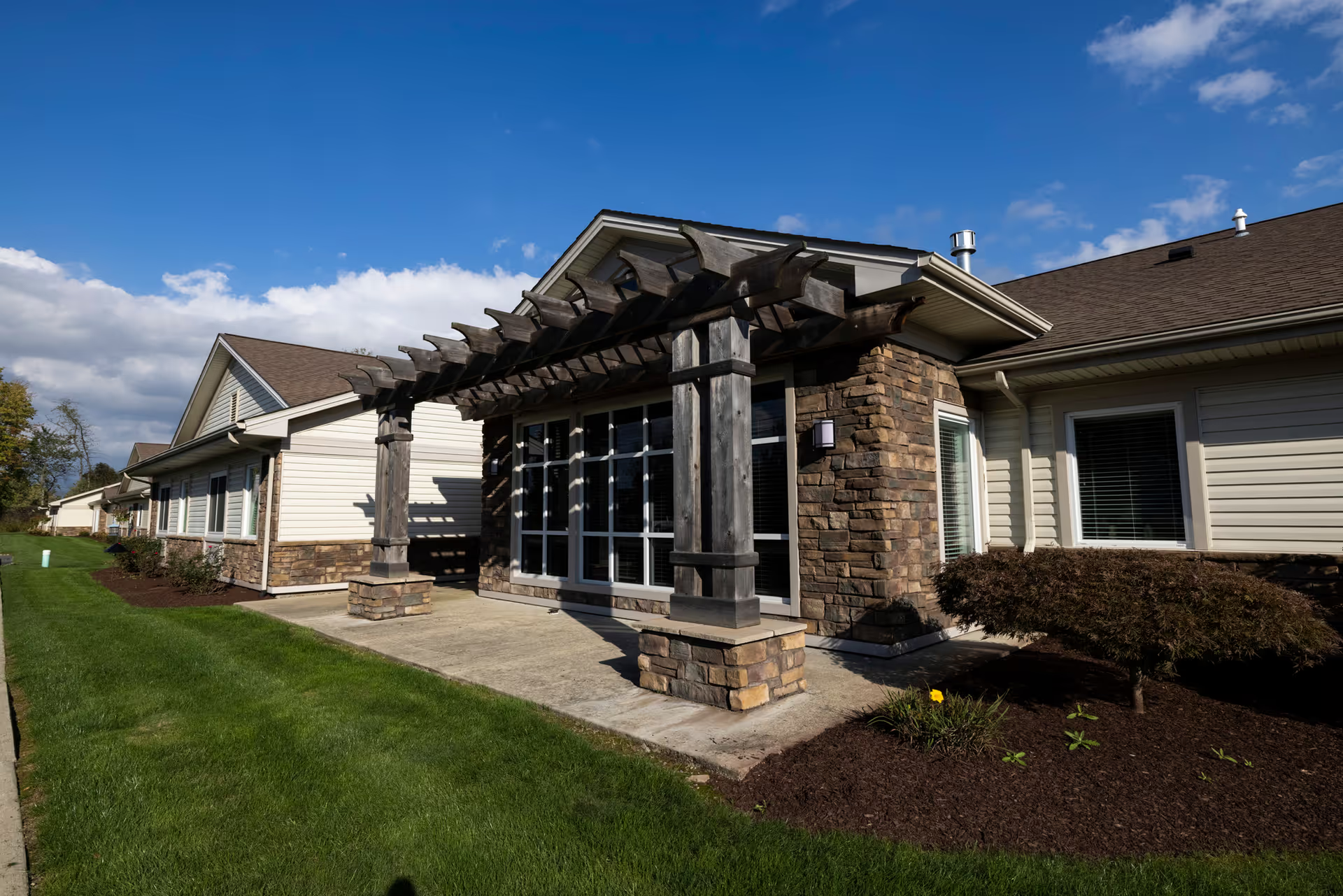
Activities and facility upkeep are strengths. The community is described as clean, attractive and well maintained, with active programming that residents and families find engaging. Social events that involve families are noted positively and contribute to a sense of community and safety. Housekeeping and maintenance functions appear reliable, reinforcing an overall impression of a comfortable physical environment.
Notable patterns: overall impressions are polarized — many families describe excellent, long-term experiences, while a minority report negative encounters centered on dining and staff conduct or tone. These contrasting accounts point to variability in day-to-day operations rather than a uniform pattern of failure or excellence. Prospective families should prioritize an in-person tour that includes a meal observation, conversations with direct-care staff, and questions about staff training, complaint-resolution processes, and recent staffing continuity. Asking for examples of how the facility handles meal-service issues and resident concerns may clarify whether the community’s strengths align with a particular family’s priorities.