Living Rose Christian Assisted Living Home is consistently described as a small, faith-based residential setting that emphasizes individualized attention. Multiple impressions emphasize the facility's homemaker scale (approximately five residents), a state license, and an owner who also functions as a primary caregiver. That structure appears to produce close caregiver–resident relationships: reviewers cite staff who are attentive to personal preferences, eating and hydration, and who make residents feel special. A private nurse assistant is noted alongside staff who provide one-on-one walking assistance and an apparent focus on fall prevention, which families describe as contributing to peace of mind.
Dining and daily-life services are described as homelike and personalized. Reviewers highlight fresh, organic home-cooked meals and attention to individual tastes, along with provisions such as personal toiletries. The facility coordinates external medical visits and schedules auxiliary services like beauty-salon appointments and community outings. Activities are oriented to residents’ generational preferences (era-specific movies and TV), and staff-led outings and in-house programming are part of the routine.
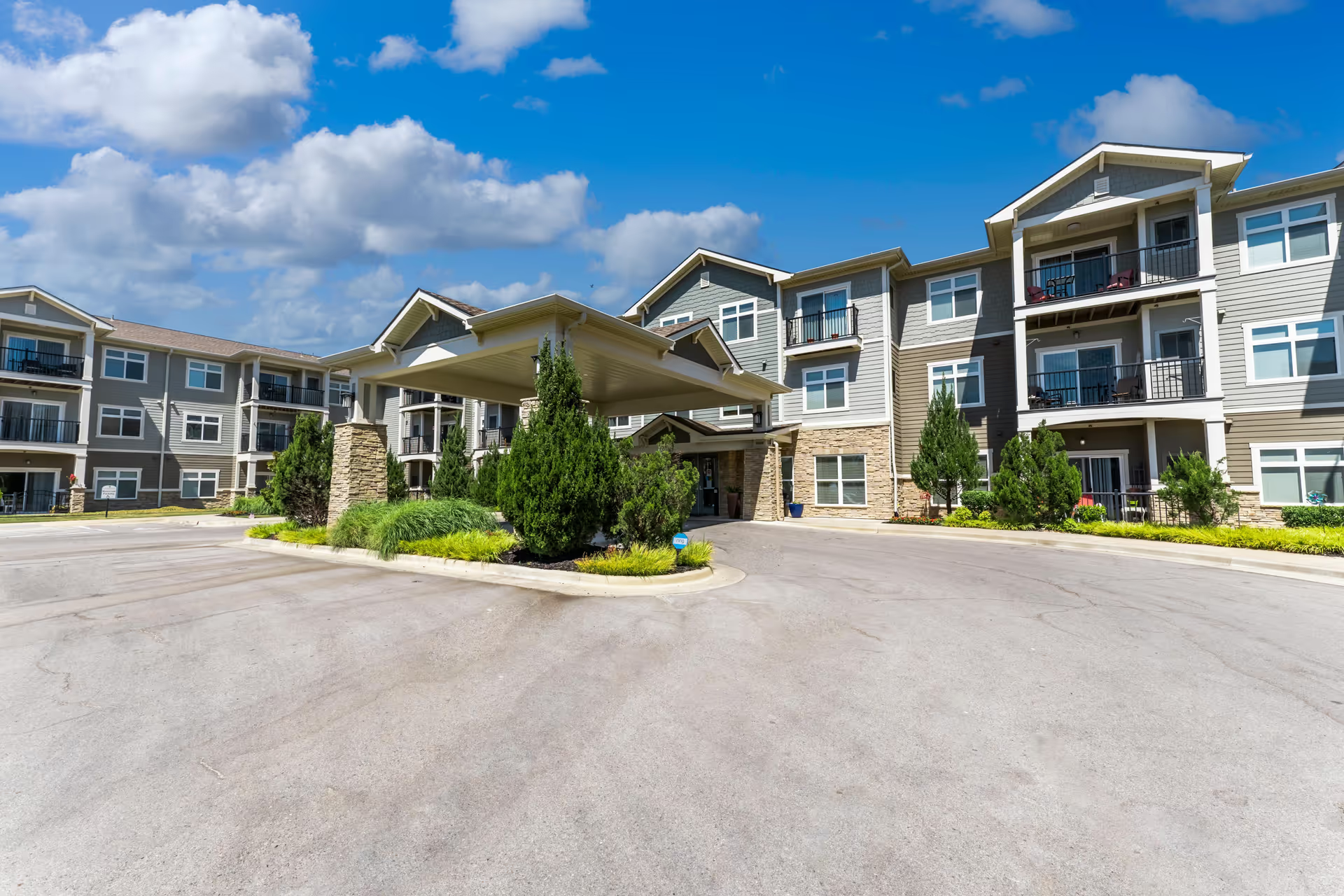
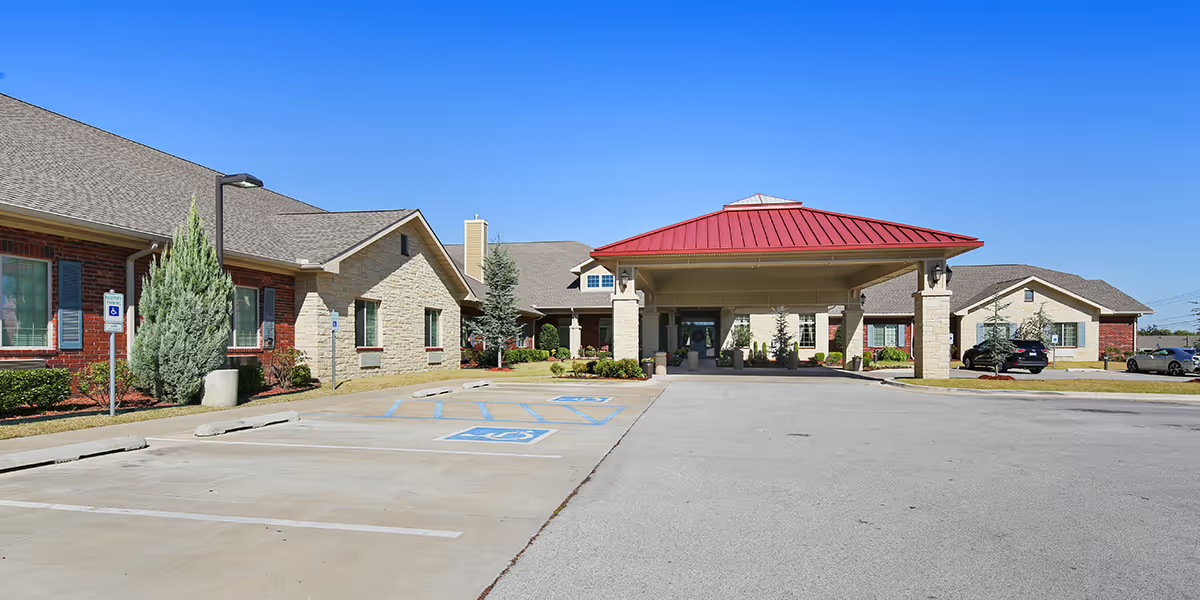
The physical environment is characterized as clean and well kept, reinforcing the small-home, homelike atmosphere. Management appears hands-on: the owner/primary caregiver involvement and the presence of a private nurse assistant suggest a high level of direct oversight and daily engagement by a compact leadership and care team.
Notable operational patterns and limitations should be considered. The very small census and concentrated staffing model create strengths in personalization but also imply constraints: availability may be limited, and continuity of care could be vulnerable if key staff are unavailable. The model as described is best suited to residents who need supportive assisted-living services and personalized attention; it may have limited capacity for residents with more complex medical or rehabilitative needs that require broader on-site clinical resources. Activity variety and peer-group diversity will likely be narrower than in larger communities because of the small resident population.
Overall, Living Rose presents as a well-maintained, faith-centered assisted living option that prioritizes individualized care, home-style dining, and close staff–resident relationships. Prospective residents and families seeking a small, Christian-oriented, personalized setting will likely find it a good fit; those requiring higher-acuity medical services or a wider variety of group programming should assess clinical capabilities and backup staffing arrangements before deciding.