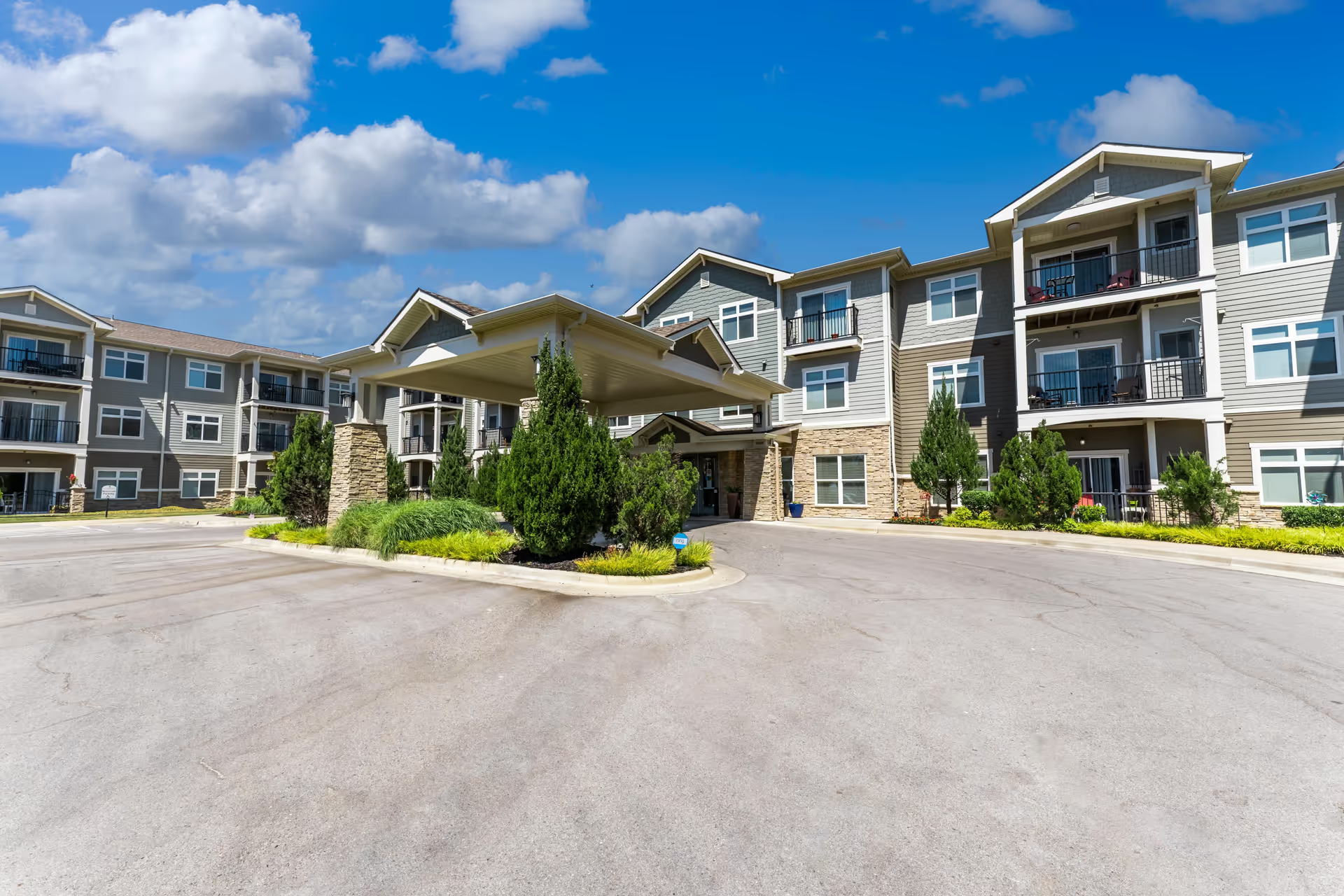
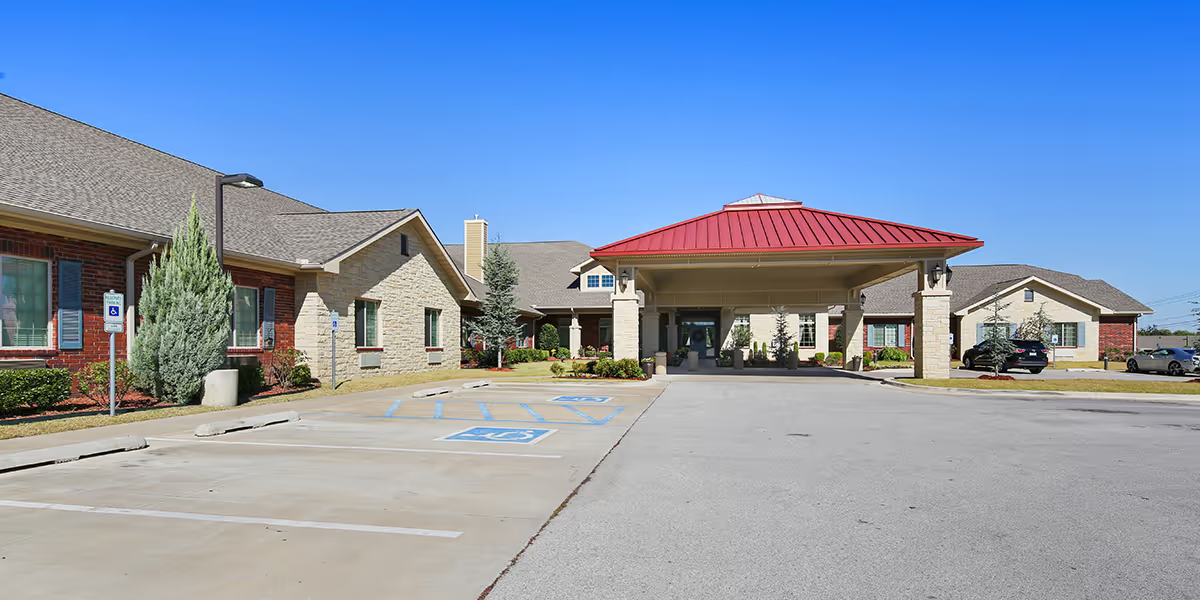
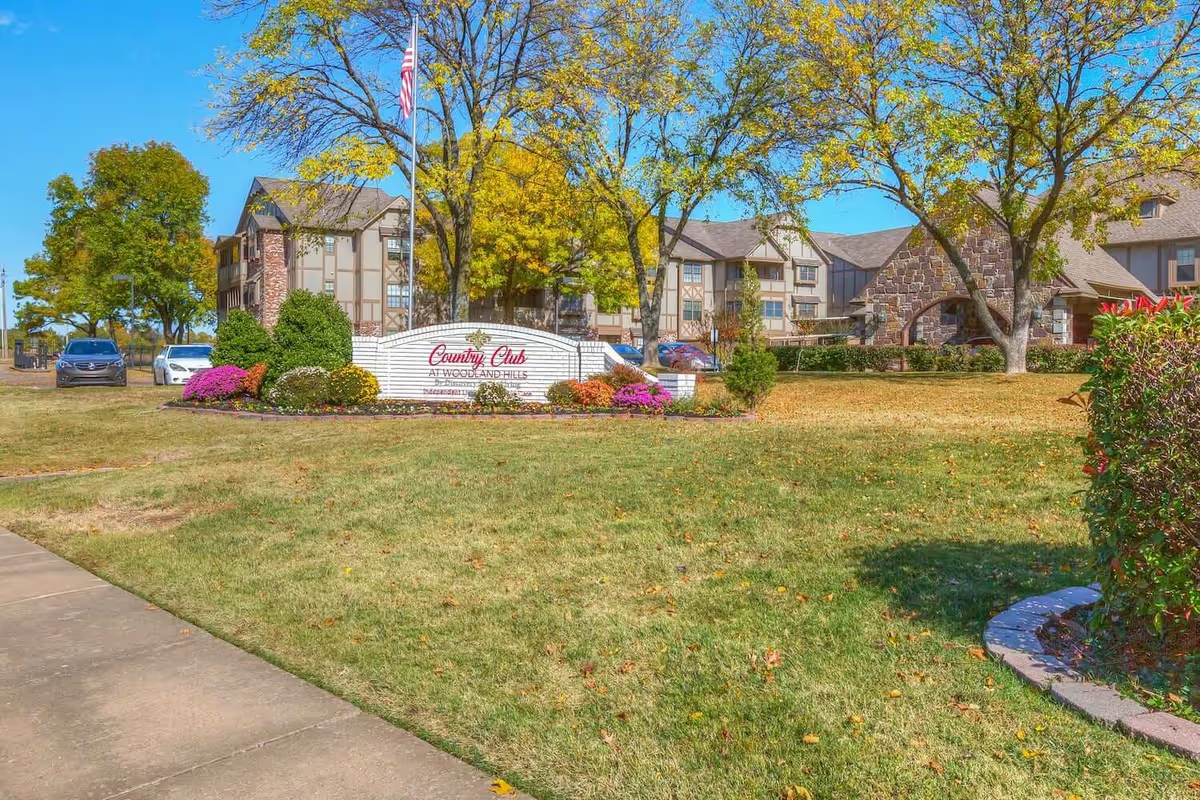
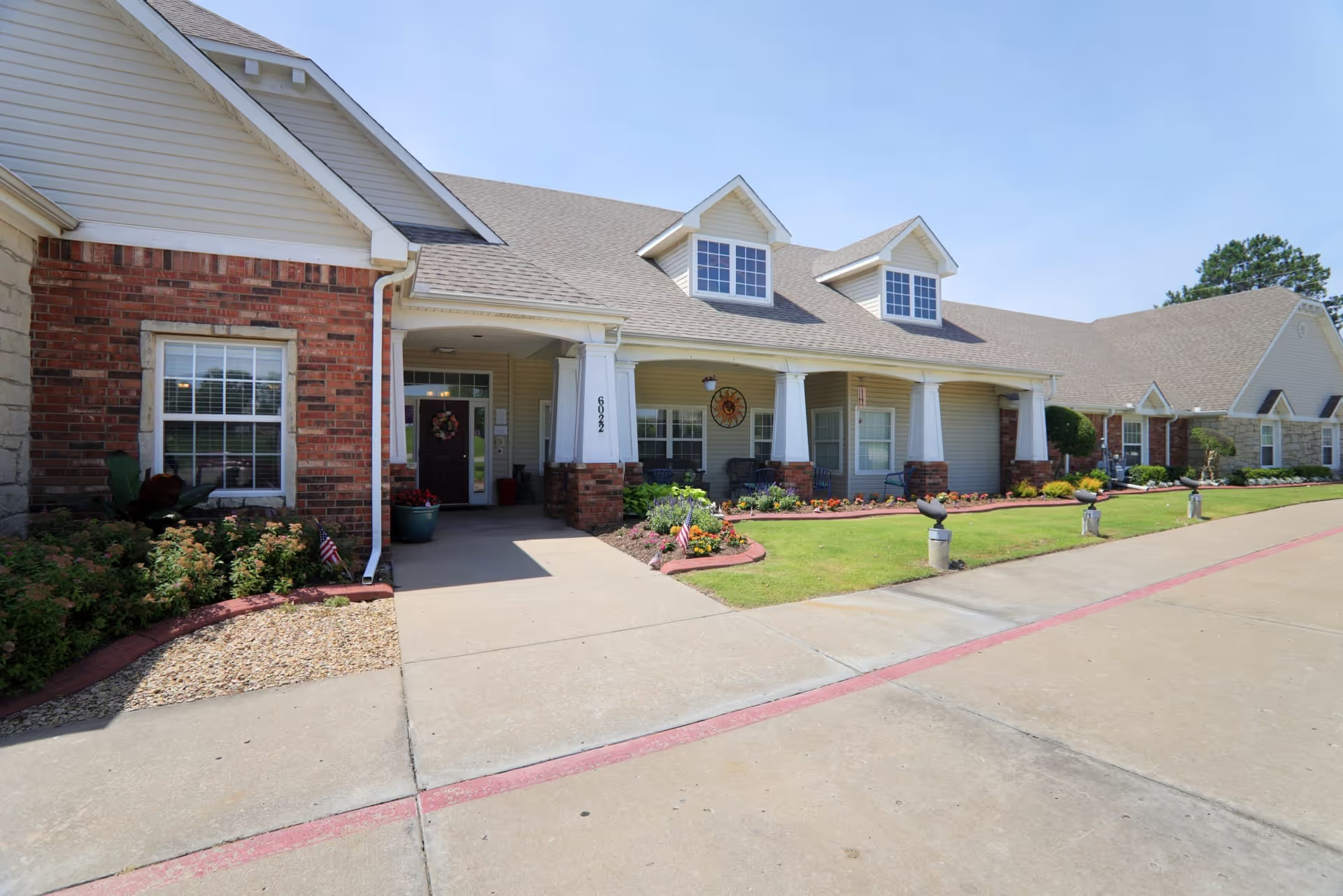
Overall impression Morada Broken Arrow presents as a well‑kept, activity‑focused independent living community with many elements that reviewers consistently praised: attentive staff, attractive grounds and interiors, a broad slate of activities, and multiple on‑site amenities. Residents and families frequently describe a warm, family‑like atmosphere and many positive interpersonal experiences with caregivers, activity staff, and specific managers or team members. Unit options are varied (studios, one‑ and two‑bedrooms, cottages) and the campus offers features such as patios, full kitchens in some units, salon/barber services, and accessible social spaces.
Care and staff Care‑related feedback skews positive with numerous comments about kind, patient, and helpful staff, 24/7 coverage, fall‑detection systems, and medication monitoring services. Families often cited staff who supported transitions and day‑to‑day independence. However, reviewers also flagged operational patterns that can affect care continuity: understaffing or higher staff turnover in some departments, and occasional gaps in responsiveness or follow‑up from management. These staffing dynamics can lead to uneven experiences between residents and over time. Prospective families should ask about current staffing ratios, turnover history, and escalation/ communication protocols.
Dining Dining is a polarizing area. Many reviewers praised restaurant‑style dining, variety of meal choices, and occasions when a chef produced well‑presented, flavorful meals. At the same time, a substantial number of reviewers described inconsistent meal quality (including cold or over‑frozen items), limited menu variety at times, and long wait times for service. Issues mentioned include perceived understaffing in the kitchen, reduced culinary staffing, and uneven dessert or snack availability. These comments suggest variability in kitchen operations rather than a uniform standard; asking to observe a meal service and inquiring about menu cycles, kitchen staffing, and temperature/food‑safety protocols is advisable.
Activities and social life Activity programming is a clear strength. Reviewers consistently reference a busy calendar—bridge, bingo, choirs, exercise, arts, trips, and twice‑weekly van outings—and praise an energetic activity director. The community appears to foster social connections and offers options for varying levels of participation. A minority of reviewers described a feeling of social pressure to join activities; that may be a cultural fit issue rather than an operational failing, so visitors should evaluate how programming aligns with their preferred level of engagement.
Facilities and maintenance The physical plant receives strong marks for cleanliness, tasteful decor, and well‑maintained landscaping. Shared amenities (gym, library, theater, pool, game rooms) and cottage options expand living choices. Nevertheless, reviewers noted specific maintenance and cleaning lapses in some common areas and instances where included housekeeping did not occur as expected. There are also accessibility limitations cited for some units and cottage locations that are distant from main dining areas, which may matter for mobility needs. Confirm unit layouts, accessibility features, and the housekeeping schedule during a tour.
Management, policies, and operations Opinions about management are mixed. Several reviewers praised responsive managers and helpful admission staff; others described slow complaint resolution, broken promises about rate locks, and perceived pricing instability. There are also comments about inconsistent enforcement of pet policies and isolated concerns about transportation safety and driver behavior. These items point to variability in policy communication and operational oversight. Prospective residents should request written terms for rates and rate‑lock guarantees, clarify pet policies in writing, and ask about transportation safety protocols and driver vetting.
Notable patterns and practical guidance The dominant patterns are a strong social program and generally caring staff combined with operational inconsistencies in dining, housekeeping, and management communication. For families weighing a move, an in‑person visit that includes a meal, a review of a contract addendum regarding rates and services, direct conversations about staffing and turnover, and observation of transportation procedures will help determine fit. Asking for recent inspection or satisfaction data, sample menus, housekeeping schedules, and names of on‑site clinical providers can reduce uncertainty. Overall, Morada Broken Arrow appears to offer many of the amenities and community elements families seek, but some operational reliability questions—particularly around dining, cleaning follow‑through, pricing transparency, and transport safety—warrant targeted inquiry prior to commitment.